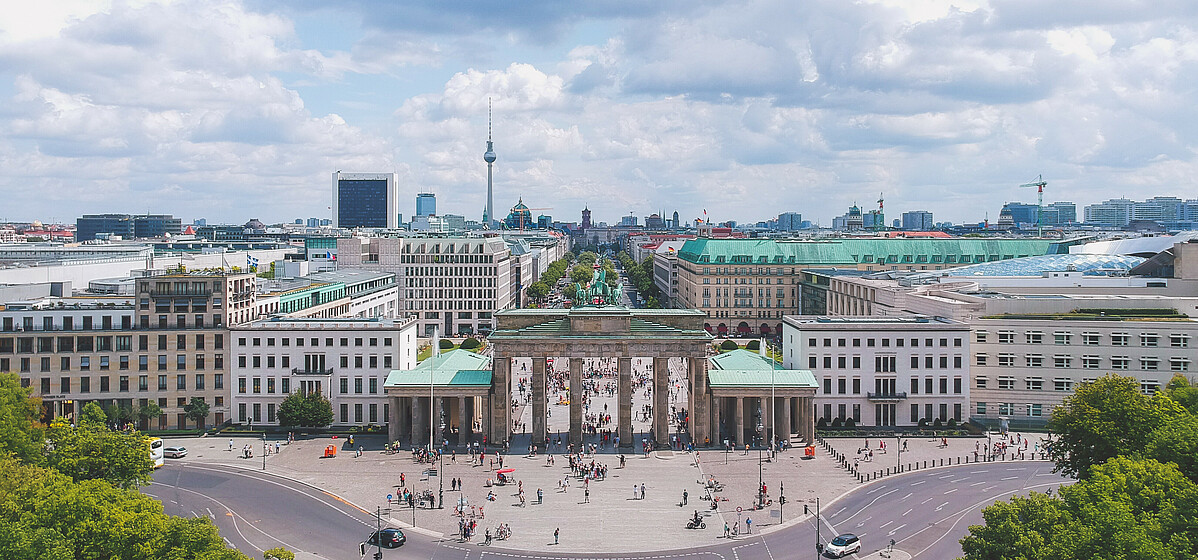
🇩🇪 Germany — the €0-tuition giant
World-top engineering and research at public universities that charge most students no tuition at all — plus an 18-month post-study permit to launch your career in Europe’s biggest economy.
One decision can change the next 40 years of your life. Hexagon Nurture International helps you choose the right country, right university and right scholarship — from Karachi, for students across Pakistan and around the world — across 68 countries including the full Schengen area, UK, USA, Canada, Australia, New Zealand, China, Turkey, Malaysia, Sri Lanka and Cyprus (North & South).

Five full deep-dive pages — real costs, scholarships, work rights, stay-back routes and the honest downsides, country by country. Read the one that’s calling you, then check your eligibility free.
World-top engineering and research at public universities that charge most students no tuition at all — plus an 18-month post-study permit to launch your career in Europe’s biggest economy.
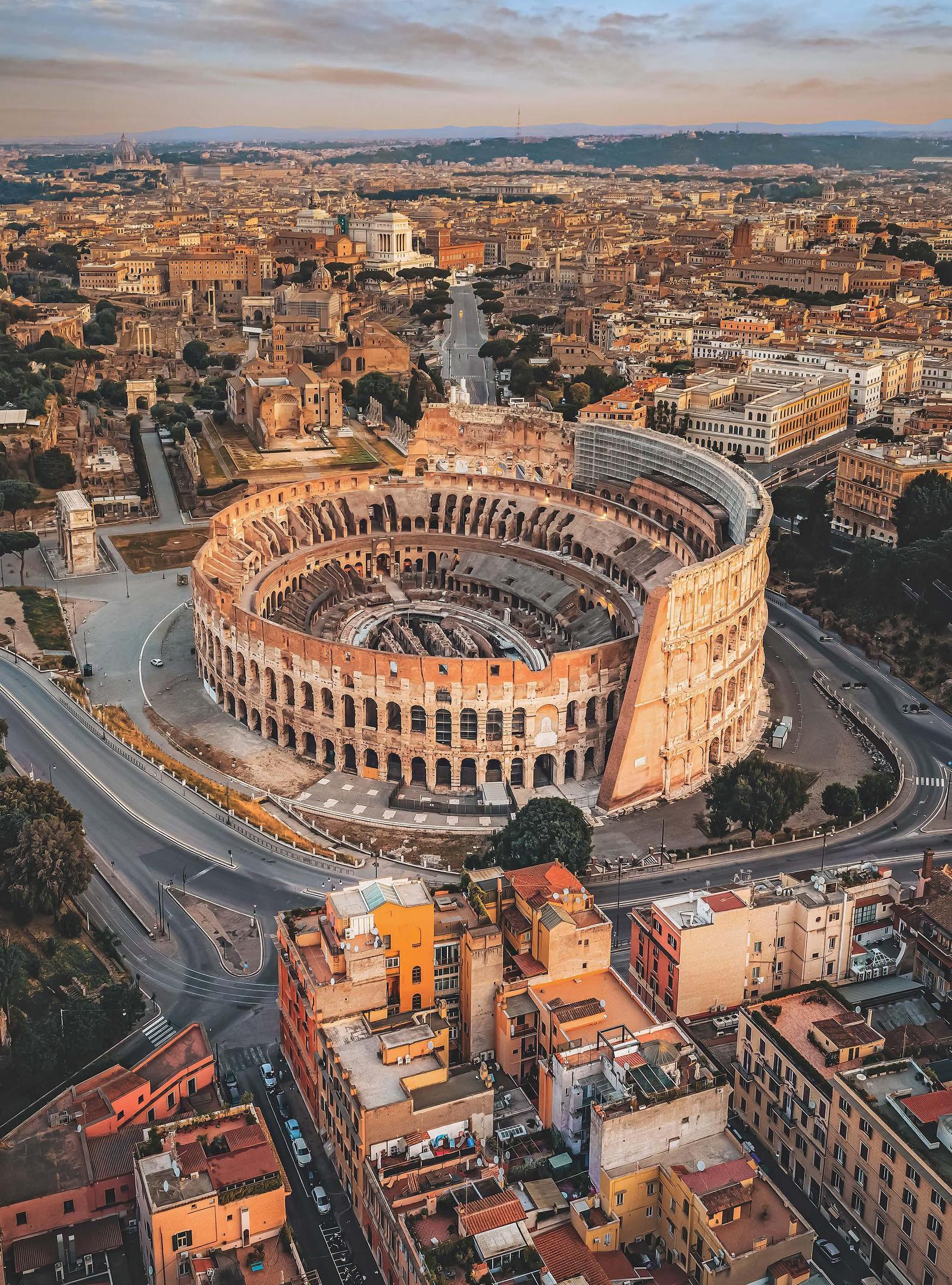
Public-university fees that shrink with your household income, regional scholarships that can cover rent and food, English-taught MBBS — and la dolce vita in between lectures.

CSC scholarships that can cover tuition, dorm and a monthly stipend — plus English-taught MBBS and engineering at universities climbing the world rankings every year.
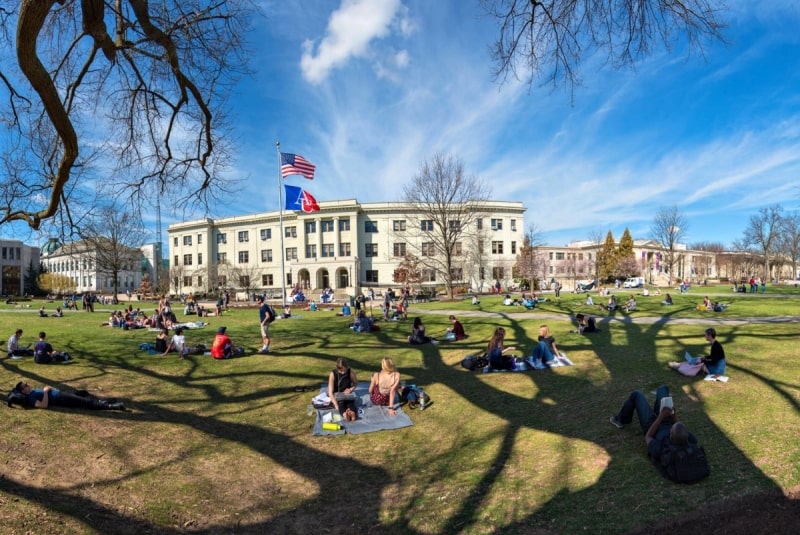
4,000+ universities, merit money and assistantships for students who target smart — and up to 3 years of US work experience after a STEM degree. The dream, with a funding plan.
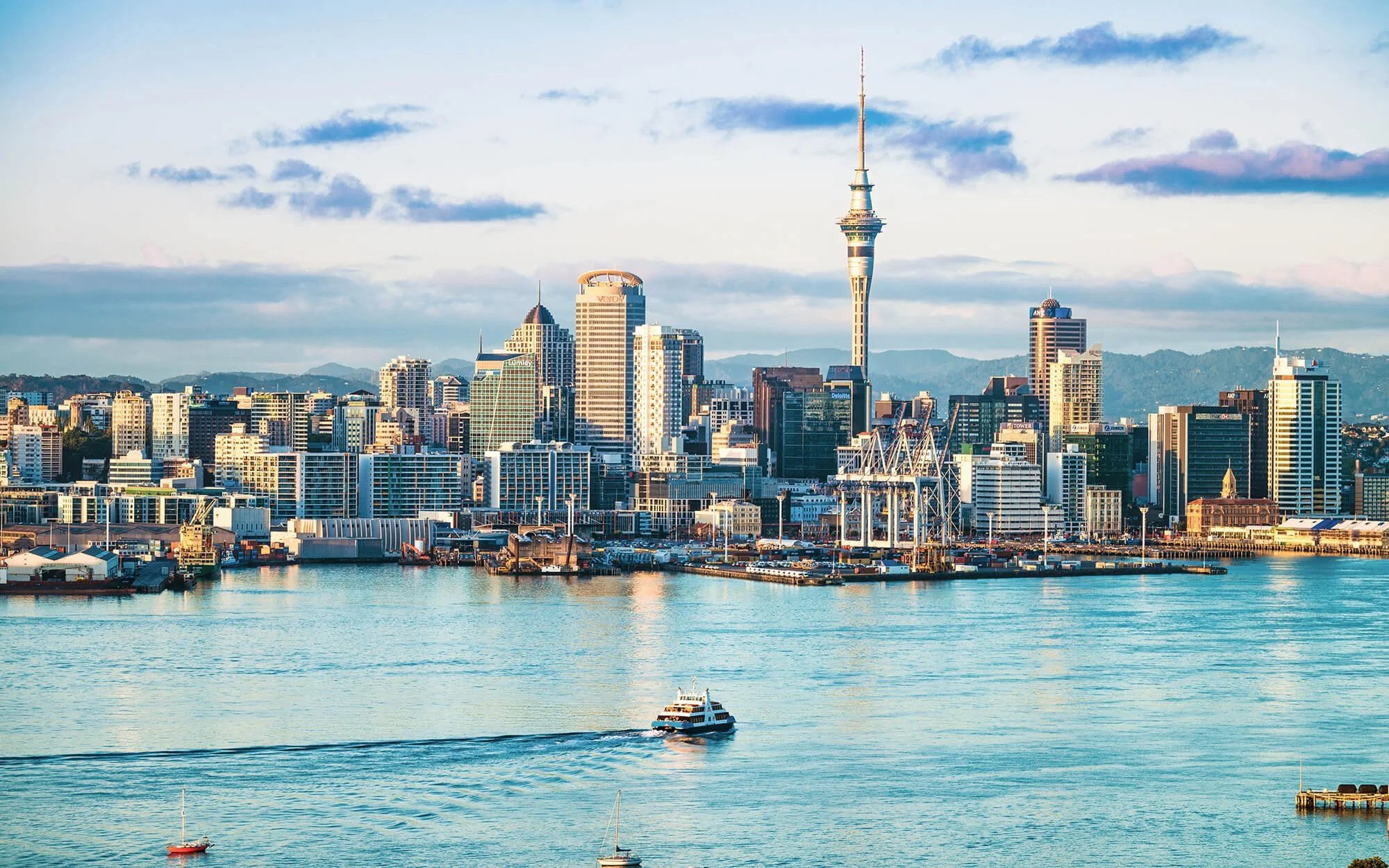
All eight universities in the global top 500, a post-study work visa of up to 3 years, Green List careers — and the safest, calmest student life on earth.
That’s normal — and exactly what the free session solves. We’ll compare your top two or three side-by-side: total cost, scholarship odds, work rights and stay-back route, in writing.
Every destination below sits in exactly one region hub and one budget hub, and every hub is a full page — countries, costs, scholarships, language routes and post-study pathways in plain language. Start where your heart (and budget) points.
One visa, 27 countries: €0-tuition publics in Germany & Italy, Europe’s widest English-taught choice, 9–24-month job-search permits.
The UK’s 1-year master’s & Graduate Route, Ireland’s tech stay-back, Cyprus both sides, and the Georgia/Ukraine/Russia MBBS value routes.
The USA’s funding machine, Canada’s study-to-PR planning, and Mexico — near-free publics and English-taught privates at a third of US prices.
Brazil & Argentina: tuition-free public giants (UBA, USP) and low living costs, unlocked by one language year.
Top-100 universities, 2–3-year post-study work visas, Australia’s regional lever and NZ’s Green List clarity.
CSC, MEXT & GKS full-scholarship systems, Taiwan’s semiconductor scholarships, Hong Kong’s top-50 English-taught hub.
Same UK/Aus parchments from Malaysia’s branch campuses, Singapore’s summit universities, and Brunei & Indonesia’s full scholarships.
Sri Lanka’s UK/Aus partner degrees and Bangladesh’s MBBS route — the lowest totals on this site.
The MBBS heartland: English-taught medicine in Kazakhstan, Uzbekistan & Kyrgyzstan, plus Baku’s English business hub.
Saudi & Qatari full funding, UAE/Qatar/Bahrain branch campuses, Türkiye Scholarships, and the Gulf 3–4 hours from home.
South Africa’s #1-in-Africa research universities and Morocco’s near-free publics + English flagships at Europe’s doorstep.
~$0 tuition routes. Germany, Italy, China (CSC), Hungary, Brazil, Argentina, Brunei & Saudi Arabia — zero-tuition systems and full scholarships, with living costs planned honestly.
~$4–10k / yr all-in. Seventeen countries where savings — not loans — fund the degree: the MBBS heartlands, Romania, Turkey, Taiwan, Morocco & more.
~$10–22k / yr all-in. Twenty-five countries in the value sweet spot: Schengen publics, Japan & Korea, Malaysia’s branch campuses, South Africa.
~$22k+ / yr all-in. Eighteen world-elite destinations — USA, UK, Canada, Australia, Singapore, Hong Kong — bought with a funding strategy, never at sticker price.
Most students don’t fail because of grades. They fail because one side of the process was weak: the wrong course, a missed scholarship, a sloppy visa file. Our six-sided method closes every gap.
We map your grades, budget, gap years and career goal honestly — before naming a single university.
2–3 best-fit countries compared side-by-side on cost, work rights, PR pathway and visa reality.
Every shortlist is checked for scholarships, tuition waivers and funded places before you pay anything.
Deadlines tracked, documents checked, and a statement of purpose that sounds like you — only stronger.
Financial documents, credibility prep and mock interviews so you walk in calm and ready.
Accommodation, forex, insurance, airport pickup guidance and your first-week checklist abroad.
Answer four questions. You’ll get an instant, honest read on your strongest routes — and which cluster page to explore next. This is a guide, not a guarantee: your counsellor confirms everything in your free session.
No sign-up. Your answers stay in this browser tab.
Indicative annual total-cost bands (tuition + living) for international students, before scholarships. Living costs, exchange rates and programme fees vary — your counsellor builds your exact, personalised budget in writing before you apply.
| Budget hub | Typical total / year (tuition + living) | Why students choose it | |
|---|---|---|---|
| Near-Free | Near-zero tuition systems & full scholarships — living costs (~US$7–13k/yr) become the main bill | Tuition solved; planning is everything | |
| Budget | ~US$4,000–10,000 total per year, tuition + living | Recognised degrees funded by savings, not loans | |
| Mid-Range | ~US$10,000–22,000 total per year, tuition + living | Rankings + stay-back rights at a sane price | |
| Premium | ~US$22,000+ total per year, before funding strategy | World-elite brands & the highest career ceilings |
Bands are general guidance for planning only and change by university, course and intake. Always confirm the current fee on the university’s official offer letter.
A gap is not a rejection — an unexplained gap is. We help you document work, business or family reasons properly and pick countries that assess gaps fairly.
Average marks still open real doors: foundation & pathway programmes, diploma-to-degree routes, and universities that weigh your full profile — across all clusters.
Then don’t start there. Germany, China scholarships, Turkey, Malaysia, Cyprus and Sri Lanka pathways can cost a fraction — with recognised degrees. We’ll show you the maths.
Yes. Your first session — profile review, country comparison and a written next-steps plan — is free, in Karachi or online. You only decide about paid services after you can see exactly what is included.
In some countries and universities, yes — via Medium of Instruction (MOI) letters, internal English tests, Duolingo/PTE alternatives, or pathway programmes. In others, a test is mandatory. We tell you which is which for your exact profile, country by country.
Absolutely. We serve students from all over Pakistan — Lahore, Islamabad, Faisalabad, Multan, Peshawar, Hyderabad and beyond — and international students too, fully online with the same six-step process.
No honest consultancy can — embassies and universities decide. What we guarantee is process quality: correct documents, real deadlines, scholarship checks and interview preparation, so your genuine case is presented at its strongest.
Ideally 8–12 months before your target intake. September intakes fill fastest; January and May intakes are excellent second chances. Late starters: talk to us anyway — rolling intakes exist in several clusters.
Don’t choose a country because a cousin went there. Choose it because the fees fit, the course ranks, the work rights help and the visa case is strong — for your profile. Browse all 68 destinations by region (11 hubs) or by budget (4 hubs) — every country sits in exactly one of each, and every hub opens full deep-dive country pages.
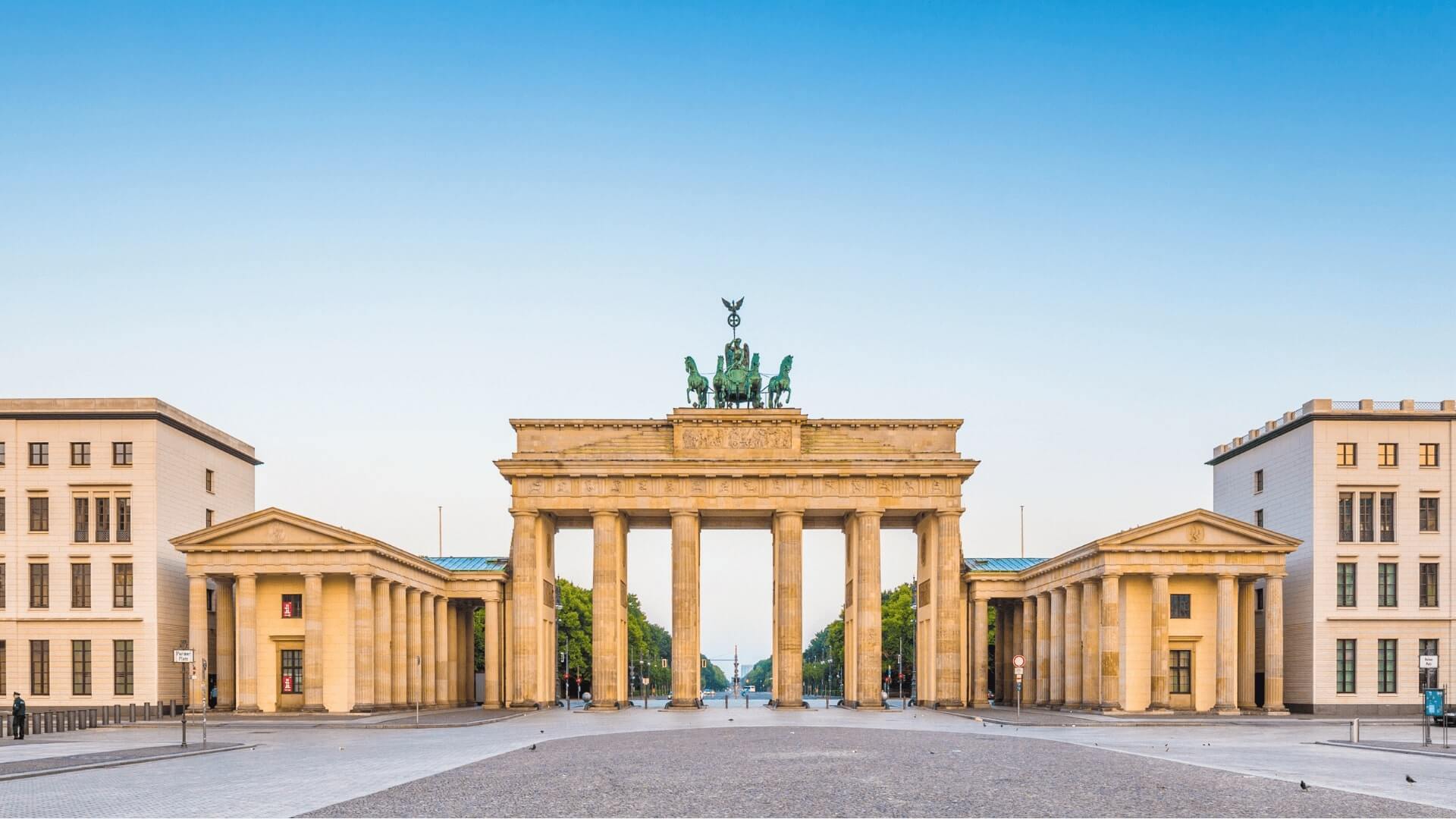
One visa, 27 countries: €0-tuition publics in Germany & Italy, Europe’s widest English-taught choice, 9–24-month job-search permits.
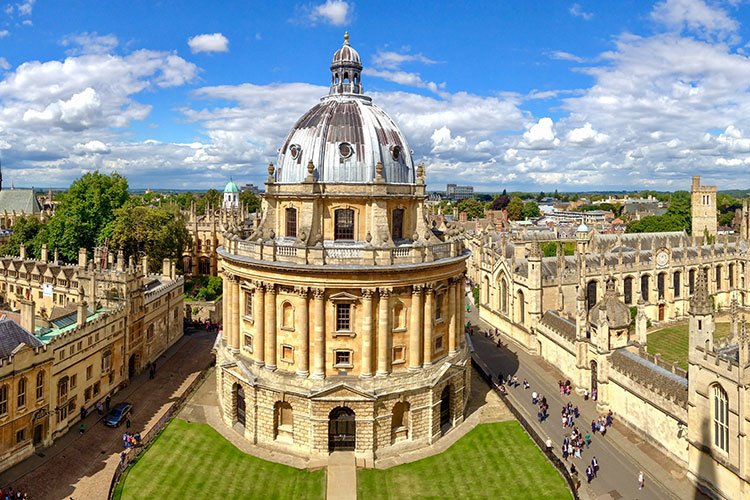
The UK’s 1-year master’s & Graduate Route, Ireland’s tech stay-back, Cyprus both sides, and the Georgia/Ukraine/Russia MBBS value routes.
The USA’s funding machine, Canada’s study-to-PR planning, and Mexico — near-free publics and English-taught privates at a third of US prices.

Brazil & Argentina: tuition-free public giants (UBA, USP) and low living costs, unlocked by one language year.
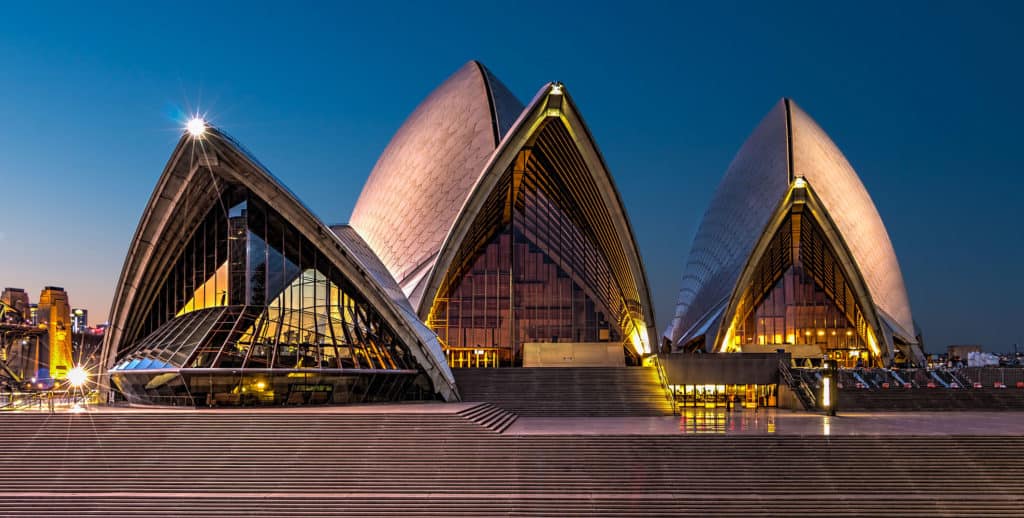
Top-100 universities, 2–3-year post-study work visas, Australia’s regional lever and NZ’s Green List clarity.
CSC, MEXT & GKS full-scholarship systems, Taiwan’s semiconductor scholarships, Hong Kong’s top-50 English-taught hub.
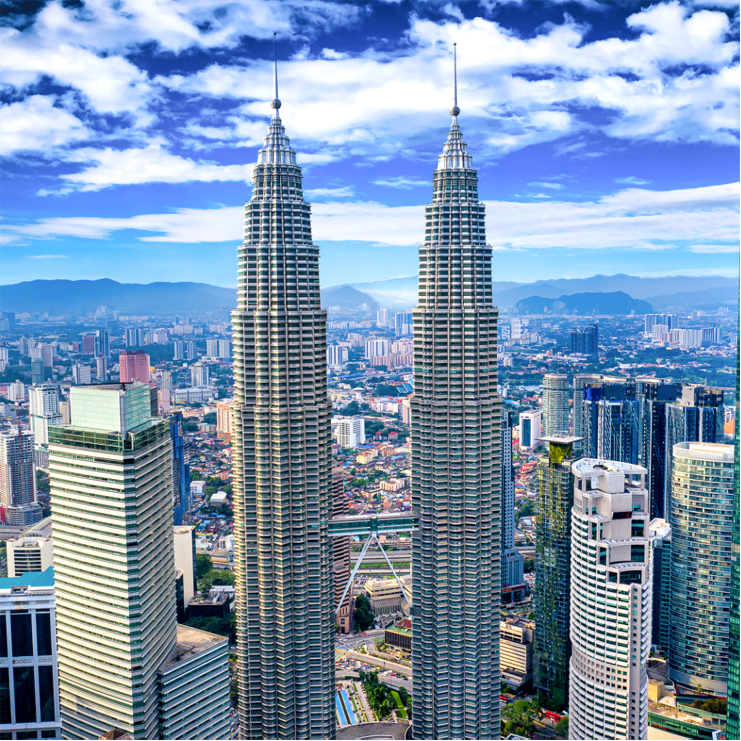
Same UK/Aus parchments from Malaysia’s branch campuses, Singapore’s summit universities, and Brunei & Indonesia’s full scholarships.

Sri Lanka’s UK/Aus partner degrees and Bangladesh’s MBBS route — the lowest totals on this site.
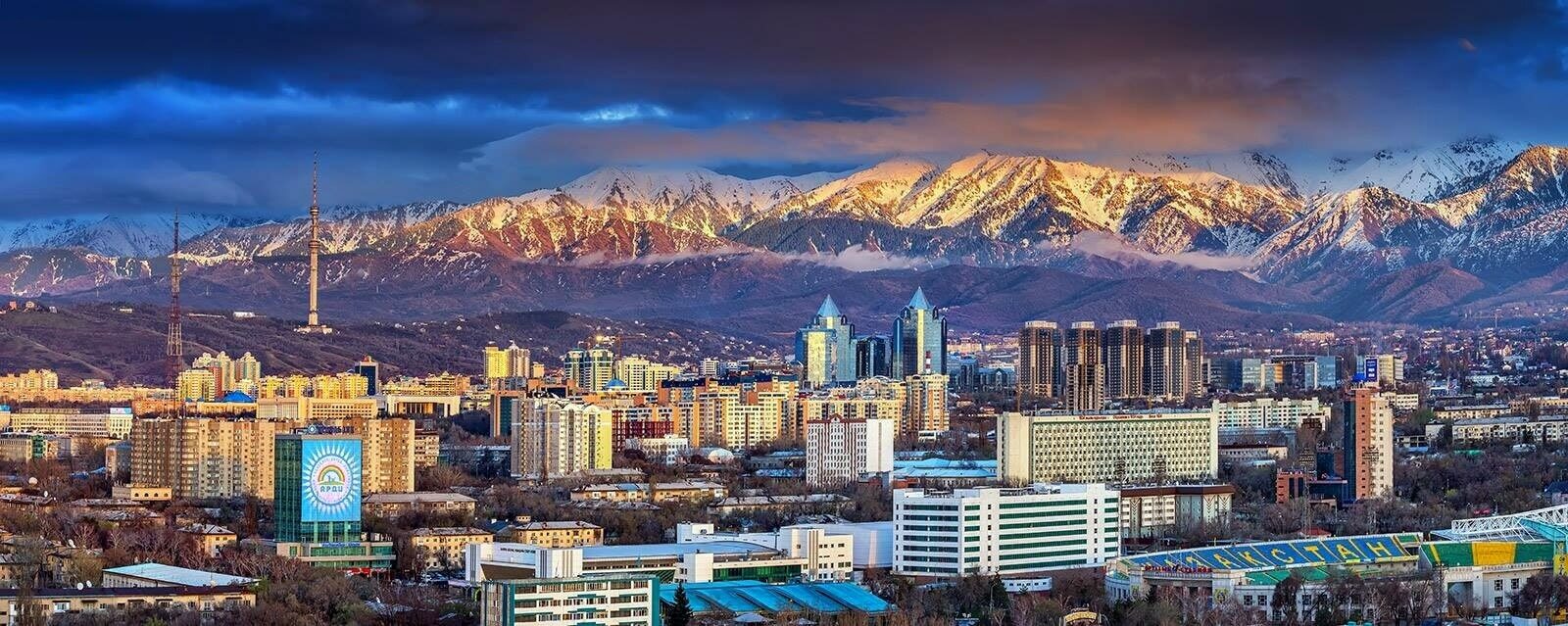
The MBBS heartland: English-taught medicine in Kazakhstan, Uzbekistan & Kyrgyzstan, plus Baku’s English business hub.
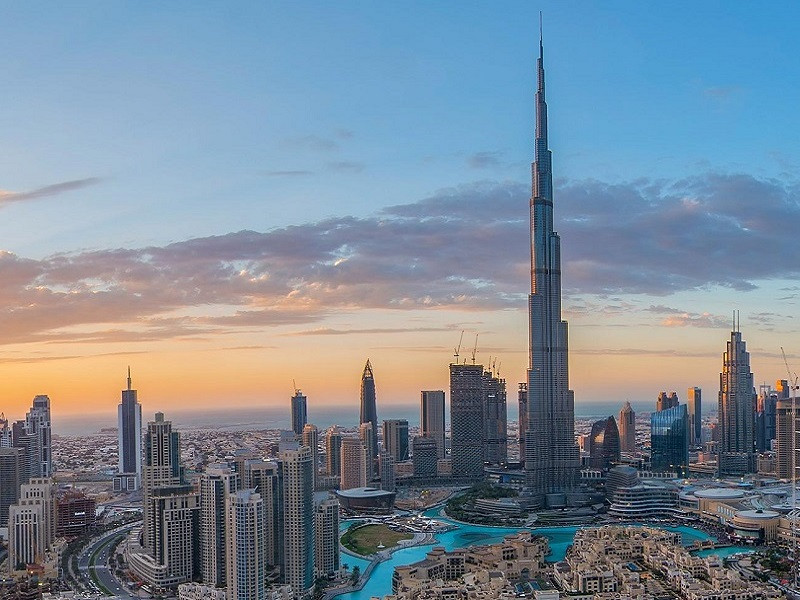
Saudi & Qatari full funding, UAE/Qatar/Bahrain branch campuses, Türkiye Scholarships, and the Gulf 3–4 hours from home.
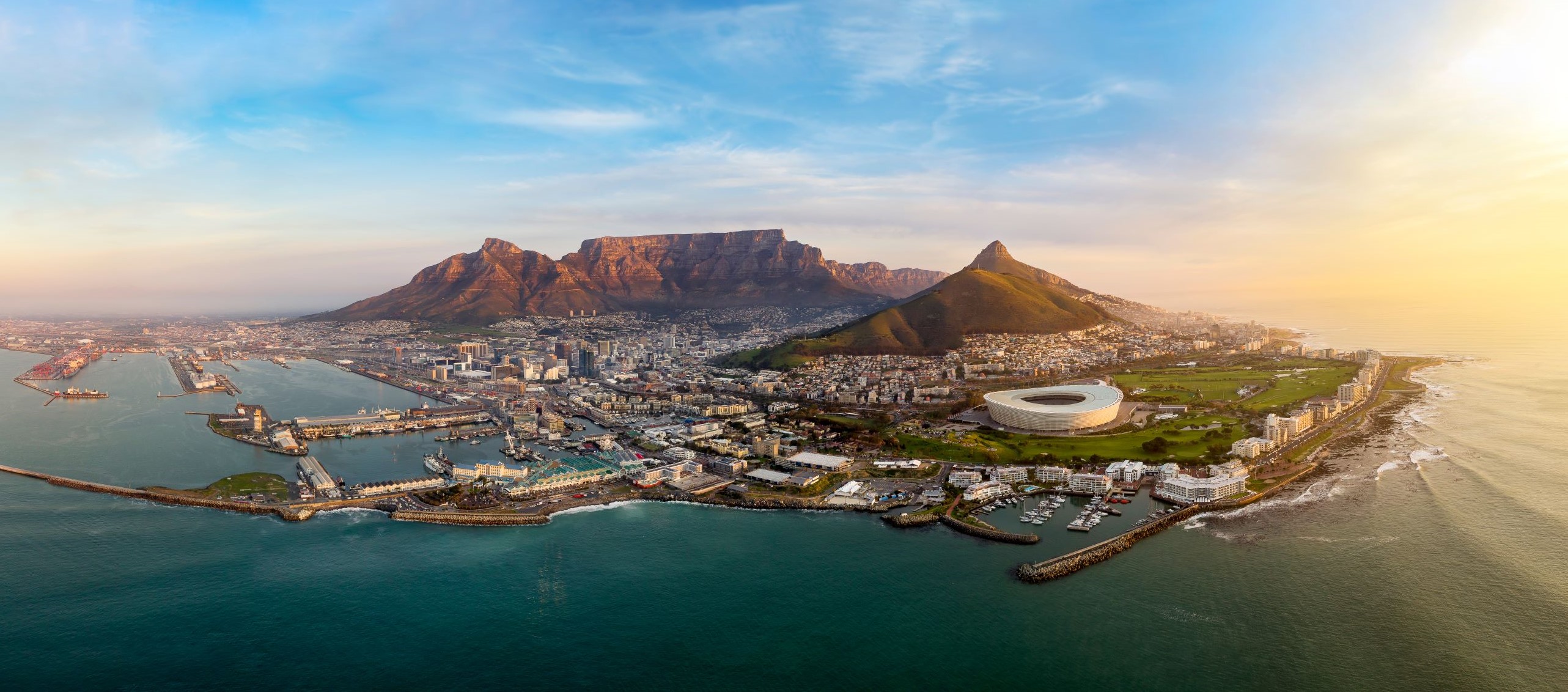
South Africa’s #1-in-Africa research universities and Morocco’s near-free publics + English flagships at Europe’s doorstep.
Tiers use typical total first-year cost — tuition + living, before scholarships. It’s the filter Pakistani families actually decide by.
~$0 tuition routes. Germany, Italy, China (CSC), Hungary, Brazil, Argentina, Brunei & Saudi Arabia — zero-tuition systems and full scholarships, with living costs planned honestly.
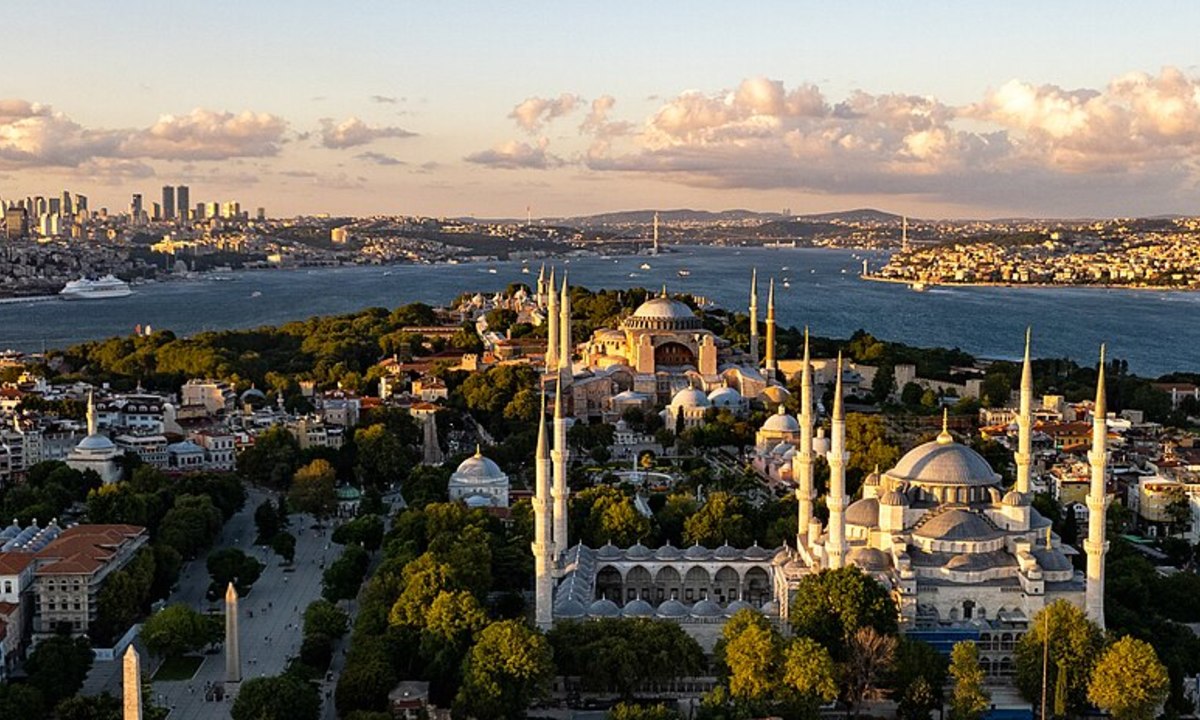
~$4–10k / yr all-in. Seventeen countries where savings — not loans — fund the degree: the MBBS heartlands, Romania, Turkey, Taiwan, Morocco & more.
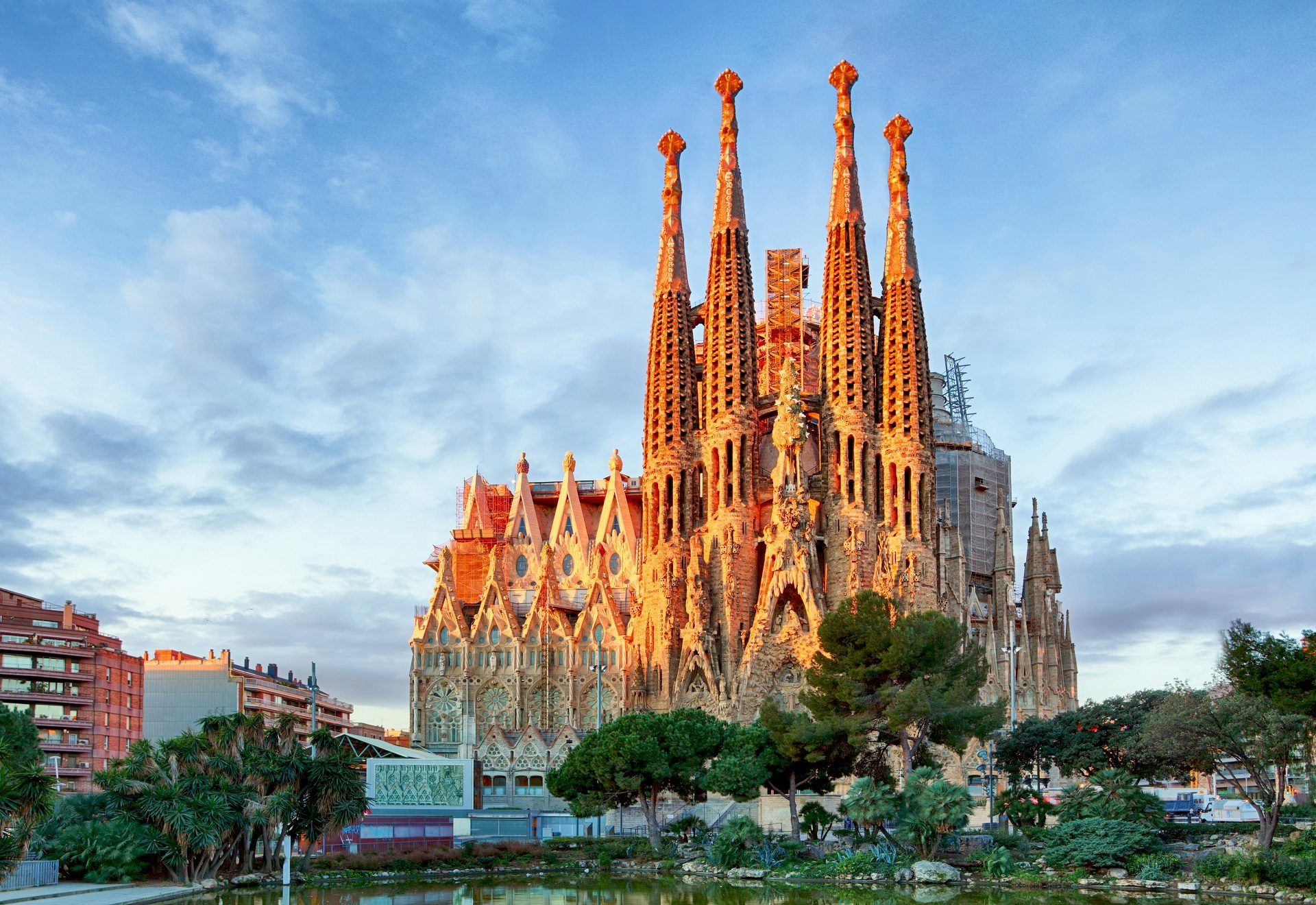
~$10–22k / yr all-in. Twenty-five countries in the value sweet spot: Schengen publics, Japan & Korea, Malaysia’s branch campuses, South Africa.
~$22k+ / yr all-in. Eighteen world-elite destinations — USA, UK, Canada, Australia, Singapore, Hong Kong — bought with a funding strategy, never at sticker price.
Study in one Schengen country and your residence opens the whole zone — 27 of our 68 destinations sit here. This hub holds the near-zero-tuition public systems (Germany, Italy, Austria, France), Europe’s widest English-taught choice, and post-study job-search permits of 9–24 months in most member states. For a Pakistani student who wants a respected degree without a premium price tag, this is usually where the shortlist starts.
Every card is a full deep-dive page: real costs, scholarships, work rights, stay-back routes and the honest downsides. Totals shown are tuition + living guides for a typical first year, before scholarships.
Germany’s public universities charge €0 tuition in most states; Italy’s fees shrink with family income and DSU scholarships can cover living; Austria charges non-EU students just €1,453/yr; France’s public rate is €2,770/yr. The catch is never the fee — it’s proof of funds and preparation. We build both.
The Netherlands, Sweden, Finland, Denmark and Estonia run thousands of full English-taught programmes — no local language needed to start, though learning it transforms your job hunt. Malta removes the language question entirely: English is co-official.
Poland, Hungary, Romania, Czechia and Greece run established English-taught MD/MBBS routes at a fraction of UK/US prices — with the recognition and licensing checks for Pakistan done in writing before you pay a rupee.
Your student residence is issued by one Schengen state, and it lets you travel freely across the other 26 for short stays — weekend trips, conferences, interviews. You study and reside in your issuing country; you explore the whole zone. After graduation, each country’s own job-search permit applies — we plan yours around the strongest one for your field.
To start, often no — English-taught programmes are everywhere in this hub. To thrive, yes: part-time jobs, internships and PR routes all reward the local language, and in Germany, France, Italy and Spain it’s close to essential for graduate employment. We’ll tell you, per country, exactly how much it matters and build a realistic language runway.
On total cost (tuition + living): Italy and Germany lead for students who use the public systems properly, with Poland, Romania and the Baltics close behind once living costs are counted. The cheapest headline fee isn’t always the cheapest degree — your free session compares full-degree totals, not first-year teasers.
Most Schengen states allow part-time work during studies (typically 20 hrs/week or an annual hour cap) and offer a post-study job-search permit — 18 months in Germany, 12–24 months in France and several others. Rules differ by country and change; we confirm the current position for your exact route before you commit.
Not every European route runs through Schengen. This hub holds the two English-speaking giants — the UK’s 1-year master’s and Graduate Route, Ireland’s tech-and-pharma stay-back — alongside Cyprus (South & North) for English-taught EU-side degrees at mid and budget prices, and the great MBBS value routes of Georgia, Ukraine and Russia, plus low-cost Albania. Eight countries, four very different strategies — compared honestly.
Each country card opens its full deep-dive: costs, scholarships, work rights, stay-back reality and FAQs. Note the honest flags — Northern Cyprus recognition and the Ukraine/Russia security position are stated on their pages, not buried.
A UK master’s takes 12 months — one year of fees, one year of living costs, earning a year earlier — with a 2-year Graduate Route after. Ireland pairs English-taught study with EU headquarters of global tech & pharma and up to 2 years’ stay-back for master’s graduates. Premium prices, premium ceilings.
Cyprus (South) is an EU member teaching widely in English — medicine included — at mid-range totals. Northern Cyprus is the region’s lowest-cost English-taught route with automatic 50% scholarships — powerful value, with a recognition reality-check we insist you read first.
English-taught MD programmes with totals around $8–10k/yr have made these three the backbone of Pakistani medical migration. Our non-negotiable first step: verify the current Pakistan recognition and licensing path for your exact university, in writing, before any fee is paid — and for Ukraine and Russia, weigh the current security advice just as carefully.
The UK and Ireland never joined Schengen; Cyprus (South) is EU but not yet Schengen; Northern Cyprus, Albania, Georgia, Ukraine and Russia sit outside both. Practically: each country issues its own student visa, and your residence doesn’t include free travel across the Schengen zone. For many students that’s a fair trade for English-taught study, faster degrees or far lower costs — we’ll help you weigh it.
Choose the UK for the 1-year master’s maths, the deepest course choice and the Graduate Route. Choose Ireland for tech/pharma employer density and a 2-year master’s stay-back. Both are premium-priced; both punish weak visa files (funds seasoning in the UK, financial evidence in Ireland). Your session compares totals city by city — London and Dublin are not the only options.
Northern Cyprus is recognised only by Turkey, and its degrees can face recognition hurdles elsewhere — including for licensing and further study. Many students still choose it deliberately: for the low cost, as a transfer springboard, or with a Turkey-facing career plan. What we won’t do is sell it as an EU degree. Read the full page, then decide with open eyes.
We state it plainly on both pages: there is an active security situation, and families must weigh current official advice before considering either. Historically both were MBBS mainstays with government scholarship routes (Russia’s quota and Open Doors). If your heart is set on the route, we verify recognition, safety and transfer protections first — and we’ll show you Georgia, Kazakhstan and Romania as alternatives in the same session.
The USA offers the deepest bench of universities and the most generous graduate funding on earth; Canada pairs quality public education with the clearest study → work → PR planning route in the West. And Mexico — near-free public giants like UNAM and English-taught privates at a third of US prices — is the option almost nobody in Pakistan has priced yet. Big dreams belong here; random applications don’t.
Two premium giants and one mid-range disruptor. Every card opens the full deep-dive — funding strategy, work rights, PR pathways and the honest costs.
Assistantships, merit scholarships and STEM-OPT (up to 3 years of work rights) change the maths completely — if you target universities where your profile is above average. That targeting is the whole game, and it’s our US practice’s speciality.
Programme and province choice drive PGWP and PNP outcomes, so we plan the PR route from day one — course, city, budget and study-plan aligned, with the funds evidence IRCC actually wants.
UNAM and the public system charge nominal fees; Tec de Monterrey and ITAM teach in English at roughly US$8–16k/yr. The honest price of the cheap door is Spanish — a 9–12 month investment that unlocks a near-free degree and a language spoken by 500 million people.
If rankings, research funding and career ceiling lead, the USA wins — with funding strategy doing the heavy lifting. If a planned, points-based route to permanent residence leads, Canada’s PGWP + PNP/Express Entry planning is cleaner. Many of our students apply to both with one prepared file; your session maps which deserves your first rupee.
Often, yes — at master’s and PhD level especially, where assistantships can cover tuition plus a stipend. At bachelor’s level it takes merit scholarships, affordable state universities or community-college transfer routes. What doesn’t work is applying only to famous names and hoping. We build funded shortlists or we tell you honestly to pivot.
Through one of two doors: English-taught programmes at the top privates, or B2 Spanish into the near-free public system. There’s no automatic post-study visa — a job offer converts your status — and nearshoring is hiring bilingual engineers and business graduates at scale. It’s a deliberate, high-upside choice, best for students excited by the language and the region.
USA: on-campus work + CPT internships, then 1 year OPT (3 for STEM). Canada: part-time work in term, then PGWP up to 3 years for eligible graduates. Mexico: limited student work; post-study stay runs through employment. All three reward early, well-documented files — the F-1 interview and the Canadian study-plan are prepared, never improvised, with us.
Two countries, one promise kept: world-ranked universities (Australia’s Group of Eight; all eight NZ universities in the global top 500), post-study work visas measured in years, and student cities students genuinely love. Australia brings scale and the Genuine Student process that rewards well-documented applicants; New Zealand brings the Green List — careers mapped directly toward residence — and life at human speed.
Premium-priced, premium-outcome. Both cards open full deep-dives — Genuine Student strategy, regional advantages, scholarship-adjusted fees and post-study visas explained in full.
Multiple top-100 universities, the widest course choice in the region, and a genuine regional advantage — campuses outside the big capitals can mean lower living costs and additional migration incentives for eligible graduates. The Genuine Student statement is where files are won or lost; we build it from your real history.
Degree-level graduates can stay and work up to 3 years, and Green List careers are chosen by the government precisely because the country needs them — pick a Green-List-aligned course and your study plan and residence plan become the same plan.
Sydney and Auckland rents are real. Brisbane, Perth, Adelaide, Wellington and the regional campuses cut living costs sharply while keeping the same national post-study rights. Our shortlists compare total cost city by city — most families are surprised how far the budget stretches one tier down.
Australia for maximum choice, rankings depth and the largest Pakistani student community in the region. New Zealand for smaller classes, the Green List’s clarity and quality of life. Both are premium totals; both reward genuine, well-evidenced applications. Your session compares your exact course in both countries, totals included.
Australia asks you to explain — credibly, in your own facts — why this course, why this university, why now, and how it advances your career. Template answers fail; documented, logical answers pass. We draft yours from your real academic and family history, and prepare you for follow-up questions.
Both countries allow partners of many postgraduate students to accompany them, with work rights for partners in defined categories (strongest at master’s-by-research and Green-List-aligned study in NZ; postgraduate coursework in Australia). Rules differ by level and change — we confirm your exact position before you commit money.
No — and anyone promising it is selling something. What’s true: a multi-year open work visa plus an in-demand occupation is one of the clearest study-to-residence routes in the world, in both countries. We plan course choice around maximising that pathway, honestly.
China’s CSC, Japan’s MEXT and South Korea’s GKS are three of the most generous scholarship systems on earth — full tuition, often airfare and a living stipend, with Pakistan a partner country for all three. Taiwan adds semiconductor-era engineering with MOE scholarships at budget totals, and Hong Kong adds top-50 English-taught universities with a 2-year no-strings stay-back. No region on this site funds Pakistani students more seriously.
Four scholarship-led routes and one premium English-taught hub. Every card opens the full deep-dive with deadlines, eligibility and self-funded fallbacks priced in parallel.
CSC (China), MEXT (Japan) and GKS (Korea) can each cover tuition in full — CSC and GKS commonly add dorm and a monthly stipend. They are competitive and deadline-driven (CSC roughly December–April), which is exactly why guided files win them disproportionately.
Taiwan’s semiconductor ecosystem (and MOE scholarships) makes it the budget world’s most strategic engineering pick; Japan’s national universities charge a standard ¥535,800/yr with robotics and manufacturing depth no one else matches.
Top-50 universities teaching fully in English, entrance scholarships that can cover full tuition for outstanding files, and the IANG — 24 months to stay and job-hunt with no offer required upfront. The premium member of this hub, and the only one where language is a non-issue from day one.
For admission, usually not — English-taught programmes are extensive in China, Korea, Taiwan and Hong Kong, and MEXT/GKS both fund a preparatory language year for their scholars. For graduate employment, local language is the multiplier everywhere in this hub: Mandarin, Japanese or Korean at working level transforms your options. Scholarship winners get the language year built in — one more reason to compete for them.
Yes — Pakistan is an established sending country for CSC, GKS and MEXT, and our files compete every cycle. Realistic doesn’t mean easy: transcripts, recommendation strategy, study-plan quality and deadline discipline decide outcomes. We assess your scholarship probability honestly and always price a self-funded plan B in parallel.
China: work permits run through employment (strongest with Mandarin). Japan: a designated-activities job-hunt period, then work visas — engineers are in structural demand. Korea: job-seeking and points-based routes reward Korean proficiency. Taiwan: points-based work permits favour its own graduates. Hong Kong: IANG’s 24 months is the most generous upfront. Your session maps the route for your field.
Self-funded, Taiwan and China usually total the least (~$7–10k/yr), Japan and Korea sit mid-range (~$12–13k/yr), and Hong Kong is premium (~$30k/yr). The honest play in this hub is scholarship-first with a priced fallback — never scholarship-only.
Europe’s strongest economy educates its engineers, doctors and researchers at public universities that charge most international students no tuition fees at all. Add English-taught programmes, an 18-month post-study permit to find a job, and cities built for students — and Germany becomes the smartest maths in study abroad. We’ll build your route: shortlist, blocked account, visa file, departure.
Before you read another word, press play. This narrated briefing makes the honest, complete case for Germany — the real costs, the scholarships, the work rights after graduation, and the exact route from Pakistan — in about four minutes.
Stop. If you are a Pakistani student dreaming of a foreign degree, but the fees make your heart sink, give me four minutes. Because there is a country where public universities charge you almost nothing in tuition, and hand you a degree the whole world respects. That country is Germany. And by the end of this video, you will know exactly how to get there.
Right now, you might feel stuck. Private universities at home cost a fortune and still do not open global doors. The UK, the US, Australia, amazing, but the price tags? Twenty, thirty thousand dollars a year, plus living costs. For most families in Pakistan, that is not a plan, that is a fantasy. And every year you wait, you watch friends move ahead while you refresh the same job portals. That frustration is real. But it is not the end of the story.
Now picture this. You, landing in Berlin or Munich, enrolled at a public university ranked among the best on earth, in engineering, in computer science, in business, paying a semester contribution of just a few hundred euros. You work part time, twenty hours a week, covering your living costs yourself. You graduate with almost zero debt, and Germany hands you an eighteen month residence permit to find a job. That is not a dream. That is the system working exactly as designed.
Here is why Germany is the smartest move nobody told you about. One: public universities charge little to no tuition, even for international students. Two: thousands of English taught programs, so you do not need German to start. Three: the blocked account system makes your visa proof clean and simple, around twelve thousand euros for the year, and that money is yours, released to you monthly for living expenses. Four: after graduation, eighteen months to find work, and a direct path to the EU Blue Card and permanent residency. Engineers, IT professionals, nurses, Germany is literally hunting for you.
We are Hexagon Nurture International, based right here in Karachi, and we guide students from all over Pakistan through this exact journey, every single intake. University shortlisting matched to your grades and budget. APS certificate handling, yes, Pakistani students need it, and we know the process cold. Blocked account setup, visa filing, mock interviews, pre departure briefing. One team, start to finish. No guesswork, no agent horror stories.
Now, the objections in your head, let's crush them. My grades are not perfect? Germany cares about fit, not perfection, there are programs for every profile. I don't speak German? Start in English, learn German alongside for the job market, we will show you how. The blocked account sounds scary? It is your own money, protected, paid back to you monthly. Visa rejection? With complete documentation and real preparation, Pakistani students get German visas every single day. The only applications that fail are the sloppy ones, and yours won't be.
Here is the thing. German intakes have hard deadlines, winter and summer, and APS processing takes weeks. Every month you delay is an intake you miss. So here is what I am offering: a completely free counselling session where we map your profile to real German universities, tell you your exact blocked amount, and give you a step by step timeline. Free. No obligation. But only if you act while this intake window is open.
Click the button below, book your free counselling, and let's start your Germany file today. Your future self, degree in hand, career in Europe, is waiting. Hexagon Nurture International. Let's get you to Germany.
Public universities in most German states charge no tuition; you pay a semester contribution of roughly €100–€400 that often includes a public-transport ticket. Exceptions exist — Baden-Württemberg charges non-EU students about €1,500/semester, and private universities charge fees — and we flag them in your shortlist before you apply, never after.
Automotive, robotics, renewable energy, pharma, AI — Germany’s industries hire the graduates its universities produce. Internships and working-student (Werkstudent) roles are built into student life, and names like TU Munich, RWTH Aachen, Heidelberg, LMU Munich, KIT and TU Berlin sit on CVs employers worldwide respect.
After graduating you can typically get an 18-month residence permit to look for skilled work. Land a qualifying job and routes like the EU Blue Card open the road toward settlement. Germany doesn’t just want your fees — it wants your skills to stay.
Mechanical & Automotive EngineeringComputer Science & AIData ScienceElectrical Engineering & RoboticsRenewable EnergyMechatronicsBusiness & ManagementMedicine (German-taught)ArchitectureLogistics
| Item | Guide figure | What to know |
|---|---|---|
| Public university tuition | €0 in most states | Baden-Württemberg ≈ €1,500/semester for non-EU; some specialised master’s charge — we verify per programme |
| Semester contribution | €100–€400 / semester | Covers admin + often a semester transport ticket |
| Blocked account (visa proof) | ≈ €11,904 / year | Your own living money, released monthly after arrival — 2025 figure; we confirm the current amount for your intake |
| Living costs | €850–€1,200 / month | Munich & Frankfurt sit at the top; Leipzig, Dresden & smaller cities cost far less |
| Private universities | €10,000–€25,000 / year | Only if a specific programme is worth it — never our default suggestion |
Comparing countries on cost? See how Argentina compares — full cost guide or scan every option in the Study Abroad for Almost Free budget hub.
DAAD — the world’s largest funding organisation — supports mainly postgraduate and research stays; the Deutschlandstipendium adds €300/month merit funding at many universities; plus foundation and university-specific awards. Honest note: for most bachelor’s/master’s students, Germany’s “scholarship” is the €0 tuition itself — and it’s a big one.
For English-taught programmes, no — admission is in English. For your life, yes, some: A2–B1 German transforms part-time job options, internships and your stay-back chances. Our advice: start free German study while your application runs. It’s the highest-ROI hour you’ll spend this year.
We match your grades to realistic public universities (Uni-Assist / direct routes), check recognition of your Pakistani qualifications, and set your German-language runway.
Blocked account opened correctly, HEC/IBCC attestations in order, finances documented the way the embassy wants to see them.
Visa file & appointment prep, accommodation hunt, city registration (Anmeldung) and your first-month checklist on landing.
At public universities in most states, yes — nationality doesn’t change it. The Baden-Württemberg exception (≈€1,500/semester for non-EU students) and fee-charging specialised programmes are the main catches, and your written shortlist will show them clearly.
Yes — non-EU students can typically work 140 full days or 280 half days per year, plus working-student roles related to your field. It covers part of your living costs, not all — budget honestly.
Graduates can usually apply for an 18-month post-study residence permit to seek skilled employment; a qualifying job can lead to an EU Blue Card and, over time, settlement routes. Rules are confirmed at application time in your session.
Winter intake (October) is the big one — applications often close by mid-July, and Uni-Assist processing takes weeks. Starting 9–12 months ahead is ideal; a smaller summer intake (April) exists at many universities.
Still weighing it up? Browse the Europe – Schengen region hub or the Study Abroad for Almost Free budget hub to compare Germany against its closest alternatives.
Four honest alternatives drawn from the Europe – Schengen region hub, the Near-Free budget tier and the premium step-up shelf — each with the reason it belongs on your shortlist.
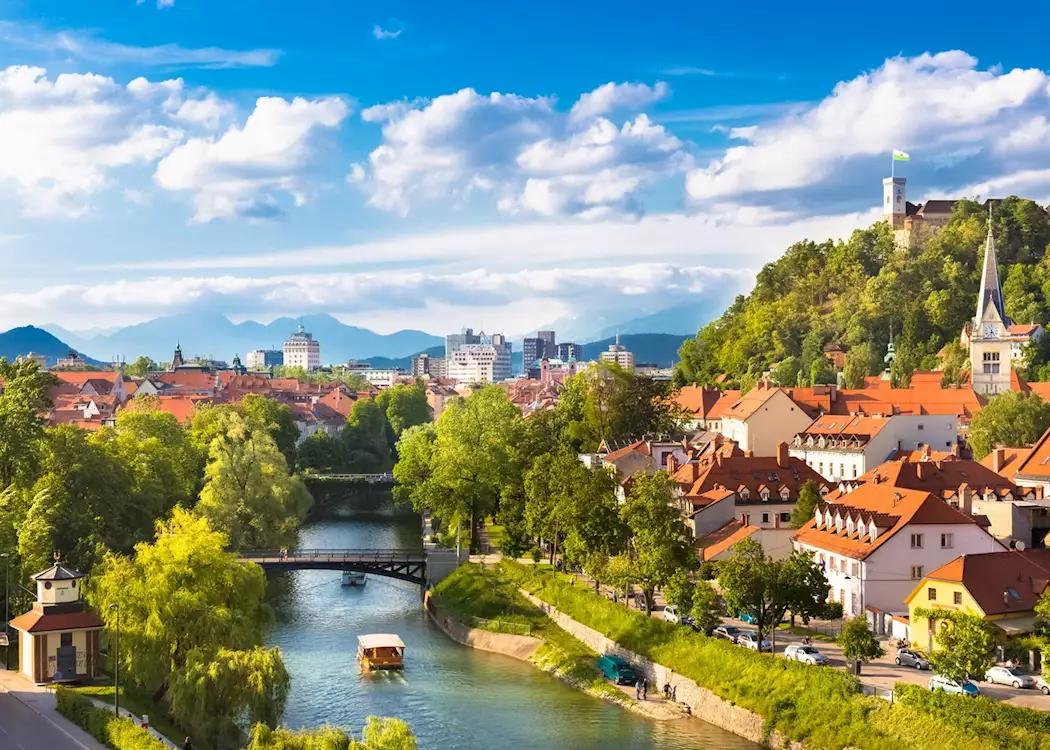
Also in Europe – Schengen: Small, green, affordable EU study · ≈ $12k/yr all-in
Also in Europe – Schengen: Business, hospitality, health; Spanish adds job power · ≈ $14k/yr all-in
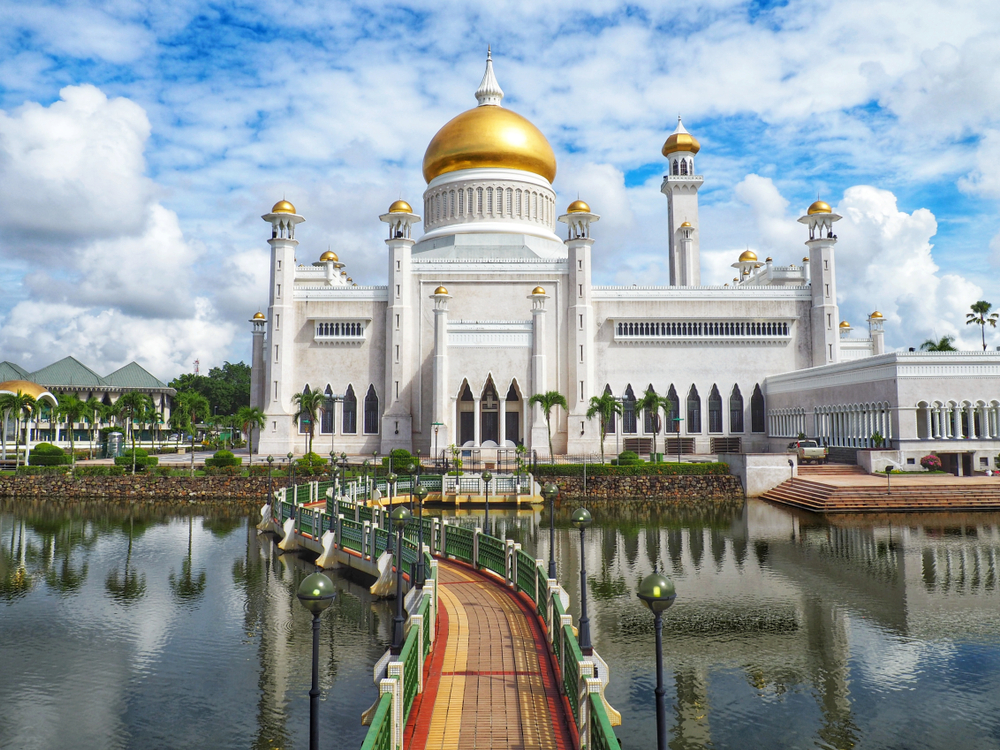
Same budget (Near-Free), different map: Government scholarship; UBD in English; calm Muslim-majority state · Government scholarship can cover everything

The aspirational step-up: Top-50 universities in English; IANG 2-year stay · ≈ $30k/yr all-in
Italy invented the university (Bologna, 1088) and still prices it fairly: public-university fees are set by household income, regional scholarships can cover your rent and meals, and English-taught programmes — including MBBS — keep growing. Culture you’ll never forget, a Schengen passport to Europe, and a bill your family can actually plan around.
Before you read another word, press play. This narrated briefing makes the honest, complete case for Italy — the real costs, the scholarships, the work rights after graduation, and the exact route from Pakistan — in about four minutes.
Stop scrolling. What if I told you that you could earn a degree in Italy, in Rome, in Milan, in Florence, at a public university, for tuition that is often less than two thousand euros a year? Less than a used car back home. Give me four minutes, and I will show you exactly how Pakistani students are doing it right now.
You have probably done the maths already. The famous destinations want twenty to thirty thousand dollars a year, just for tuition. Your family looks at the numbers and goes quiet. So the dream gets parked, and another year slips by. Meanwhile, Italy has been sitting there the whole time, one of the oldest university systems on earth, charging a fraction of that, and barely anyone in Pakistan is talking about it. That information gap is costing students their future.
Now imagine it. You, walking to lectures past two thousand year old monuments, studying your bachelors or masters fully in English, paying tuition your family can actually afford. Weekends, you hop on a train, Paris one month, Barcelona the next, because your Italian student visa opens the entire Schengen zone. You work part time, twenty hours a week. You eat well, you live well, and you are not drowning in debt. This is not a fantasy, it is what our students live every day.
Here is the case for Italy, point by point. One: public university tuition is among the lowest in Western Europe, often under two thousand euros a year, with fee reductions based on family income. Two: regional scholarships, like the famous need based grants, can cover tuition plus give you a yearly stipend for housing and meals. Three: hundreds of English taught programs, and many universities accept you without IELTS. Four: after graduation, Italy offers a residence permit for job searching, your runway into a European career. Five: you live in the cultural heart of Europe while paying South Asian level living costs in smaller cities.
We are Hexagon Nurture International, based in Karachi, serving students across Pakistan and beyond. Italy has paperwork quirks, pre enrollment through Universitaly, declaration of value, financial proof, and we handle all of it. University shortlisting for your profile, scholarship applications filed correctly, visa file built to embassy standards, interview preparation, and a pre departure briefing so you land ready. One team, start to finish.
Your objections, answered honestly. I don't speak Italian? Your degree is in English, and you will pick up conversational Italian within months, we will guide you. The financial proof? Around six to seven thousand euros for the year, far lower than the UK or Australia. Are there jobs? Italy's graduate job search permit plus the whole EU job market says yes, especially in engineering, design, data, and hospitality. Is the visa hard? With genuine documents and proper preparation, our students walk out with stamped passports. Sloppy files get refused. Ours don't.
Listen carefully. Italy runs on pre enrollment windows, and they close, hard. Miss the window, and you wait a full year. Scholarship applications have their own earlier deadlines. So here is my offer: a free counselling session where we check your eligibility, shortlist real Italian universities for your budget, and build your exact timeline, backwards from the deadline. Free. But the window for this intake is closing, and preparation takes weeks.
Click below, book your free counselling, and let's open your Italy file today. Picture yourself a year from now, degree in progress, Europe at your feet. That starts with one click. Hexagon Nurture International. Let's get you to Italy.
Italian public universities calculate fees from your family’s income (via the ISEE Parificato document). Many international students from ordinary-income families pay a few hundred euros a year — sometimes close to zero. We prepare your income documents correctly, because in Italy the paperwork is the discount.
Regional DSU scholarships (borse di studio) for low-income students can combine a fee waiver, a place in student housing, free or subsidised canteen meals and a cash grant — and international students apply on the same income basis. Competitive and deadline-strict: exactly the kind of file we build early.
Six-year English-taught MBBS programmes (entry via the IMAT exam) at public universities like Milan, Pavia, Bologna and Sapienza — plus Politecnico di Milano’s engineering & design, Bocconi’s business (private), and fashion/architecture schools the world envies.
MBBS / Medicine (IMAT)Engineering (Politecnico)Architecture & DesignFashion & Luxury ManagementBusiness & EconomicsComputer Science & AIData ScienceHospitality & Culinary ArtsInternational RelationsPharmacy
| Item | Guide figure | What to know |
|---|---|---|
| Public university tuition | €0–€4,000 / year | Set by family income (ISEE Parificato); many students pay well under €1,500 |
| Private universities | €6,000–€20,000+ / year | Bocconi, LUISS, design schools — only where the brand earns it back |
| Visa funds proof | ≈ €6,100 / year | Plus tuition where payable; we confirm the current official figure for your intake |
| Living costs | €700–€1,100 / month | Milan is priciest; Bologna, Turin, Padua & the south cost notably less |
| DSU scholarship value | Fees + housing + grant | Income-based, regional deadlines — the single biggest money lever in Italy |
Comparing countries on cost? See how Argentina compares — full cost guide or scan every option in the Study Abroad for Almost Free budget hub.
Beyond DSU: Invest Your Talent in Italy funds master’s students with a monthly allowance and fee waivers; universities add merit waivers and fee instalments. Our Italy files are built scholarship-first — DSU income documents prepared from day one, not discovered at the deadline.
Universitaly pre-enrolment → CIMEA statement / Declaration of Value → visa → arrive and apply for the permesso di soggiorno within 8 working days → codice fiscale & enrolment. Miss a step and the year slips; we sequence everything on one calendar for you.
We prepare your family income documents for ISEE Parificato and DSU, then shortlist universities where your real fee is lowest — not the headline fee.
Universitaly pre-enrolment, CIMEA verification, and — for MBBS — an IMAT preparation plan with realistic target scores per university.
Visa file with correct funds proof, residence-permit steps on arrival, housing and canteen/scholarship activation in your first weeks.
Yes — hundreds of bachelor’s and master’s programmes are fully English-taught, including MBBS. Learning Italian still pays off daily: part-time work, internships and the job-search year all open up with B1–B2 Italian.
Yes — DSU is income-based, not nationality-based. Your family’s income and assets in Pakistan are documented and legalised for the ISEE Parificato; that document drives both your fee level and DSU eligibility. It is competitive and regions differ, which is why we start it first.
Graduates can typically apply for a 12-month permit (attesa occupazione) to look for work, and convert it when hired. Students may work part-time up to 20 hours/week during studies.
Recognition depends on the university and the current Pakistan Medical & Dental Council / PMC rules, plus licensing exams on return. We check your chosen university against the current position before you commit — never after.
Still weighing it up? Browse the Europe – Schengen region hub or the Study Abroad for Almost Free budget hub to compare Italy against its closest alternatives.
Four honest alternatives drawn from the Europe – Schengen region hub, the Near-Free budget tier and the premium step-up shelf — each with the reason it belongs on your shortlist.
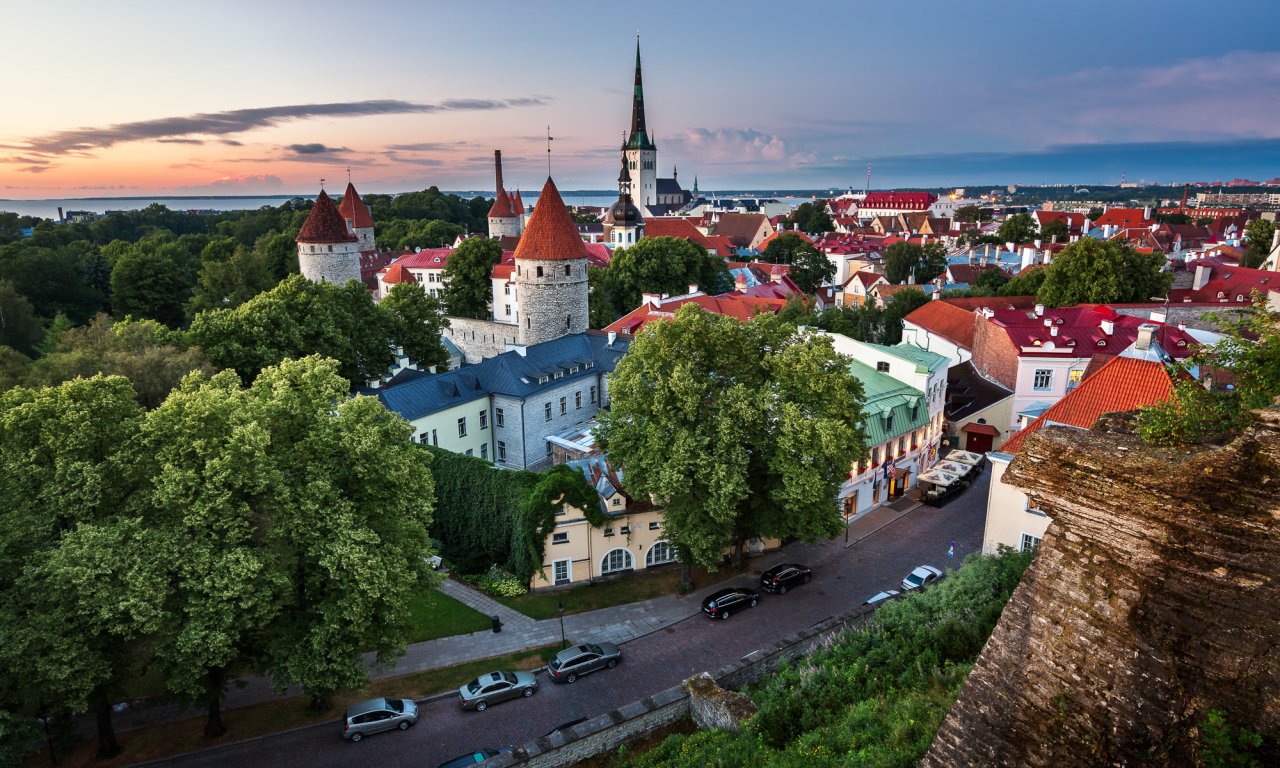
Also in Europe – Schengen: Digital society; startups & IT · ≈ $12k/yr all-in
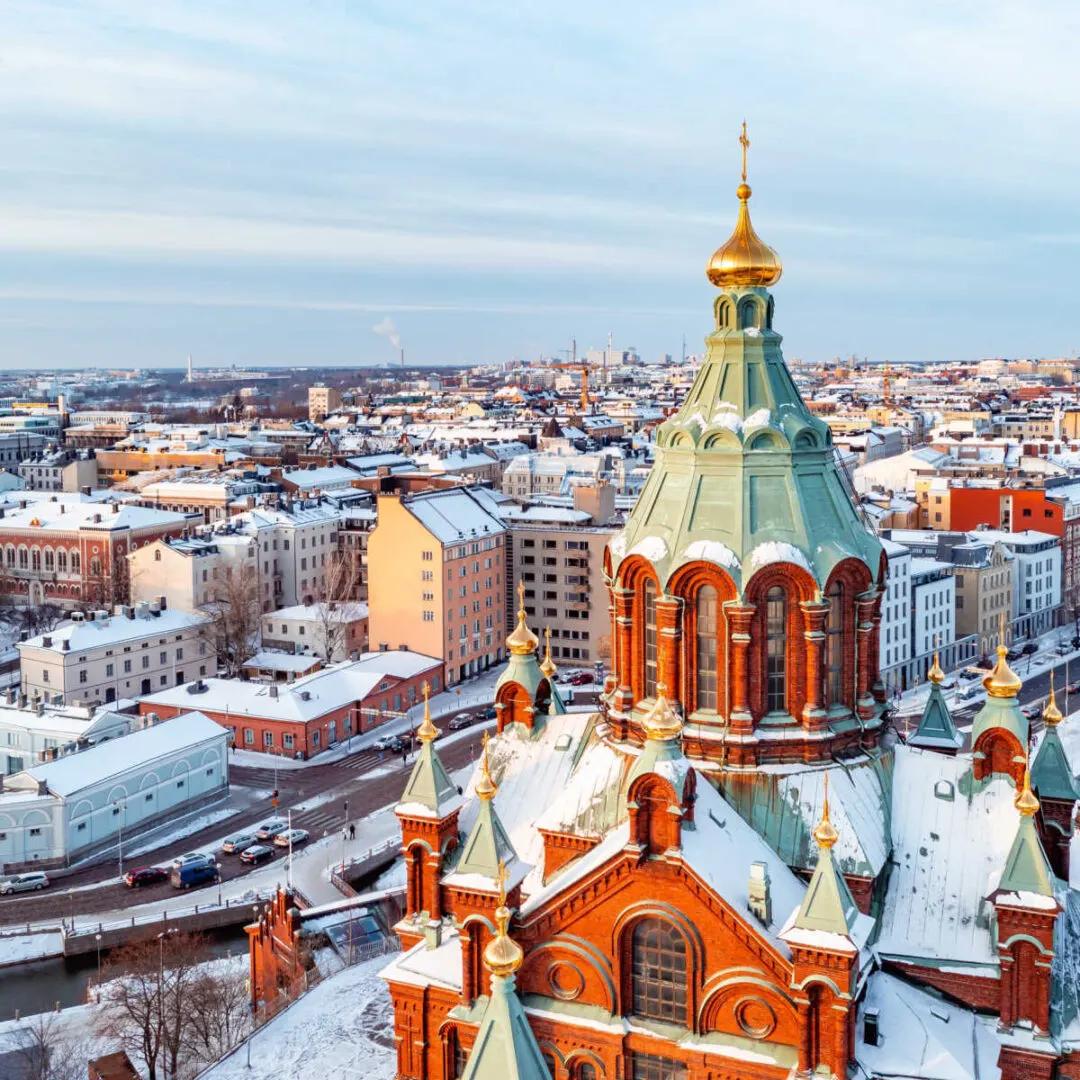
Also in Europe – Schengen: Education, tech, gaming; scholarships common · ≈ $20k/yr all-in
Same budget (Near-Free), different map: Research universities; Portuguese pathway · Tuition $0 at federal publics · living ≈ $7k/yr
The aspirational step-up: Top-100 universities; post-study work focus · ≈ $38k/yr all-in
The Chinese Government Scholarship (CSC) and hundreds of university & provincial awards can cover your tuition, dormitory and a monthly living stipend — at universities like Tsinghua, Peking, Fudan and Zhejiang that climb the world rankings every year. English-taught MBBS, engineering and business included. The catch? Deadlines come early and files must be flawless. That’s our job.
Before you read another word, press play. This narrated briefing makes the honest, complete case for China — the real costs, the scholarships, the work rights after graduation, and the exact route from Pakistan — in about four minutes.
What if your entire degree, tuition, hostel, plus a monthly living stipend, cost you and your family absolutely nothing? Not a loan. Not a discount. A full scholarship from the Chinese government. This is real, it is called the CSC scholarship, and thousands of Pakistani students win it every year. Give me four minutes and I will show you how you could be next.
When I tell parents in Karachi, Lahore, Islamabad that China pays for everything, they don't believe me. Full tuition? Free dormitory? A monthly stipend for food and expenses? It sounds too good to be true, because in most countries, it is. But China has made a national decision to educate the world's talent, and Pakistan is one of its closest partners. While others fight for partial discounts, our students are flying to Beijing and Shanghai with everything covered.
Picture this. You, on a stunning modern campus in Shanghai or Wuhan, studying your bachelors, masters, or even PhD, fully in English, living in an international student dormitory, receiving your stipend every month. Weekends, you ride the bullet train at three hundred kilometres an hour. You are learning in the world's second largest economy, building a network across Asia, and your family back home paid nothing for it. That is the CSC life, and it is waiting.
The case for China is overwhelming. One: the CSC full scholarship covers tuition, accommodation, and a monthly stipend, plus there are provincial and university scholarships as backups. Two: no IELTS required, and thousands of English taught programs, you don't need Chinese to start. Three: Chinese universities are climbing global rankings every year, Tsinghua, Peking, Zhejiang, Fudan, names employers respect worldwide. Four: living costs are low, and part time rules for students keep improving. Five: you graduate with Mandarin exposure and Asia connections, a career superpower for the next thirty years.
We are Hexagon Nurture International, based in Karachi, and the Chinese scholarship system is our home turf. Supervisor outreach, research proposals, acceptance letters, the CSC portal, medical and police documentation, university selection across all three CSC categories, we have done it hundreds of times. We don't just file your application, we engineer it to win. From profile building to the final visa, one expert team.
Your doubts, answered straight. Will I survive without Chinese? Your program is in English, and daily life runs fine on translation apps while you learn basics. The food? Every major campus has halal canteens and Pakistani student communities everywhere. Is a Chinese degree valued? Rankings, research output, and employer demand say yes, and rising fast. Is it safe? Chinese campuses are among the safest in the world. The real risk isn't going, it's missing the application window.
Here is the critical part. The CSC scholarship window opens around December and closes around April, every year, no extensions. Acceptance letters from professors take weeks of proper outreach. Documents need attestation. So here is my offer: a free counselling session where we assess your scholarship chances honestly, shortlist the right Chinese universities for your profile, and build your winning timeline. Free. But the clock for this cycle is already ticking.
Click below, book your free counselling, and let's start your China scholarship file today. A year from now, you could be landing in Shanghai with everything paid for. That starts with one click. Hexagon Nurture International. Let's get you to China.
Chinese Government Scholarships (Type A — bilateral, for Pakistan often routed via HEC announcements; Type B — directly through universities) can cover full tuition, on-campus accommodation, comprehensive medical insurance and a monthly stipend — typically ¥2,500 (undergraduate), ¥3,000 (master’s) or ¥3,500 (PhD). Competition is real; a precise, early file is how you win it.
China is one of the world’s biggest MBBS destinations for Pakistani students: English-medium programmes at Ministry-of-Education-listed universities, modern teaching hospitals and fees far below Western medical schools. We check PMC recognition status per university — before you apply, in writing.
Robotics, AI, civil mega-projects, EVs, telecom — study inside the economy building them. English-taught engineering and business programmes are widespread, many scholarship students first complete a funded Chinese-language year, and a China degree plus CPEC-era links is a career story employers in Pakistan understand instantly.
MBBS / Clinical MedicineCivil & Mechanical EngineeringComputer Science & AIElectrical & TelecomBusiness & International TradeDentistryPharmacyChinese Language + DegreeAeronautical EngineeringPublic Health
| Route | Guide figure | What to know |
|---|---|---|
| Full CSC scholarship | Tuition + dorm covered, stipend ¥2,500–3,500/mo | You still budget for flights, visa, medical exam & personal costs |
| Partial / university scholarships | 25–100% tuition waivers common | Provincial & university awards fill the gap when CSC doesn’t land |
| Self-funded tuition | ≈ ¥14,000–¥50,000 / year | MBBS and top-city flagships sit at the higher end; many solid universities cost less |
| Living costs | ≈ ¥2,000–¥3,500 / month | Beijing & Shanghai cost most; dorm living keeps budgets lean elsewhere |
Comparing countries on cost? See how Argentina compares — full cost guide or scan every option in the Study Abroad for Almost Free budget hub.
Part-time work for international students is restricted — never build your budget on it. Post-study work permits exist for strong graduates, especially master’s+ in major cities, but China is not a guaranteed stay-back route: choose it for the degree and the scholarship, with a career plan for Pakistan, the Gulf or beyond. We’ll say this in your session too — before you pay anything.
Passport & attested transcripts (IBCC/HEC) → Foreigner Physical Examination form → university/CSC application (Campuschina portal for CSC) → JW201/JW202 form with your admission → X1 visa → residence permit within 30 days of arrival. One missed document stalls the whole chain — we run it as a checklist with dates.
We grade your profile against CSC Type A (HEC route), Type B and provincial awards, then build an application stack — ambitious, realistic, safe — across several universities.
Attestations, medical form, study plan and recommendation letters prepared to CSC standard and submitted inside the Dec–Apr window — not in the final-week rush.
Admission + JW201/202 verified, X1 visa filed, dorm and registration steps briefed so your first week in China is admin-free.
Not for English-taught programmes — no HSK is required. Many CSC awards for Chinese-taught degrees include a funded preparatory language year. Either way, basic Mandarin transforms daily life and internships, and universities provide courses.
Only if the university is on the current recognised list and you clear the licensing process on return (NLE under current PMC rules). Lists change — we verify your exact university against the latest position in your free session before any application fee is spent.
CSC is competitive and grades matter most, then the quality of your study plan and file completeness. Strong FSc/pre-medical and bachelor’s results compete well; average profiles should stack provincial and university scholarships alongside. We’ll give you an honest tier-by-tier read, not a sales pitch.
CSC applications typically run December to April for the September intake, and HEC’s bilateral announcements have their own earlier deadlines. If you’re reading this in autumn, you are right on time — if it’s spring, we target the next window plus March-intake options where they exist.
Still weighing it up? Browse the East Asia region hub or the Study Abroad for Almost Free budget hub to compare China against its closest alternatives.
Four honest alternatives drawn from the East Asia region hub, the Near-Free budget tier and the premium step-up shelf — each with the reason it belongs on your shortlist.
English-taught option: Top-50 universities in English; IANG 2-year stay · ≈ $30k/yr all-in
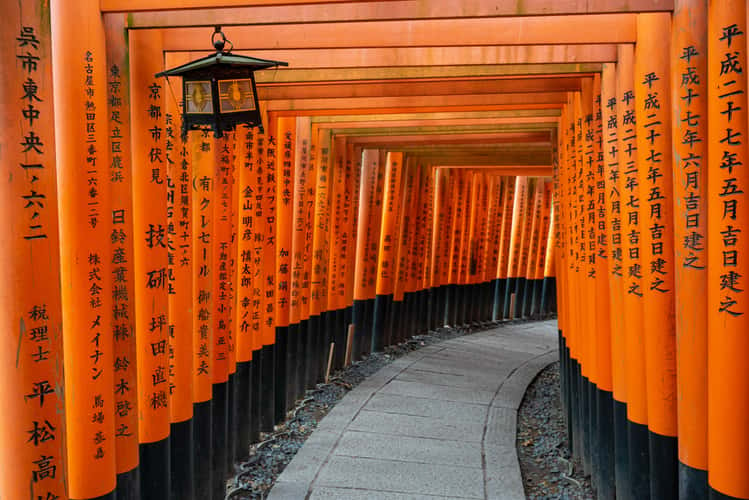
Also in East Asia: Tech, robotics; MEXT scholarships; language pathway · ≈ $12k/yr all-in
Same budget (Near-Free), different map: Medicine, design, engineering; regional scholarships exist · Fees from ≈ €0 (income-based) · living ≈ $10k/yr
The aspirational step-up: Largest choice; scholarships & STEM-OPT strategy · ≈ $45k/yr all-in
Over 4,000 universities, a million international students, and the strongest graduate outcomes on earth — if you play it strategically. The secret isn’t applying to the most famous names. It’s applying where your profile is above average, because that’s where the merit money, assistantships and admit letters live. That targeting is exactly what we do.
Before you read another word, press play. This narrated briefing makes the honest, complete case for the USA — the real costs, the scholarships, the work rights after graduation, and the exact route from Pakistan — in about four minutes.
Let's be honest about something. When the world's biggest companies hire, when breakthrough research happens, when fortunes are built, one country's universities sit at the centre of it all. The United States. If you want the highest career ceiling on the planet, this is where it is built. Give me four minutes, and I will show you the real, funded path for Pakistani students, not the fantasy, the strategy.
You have heard the number, fifty, sixty thousand dollars a year, and closed the tab. Here is what the agents won't tell you: almost nobody smart pays sticker price. Teaching assistantships. Research assistantships. Graduate funding that wipes out tuition and pays you a monthly stipend. Strategic university selection across affordable states. Community college transfer pathways. The students who win in America are not the richest, they are the best guided. The price is real, but so is the funding, if you know where to look.
Picture it. You, on a sprawling American campus, working in a research lab, interning at a company whose name opens doors worldwide. You graduate, and America gives you twelve months of OPT work authorization, twenty four more if you are in STEM, that is three years of US work experience on your resume. Your network spans the globe. Your earning potential multiplies. This is the American premium, and it compounds for the rest of your life.
Why America, clearly. One: the deepest bench of top ranked universities in every field imaginable. Two: the most generous graduate funding system on earth, assistantships that cover tuition plus stipend, especially for masters and PhD students. Three: OPT and STEM OPT, up to three years of post study work rights. Four: the largest, most established Pakistani diaspora of any Western country, community from day one. Five: the H one B and employment based residency routes reward US graduates. No other country offers this combination of prestige, funding, and career scale.
We are Hexagon Nurture International, based in Karachi, serving students across Pakistan and beyond. Our US practice is built around one thing: funded admits. Professor outreach for research positions. SOPs written to win assistantships. University lists balanced between ambition and affordability. Visa interview preparation so rigorous that our students walk in calm and walk out approved. F one visa filing, SEVIS, financial documentation, mock interviews, pre departure, one team, start to finish.
The hard questions, answered honestly. The visa interview scares me? It should be taken seriously, not feared, our mock preparation makes it a conversation you control. What if I can't afford it? Then we don't apply to universities you can't afford, we build a funded strategy or we don't go, honesty first. Isn't it too competitive? For the unprepared, yes. For a student with a engineered application, American universities admit thousands of Pakistanis every year. Be one of the prepared ones.
Timing is everything. US intakes run Fall and Spring, and here is the secret: assistantships and funding go to early, complete applications. Late applicants get admission without money. Early applicants get admission with funding. That difference is worth tens of thousands of dollars. So here is my offer: a free counselling session where we assess your funding potential honestly and map your US strategy. Free. But every week you wait, someone else takes your assistantship.
Click below, book your free counselling, and let's start your USA file today. A funded American degree is not a lottery ticket, it is a strategy, and strategies need to start now. Hexagon Nurture International. Let's get you to America.
Merit scholarships reward students who are stars at that university. Graduate applicants add RA/TA assistantships that can cut tuition drastically and pay a stipend. Our shortlists blend reach, match and funding-likely universities across public flagships, strong regionals and generous privates — so your offer letters come with money attached.
F-1 graduates typically get 12 months of Optional Practical Training — real US employment in your field. STEM-designated programmes add a 24-month extension: up to 3 years of American work experience, employer networks and H-1B lottery entries (never guaranteed, always planned for honestly).
Ivy ambitions? Funded PhD dreams? Average marks and a mid-range budget? The US system has a legitimate door for each: direct entry, honours colleges, 2+2 community-college transfers, and graduate programmes that weigh experience. We find your door — then prepare you to walk through the interview.
Computer Science & AIData Science & AnalyticsBusiness & MBAElectrical & Computer EngineeringCybersecurityPublic HealthBiomedical EngineeringFinanceSupply ChainNursing & Health Professions
| University type | Tuition guide / year | Who it suits |
|---|---|---|
| Community colleges (2+2) | ≈ $8,000–$15,000 | Budget-smart starters: two years here, transfer to a university bachelor’s |
| Public universities | ≈ $20,000–$40,000 | The sweet spot for most: flagship research, big alumni networks, merit aid for strong profiles |
| Private universities | ≈ $35,000–$60,000+ | Top brands & small classes — apply where their merit money meets your profile |
| Living costs | ≈ $10,000–$20,000 / year | Midwest & South far cheaper than coastal metros; city choice is a budget decision |
Comparing countries on cost? See how Australia compares — full cost guide or scan every option in the Premium: World Elite budget hub.
Budget additionally for application fees, SEVIS and visa fees, credential evaluation where required, and your flight. Your written plan itemises all of it — no surprise costs later.
Most refusals happen in a two-minute conversation: unclear finances, a course choice that doesn’t add up, weak ties logic. We run mock F-1 interviews until your answers are short, consistent and true — and your documents tell the same story your mouth does.
Fall (August) carries the most seats, scholarships and assistantships — apply by the winter before. Spring (January) is a genuine second window with less competition for some programmes. We build your calendar backwards from funding deadlines, not application deadlines.
Profile audit (grades, tests, budget), then a reach/match/funding-likely university list with scholarship and assistantship notes per school.
Essays & SOP that connect your past to your programme, LORs briefed properly, financial documents prepared to embassy standard from day one.
SEVIS & DS-160 done carefully, mock interviews until calm, then pre-departure: housing, insurance, banking and your first-week plan.
Yes — at the right universities. Merit aid follows relative strength: an above-average profile at a strong public or mid-tier private university often wins more money than a long-shot application to a famous name. Full rides are rare and we’ll never promise one; partial funding that changes your total cost is a realistic, plan-able target.
F-1 students can work on campus up to 20 hours/week in term; Curricular Practical Training (CPT) can authorise internships tied to your programme. Off-campus work outside these routes isn’t permitted — budget without it.
We debrief the refusal reasons, fix what’s fixable (finances story, course logic, ties) and re-prepare — many students succeed on a second, better-built attempt. What we won’t do is send you back with the same file and hope.
Often not: many universities are test-optional for SAT, and GRE/GMAT waivers are widespread for master’s programmes — though strong scores still strengthen funding cases. Your shortlist states, per university, exactly which tests earn their keep.
Still weighing it up? Browse the North America region hub or the Premium: World Elite budget hub to compare USA against its closest alternatives.
Four honest alternatives drawn from the North America region hub, the Premium budget tier and the premium step-up shelf — each with the reason it belongs on your shortlist.
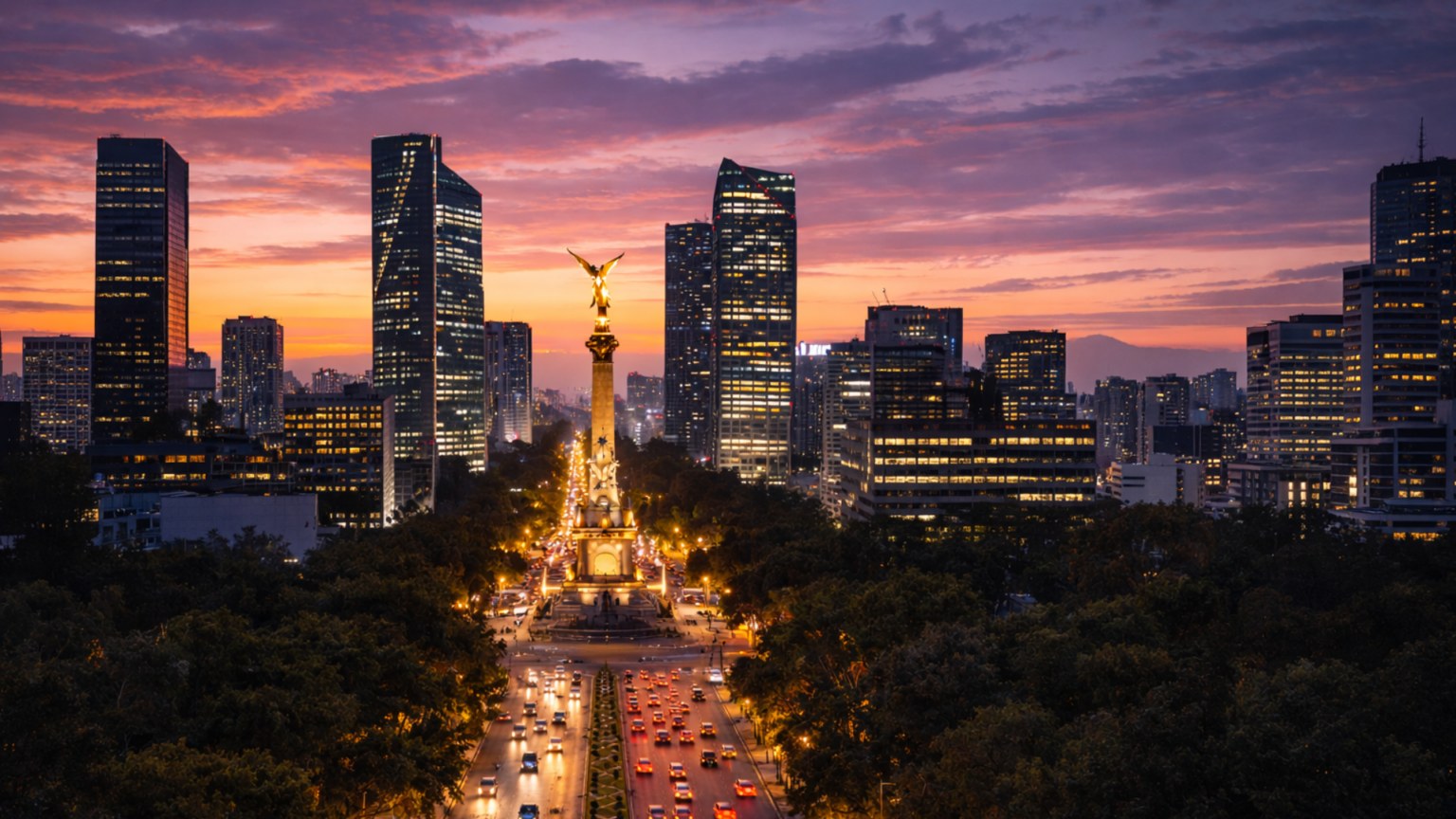
Cheaper alternative: Emerging affordable option; Spanish advantage · ≈ $12k/yr all-in (public route)
Also in North America: PGWP & PR-pathway planning; public colleges + universities · ≈ $35k/yr all-in

Same budget (Premium), different map: Geothermal, environment, small cohorts · Tuition €0 · living ≈ $25k/yr
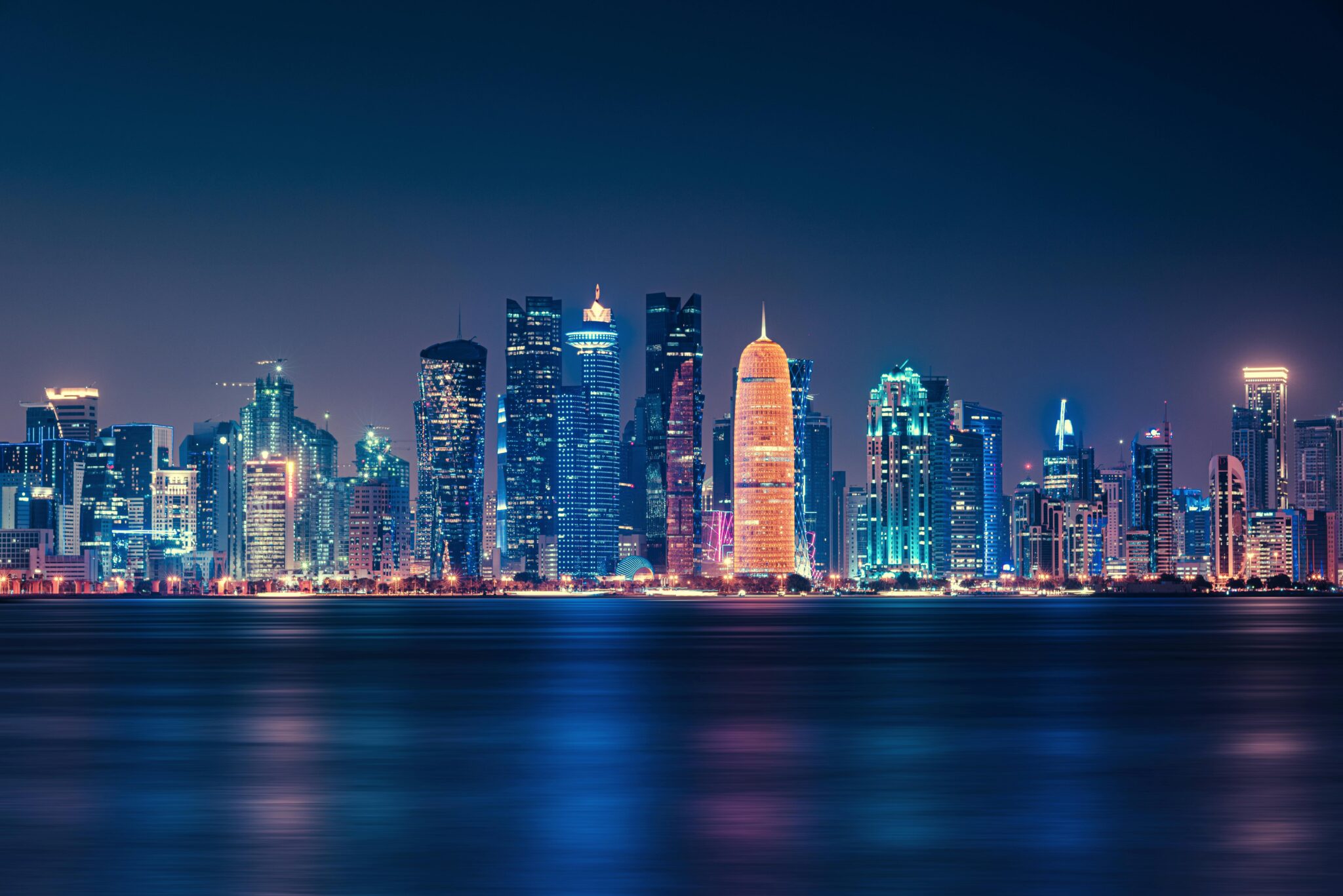
The aspirational step-up: Education City branch campuses; HBKU & QU scholarships · Education City · aid can cut costs deeply
All eight of New Zealand’s universities sit in the global top 500. Graduates of degree-level programmes can stay and work for up to three years, in-demand careers sit on a Green List built for residence, and student life runs at human speed — safe cities, small classes, nature on your doorstep. If quality of life ranks alongside rankings for you, this is your page.
Before you read another word, press play. This narrated briefing makes the honest, complete case for New Zealand — the real costs, the scholarships, the work rights after graduation, and the exact route from Pakistan — in about four minutes.
Most countries make you beg to stay after graduation. New Zealand does the opposite. It hands you up to three years of post study work rights and points you toward residence. If your goal is not just a degree but a life, listen for four minutes, because this might be the most honest deal in international education.
Here is the mistake thousands of Pakistani families make. They pay for a degree abroad, the student graduates, and then, no work rights, no pathway, come home. An expensive souvenir. The degree matters, but what happens after the degree matters more. New Zealand built its entire system around the after. Study, work for up to three years, and a genuine, points based path to residence. Not a loophole. The design.
Picture it. You, finishing your degree in Auckland or Wellington, among the most liveable cities on earth. Safe streets, stunning nature, a society that welcomes newcomers. You are not packing your bags, you are starting your career, on a post study work visa, earning in dollars, building toward residence. Your parents visit and see the life they dreamed for you. This is the New Zealand promise, and it is written into policy.
The case, point by point. One: up to three years of post study work rights for degree graduates, among the most generous in the world. Two: a transparent, points based residence system, with a Green List fast track for in demand professions like engineering, IT, healthcare, and teaching. Three: total costs well below the US, UK, and Australia. Four: a straightforward, honest student visa process, no tricks, no traps. Five: consistently ranked among the world's safest, least corrupt countries. For families who value security and a real future, nothing beats it.
We are Hexagon Nurture International, based in Karachi, guiding students from across Pakistan and beyond. New Zealand rewards genuine students with clean documentation, and that is exactly what we build. University and program selection matched to the Green List and your profile. Funds and financial proof done right. Visa filing to Immigration New Zealand standards. And a post study plan from day one, because your residence journey starts the day you land, not the day you graduate.
The objections, reframed. Isn't it too far? A direct flight path your family can actually visit on, and video calls make everywhere close. Isn't it too small? Small means uncrowded universities, personal attention, and less competition for the jobs on the Green List. Isn't it too quiet? Quiet means safe, focused, and the adventure capital of the world is in your backyard. Are there jobs? The Green List exists because New Zealand has skill shortages with your name on them.
New Zealand's main intakes are February and July, and visa processing takes real weeks, not days. Universities fill programs, and late applications get pushed a full semester. So here is my offer: a free counselling session where we map your profile to New Zealand universities, check your Green List alignment, and build your timeline backwards from the intake. Free, no obligation. But the intake clock is already running.
Click below, book your free counselling, and let's start your New Zealand file today. A degree, a career, and a future in one of the world's finest countries, that starts with one click. Hexagon Nurture International. Let's get you to New Zealand.
Auckland, Otago, Victoria University of Wellington, Canterbury, Massey, Waikato, Lincoln and AUT — all eight rank in the world’s top 500, in a system small enough that teaching quality is personal. No “bad list” gambles: wherever you land, the degree carries weight.
Degree-level graduates can receive a post-study work visa of up to three years, open to any employer. Choose a field on the Green List — health, engineering, IT, construction, teaching and more — and your study choice connects directly to residence pathways. We align course, level and city with that list before you apply.
Consistently among the world’s safest and least corrupt countries, with a large, established Pakistani & Muslim community, halal food in every main city, and weekends that look like travel brochures. Students don’t just graduate from New Zealand — they recharge there.
Information Technology & SoftwareNursing & Health SciencesCivil & Structural EngineeringConstruction ManagementTeaching (ECE & Secondary)Agriculture & Food ScienceData ScienceBusiness & Supply ChainEnvironmental ScienceHospitality & Tourism
| Item | Guide figure | What to know |
|---|---|---|
| Tuition — bachelor’s / master’s | NZ$28,000–$45,000 / year | Health, engineering & lab-based programmes at the top; PhDs often pay domestic-level fees (see below) |
| PhD tuition | ≈ NZ$6,500–$9,000 / year | International PhD students typically pay NZ domestic fees — one of the world’s best research deals |
| Living costs | NZ$20,000–$27,000 / year | INZ requires proof of NZ$20,000/year; Auckland costs most, Dunedin/Christchurch/Hamilton less |
| Scholarships | NZ$5,000–$15,000 typical awards | University international-excellence awards + Manaaki NZ Scholarships for eligible applicants; we check both |
Comparing countries on cost? See how Australia compares — full cost guide or scan every option in the Premium: World Elite budget hub.
Partners of many postgraduate students can apply for work visas, and dependent children may study at domestic rates in some cases — rules depend on your programme level and field. If family is part of your plan, tell us in session one; it changes which course we recommend.
Immigration New Zealand wants genuine intent, clear funds (tuition + NZ$20,000/year living, held and sourced properly) and a study plan that makes sense. Funds Transfer Scheme and documentation details matter — we prepare the file the way INZ assesses it.
We match your background to courses that serve both your career and NZ’s skills lists — university, level and city chosen deliberately, scholarships checked.
Offer letter secured; tuition and living funds documented with clean sources and history — the part of the file INZ scrutinises hardest.
Student visa filed, medicals & police certificates in order, then arrival briefing: IRD number, bank, housing and your first fortnight sorted.
Typically IELTS 6.0 (bachelor’s) to 6.5 (master’s), with PTE and TOEFL accepted by all universities — exact bands vary by programme, and health/teaching courses ask more. Your shortlist lists the real requirement per course, plus foundation pathways if you’re just short.
No — and anyone promising it is selling something. What’s true: a 3-year open work visa plus a Green-List-aligned job is one of the clearest study-to-residence routes in the world. We plan your course choice around maximising that pathway, honestly.
Australia offers more universities, bigger cities and higher costs; NZ offers smaller classes, calmer cities, the PhD fee advantage and a very direct work/residence story. Bring your budget and priorities to the free session and we’ll compare both on one page, in numbers.
February and July are the main university intakes, with some programmes adding November/start dates. Scholarship and visa timelines mean starting 8–10 months ahead gets you the best course and city choice.
Still weighing it up? Browse the Oceania region hub or the Premium: World Elite budget hub to compare New Zealand against its closest alternatives.
Four honest alternatives drawn from the Oceania region hub, the Premium budget tier and the premium step-up shelf — each with the reason it belongs on your shortlist.
Also in Oceania: Top-100 universities; post-study work focus · ≈ $38k/yr all-in
Same budget (Premium), different map: Branch campuses; Dubai/Abu Dhabi hubs · ≈ $26k/yr all-in
The aspirational step-up: Geothermal, environment, small cohorts · Tuition €0 · living ≈ $25k/yr
Same budget (Premium), different map: 1-year master's; Graduate Route; every field · ≈ $38k/yr all-in
One year of tuition instead of two. That single fact makes the UK the smartest premium buy in study abroad: world-top universities, a Graduate Route that lets you work for two years after your degree, and one of the largest Pakistani communities anywhere — so you’ll feel at home from week one. The catch is the visa file: funds must sit untouched for 28 days, and your story must be credible. We build both, properly.
The complete, honest case for the UK — the real costs, the scholarships, the Graduate Route, and the exact route from Pakistan — in one short narrated briefing.
The UK video briefing is in production
The narrated 4-minute briefing for the UK lands in this slot very soon. Until then, get the exact same briefing — live, personal, and free — from a counsellor who will map it to your grades and budget.
A UK master’s packs two years of study into 12 intense months: one year of tuition, one year of rent — and you enter the job market a full year before friends who chose two-year programmes elsewhere. On a family budget, that difference is everything.
Oxford, Cambridge, Imperial and UCL sit at the very top of world rankings — but the UK’s strength is depth: dozens of excellent universities where a strong Pakistani profile is welcomed, funded with bursaries, and taught in classes that stay employable.
The Graduate Route gives eligible graduates two years of unsponsored UK work (three for PhDs) — long enough to build the experience and employer relationships that can lead to a Skilled Worker visa. We choose courses and cities with that endgame in mind.
London is iconic — and expensive. Manchester, Leeds, Birmingham, Glasgow and Newcastle offer top universities, huge student life and rents that can be hundreds of pounds lower per month. We run the city maths with you before a single application is filed.
Britain’s Pakistani community is one of the largest in the world: halal food on every high street, mosques in every student city, and seniors from your own hometown at most universities. Parents sleep better; students settle faster.
Missed September? January intakes run across hundreds of courses — plus fast, honest admissions decisions compared with many countries. A late start rarely means a lost year when the UK is your target.
Business & ManagementComputer Science & AIData ScienceEngineeringLawFinance & AccountingNursing & HealthcarePublic HealthCybersecurityMedia & Marketing
| Item | Guide figure | What to know |
|---|---|---|
| Tuition — bachelor’s | ≈ £11,000–£22,000 / year | Classroom courses cost least; lab, clinical & top-brand programmes sit higher |
| Tuition — master’s | ≈ £13,000–£28,000 total | One year only — compare totals, not yearly figures, against other countries |
| Living-cost proof (UKVI) | ≈ £1,136/mo outside London · ≈ £1,483/mo in London, × 9 months | Official maintenance figures — we confirm the current rates for your intake |
| Funds rule | Tuition balance + living, held 28 consecutive days | The #1 avoidable refusal cause. We start your 28-day clock backwards from your CAS date |
Comparing countries on cost? See how Australia compares — full cost guide or scan every option in the Premium: World Elite budget hub.
Chevening (fully funded master’s, highly competitive), Commonwealth Scholarships, and GREAT Scholarships — Pakistan is an eligible country — anchor the government routes. On top, most universities award automatic bursaries of roughly £1,000–£5,000 for strong Pakistani profiles. Our shortlists chase the combination that cuts your total bill most.
Graduate Route: 2 years for bachelor’s/master’s graduates, 3 for PhDs — unsponsored, any job, any city. Then the Skilled Worker route for those with a licensed sponsor. Honest notes: dependants are now restricted for most taught courses under current rules, and Graduate Route holders can’t extend it — so we plan your course, city and career timeline from day one.
Profile audit, then a university list balanced on ranking, total cost and Graduate-Route career logic — London vs. the great-value northern cities compared in writing.
Deposit paid, finances seasoned for exactly 28+ days in the right account, CAS issued against a file that already looks like a visa approval.
TB test, IHS surcharge, and mock credibility interviews until your answers about course, funds and future plans are short, consistent and true.
Run the total, not the headline: a 1-year master’s outside London, with a £2,000–£5,000 bursary, can cost less overall than a 2-year programme in a “cheaper” country. If the total still doesn’t fit, we’ll tell you honestly and pivot you to Germany, Italy or Malaysia routes — in the same free session.
Many universities accept PTE, Duolingo or a Medium-of-Instruction letter for admission — but UKVI visa rules and university CAS policies vary by level and institution. Your shortlist states, per university, exactly which proof is accepted for both admission and the visa, so there are no surprises at CAS stage.
For genuine students with clean funds, refusal is uncommon — most refusals trace back to the 28-day rule being broken, funds that don’t match the story, or weak credibility answers. We engineer all three out of your file before it is ever submitted.
Under current rules, dependants are largely limited to research-based postgraduate students (e.g. PhDs) and certain government-sponsored routes — most taught master’s students cannot bring dependants. Rules change; we confirm the position for your exact course before you commit any money.
Yes — typically up to 20 hours per week in term time and full-time in vacations on a student visa. It helps with living costs in northern cities; in London, budget as if it only partly helps.
Still weighing it up? Browse the Europe – Beyond Schengen region hub or the Premium: World Elite budget hub to compare United Kingdom against its closest alternatives.
Four honest alternatives drawn from the Europe – Beyond Schengen region hub, the Premium budget tier and the premium step-up shelf — each with the reason it belongs on your shortlist.
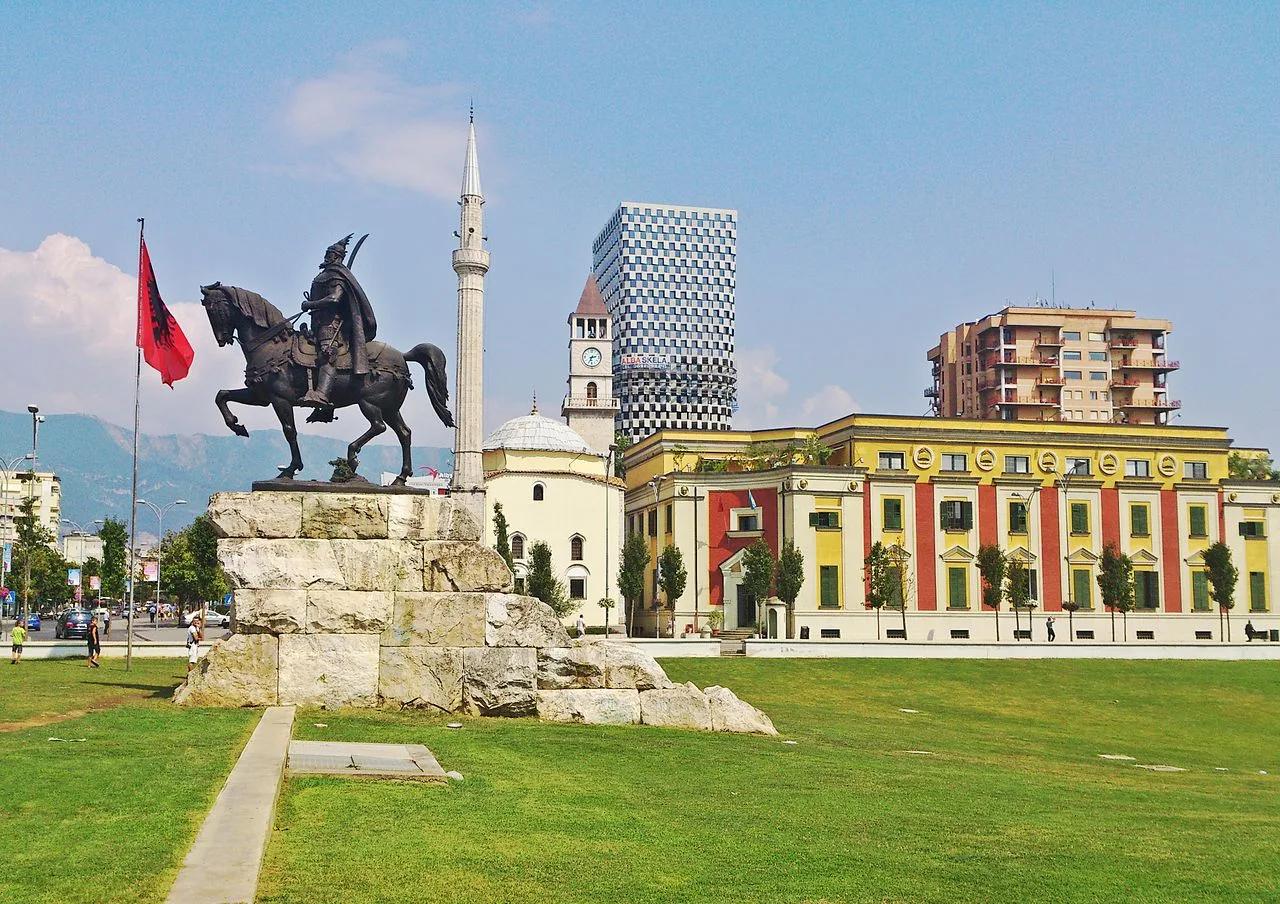
Cheaper alternative: Emerging, low-cost English-taught study · ≈ $9k/yr all-in
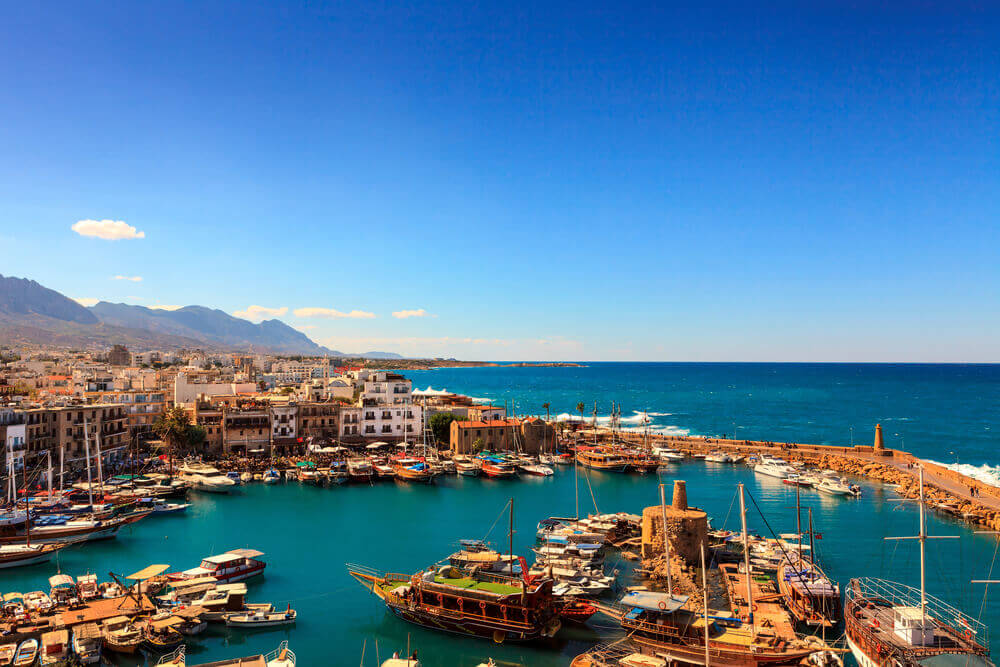
Cheaper alternative: Notably affordable English-taught degrees · ≈ $9k/yr all-in
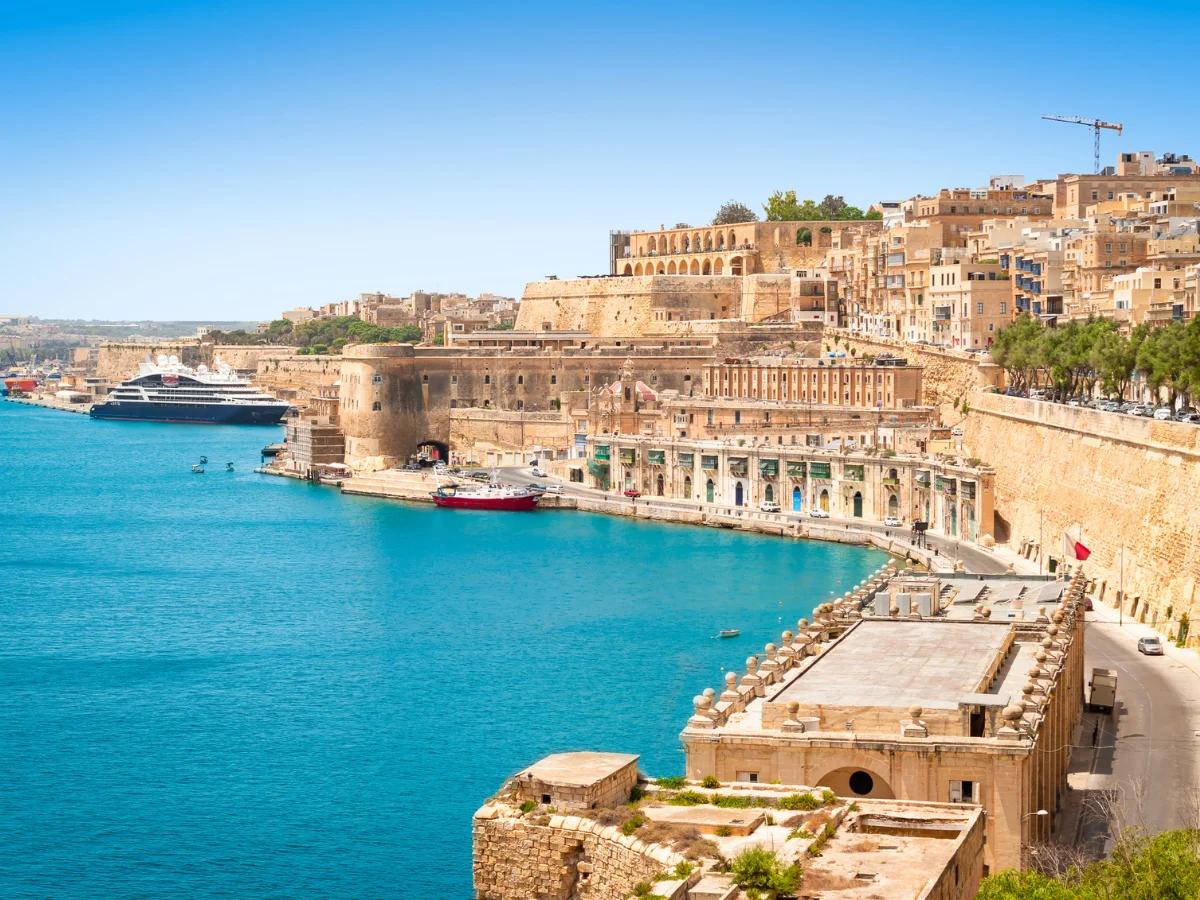
Same budget (Premium), different map: English-speaking EU island; gaming & business · ≈ $23k/yr all-in
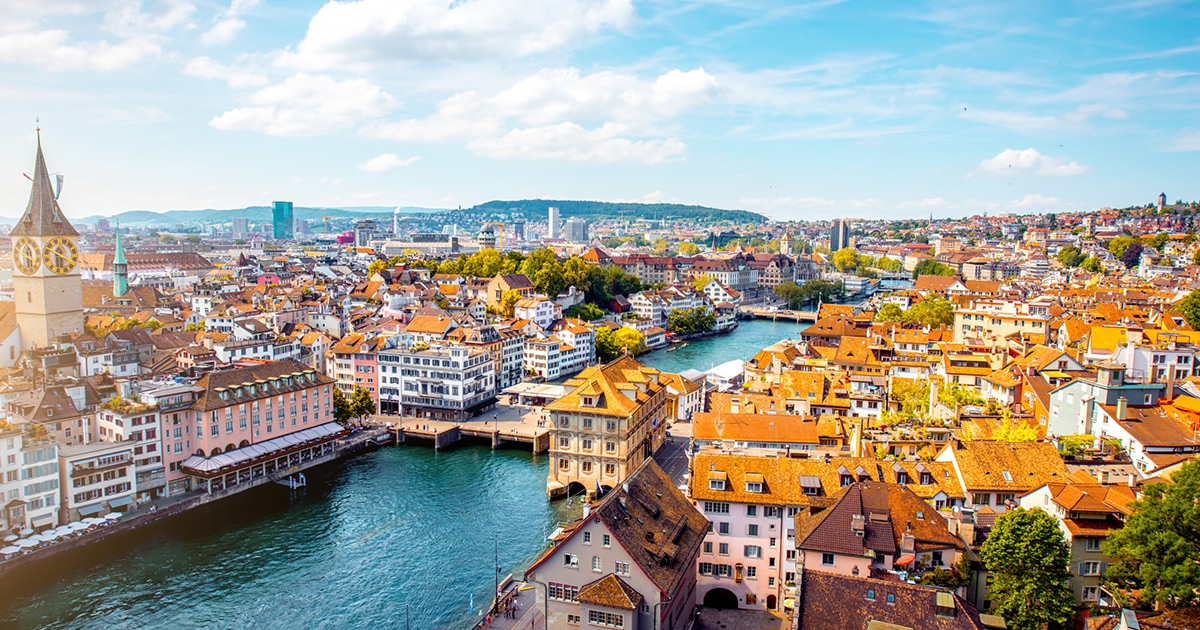
The aspirational step-up: Hospitality, finance, pharma; premium living costs · ≈ $29k/yr all-in
Canada is the country Pakistani families choose when the goal isn’t just a degree — it’s a future. A Post-Graduation Work Permit of up to three years, paid co-op terms inside many programmes, and immigration pathways (Express Entry & provincial nominations) that actually reward Canadian study and work. The rules tightened recently — caps, field-of-study conditions, stricter funds — which makes choosing the right programme in the right province more valuable than ever. That planning is our job.
The complete, honest case for Canada — the real costs, the PGWP rules, the PR planning, and the exact route from Pakistan — in one short narrated briefing.
The Canada video briefing is in production
The narrated 4-minute briefing for Canada lands in this slot very soon. Until then, get the exact same briefing — live, personal, and free — from a counsellor who will map it to your grades and budget.
Canadian degree/diploma → PGWP work experience → Canadian Experience Class & Provincial Nominee points. No other major destination connects study to permanent residence this transparently — but programme, province and field choices made at 18 decide your odds at 24. We choose with the endgame open on the table.
The PGWP lets eligible graduates work for any employer for up to three years. Add co-op terms — paid, degree-related placements built into many college and university programmes — and you can graduate with a Canadian CV, Canadian references and money earned along the way.
Public colleges offer lower fees, applied skills and strong regional job markets; universities offer rankings and research depth. Since recent rule changes, some college programmes carry extra PGWP conditions — we verify your exact programme’s current eligibility before you apply, never after.
Canada consistently ranks among the world’s most peaceful, multicultural countries, with large Pakistani communities in the GTA, Vancouver, Calgary and beyond — halal food, mosques and community support in every major student city.
French speakers earn serious extra immigration points, and French-language or bilingual programmes can open dedicated PR pathways. Even starting French now can change your family’s long-term maths — we’ll show you how it fits your timeline.
Toronto and Vancouver are pricey; Atlantic Canada, the Prairies and smaller Ontario cities offer lower tuition, lower rent and provincial immigration streams hungry for graduates. Some of the best Canada plans never touch the GTA.
Computer Science & ITData AnalyticsBusiness & Supply ChainEngineering TechnologiesHealthcare & NursingEarly Childhood EducationSkilled TradesHospitalityFinanceCybersecurity
| Item | Guide figure | What to know |
|---|---|---|
| Public college tuition | ≈ CAD 15,000–23,000 / year | Diplomas & certificates; verify current PGWP field-of-study conditions per programme |
| University tuition | ≈ CAD 22,000–45,000 / year | Professional programmes (engineering, business, health) at the top end |
| Living-cost proof | ≈ CAD 20,635 / year | IRCC’s required proof figure, raised in recent years — we confirm the current amount for your intake |
| GIC route | ≈ CAD 20,635 | A Guaranteed Investment Certificate from a participating bank is a clean way to evidence living funds |
Comparing countries on cost? See how Australia compares — full cost guide or scan every option in the Premium: World Elite budget hub.
Canada is not a big-scholarship country for international undergraduates — beware anyone who says otherwise. What exists: university entrance awards (often CAD 1,000–10,000), the ultra-competitive Lester B. Pearson full scholarship at U of T, and Vanier awards for top PhD candidates. Our strategy: win on programme choice and city costs instead of chasing lottery scholarships.
PGWP (up to 3 years) → skilled Canadian work experience → Express Entry’s Canadian Experience Class or a Provincial Nominee stream. Language scores, occupation and province all move your points — we map your likely score trajectory in your free session, in numbers, so the family decides with eyes open.
We align course, institution type and province with PGWP rules and PNP demand — before applications, while every option is still open.
GIC/bank evidence assembled cleanly, and a study-plan SOP that answers the officer’s real questions: why Canada, why this programme, why now, why you’ll comply.
Complete application under the current cap/attestation rules (PAL where required), biometrics scheduled, and pre-departure briefing on work rules and your first month.
No — and run from anyone who guarantees it. What’s true: a Canadian credential plus PGWP work experience puts you inside the points systems (CEC/PNP) with real advantages. Your field, province, language scores and job decide the rest — which is exactly why the plan starts before you apply, not after you graduate.
First-year tuition plus IRCC’s living-cost proof (recently ≈ CAD 20,635 for a single applicant, higher with family members) — evidenced through a GIC and/or bank history with a clear source of funds. We confirm the current figure and structure the evidence in your session.
The classic trio: a study plan that doesn’t make sense for your history, finances that look assembled last-minute, and weak evidence you’ll leave if required. Our SOP and funds preparation are built specifically to close those three gaps.
Most institutions require IELTS/PTE/TOEFL or Duolingo scores for admission, and a solid English score strengthens the permit file. Exact bands differ by programme level — your shortlist lists the real minimums, plus foundation routes if you’re just short.
Rules narrowed recently: spousal open work permits are now mainly tied to master’s/PhD and selected programmes, with conditions. If family plans matter, tell us in session one — it can change which level of programme we recommend.
Still weighing it up? Browse the North America region hub or the Premium: World Elite budget hub to compare Canada against its closest alternatives.
Four honest alternatives drawn from the North America region hub, the Premium budget tier and the premium step-up shelf — each with the reason it belongs on your shortlist.
Also in North America: Largest choice; scholarships & STEM-OPT strategy · ≈ $45k/yr all-in
Cheaper alternative: Emerging affordable option; Spanish advantage · ≈ $12k/yr all-in (public route)
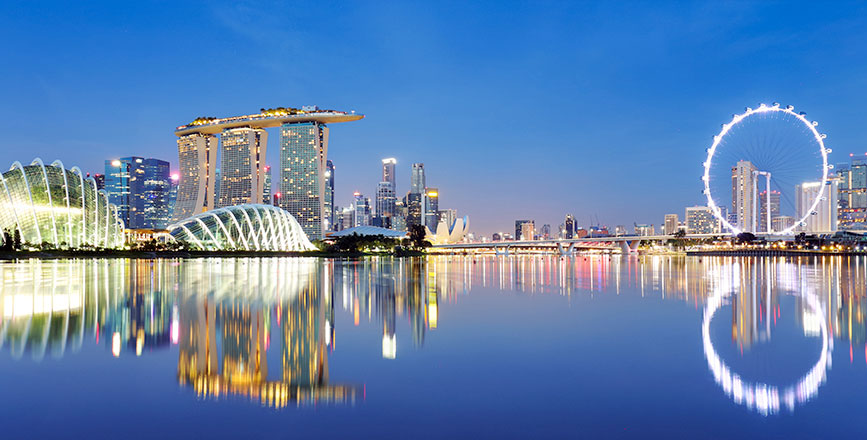
Same budget (Premium), different map: Asia's top-ranked universities; finance & tech · ≈ $28k/yr all-in
The aspirational step-up: Branch campuses; Dubai/Abu Dhabi hubs · ≈ $26k/yr all-in
Six Australian universities sit in the global top 100 and the lifestyle sells itself. But the real story is the system: Australia’s Genuine Student (GS) assessment rewards applicants who can explain why this course, why this university, why now — and post-study work visas of two to three years are built into graduate planning. Build an honest, well-documented file and align your course with Australia’s skills needs, and Australia becomes one of the strongest long-term plays in study abroad.
The complete, honest case for Australia — the real costs, the scholarships, the post-study visa, and the exact route from Pakistan — in one short narrated briefing.
The Australia video briefing is in production
The narrated 4-minute briefing for Australia lands in this slot very soon. Until then, get the exact same briefing — live, personal, and free — from a counsellor who will map it to your grades and budget.
Melbourne, Sydney, UNSW, ANU, Monash, Queensland and UWA give Australia a top-100 bench few countries match — plus strong mid-tier universities where Pakistani profiles win generous merit discounts of 15–30% off fees.
Study in designated regional areas — Adelaide, Perth, Hobart, the Gold Coast and beyond — and you can unlock extra post-study visa time, additional skilled-migration points and serious rent savings. Same country, smarter map. We compare metro vs. regional with real numbers.
The Temporary Graduate (subclass 485) visa lets eligible graduates stay and work — currently around two years for bachelor’s and coursework master’s graduates, three for research degrees (confirm current settings for your qualification). Choose an in-demand field and the stay converts into a career launchpad.
Australia’s GS requirement scares template applicants — and rewards real ones. A file that honestly connects your history, this course and your future plans is exactly what assessors want to read. We write that narrative with you, from evidence, not from a script.
Safe cities, part-time work at some of the world’s highest minimum wages, beaches and sport on weekends, and established Pakistani communities in Sydney, Melbourne, Brisbane and Perth. Parents visit and understand instantly.
February and July are standard, many universities add a third trimester intake — plus diploma and foundation pathways that turn average marks into a top-university degree plan.
Nursing & Health SciencesInformation TechnologyCybersecurityEngineeringConstruction & Project ManagementTeaching & Early ChildhoodBusiness & AccountingData ScienceAgriculture & Food ScienceSocial Work
| Item | Guide figure | What to know |
|---|---|---|
| Tuition — bachelor’s / master’s | ≈ AUD 28,000–48,000 / year | Health, engineering & Go8 brands at the top; merit discounts of 15–30% are common at many universities |
| Diploma / pathway tuition | ≈ AUD 8,000–22,000 / year | VET & pathway colleges — a genuine budget door into degree-level study |
| Living-cost proof | ≈ AUD 29,710 / year | The government’s required proof figure (set in 2024) — confirm the current amount for your lodgement date |
| OSHC health cover | Budget ≈ AUD 500–700 / year | Mandatory for the whole visa — arranged before lodgement |
Comparing countries on cost? See how Canada compares — full cost guide or scan every option in the Premium: World Elite budget hub.
University merit scholarships are the workhorse here: automatic 15–30% fee reductions for strong international profiles at many institutions, plus Destination Australia support for regional study and Australia Awards in eligible rounds. Our shortlists quote fees after the discount you’d actually receive — not the brochure price.
Post-study (485) work time, then skilled migration is points-tested and occupation-driven — no guarantees, but course selection against current skills lists, regional bonuses and strong English scores are all levers we can set at application time. Note: the graduate visa now has an age cap (35 for most applicants) — if you’re in your late 20s or 30s, timing advice matters; ask early.
We align your field with graduate demand and migration lists, then compare metro vs. regional on total cost — scholarship-adjusted, rent included.
A genuine-student statement built from your real history, with funds evidenced and sourced the way assessors expect — no last-minute mystery deposits.
Subclass 500 lodged complete (CoE, OSHC, health exam), then pre-departure: TFN, banking, housing and your first-fortnight checklist.
GS isn’t an exam — it’s your written case: why this course, this university, this country, and how it advances your real future. Students with honest, evidence-backed answers do well; copy-paste statements don’t. We draft yours from your actual grades, work and goals, and stress-test it before lodgement.
Typically first-year tuition plus the official living figure (≈ AUD 29,710) plus travel/OSHC — shown through bank balances and, where needed, acceptable income evidence with a clear source story. Amounts and evidence rules shift; your session confirms the current requirement for your family’s situation.
Both are widely accepted. University entry commonly needs IELTS 6.0–6.5 equivalent (higher for nursing/teaching), and the visa itself has a minimum English threshold. If you’re close but short, packaged pathway programmes can bridge the gap — we’ll map the exact route.
Student visa holders can generally work up to 48 hours per fortnight in term (unlimited in scheduled breaks). At Australian wages that meaningfully offsets living costs — but never budget it against tuition. Your plan must stand on family funds alone; earnings are the bonus.
No. Skilled migration is points-tested and lists change. What we can do — and do — is stack the controllable factors in your favour from day one: occupation-aligned course, regional study bonuses, top English scores and skilled work during your 485 period.
Still weighing it up? Browse the Oceania region hub or the Premium: World Elite budget hub to compare Australia against its closest alternatives.
Four honest alternatives drawn from the Oceania region hub, the Premium budget tier and the premium step-up shelf — each with the reason it belongs on your shortlist.
Also in Oceania: Quality + lifestyle; Green List aligned courses · ≈ $32k/yr all-in
Same budget (Premium), different map: Geothermal, environment, small cohorts · Tuition €0 · living ≈ $25k/yr
The aspirational step-up: English-speaking EU island; gaming & business · ≈ $23k/yr all-in
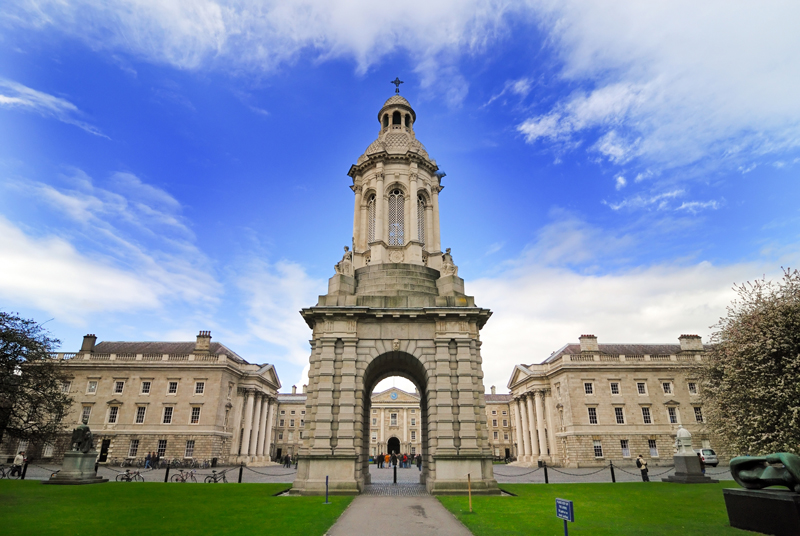
Same budget (Premium), different map: Tech & pharma HQ hub; stay-back for graduates · ≈ $32k/yr all-in
In Kuala Lumpur you can graduate from Monash, Nottingham, Southampton, Heriot-Watt or Curtin — the degree certificate carries the home university’s name — for a fraction of what the same degree costs in Melbourne or London. Or start in Malaysia and transfer to the UK or Australia midway through twinning programmes. Add English-medium teaching, halal food everywhere, and direct flights home — Malaysia is the value play Pakistani families consistently underestimate.
The complete, honest case for Malaysia — branch campuses, twinning transfers, the real costs, and the exact route from Pakistan — in one short narrated briefing.
The Malaysia video briefing is in production
The narrated 4-minute briefing for Malaysia lands in this slot very soon. Until then, get the exact same briefing — live, personal, and free — from a counsellor who will map it to your grades and budget.
Monash University Malaysia, University of Nottingham Malaysia, Southampton Malaysia, Heriot-Watt Malaysia, Curtin Malaysia — full campuses of ranked foreign universities. Same curriculum, same awarding body on your certificate, Malaysian price tag and living costs.
2+1 and 1+2 programmes let you complete the first years in Malaysia, then transfer to the partner university in the UK or Australia for the final stretch — graduating abroad with post-study options there, at roughly half the total cost of going direct. We structure the transfer into your plan from day one, subject to grades and visa approval.
A Muslim-majority, English-speaking country where halal food is the default, mosques are everywhere, and Pakistani students form one of the largest international communities. For many families, Malaysia is the gentlest first step abroad — especially for younger students.
Tuition plus living for a full Malaysian degree often totals less than a single year in the UK or Australia — and the visa funds requirement is modest by comparison. No blocked accounts, no 28-day seasoning dramas.
The EMGS process is centralised and, for genuine students with complete files, fast and predictable. Institutions apply on your behalf; we make sure your documents are right the first time.
Malaysian universities climb Asian and world rankings yearly, and local flagships like UM, UKM and UTM offer research strength at local fees — a serious option for postgraduate and budget-conscious degree seekers alike.
Business & FinanceComputer Science & ITEngineeringAccounting & ACCA routesMedicine & PharmacyHospitality & CulinaryMedia & CommunicationPsychologyLaw (twinning)Biotechnology
| Item | Guide figure | What to know |
|---|---|---|
| Local private university tuition | ≈ RM 20,000–45,000 / year | Wide range by field; medicine and engineering at the top |
| Branch-campus tuition | ≈ RM 40,000–65,000 / year | Still a fraction of the home campus — and the certificate is the home university’s |
| Living costs | ≈ RM 1,500–2,500 / month | Shared KL accommodation, local food and transport included; smaller cities cost less |
| Visa funds proof | Modest bank evidence via EMGS | Far below UK/Australia requirements — we confirm the current evidence list for your institution |
Comparing countries on cost? See how Austria compares — full cost guide or scan every option in the Mid-Range: Maximum Value budget hub.
The Malaysia International Scholarship (MIS) supports postgraduate study at Malaysian public universities for eligible applicants; branch campuses and private universities add merit bursaries commonly worth 10–30% of tuition. Modest compared with Malaysia’s already-low base cost — which is precisely the point: the discount is built into the price.
Malaysia does not offer a general post-study work visa: graduates need an employer-sponsored Employment Pass, and part-time work during studies is restricted to specific sectors with permission. Choose Malaysia for the degree, the savings and the transfer springboard — twinning graduates finish in the UK/Australia with those countries’ post-study routes in play. We plan your exit route before you enrol, not after you graduate.
We compare full-Malaysia completion vs. transfer pathways on total cost and final parchment — and verify HEC recognition of your exact programme in writing.
Application filed with attested documents; EMGS approval letter tracked; your single-entry visa and arrival medical steps sequenced for you.
Arrival briefing (medical screening, student pass, housing), and — for twinning students — your transfer-year targets set from semester one.
Yes — the awarding university is the home institution (e.g. Monash University), the curriculum and assessment are moderated to home standards, and the certificate does not say “Malaysia campus”. Always confirm the specific programme’s accreditation — we verify yours, including its HEC recognition position, before you pay any deposit.
Twinning programmes are designed for exactly that, with credit arrangements agreed in advance. Transfer still depends on your grades and a successful destination-country visa — which is why we set GPA targets and the funds plan from your first semester, not your final one.
Many institutions accept IELTS/PTE — and some offer internal English placement or foundation routes instead. Requirements differ by institution and programme; your shortlist lists the real proof needed for each option.
Degrees from the foreign branch campuses carry the home university’s full standing. For Malaysian local universities, choose established, MQA-accredited institutions and confirm HEC recognition for your programme — we do this check as a standard step, in writing.
Student part-time work is limited — generally only in approved sectors (like hospitality and services) with institutional and immigration permission, capped hours, and not during your first months. Budget on family funds; treat any earnings as a bonus.
Still weighing it up? Browse the Southeast Asia region hub or the Mid-Range: Maximum Value budget hub to compare Malaysia against its closest alternatives.
Four honest alternatives drawn from the Southeast Asia region hub, the Mid-Range budget tier and the premium step-up shelf — each with the reason it belongs on your shortlist.
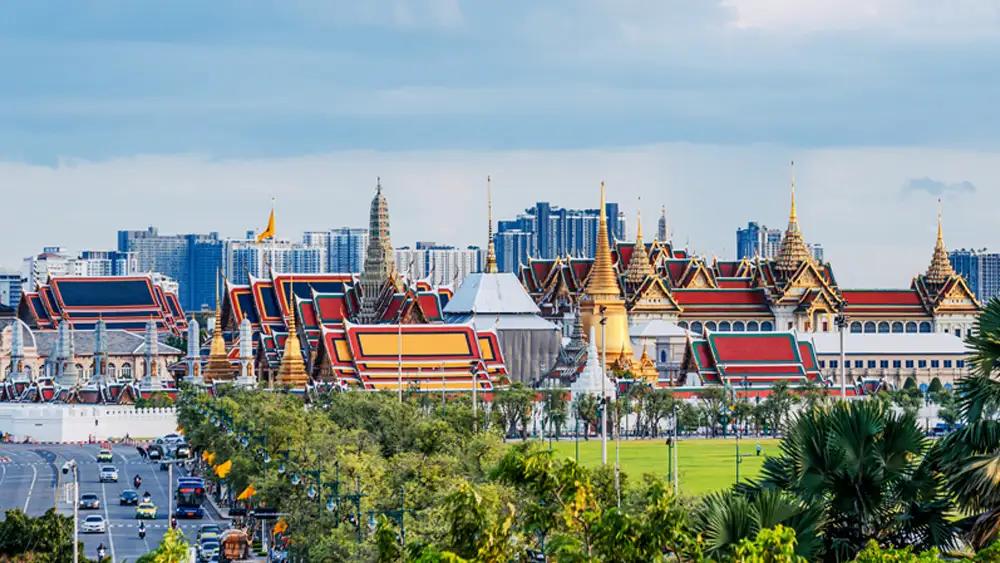
Also in Southeast Asia: Hospitality, business; affordable living · ≈ $13k/yr all-in
Cheaper alternative: Government scholarship; UBD in English; calm Muslim-majority state · Government scholarship can cover everything
Same budget (Mid-Range), different map: Emerging affordable option; Spanish advantage · ≈ $12k/yr all-in (public route)
The aspirational step-up: English-speaking EU island; gaming & business · ≈ $23k/yr all-in
Türkiye Scholarships is one of the most generous offers in world education: tuition covered, a monthly stipend, a flight ticket, health insurance and a free Turkish-language year — for bachelor’s, master’s and PhD students. Miss it, and Turkey still delivers: English-taught private universities at prices far below the West, in a Muslim-majority country where Pakistani students feel instantly at home. The scholarship window is short and early — timing is the whole game.
The complete, honest case for Turkey — the full scholarship, the real self-funded costs, and the exact route from Pakistan — in one short narrated briefing.
The Turkey video briefing is in production
The narrated 4-minute briefing for Turkey lands in this slot very soon. Until then, get the exact same briefing — live, personal, and free — from a counsellor who will map it to your grades and budget.
Türkiye Scholarships (Burslari) funds tuition, pays a monthly stipend, covers your flight and health insurance, and includes a one-year Turkish course — across bachelor’s, master’s and PhD levels. It is competitive and age-limited, and the file must be excellent. Building excellent files before the January window is our speciality.
English-taught MBBS and dentistry at established private universities cost a fraction of UK/US medical routes, with modern teaching hospitals in Istanbul, Ankara and Izmir. We verify the recognition and licensing position for practice in Pakistan before you commit — always in writing.
Halal food is the default, mosques anchor every neighbourhood, the culture feels familiar, and flights home take about five hours. For parents sending a child abroad for the first time, Turkey removes half the anxiety before it starts.
Turkish degrees sit inside the European Bologna framework, and many universities run Erasmus+ exchanges — study a semester inside the EU on your Turkey enrolment. Istanbul’s tech and startup scene keeps growing for engineers and CS graduates.
Miss the scholarship and private universities commonly offer 25–100% merit discounts on already-modest fees; public universities taught in Turkish charge very low fees after a language year. Living in Ankara or Izmir costs noticeably less than Istanbul.
Turkey’s student visa and residence-permit (ikamet) process is straightforward with a proper admission letter and clean documents — no blocked accounts or extreme funds theatre. We sequence admission, visa and ikamet on one calendar.
MBBS / MedicineDentistryEngineeringComputer ScienceBusiness & ManagementArchitectureAviation & Pilot TrainingInternational RelationsPharmacyMedia & Film
| Route | Guide figure | What to know |
|---|---|---|
| Türkiye Scholarships | Tuition + stipend + flight + insurance | Plus a free 1-year Turkish course; you still budget for personal extras |
| Private universities (English-taught) | ≈ US$2,000–12,000 / year typical | Medicine at top private universities can reach ≈ US$20,000+ — verify per university |
| Public universities (Turkish-taught) | Very low annual fees | Requires Turkish proficiency (or the funded language year first) |
| Living costs | ≈ US$400–700 / month in Istanbul | Ankara, Izmir & smaller cities notably cheaper; dorms cut costs further |
Comparing countries on cost? See how Albania compares — full cost guide or scan every option in the Best Budget Destinations budget hub.
Private universities compete for strong Pakistani profiles with merit discounts of 25–100%, sibling and early-application reductions, and success scholarships after your first year. Our Turkey files always run two tracks in parallel: the Burslari application and discounted self-funded offers as a safety net.
Turkey has no automatic post-study work visa: graduates typically switch to a short-term residence permit and need an employer-sponsored work permit to stay on. Turkish fluency dramatically improves those odds. Most of our Turkey graduates build careers across Turkey-linked trade, the Gulf and Pakistan — we plan that trajectory with you honestly, from day one.
We grade your profile against Burslari criteria (grades, age limits, field) and build both tracks — scholarship application plus discounted private offers.
Direct admission to privates, or TR-YÖS/university entrance routes for publics — with documents attested and translated correctly the first time.
Student visa filed, residence permit appointment handled after arrival, dorm/hostel and city orientation briefed before you fly.
Not for English-taught programmes — and Türkiye Scholarships includes a free one-year Turkish course before your degree. Day-to-day, basic Turkish arrives fast in an immersive, familiar culture; B1+ Turkish later becomes your biggest career lever inside Turkey.
It’s genuinely competitive — strong grades matter most, with age limits by level and a well-argued study plan. Average profiles shouldn’t rely on it alone: our two-track approach pairs every Burslari application with discounted self-funded offers, so a “no” never costs you the year.
Recognition depends on the specific university and the current Pakistan Medical & Dental Council position, plus licensing exams on return. We check your exact university against the latest position in your free session — before any fee is paid.
Far lighter than the UK or Australia: evidence that tuition and living are covered, typically via bank statements/sponsor letters matched to your admission. We confirm the current consulate checklist for your city and prepare exactly that — nothing more, nothing missing.
Major student cities are busy, conservative-friendly and used to international students; university dorms add supervised housing options many parents prefer. We’ll talk honestly about neighbourhoods, dorms vs. apartments, and staying connected — bring your parents to the session.
Still weighing it up? Browse the Middle East & Gulf region hub or the Best Budget Destinations budget hub to compare Turkey against its closest alternatives.
Four honest alternatives drawn from the Middle East & Gulf region hub, the Budget budget tier and the premium step-up shelf — each with the reason it belongs on your shortlist.
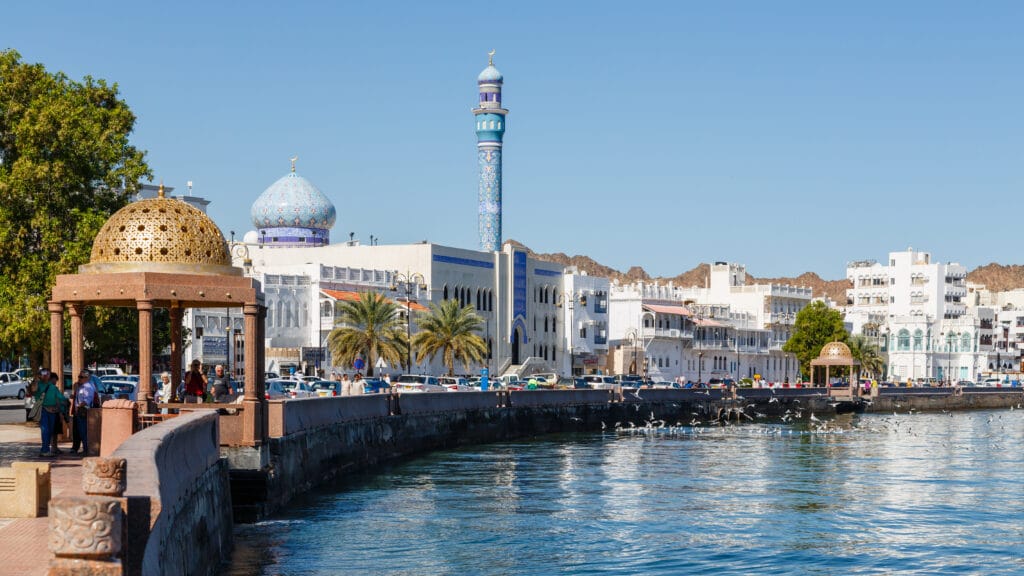
Also in Middle East & Gulf: Affiliated UK-pathway colleges · ≈ $15k/yr all-in
Also in Middle East & Gulf: Education City branch campuses; HBKU & QU scholarships · Education City · aid can cut costs deeply
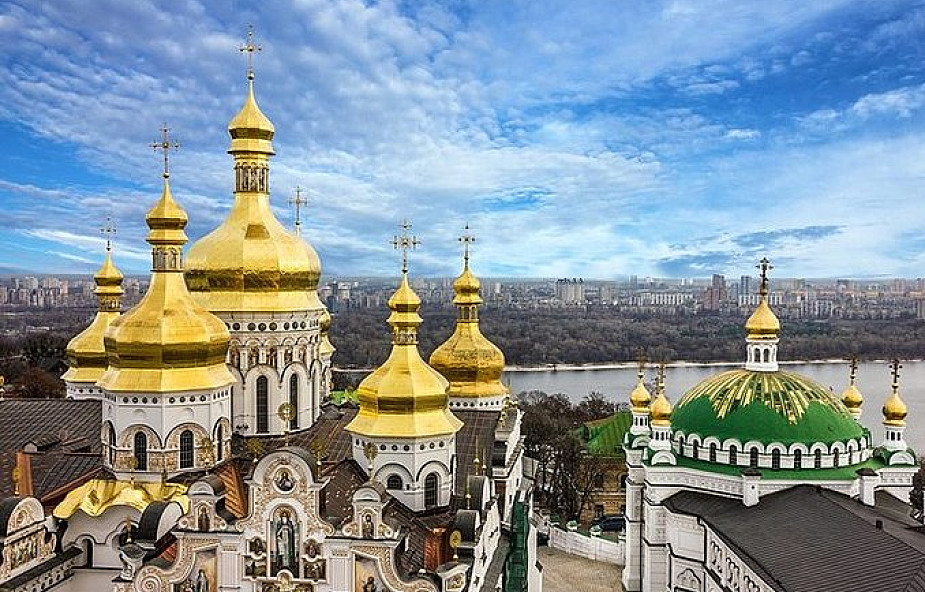
Same budget (Budget), different map: Historically MBBS-strong; check current safety advice · ≈ $8k/yr all-in
The aspirational step-up: Quality + lifestyle; Green List aligned courses · ≈ $32k/yr all-in
The Republic of Cyprus is a full EU member whose universities teach widely in English — including medicine, dentistry and pharmacy — inside the European Bologna system. Fees sit far below Western Europe, the island is one of the safest in the region, and cities like Nicosia, Limassol and Larnaca run on a student-friendly scale. One accuracy note others skip: Cyprus is in the EU but not in Schengen — we’ll explain exactly what that means for travel and work in your session.
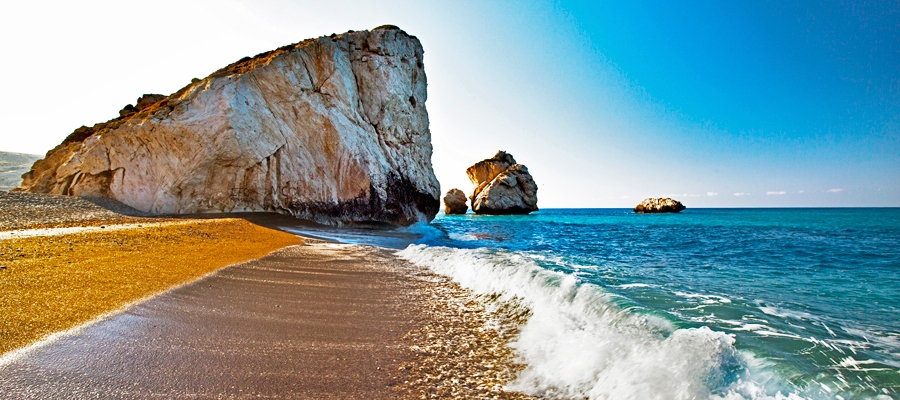
The complete, honest case for Cyprus (South) — EU value, English-taught programmes, the real costs, and the exact route from Pakistan — in one short narrated briefing.
The Cyprus (South) video briefing is in production
The narrated 4-minute briefing for Cyprus (South) lands in this slot very soon. Until then, get the exact same briefing — live, personal, and free — from a counsellor who will map it to your grades and budget.
Cyprus is a full EU member state: degrees follow the Bologna/ECTS system, are quality-assured within European frameworks, and are recognised for further study and employment across the EU. Your parchment carries European weight — because it is European.
The island’s medical schools (led by the European University Cyprus and the University of Nicosia’s medical programme) teach fully in English with modern clinical training — a serious route for Pakistani medical aspirants. We verify licensing/recognition implications for Pakistan before you apply.
Programmes, administration and daily life run in English across the island — one of the highest English-proficiency populations in the region. No language year, no lost time: you start your degree at full speed.
Most bachelor’s and master’s programmes price well below the UK and Western EU — and universities routinely award 20–50% academic scholarships to international students, bringing real-world fees lower still. Living costs in Nicosia and Larnaca are gentle by EU standards.
Cyprus is consistently among Europe’s lowest-crime countries, with compact cities where the university, housing and beach sit minutes apart. For first-time-abroad families, that calm is a feature, not a footnote.
Limassol hosts a booming tech, fintech, gaming and shipping scene that hires English-speaking graduates; hospitality and healthcare add further demand. Student part-time work is permitted in specified sectors after your first months — we brief you on the current rules before you budget around them.
Medicine (MD)DentistryPharmacyBusiness & ManagementComputer ScienceHospitality & TourismPsychologyLawNursing & HealthDigital Media & Design
| Item | Guide figure | What to know |
|---|---|---|
| Tuition — most programmes | ≈ €6,000–13,000 / year | Before scholarships; business, CS and humanities at the lower end |
| Tuition — medicine | ≈ €18,000–21,000 / year | Guide range for English-taught MD programmes — confirm per university |
| Living costs | ≈ €700–1,000 / month | Nicosia & Larnaca cheaper; Limassol is the premium city |
| Visa funds proof | Tuition + ≈ €5,000–7,000 living evidence | Embassy-set requirement — we confirm the current checklist for your intake |
Comparing countries on cost? See how Austria compares — full cost guide or scan every option in the Mid-Range: Maximum Value budget hub.
Academic scholarships of 20–50% are a standard feature of Cypriot private universities for international students with decent grades — often automatic at admission and renewable on performance. Our shortlists quote your fee after the reduction you qualify for, so the family compares real numbers.
Cyprus (South) has no broad post-study work visa: staying on means a job offer and an employer-backed work permit, though an EU-recognised degree strengthens applications across Europe and the Gulf. And remember: Cyprus is EU, not Schengen — your student residence doesn’t itself grant Schengen travel. We plan post-degree routes with you honestly before you enrol.
We match programme and city (Nicosia for value, Limassol for jobs, Larnaca for calm) to your budget — with scholarship-adjusted fees in writing.
HEC/IBCC attestations and document legalisation done in the right order — the step that stalls DIY applicants for weeks.
Entry visa filed against the embassy checklist; on arrival, registration and residence card (the “Pink Slip” process) completed within the legal window.
No — Cyprus is an EU member but not a Schengen state, so a Cypriot student residence permit doesn’t itself give visa-free Schengen travel; you’d apply for a Schengen visa separately for holidays. Your degree, however, is fully European (Bologna/ECTS). Anyone who blurs this distinction is selling, not advising.
Many Cypriot universities accept IELTS/PTE — and several also accept a Medium-of-Instruction letter or their own English placement. Requirements differ by university and programme; your shortlist states the accepted proofs per option so you don’t over- or under-prepare.
International students can generally take part-time work in specified sectors (such as hospitality, food services and care) after an initial period of study, within set weekly hours — rules are specific and change. Treat earnings as a supplement, and we’ll brief you on the current position before you rely on it.
It depends on the university’s current standing with the Pakistan Medical & Dental Council and your clearing the licensing pathway on return. We verify your exact university against the latest position in your free session — before any money moves.
Typically tuition for the first year plus living evidence in the region of €5,000–7,000, shown via sponsor bank statements with a clear source. The exact checklist is embassy-set — we prepare precisely to it.
Still weighing it up? Browse the Europe – Beyond Schengen region hub or the Mid-Range: Maximum Value budget hub to compare Cyprus (South) against its closest alternatives.
Four honest alternatives drawn from the Europe – Beyond Schengen region hub, the Mid-Range budget tier and the premium step-up shelf — each with the reason it belongs on your shortlist.
Cheaper alternative: Notably affordable English-taught degrees · ≈ $9k/yr all-in
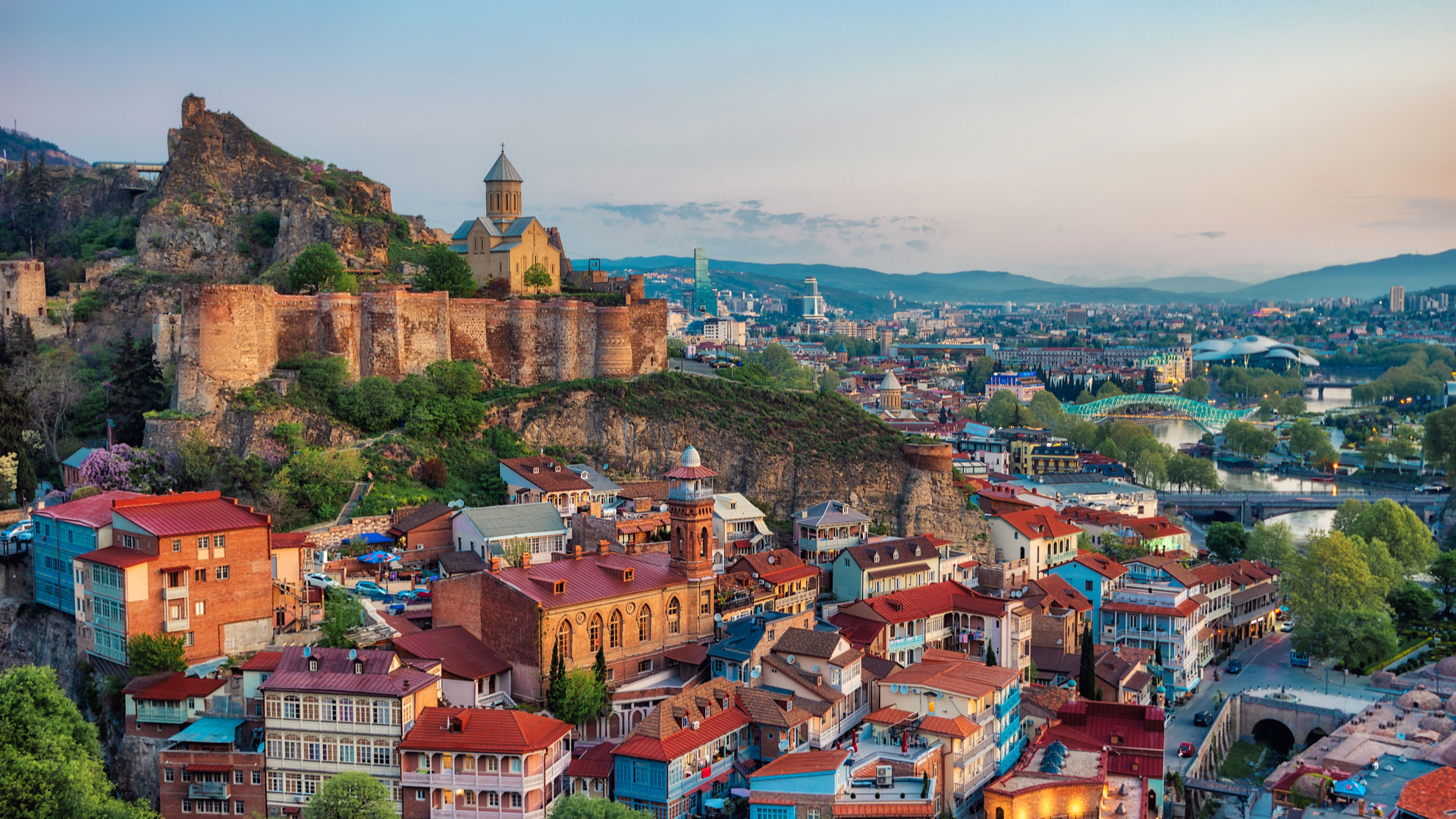
Cheaper alternative: MBBS in English; popular with Pakistani students · ≈ $10k/yr all-in
Same budget (Mid-Range), different map: Emerging affordable option; Spanish advantage · ≈ $12k/yr all-in (public route)
The aspirational step-up: PGWP & PR-pathway planning; public colleges + universities · ≈ $35k/yr all-in
Automatic 50% scholarships, English-taught medicine, dentistry, pharmacy and engineering, living costs a student budget can survive — Northern Cyprus is genuinely the cheapest credible route many Pakistani families will find. It also carries a real recognition caveat that agents love to hide and we refuse to: read the honest card on this page before the price seduces you. If the route still fits your plan after the facts, we’ll build it flawlessly.
The complete, honest case for Northern Cyprus — the prices, the scholarships, the recognition reality, and the exact route from Pakistan — in one short narrated briefing.
The Northern Cyprus video briefing is in production
The narrated 4-minute briefing for Northern Cyprus lands in this slot very soon. Until then, get the exact same briefing — live, personal, and free — from a counsellor who will map it to your grades and budget.
After the near-universal 50% scholarship, most programmes land between roughly US$3,000–8,000 a year — with living costs in Famagusta, Nicosia (north) and Kyrenia running at a few hundred dollars a month. For families priced out of everywhere else, this can be the difference between going and not going.
Most universities grant 50% tuition waivers to international students as standard, with higher awards (up to full tuition at some) for excellent grades. No separate scholarship season, no essays — the discount is in your offer letter.
Near East University and peers run large English-taught medicine, dentistry, pharmacy and veterinary programmes with their own teaching hospitals — among the most popular routes for Pakistani health-science students. (Recognition check first — see the honest card below.)
Eastern Mediterranean University (EMU) in Famagusta is the flagship — internationally ranked, with accreditations including ABET-linked engineering programmes — alongside Cyprus International University and Girne American. These are full residential universities, not storefront colleges.
Muslim-majority culture, halal food everywhere, a Turkish-lira cost base that keeps budgets low, and one of the largest Pakistani student communities per capita anywhere — seniors from home at every major university.
Travel runs via Turkey (flights land at Ercan), with entry on your university’s acceptance documentation and residence registration after arrival. No blocked account, no heavy funds theatre — we prepare the exact document set your university requires.
Medicine (MD)DentistryPharmacyEngineeringComputer Science & AIBusiness & ManagementArchitectureTourism & HospitalityNursing & HealthLaw
| Item | Guide figure | What to know |
|---|---|---|
| Tuition — most programmes | ≈ US$3,000–8,000 / year | After the standard 50% international scholarship; confirm your exact award in the offer letter |
| Tuition — medicine / dentistry | ≈ US$12,000–16,000 / year | Guide range at the big health universities after standard discounts |
| Living costs | ≈ US$300–500 / month | Dorms and shared flats keep this low; lira pricing softens costs further |
| Funds proof | Modest | No blocked account — sponsor evidence matched to your university’s requirements |
Comparing countries on cost? See how Albania compares — full cost guide or scan every option in the Best Budget Destinations budget hub.
50% international-student waivers are standard at most universities; top grades can reach 75–100% at some, and sibling/early-payment discounts stack further. Because awards are automatic, our job shifts to what matters: picking the institution whose accreditation and recognition best protect your future.
There is no EU or PR pathway here — Northern Cyprus is a degree route, not a settlement route. Graduates typically build careers in Pakistan, the Gulf or Turkey (transfer and employment links with Turkey are the strongest). Choose it for an affordable, English-taught degree with a career plan that starts at home or in the region — and we’ll sanity-check that plan with you first.
Before shortlists: your target profession’s regulator position (HEC / PMDC / PEC as relevant) verified for each candidate university — in writing.
Application filed; your automatic waiver confirmed in the official offer; dorm and payment schedule locked before travel.
Flight routing through Turkey to Ercan, entry documents in hand, residence registration and university enrolment completed in your first days.
It depends on the university, the programme and the regulator’s current position — HEC recognition and professional licensing (especially for medicine) are the critical checks, and positions have changed over time. This is the single most important question for this destination, which is why it’s step one of our process, verified in writing before any payment.
Usually not — most universities run their own English proficiency placement on arrival or accept prior English-medium study, routing students who need it into a foundation English year. Your offer letter states exactly what applies to you.
Flights route via Turkey into Ercan Airport. Students typically enter with their university acceptance documents and complete residence registration after arrival; a Turkish transit arrangement may apply depending on your routing. We brief your exact document set before you book flights — never after.
Horizontal transfer routes into Turkish universities exist for many programmes, and some students use Northern Cyprus as an affordable first step. Credit acceptance is the receiving university’s decision — we check transfer history for your programme before you rely on it.
Yes — student cities are calm, the culture is familiar, halal food is universal, and the Pakistani community is large and organised at every major university. Dorms (including gender-separated options) are plentiful and inexpensive.
Still weighing it up? Browse the Europe – Beyond Schengen region hub or the Best Budget Destinations budget hub to compare Cyprus (North) against its closest alternatives.
Four honest alternatives drawn from the Europe – Beyond Schengen region hub, the Budget budget tier and the premium step-up shelf — each with the reason it belongs on your shortlist.
English-taught option: Emerging, low-cost English-taught study · ≈ $9k/yr all-in
English-taught option: EU-side universities; English-taught · ≈ $19k/yr all-in
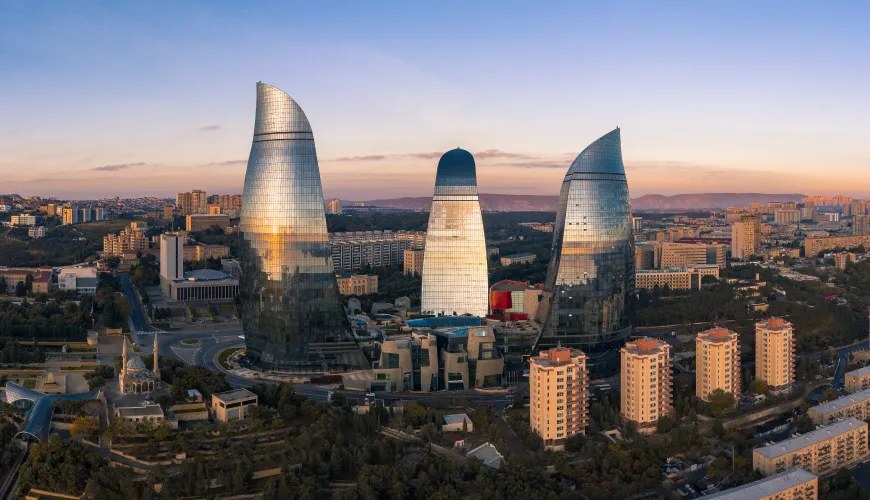
Same budget (Budget), different map: Oil, business & medicine; Baku hub · ≈ $8k/yr all-in
The aspirational step-up: Top-100 universities; post-study work focus · ≈ $38k/yr all-in
In Colombo, established institutes deliver degrees awarded by British and Australian universities — same curriculum, same awarding body — while you live at South-Asian prices a short flight from Karachi. Or use the classic springboard: complete your first one or two years in Sri Lanka, then transfer to the partner campus in the UK or Australia and graduate there. For families who want a foreign parchment without a foreign-sized bill (or a gentle first step for a younger student), this is the quiet smart play.
The complete, honest case for Sri Lanka — partner degrees, transfer springboards, the real costs, and the exact route from Pakistan — in one short narrated briefing.
The Sri Lanka video briefing is in production
The narrated 4-minute briefing for Sri Lanka lands in this slot very soon. Until then, get the exact same briefing — live, personal, and free — from a counsellor who will map it to your grades and budget.
Partner institutes in Colombo deliver programmes awarded by universities in the UK and Australia (institutes such as Curtin Colombo and long-running UK-partner colleges) — you study the partner’s curriculum, sit its assessments, and graduate with its degree, at a total cost that can undercut a single year of direct study abroad.
Start in Colombo, finish in London, Melbourne or Sydney: 1+2 and 2+1 structures carry your credits into the partner university abroad. Graduating in the destination country is what puts its post-study work routes in play — we design the whole arc, including the funds build-up for transfer years, from day one.
Four hours away, similar food, familiar climate, a large Muslim community and easy family visits. For 17–19-year-olds leaving home for the first time — and the parents sending them — Sri Lanka is the lowest-shock start in international education.
Foundation and diploma pathways at Colombo institutes convert average Intermediate results into degree entry — with small classes and close academic support that big foreign campuses rarely match. Your transcript grows stronger before the expensive years begin.
The #1 risk in study abroad is starting a degree you can’t afford to finish. Sri Lanka’s full-completion cost is genuinely finishable for mid-budget families — and transfer families spread the big spend across later years, with time to prepare funds properly.
Student residence visas for degree programmes are processed through your institute with a straightforward document set — no giant funds theatre. We sequence offer, visa and travel so most students are in Colombo within weeks of deciding.
Business & ManagementComputing & Software EngineeringEngineering (transfer routes)Accounting & FinanceLaw (UK partner routes)PsychologyBiomedical ScienceHospitality & TourismMedia & MarketingFoundation Programmes
| Item | Guide figure | What to know |
|---|---|---|
| Tuition — partner degrees in Colombo | ≈ US$3,000–8,000 / year | Varies by awarding university & field; engineering/lab programmes at the top |
| Full completion in Sri Lanka | Often less than 1 year in the UK | Total-degree comparison is where the value shows — we price your exact programme |
| Transfer years abroad | Destination-country rates | Budgeted from day one in our plan (see the UK & Australia pages for those bands) |
| Living costs | ≈ US$300–600 / month | Colombo shared housing, local food and transport — very manageable |
Comparing countries on cost? See how Albania compares — full cost guide or scan every option in the Best Budget Destinations budget hub.
Colombo institutes commonly offer merit bursaries of roughly 10–50%, early-enrolment discounts and performance scholarships after year one. Because base fees are already low, even a modest bursary brings the total into genuinely comfortable territory — we negotiate your best available award at offer stage.
Sri Lanka itself offers no post-study work route for international graduates. The strategy is the springboard: transfer and graduate in the UK or Australia, where those countries’ post-study visas apply — or carry a recognised foreign degree home or to the Gulf at a fraction of the usual cost. We’ll map which finish line fits your goals before you enrol.
The name on the final parchment drives everything — recognition, transfer rights, price. We shortlist by awarding body, then by institute, and verify HEC recognition in writing.
Direct degree entry, foundation or diploma-to-degree — matched to your marks, with transfer-year GPA targets and funds planning set from semester one.
Entry approval and residence visa via your institute, housing arranged near campus, and an arrival briefing for your first fortnight in Colombo.
For genuine partner programmes, yes — the awarding body is the UK/Australian university and the parchment is its degree. But “partner” claims vary in quality: we verify the specific programme’s approval by the awarding university and its recognition position (including HEC) in writing, before you commit.
No — transfer depends on meeting the partner’s grade requirements and on securing the destination visa when the time comes. What structured twinning does guarantee is the pathway: agreed credit recognition for students who perform. We set your GPA targets and transfer funds plan from your first semester.
Many Colombo institutes accept IELTS/PTE or their own English assessments, and foundation routes build English in. Transfer years abroad carry the destination’s own English requirements — your plan sequences tests so you’re ready when it matters.
Fair question — and sometimes the honest answer is a good Pakistani university. Sri Lanka earns its place when the goal is a foreign-awarded degree or a transfer into the UK/Australia at lower total cost and risk. Bring your offers to the free session and we’ll compare them side by side, including the stay-at-home option.
Colombo’s student areas are well-established, English is widely spoken, halal food and mosques are readily available, and the flight home is short enough for family visits each semester. Institutes run supervised accommodation options many parents prefer for younger students.
Still weighing it up? Browse the South Asia region hub or the Best Budget Destinations budget hub to compare Sri Lanka against its closest alternatives.
Four honest alternatives drawn from the South Asia region hub, the Budget budget tier and the premium step-up shelf — each with the reason it belongs on your shortlist.
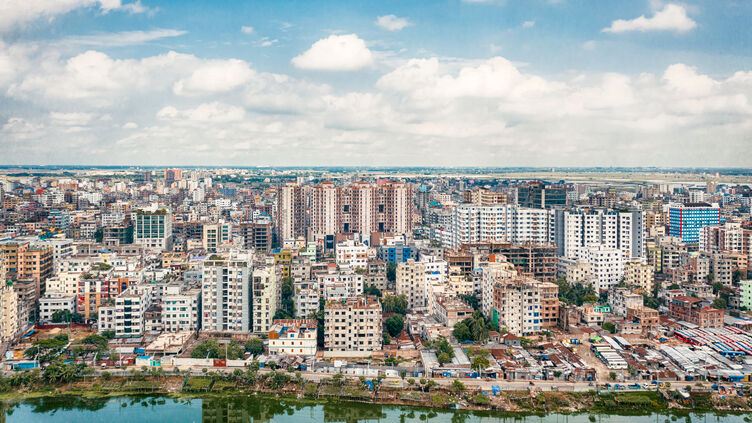
Also in South Asia: MBBS route for foreign students; English-medium privates · ≈ $10k/yr all-in
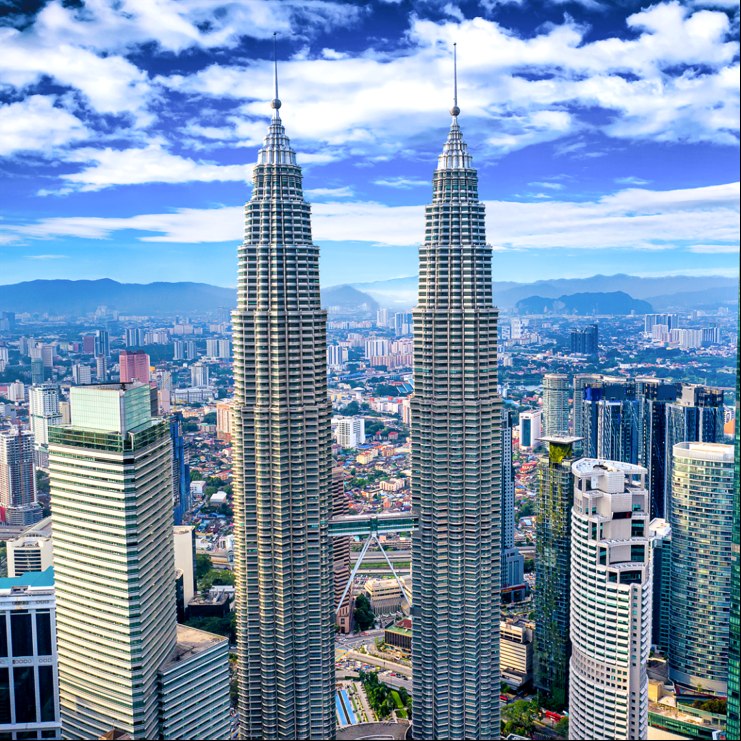
English-taught option: UK/Aus branch campuses & twinning degrees · ≈ $11k/yr all-in
Same budget (Budget), different map: Oil, business & medicine; Baku hub · ≈ $8k/yr all-in
The aspirational step-up: Quality + lifestyle; Green List aligned courses · ≈ $32k/yr all-in
Japan educates at a standard few countries touch: elite national universities charging a standard tuition of about ¥535,800 a year, the MEXT scholarship covering tuition, stipend and flights, streets so safe your parents will relax, and a labour market that actively recruits international graduates. The trade-off is the language — your degree can be in English, but your career in Japan will speak Japanese. Enter with a language plan and Japan rewards you like nowhere else in Asia.
The complete, honest case for Japan — MEXT, national-university value, the language plan, and the exact route from Pakistan — in one short narrated briefing.
The Japan video briefing is in production
The narrated 4-minute briefing for Japan lands in this slot very soon. Until then, get the exact same briefing — live, personal, and free — from a counsellor who will map it to your grades and budget.
The Japanese government’s MEXT scholarship funds tuition, a monthly stipend and your airfare — for undergraduate, research and postgraduate students, via embassy and university recommendation routes. It is competitive and paperwork-heavy: two things a professionally built file handles well.
Tokyo, Kyoto, Osaka, Tohoku and peers charge the same standard tuition — roughly ¥535,800 per year — with entrance-fee waivers and 30–100% tuition exemptions for strong students. World-class research at a fee many Pakistani private universities would recognise.
Robotics, automotive, electronics, materials, gaming and anime — Japan’s universities plug straight into the industries defining the next decades, with internship pipelines into companies whose names anchor any CV.
Japan is consistently among the safest countries on earth — orderly cities, honest systems, respectful campuses. For families anxious about a first move abroad, no destination reassures like Japan does.
With an ageing population, Japan recruits international graduates across engineering, IT, healthcare and services. English-taught degrees get you in; Japanese ability (JLPT N2+) decides how far and how fast you rise — so we build language into your degree plan, not after it.
MEXT scholarship, direct English-taught degree entry, or the language-school-to-university pathway (study Japanese in Japan, then enter Japanese-taught programmes with far wider choice). Three genuinely different strategies — we pick yours by grades, budget and timeline.
Engineering & RoboticsComputer Science & AIElectronics & MaterialsBusiness (English-taught)International RelationsAnime, Media & DesignArchitectureHealth & Life SciencesJapanese Language + DegreeAgriculture & Food Science
| Item | Guide figure | What to know |
|---|---|---|
| National university tuition | ≈ ¥535,800 / year (standard) | Plus a one-time entrance fee (≈ ¥282,000); waivers common for strong students |
| Private university tuition | ≈ ¥800,000–1,500,000 / year | Medicine and top brands sit far above this band |
| Language school | ≈ ¥700,000–900,000 / year | The pathway route into Japanese-taught degrees |
| Living costs | ≈ ¥100,000–150,000 / month in Tokyo | Regional cities (Sendai, Fukuoka, Sapporo) cost markedly less; part-time work offsets a real share |
Comparing countries on cost? See how Austria compares — full cost guide or scan every option in the Mid-Range: Maximum Value budget hub.
JASSO honours scholarships (a monthly stipend for self-funded students), university tuition exemptions of 30–100%, and prefectural/private foundation awards stack on top of the low national fee. Our Japan files are built scholarship-first, with the Japanese academic calendar planned a full cycle ahead.
Graduates can switch to a Designated Activities (job-hunting) status — typically six months, renewable once — then move onto an Engineer/Specialist in Humanities work visa with a job offer. Japan’s points-based highly-skilled system additionally rewards top salaries and JLPT levels. Honest constant: language is the multiplier on everything.
We grade your profile against all three doors and choose by scholarships realistically winnable, total cost and your career target — with a JLPT runway either way.
Japan’s Certificate of Eligibility process is precise about sponsor finances and document consistency. We build the file to immigration’s exacting standard — translations included.
Residence card at the airport, part-time work permission stamped, bank/phone/city registration sequenced in a first-week checklist so you start classes settled.
Not for English-taught degrees or MEXT research routes — but daily life, part-time jobs and graduate careers all reward Japanese heavily. Our standard plan: start free/structured Japanese study in Pakistan during your application, continue free university courses in Japan, and target JLPT N3–N2 by graduation. Language-first applicants flip the order: a language school year in Japan, then the full Japanese-taught degree market opens.
For the COE, sponsors typically demonstrate the ability to cover tuition and living — as a planning guide, evidence around ¥1.5–2 million per year of study, with clean bank history and income sources. Immigration scrutinises consistency hard; we prepare the sponsor file properly rather than largely.
With work permission, students can work up to 28 hours/week in term (more in long breaks). At typical student wages that can cover much of your monthly living cost outside central Tokyo — but never plan tuition on it. Your visa file must stand on sponsor funds alone.
Japan requires 12 years of schooling for university entry — Pakistani Intermediate generally satisfies this, with EJU or university-specific exams for many Japanese-taught programmes and standardised/English routes for international programmes. We map your exact entry requirements per university in your shortlist.
Major cities have mosques, halal restaurants and a growing Pakistani community (especially around Tokyo, Nagoya and Osaka); universities increasingly provide prayer spaces. Daily life is very manageable — and the safety and courtesy of Japan win over most anxious parents quickly.
Still weighing it up? Browse the East Asia region hub or the Mid-Range: Maximum Value budget hub to compare Japan against its closest alternatives.
Four honest alternatives drawn from the East Asia region hub, the Mid-Range budget tier and the premium step-up shelf — each with the reason it belongs on your shortlist.
Cheaper alternative: CSC & university scholarships; MBBS, engineering, business · CSC can cover everything · self-funded ≈ $7k/yr
English-taught option: Top-50 universities in English; IANG 2-year stay · ≈ $30k/yr all-in
Same budget (Mid-Range), different map: Business, fashion, engineering; growing English-taught range · ≈ $16k/yr all-in
The aspirational step-up: Top-100 universities; post-study work focus · ≈ $38k/yr all-in
Korea’s Global Korea Scholarship (GKS) is a full ride — tuition, airfare, a settlement and monthly allowance, insurance, plus a funded Korean-language year. Beyond it, universities compete for international students with merit waivers of 30–100%, English-taught programmes keep expanding, and graduates step toward Samsung, Hyundai, SK and a content industry the whole world watches. Seoul is safe, wired and exhilarating — and Korean ability (TOPIK) is the key that unlocks its job market.

The complete, honest case for South Korea — GKS, merit waivers, TOPIK strategy, and the exact route from Pakistan — in one short narrated briefing.
The South Korea video briefing is in production
The narrated 4-minute briefing for South Korea lands in this slot very soon. Until then, get the exact same briefing — live, personal, and free — from a counsellor who will map it to your grades and budget.
The Global Korea Scholarship funds tuition, airfare, settlement and monthly living allowances, insurance and a Korean-language year before your degree — for undergraduate and graduate students, via embassy and university tracks. It is competitive, grade-led and age-limited for undergraduates; a precisely built file is how Pakistanis win it.
Outside GKS, Korean universities routinely award entrance waivers of 30–100% based on grades and language scores, renewed on GPA. Combined with mid-range sticker prices, a strong student’s real tuition bill can shrink dramatically — our shortlists quote post-waiver numbers.
Semiconductors, EVs, shipbuilding, gaming, K-content: Korea’s export champions hire globally-minded graduates, and government policy actively targets growing international-student numbers. Engineering, CS and business graduates with TOPIK on the CV stand out in exactly the right queues.
English-taught programmes (especially at graduate level and international colleges) let you start without Korean. But TOPIK levels multiply part-time options, visa points and job offers — so your plan includes structured Korean study from semester one, mostly free through university and government programmes.
World-leading transit and internet, 24-hour convenience culture, K-drama streets you already know from your screen — and safety statistics parents appreciate. Regional cities (Busan, Daejeon, Gwangju) cut living costs while keeping ranked universities.
Pakistanis form one of Korea’s established Muslim communities — halal restaurants and the Seoul Central Mosque anchor life in Itaewon, with student societies at every major university. You’ll find both ambition and familiarity here.
Computer Science & AIEngineering (Semiconductor, Mechanical)Business & International TradeMedia, Film & ContentKorean Language + DegreeDesign & FashionBiotechnologyInternational StudiesData ScienceHospitality & Tourism
| Item | Guide figure | What to know |
|---|---|---|
| Tuition — undergraduate | ≈ ₩4,000,000–8,500,000 / year | Humanities at the low end; engineering, arts & medicine higher — before merit waivers |
| Tuition — postgraduate | ≈ ₩5,000,000–11,000,000 / year | Graduate waivers and lab assistantships can cut this substantially |
| Living costs (Seoul) | ≈ ₩800,000–1,300,000 / month | Dormitory living anchors the low end; regional cities cost less |
| Visa funds evidence | Bank certificate often ≈ US$20,000 | The exact figure varies by embassy & university — we confirm yours before you arrange funds |
Comparing countries on cost? See how Austria compares — full cost guide or scan every option in the Mid-Range: Maximum Value budget hub.
GKS (embassy track and university track) is the flagship; university merit waivers of 30–100%, TOPIK-score bonuses and departmental assistantships stack beneath it. Our Korea files always run GKS and waiver-secured direct offers in parallel, so a competitive “no” never costs you the intake.
Graduates can move to the D-10 job-seeking status (points-based, extendable) and then an E-7 work visa with a qualifying job — Korean degree, TOPIK level and salary all earn points in your favour. There’s no automatic PR, but Korea’s system transparently rewards exactly the profile an international graduate builds. We plan your points from semester one.
We grade your profile for GKS (grades, age limits, track choice) and simultaneously secure waiver-backed direct offers — ambition with a safety net.
Korea runs on apostilles and exact-name documents. We prepare, translate and verify every paper, and arrange the bank certificate to your embassy’s current specification.
Visa issued against a complete file; arrival briefing covers residence registration, dorm move-in, part-time permission rules and your TOPIK class enrolment.
Not for English-taught programmes — and GKS includes a funded language year. But graduation isn’t the finish line: TOPIK 3–4+ transforms part-time work, D-10 points and hiring. Every plan we write includes a TOPIK runway; students who take it seriously graduate with a different career than those who don’t.
GKS is strongly grade-led (top percentages convert best), with age limits for the undergraduate track and annual calls that open months ahead. We’ll grade your chances honestly — and because our files run a waiver-backed direct track in parallel, applying for GKS never gambles your year.
Embassies commonly ask for a bank certificate around US$20,000 in the sponsor’s name (the exact figure and holding period vary by embassy and university — we confirm yours precisely before funds are arranged). Weak or last-minute certificates are the classic refusal trigger; ours are prepared early and cleanly.
Yes, with university and immigration permission — hours are capped and higher TOPIK levels unlock more hours and better jobs. Budget on family funds for tuition; treat part-time earnings as living-cost support, exactly as the visa intends.
Seoul has a long-established Muslim community around Itaewon and the Seoul Central Mosque, halal options keep expanding, and universities increasingly provide prayer facilities. Regional cities are quieter on halal infrastructure — a factor we weigh openly in your city choice.
Still weighing it up? Browse the East Asia region hub or the Mid-Range: Maximum Value budget hub to compare South Korea against its closest alternatives.
Four honest alternatives drawn from the East Asia region hub, the Mid-Range budget tier and the premium step-up shelf — each with the reason it belongs on your shortlist.

Cheaper alternative: Semiconductors & engineering; MOE scholarships; safe & affordable · ≈ $10k/yr all-in
Cheaper alternative: CSC & university scholarships; MBBS, engineering, business · CSC can cover everything · self-funded ≈ $7k/yr
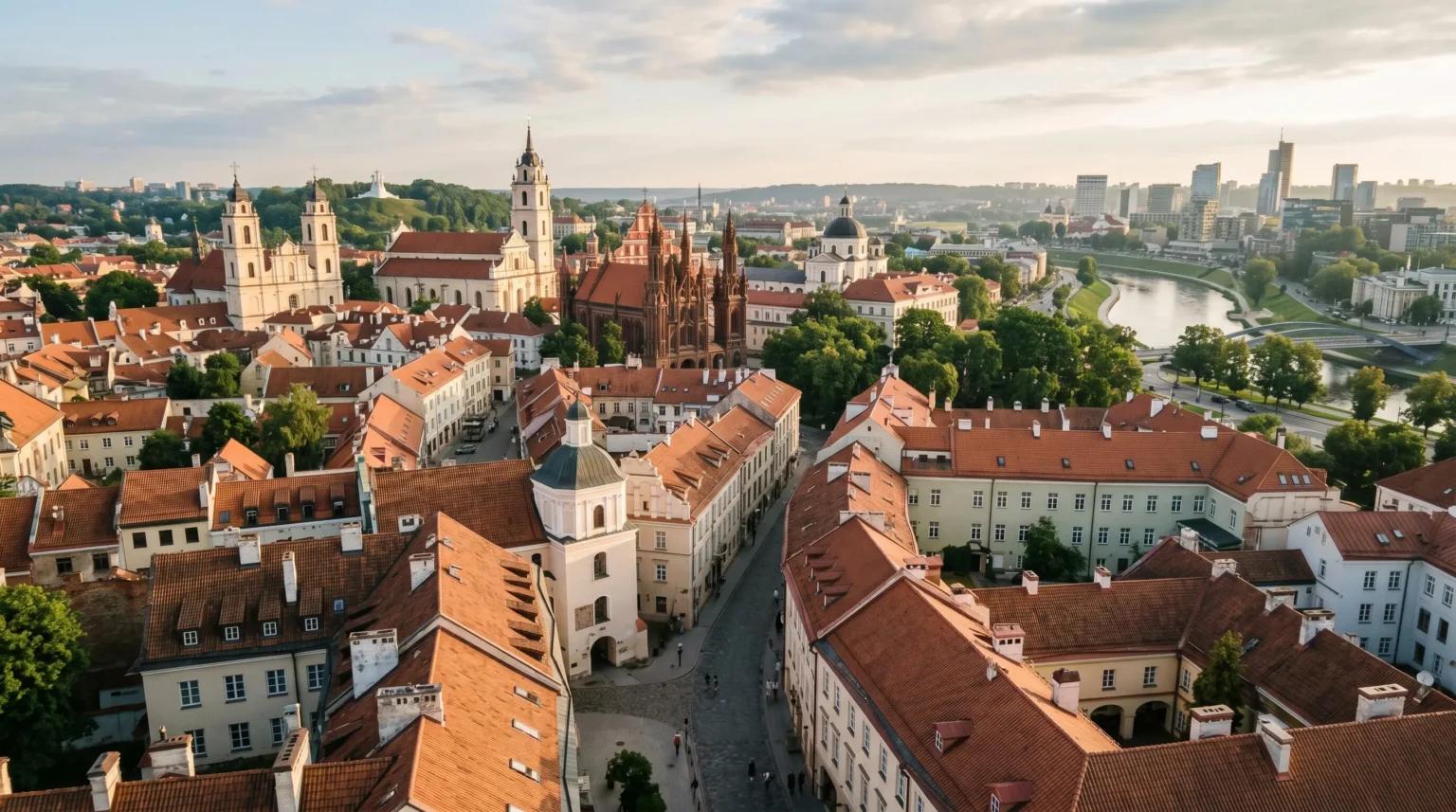
Same budget (Mid-Range), different map: Fintech, life sciences, MBBS routes · ≈ $12k/yr all-in
The aspirational step-up: Education City branch campuses; HBKU & QU scholarships · Education City · aid can cut costs deeply
France runs one of the world’s great education systems and charges non-EU students a few thousand euros a year at public universities — in the country of Paris, Airbus and LVMH. Elite grandes écoles, a fast-growing shelf of English-taught programmes, housing aid that pays part of your rent, and a 2-year post-master’s permit to find work: France is Europe’s prestige play at a mid-range price. The honest trade-off is the language — come with a French plan and France opens completely.
The complete, honest case for France — the real public fees, the APS stay-back, the language reality, and the exact route from Pakistan — in one short narrated briefing.
The France video briefing is in production
The narrated 4-minute briefing for France lands in this slot very soon. Until then, get the exact same briefing — live, personal, and free — from a counsellor who will map it to your grades and budget.
Alongside the universities sit the grandes écoles — HEC Paris, Polytechnique, Sciences Po, ESSEC, emlyon — institutions whose names run global business and politics. They charge more (often €15,000–20,000+/year at the business schools), and for the right profile they are worth every euro. We help you choose the tier that fits your ambition and your budget.
At public universities, non-EU tuition is typically around €2,770/year for a bachelor’s and €3,770/year for a master’s — and many universities still exempt international students down to near the old EU rate. Same lecture halls as Germany’s free system, with Paris attached.
Almost every student in France — foreign students included — can claim CAF housing aid (APL), which refunds a real share of your monthly rent. It is one of the most generous student-support systems in Europe, and we walk you through claiming it in your first month.
Finish a master’s in France and you can typically apply for the APS — a residence permit of up to 2 years to look for work or start a business. Land a qualifying job and you move onto a work permit, with long-term residence counting from your student years. France doesn’t just educate you; it gives you time to convert.
More than 1,700 programmes are now taught in English (Campus France’s catalogue grows every year), concentrated at master’s level and in business, engineering and data. But internships, part-time jobs and French employers run on French. Our standard plan: arrive in English, study French free at university, leave bilingual — and twice as employable.
Lyon, Toulouse, Montpellier, Nantes, Lille and Grenoble deliver ranked universities, big student populations and rents Paris can’t match — with Airbus in Toulouse, tech in Grenoble and France’s food capital in Lyon. Your shortlist weighs city cost as seriously as university rank.
Business & Luxury ManagementEngineering (Grandes Écoles)Computer Science & AIFashion, Art & DesignCulinary Arts & HospitalityPolitical Science & IRData ScienceFilm & MediaPublic HealthArchitecture
| Item | Guide figure | What to know |
|---|---|---|
| Public university tuition | ≈ €2,770 / yr bachelor · €3,770 / yr master | Set nationally for non-EU students; many universities grant partial exemptions — we target those first |
| Grandes écoles & private schools | ≈ €10,000–22,000 / year | Business schools at the top end; justified only with a clear career plan |
| Living costs | ≈ €900–1,500 / month in Paris · €700–1,000 elsewhere | Rent dominates; CAF aid typically refunds a meaningful share for eligible students |
| Visa funds proof | ≈ €615 / month of study | The standard planning figure for the student visa — plus first-term practicalities we itemise for you |
Comparing countries on cost? See how Austria compares — full cost guide or scan every option in the Mid-Range: Maximum Value budget hub.
The Eiffel Excellence Scholarship pays a monthly allowance (around €1,181/month at master’s level) to top international students — universities nominate you, so your shortlist is your scholarship strategy. Add Campus France and embassy awards, university fee exemptions that quietly cut public tuition, and Erasmus Mundus joint masters with full funding. France rewards early, excellent files.
After a French master’s (or equivalent), the APS permit typically gives you up to 2 years in France to find a job or build a company; a qualifying job converts to a work residence permit, and the “passport talent” route fast-tracks highly qualified profiles. Part-time work during study is capped at 964 hours/year (about 20 hrs/week) — enough to support living costs in most cities outside central Paris.
France runs on the Études en France / Campus France procedure before the visa — transcripts, language plan, programme choices. We open your file a full cycle ahead so deadlines never ambush you.
We balance public vs. grande école, English-taught vs. French-taught, Paris vs. the great student cities — and lock in Eiffel nominations and fee exemptions where your profile qualifies.
VLS-TS visa validated on arrival, housing hunt sequenced before you fly, CAF claim, bank account and residence steps in a first-week checklist.
Not for the growing list of English-taught programmes — especially master’s degrees in business, engineering, data and international affairs. But be honest with yourself: bachelor’s programmes are still mostly French-taught, and daily life plus the job market run on French. Our plan gets you admitted in English and graduated bilingual, with free university French courses built into your timetable.
That is the official planning benchmark for the student visa — but Paris rent alone can pass it. We build your file on the official figure and a realistic city budget, so your visa case is credible and your family knows the true cost before committing.
Eiffel is competitive and nomination-only — universities put forward their strongest admitted candidates, mostly for master’s and PhD programmes in science, engineering, economics, law and political science. High grades plus an early, well-matched application is the formula; we grade your chances honestly and never sell it as a promise.
Yes — up to 964 hours per year (roughly 20 hours a week in term), on or off campus, without a separate work permit. In Lyon, Toulouse or Montpellier that can cover a large share of living costs; in Paris, treat it as serious help, not full funding.
French student refusals usually trace back to an incoherent study plan, weak funds evidence or a Campus France interview that didn’t convince. All three are preparation problems — and preparation is the product. We rehearse your interview and audit your file the way the consulate will.
Still weighing it up? Browse the Europe – Schengen region hub or the Mid-Range: Maximum Value budget hub to compare France against its closest alternatives.
Four honest alternatives drawn from the Europe – Schengen region hub, the Mid-Range budget tier and the premium step-up shelf — each with the reason it belongs on your shortlist.
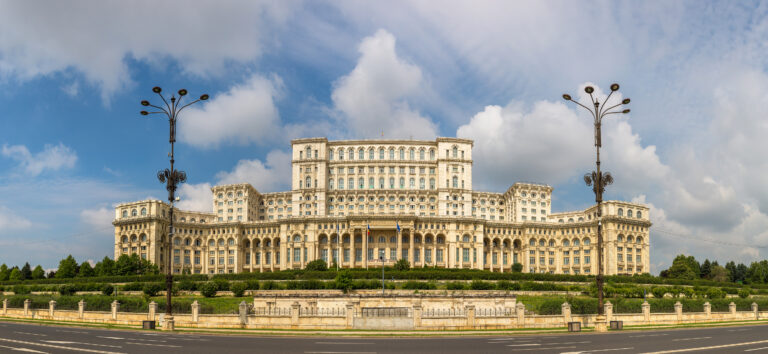
Cheaper alternative: MBBS & dentistry in English/French · ≈ $10k/yr all-in
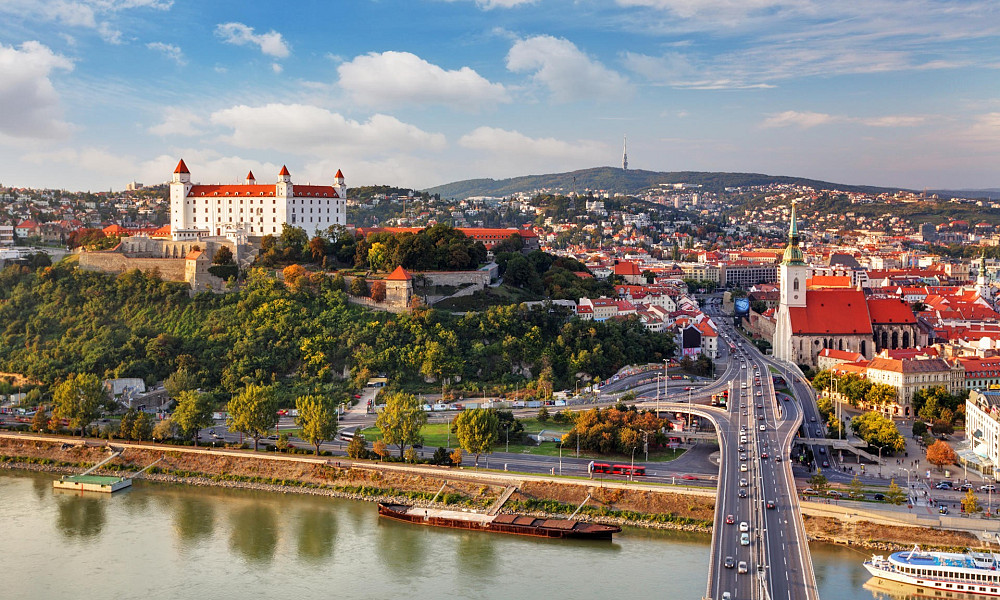
Also in Europe – Schengen: Medicine & engineering value route · ≈ $11k/yr all-in
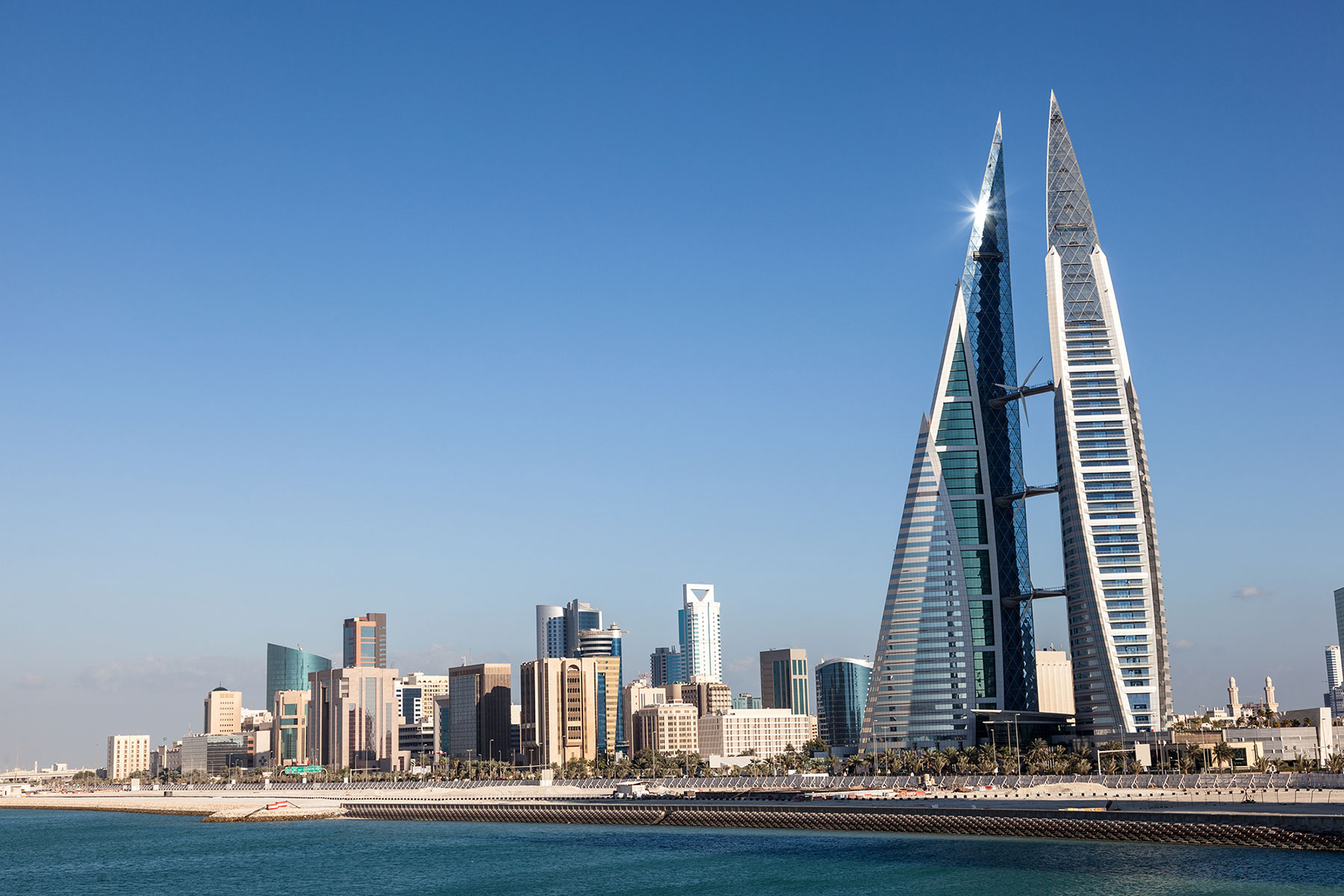
Same budget (Mid-Range), different map: UK & US branch campuses in Manama · ≈ $18k/yr all-in
The aspirational step-up: Top-100 universities; post-study work focus · ≈ $38k/yr all-in
Spain gives you the full European package at southern prices: public-university tuition that can start under €1,000 a year in some regions, English-taught business and health programmes multiplying every intake, part-time work up to 30 hours a week, and a full year after graduation to find a job. Learn Spanish while you study — the world’s second most-spoken native language — and you don’t just leave with a degree. You leave employable on three continents.
The complete, honest case for Spain — the regional fee lottery, the 30-hour work rule, the job-search year, and the exact route from Pakistan — in one short narrated briefing.
The Spain video briefing is in production
The narrated 4-minute briefing for Spain lands in this slot very soon. Until then, get the exact same briefing — live, personal, and free — from a counsellor who will map it to your grades and budget.
Spain sets public tuition by region and by degree — and in regions like Andalusia and Galicia, a first-enrolment bachelor’s year can cost well under €1,000, while official master’s degrees commonly sit around €1,000–3,500. Madrid and Catalonia charge more; private universities charge far more. We shop the regions like it’s our own money.
Every other destination hands you a diploma; Spain hands you a diploma plus fluent Spanish — native language of 20+ countries and the US’s second language. Employers in trade, tourism, healthcare and tech pay for that combination. English-taught entry, Spanish-fluent exit: that’s the plan we build.
Spain’s reformed rules let student-visa holders work up to 30 hours a week in roles compatible with their studies — among the most generous caps in Europe. Combined with southern living costs, part-time work here genuinely moves the needle on your budget.
Graduates can apply for a job-search residence of up to 12 months — no employer needed upfront. Find qualifying work and you switch to a work residence permit, inside a Schengen country with Europe’s sunniest major economy and chronic hiring in tech, health, engineering and tourism.
Spain is a world leader in tourism and hospitality management (its schools feed the global hotel industry), strong in architecture, renewable energy, sports management and increasingly in English-taught medicine-adjacent and health programmes. Your field may be cheaper — and better ranked — here than anywhere else on your list.
Valencia, Granada, Seville, Salamanca, Barcelona, Madrid: student cities with centuries of university tradition, rents far below Paris or Amsterdam, halal food widely available in the south, and a climate that makes February feel like a rumour. Parents ask about grades; students stay for this.
Business & International ManagementHospitality & TourismArchitectureMedicine & Health SciencesSports ManagementRenewable EnergyComputer Science & DataLaw & International RelationsDesign & CommunicationAviation & Logistics
| Item | Guide figure | What to know |
|---|---|---|
| Public university tuition | ≈ €800–3,500 / year | Varies sharply by region & degree; repeat enrolments cost more — pass first time |
| Private universities & business schools | ≈ €6,000–30,000 / year | IE / ESADE-tier schools are world-class and priced like it; regional privates far less |
| Living costs | ≈ €700–1,100 / month | Madrid & Barcelona at the top; Granada, Valencia & Salamanca far gentler |
| Visa funds proof (IPREM-based) | ≈ €600 / month of study | Calculated from the IPREM index — we confirm the current figure for your consulate |
Comparing countries on cost? See how Austria compares — full cost guide or scan every option in the Mid-Range: Maximum Value budget hub.
Spain’s own schemes include MAEC-AECID government scholarships (mainly postgraduate), regional and university merit awards, and faculty assistantships at research master’s and PhD level. The giant is Erasmus Mundus: fully funded joint master’s degrees that often include a Spanish university in the consortium — tuition, travel and a monthly allowance covered. We scan every shortlist for it automatically.
Finish your degree and Spain typically offers a job-search residence of up to 12 months to find employment or launch a business — then a work residence permit when you land the role. During studies: up to 30 hours/week of compatible work. Honest note: Spanish fluency is the single biggest factor in graduate hiring — which is why it’s built into your plan from month one, not bolted on at graduation.
We match your budget to Spain’s regional fee map and pick English-taught entry with a Spanish runway — or a Spanish-taught route if your level already allows it.
Pakistani qualifications need recognition steps (homologación / UNEDassis for many bachelor routes). We sequence credentials, translations and deadlines so nothing expires mid-process.
Funds evidence built to the IPREM standard, visa filed, then TIE/NIE residence card, empadronamiento and bank setup in your first-week checklist.
Yes — English-taught programmes (especially business, tourism, data and international degrees) are growing fast, and big cities function in English day-to-day. But part-time jobs and graduate roles overwhelmingly reward Spanish. Our honest deal: we’ll get you in through the English door, and you commit to the free/cheap Spanish courses we line up — most students reach conversational level within the degree.
Spanish regions set their own public tuition. The same degree can cost under €1,000 in one region and three times more in another — before you even compare rents. That’s why our Spain shortlists are built region-first: identical degree title, radically different total bill.
Spain calculates funds from the IPREM index — as a planning guide, around €600 per month of study in a sponsor’s account, plus tuition where unpaid. We confirm the exact current IPREM figure and evidence format for your consulate before your family moves any money.
Legally, yes — up to 30 hours a week in study-compatible work, and Spain’s tourism, hospitality and retail sectors hire students heavily in season. Realistically, Spanish speakers get hired first — one more reason the language plan starts in Pakistan, with basics before you fly.
Spanish refusals cluster around funds evidence and unclear study purpose. We counter both: bank statements prepared to consulate standard, and a study-plan narrative that connects your past, your Spanish programme and your career — rehearsed with you before you file.
Still weighing it up? Browse the Europe – Schengen region hub or the Mid-Range: Maximum Value budget hub to compare Spain against its closest alternatives.
Four honest alternatives drawn from the Europe – Schengen region hub, the Mid-Range budget tier and the premium step-up shelf — each with the reason it belongs on your shortlist.
Cheaper alternative: Engineering, CS, automotive; many low/no-tuition public routes · Tuition €0 · living ≈ $13k/yr
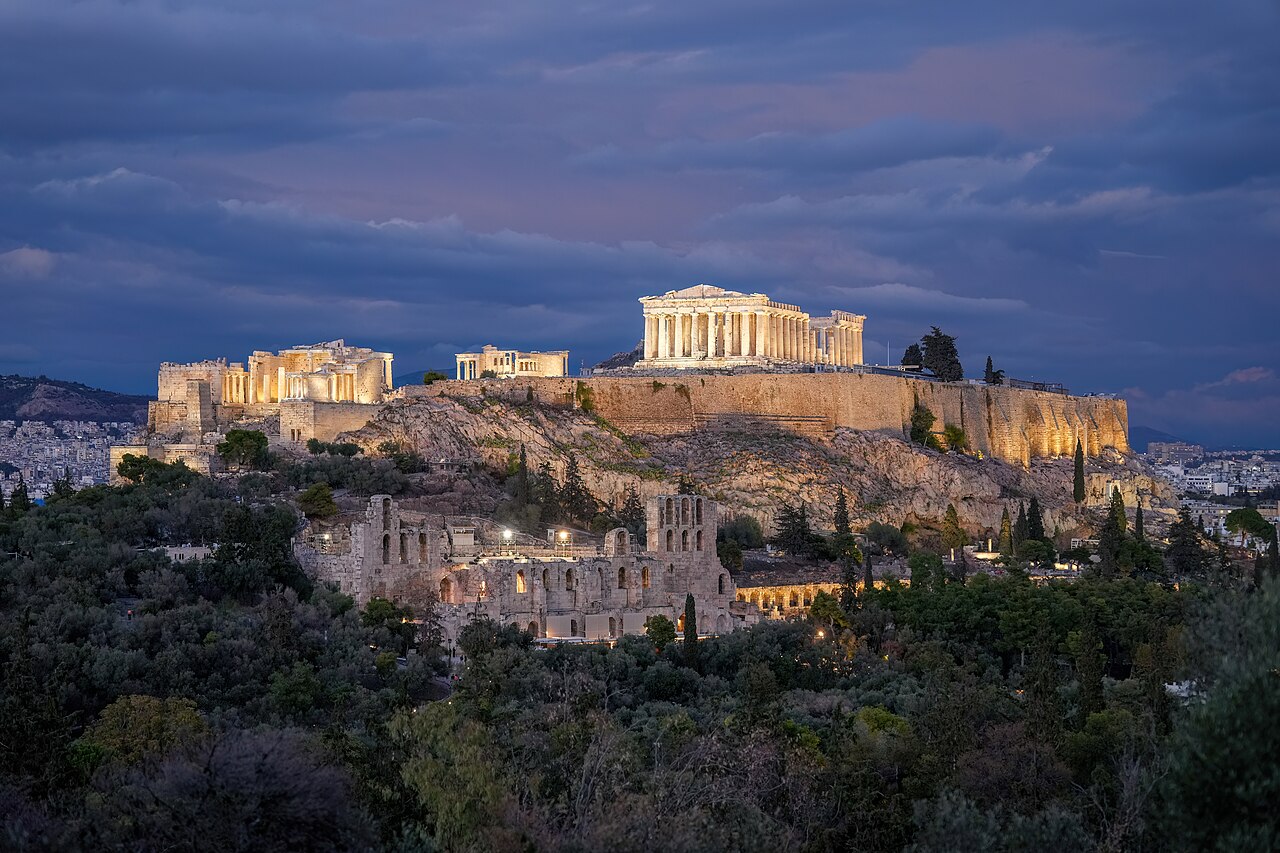
Also in Europe – Schengen: Medicine, maritime, humanities · ≈ $12k/yr all-in
Same budget (Mid-Range), different map: UK & US branch campuses in Manama · ≈ $18k/yr all-in
The aspirational step-up: Asia's top-ranked universities; finance & tech · ≈ $28k/yr all-in
No country teaches in English like the Netherlands: 2,000+ English-taught programmes, a wall of top-200 universities (Delft, Amsterdam, Utrecht, Groningen, Eindhoven), and a culture so direct your lecturers expect you to argue with them. Then the masterstroke — the orientation year: a full year after graduation to find work, no sponsor needed. Dutch tuition isn’t the cheapest in Europe, and Amsterdam housing is a contact sport. Planned properly, this is the sharpest value-for-ranking play on the continent.
The complete, honest case for the Netherlands — the English-taught depth, the orientation year, the housing warning, and the exact route from Pakistan — in one short narrated briefing.
The Netherlands video briefing is in production
The narrated 4-minute briefing for Netherlands lands in this slot very soon. Until then, get the exact same briefing — live, personal, and free — from a counsellor who will map it to your grades and budget.
TU Delft, University of Amsterdam, Utrecht, Groningen, Eindhoven, Leiden, Wageningen, Erasmus Rotterdam — the Netherlands packs elite research universities into a country smaller than Sindh, with particular firepower in engineering, data, agriculture, water, logistics and business. Whatever your field, a ranked Dutch option exists.
The Dutch are famously the world’s best non-native English speakers. You’ll study, intern, work and live in English from day one, while free Dutch courses quietly build the local edge that wins graduate jobs. No other mainland-European country removes the language barrier this completely.
After graduating you can take the zoekjaar — a one-year residence permit to look for work, with free access to the labour market. Land a job meeting the (reduced, graduate-friendly) salary threshold and you switch to the highly-skilled migrant permit. It’s the cleanest study-to-career bridge in Europe.
Rotterdam’s port, Schiphol logistics, ASML’s chip machines, Wageningen’s food science, Amsterdam’s fintech and creative industries — Dutch universities are wired directly into employers you’ve heard of. Internships aren’t an add-on here; they’re the culture.
The Netherlands runs two honest tracks: research universities (WO) for academic depth, and universities of applied sciences (HBO) for hands-on, employer-built degrees — often cheaper and with mandatory work placements. We place you on the track your career actually needs, not the one with the fancier brochure.
Honesty first: student housing in Amsterdam, Utrecht and Delft is brutally competitive. Our files start the housing hunt the day your offer lands — university-reserved rooms, smaller cities (Enschede, Maastricht, Groningen) with saner rents, and verified channels only. Students who start late pay for it; ours don’t.
Computer Science & AIData ScienceEngineering (Delft / Eindhoven)Logistics & Supply ChainBusiness & FinanceAgriculture & Food TechnologyWater & Civil EngineeringLife Sciences & HealthMedia & Creative IndustriesEnvironmental Sciences
| Item | Guide figure | What to know |
|---|---|---|
| Tuition — research universities (non-EU) | ≈ €12,000–20,000+ / year | Medicine and top programmes above this; exact fee set per programme |
| Tuition — applied sciences (HBO) | ≈ €8,000–13,000 / year | Often the value pick: employer-linked, placement-heavy degrees |
| Living costs | ≈ €1,000–1,400 / month | Amsterdam rents lead; smaller university cities can cut this by a third |
| Visa funds proof | ≈ €1,200 / month of study (guide) | The IND living-cost norm, revised periodically — we confirm the current norm for your intake |
Comparing countries on cost? See how Australia compares — full cost guide or scan every option in the Premium: World Elite budget hub.
There is no giant Dutch national full-ride — the honest picture is a stack: the NL Scholarship (€5,000, one-off, for non-EEA students at participating institutions), university excellence awards (Amsterdam Merit, Utrecht Excellence, faculty scholarships), and Holland alumni / faculty discounts. We assemble the stack per university and quote you the real net fee — never the sticker price.
The orientation year (zoekjaar) gives graduates up to 12 months in the Netherlands to find work with unrestricted labour-market access — apply within 3 years of graduating. A qualifying job converts to the highly skilled migrant permit at a reduced salary threshold for orientation-year graduates. During your degree you may work up to 16 hours/week in term (or full-time in June–August) with an employer work permit — realistic for living-cost support, arranged through your employer.
WO vs. HBO, Amsterdam vs. the saner-rent cities, numerus-fixus deadlines flagged — your shortlist balances rank, net fee and housing reality.
Applications via Studielink and university portals run early (some programmes close 15 January). We file early and stack NL Scholarship + university awards onto your best offers.
Your university sponsors your residence permit; we prepare the funds proof to the IND norm — and start your housing hunt the moment the offer arrives, not the month you fly.
No — for admission, classes, internships and daily life, English genuinely suffices, and that’s unique in mainland Europe. But Dutch employers quietly prefer Dutch-speaking graduates for many roles, so our plans include free university Dutch courses: optional for survival, valuable for hiring.
In Amsterdam, yes — rooms are scarce and scams target international students. It’s manageable with an early start: university housing ballots, legitimate platforms, and considering superb universities in Groningen, Enschede, Maastricht or Nijmegen where rents can be €300–500/month lower. We build the city choice into your shortlist maths from day one.
As a planning guide, the IND sets a monthly living-cost norm — recently around €1,200/month — which your university verifies as part of your permit application, on top of tuition. The norm is revised periodically; we confirm the exact figure and acceptable evidence forms for your intake.
Popular programmes (psychology, some engineering, business and medical tracks) cap their places with selection deadlines as early as 15 January. Miss the date and the programme is closed for a year. Your free session includes a deadline audit for every programme on your shortlist.
At 16 hours/week in term you can cover a solid share of living costs outside Amsterdam’s rent peak — but your permit file must stand on family/sponsor funds, and employers must arrange a work permit (a simple, standard step many student employers know well). We budget conservatively and treat earnings as a bonus.
Still weighing it up? Browse the Europe – Schengen region hub or the Premium: World Elite budget hub to compare Netherlands against its closest alternatives.
Four honest alternatives drawn from the Europe – Schengen region hub, the Premium budget tier and the premium step-up shelf — each with the reason it belongs on your shortlist.

Cheaper alternative: Sunny, affordable EU living; business & tech · ≈ $15k/yr all-in
Cheaper alternative: MBBS & dentistry in English/French · ≈ $10k/yr all-in
Same budget (Premium), different map: PGWP & PR-pathway planning; public colleges + universities · ≈ $35k/yr all-in
The aspirational step-up: Largest choice; scholarships & STEM-OPT strategy · ≈ $45k/yr all-in
Ireland is where the world’s biggest tech and pharma companies put their European headquarters — Google, Meta, Apple, Microsoft, Pfizer, Johnson & Johnson — and where a master’s graduate can typically stay back two full years to work. Trinity College Dublin, UCD, UCC and peers punch far above the country’s size; the people are famously welcoming; and there’s no language barrier at all. Dublin rents bite — we’ll show you Cork, Galway and Limerick maths too. If your target is an English-speaking career launch inside the EU, Ireland is the answer hiding in plain sight.
The complete, honest case for Ireland — the graduate stay-back, the tech & pharma hiring engine, the Dublin cost warning, and the exact route from Pakistan — in one short narrated briefing.
The Ireland video briefing is in production
The narrated 4-minute briefing for Ireland lands in this slot very soon. Until then, get the exact same briefing — live, personal, and free — from a counsellor who will map it to your grades and budget.
Ireland hosts the EMEA headquarters of the world’s biggest technology and pharmaceutical firms — and they hire locally, in English, at European salaries. For computing, data, pharma, biotech, medtech and finance graduates, no country this size offers this density of multinational employers. Your degree plugs straight into that hiring machine.
Ireland’s Third Level Graduate Programme typically lets master’s graduates (NFQ Level 9) remain up to 24 months to seek and take up employment — bachelor’s (Level 8) graduates typically 12 months. From there, Critical Skills and General Employment Permits build toward long-term residence (Stamp 4). It’s one of Europe’s most graduate-friendly ladders.
Trinity College Dublin (founded 1592), University College Dublin, University of Galway, UCC, University of Limerick, Maynooth and the technological universities — respected by employers and immigration officers alike, with particular strength in pharma, computing, business and health. Your CV carries the name worldwide.
No “English-taught island in a foreign-language sea”: lectures, landlords, employers, doctors and bus drivers all operate in English. For students (and parents) who want Europe without the language project, Ireland removes the single biggest friction of continental study.
Nine of the world’s top ten pharma companies operate in Ireland; the medtech cluster around Galway is world-scale. Chemistry, pharmaceutical science, biomedical engineering and regulatory-affairs graduates walk into a jobs market built for them — a field-specific advantage few destinations can copy.
Honest maths: Dublin rents rival London’s. But Cork, Galway, Limerick and Waterford host excellent institutions at markedly lower living costs, with the same stay-back rights and their own employer clusters. Our shortlists compare total cost city by city — most families are surprised how far the budget stretches outside the capital.
Computer Science & Data AnalyticsPharmaceutical & Biotech SciencesBusiness & FinanceBiomedical & Medtech EngineeringNursing & HealthDigital MarketingSupply Chain & LogisticsLawFood ScienceCybersecurity
| Item | Guide figure | What to know |
|---|---|---|
| Tuition (non-EU) | ≈ €10,000–25,000 / year | Business & computing mid-range; medicine and specialist programmes far higher |
| Living costs — Dublin | ≈ €1,300–1,900 / month | Rent is the battle; purpose-built student housing books out early |
| Living costs — Cork / Galway / Limerick | ≈ €950–1,300 / month | Same degree value, friendlier budgets — a core part of our Ireland strategy |
| Visa funds evidence | ≈ €10,000 for your first year (guide) | Irish immigration guidance figure for degree students — we confirm the current requirement for your case |
Comparing countries on cost? See how Australia compares — full cost guide or scan every option in the Premium: World Elite budget hub.
The flagship is the Government of Ireland International Education Scholarship: a full fee waiver plus a €10,000 stipend for one year, awarded to a small number of outstanding students — competitive, and worth a professionally built application. Beneath it, universities run international merit scholarships (commonly €1,000–€5,000, some percentage-based up to 50% at select institutions). We apply you to every award your grades qualify for, automatically.
Graduates use the Third Level Graduate Programme: typically 12 months after a Level 8 bachelor’s and up to 24 months after a Level 9 master’s, working full-time while you job-hunt or settle into a role. Employment then moves onto Critical Skills (fast-track, for shortage occupations) or General Employment Permits, with long-term residence (Stamp 4) reachable after qualifying years. In term time you may work 20 hrs/week (40 in holidays) — a real contribution outside Dublin rents.
We align your field with Ireland’s employer clusters (tech in Dublin, medtech in Galway, pharma nationwide) and set your city by total cost, not habit.
Direct applications with transcripts, references and SOPs tuned to Irish admissions — plus GOI-IES and every university merit award your profile earns.
Funds evidence to Irish immigration standard, insurance arranged, accommodation hunt started early — and your stay-back clock explained before you even land.
The Third Level Graduate Programme is a defined immigration permission for eligible graduates of Irish institutions — master’s graduates typically receive up to 24 months. It isn’t a job guarantee: you must still win the role. What it guarantees is time and work rights — the two things graduates elsewhere run out of. We verify your course’s NFQ level before you apply, because that level sets your stay-back length.
Irish guidance expects degree students to evidence access to around €10,000 for the first year of study (in addition to fees), from properly documented sources. The exact evidence rules are updated periodically — we build your file to the current standard and check every statement before filing.
If your budget is comfortable and your target employers cluster in Dublin, the capital earns its rent. Otherwise Cork, Galway and Limerick deliver the same national stay-back rights, strong universities and multinational employers at hundreds of euros less per month. Your free session includes a city-by-city cost comparison for your exact course.
Most Irish universities require an English test (IELTS typically 6.0–6.5, or accepted equivalents like PTE/Duolingo at many institutions). Some accept a Medium of Instruction letter for specific programmes — we verify per university rather than assume, so your application never dies on a technicality.
Ireland is consistently among Europe’s most welcoming countries for Pakistanis, with established communities and mosques in Dublin, Cork and Galway, and halal food widely available. Universities run strong international-student support — and our pre-departure briefing covers neighbourhoods, housing scams and first-month essentials honestly.
Still weighing it up? Browse the Europe – Beyond Schengen region hub or the Premium: World Elite budget hub to compare Ireland against its closest alternatives.
Four honest alternatives drawn from the Europe – Beyond Schengen region hub, the Premium budget tier and the premium step-up shelf — each with the reason it belongs on your shortlist.
Cheaper alternative: EU-side universities; English-taught · ≈ $19k/yr all-in
Cheaper alternative: MBBS in English; popular with Pakistani students · ≈ $10k/yr all-in
Same budget (Premium), different map: Largest choice; scholarships & STEM-OPT strategy · ≈ $45k/yr all-in
The aspirational step-up: Design, life sciences, green tech · ≈ $26k/yr all-in
NUS and NTU sit in or near the global top 10–15 in major rankings — ahead of most of the Ivy League’s neighbours — in a city-state that is spotless, spectacularly safe and three hours closer to Karachi than London is. Tuition Grants from the Ministry of Education can cut your fees dramatically in exchange for a 3-year work bond with a Singapore-registered company. The honest caveat: Singapore has no automatic post-study work visa — staying runs through an employer and an Employment Pass. Enter with that plan, and a Singapore degree is a career rocket.
The complete, honest case for Singapore — the Tuition Grant bond, the rankings, the no-automatic-stay-back reality, and the exact route from Pakistan — in one short narrated briefing.
The Singapore video briefing is in production
The narrated 4-minute briefing for Singapore lands in this slot very soon. Until then, get the exact same briefing — live, personal, and free — from a counsellor who will map it to your grades and budget.
The National University of Singapore and Nanyang Technological University trade places with the world’s very best in global tables — and employers across Asia, the Gulf and the West know it. If your family’s goal is a degree whose name opens doors from Dubai to London, Singapore delivers it at Asian time-zone distance.
International students at the public universities can apply for the MOE Tuition Grant, which subsidises a large share of tuition. In return you sign a bond to work for a Singapore-registered company for 3 years after graduating — which most graduates want anyway. We plan the bond into your career strategy from day one.
Singapore is routinely ranked among the safest cities on the planet — spotless transit, near-zero street crime, efficient everything. For a first move abroad, especially for daughters, no destination reassures a Pakistani family like Singapore does. It’s also a Muslim-friendly city: mosques, halal food everywhere, and a large Malay-Muslim community.
Regional HQs of global banks, tech firms, shipping and trading houses crowd Singapore’s skyline. Internships and graduate roles in finance, fintech, data, logistics and biomedicine are the local industry — your university’s careers fair reads like a stock index.
Beyond NUS/NTU: SMU (business powerhouse), SUTD (design & technology), SIT, plus respected private and branch routes (e.g. James Cook, Curtin, PSB, Kaplan partners) at lower fees and with more flexible intakes. We map the whole ladder — prestige tier and value tier — to your grades and budget honestly.
Singapore does not hand every graduate a post-study work visa. Graduates typically get a short window (many can seek a 1-year Long-Term Visit Pass to job-hunt) and staying long-term means an employer sponsoring an Employment Pass at the required salary threshold. Strong-field graduates from the top universities succeed at this regularly — but we will never sell you Singapore as an automatic settlement route.
Computer Science & AIFinance, Fintech & Business AnalyticsEngineering (Electrical, Mechanical)Data ScienceBiomedical & Life SciencesBusiness & Management (SMU)Maritime & LogisticsDesign & TechnologyPublic PolicyHospitality & Tourism
| Item | Guide figure | What to know |
|---|---|---|
| Tuition — public universities, with grant | ≈ S$17,000–28,000 / year (guide) | Varies by course & grant level; medicine/dentistry sit far above — includes the 3-year work bond |
| Tuition — without grant / private routes | ≈ S$25,000–45,000+ / year | Private & branch-campus degrees vary widely; we verify total programme cost, not per-year teasers |
| Living costs | ≈ S$1,200–2,000 / month | Rent is the driver; hostel places go fast — apply the day you accept |
| Student’s Pass funds | Fees + living evidence, case-by-case | Singapore assesses funds with the application; we prepare clean, consistent sponsor documentation |
Comparing countries on cost? See how Australia compares — full cost guide or scan every option in the Premium: World Elite budget hub.
Full international scholarships exist at the top: NUS and NTU international scholarships (covering subsidised tuition, allowances and more for exceptional entrants), ASEAN/undergraduate awards open to strong applicants, SMU merit awards, and science/research scholarships at graduate level. Combined with the Tuition Grant, a top-profile student’s Singapore bill can shrink to a fraction of the sticker price — our files always run scholarship and grant tracks together.
There is no automatic post-study work visa in Singapore. The realistic, well-trodden path: graduate → short job-hunt window (graduates of the public institutions can typically apply for a 1-year Long-Term Visit Pass to seek employment) → employer-sponsored Employment Pass (salary thresholds apply, currently from around S$5,000/month for new entrants, higher in finance). Tuition Grant holders must complete their 3-year bond with a Singapore-registered employer. During term, full-time students at approved institutions may work up to 16 hrs/week. Plan for the employer step and Singapore rewards you; assume it’s automatic and it won’t.
We place your grades honestly — NUS/NTU/SMU ambition, strong mid-tier safety, private/branch value routes — with scholarship and Tuition Grant tracks on every offer.
Singapore deadlines are early and documents are scrutinised. We file complete, consistent applications and explain the grant bond to your family in writing before anyone signs.
In-principle approval, medical and pass issuance sequenced; hostel applications fired the day your offer lands — Singapore accommodation forgives no delay.
Because the degree itself does the heavy lifting: NUS/NTU graduates are hired across Asia and the Gulf at premium salaries, the Tuition Grant bond means 3 years of Singapore work experience for grant holders, and many graduates do secure Employment Passes with strong employers. You’re buying elite credibility and a network — with a job-hunt to win, not a permit to collect. We’ll model both outcomes honestly for your field.
The Ministry of Education subsidises a large portion of your tuition; in exchange you sign a bond to work for a Singapore-registered company for 3 years after graduation. It’s a work commitment, not a cash repayment — most graduates treat it as a guaranteed launchpad. Breaking it triggers liquidated damages, so we make sure your family understands it fully before signing.
With the grant at a public university, plan on roughly S$17,000–28,000/year tuition for many programmes plus S$1,200–2,000/month living — premium by Asian standards, still typically below UK/Australia totals for comparable ranking. Your session includes a full 3–4 year cost projection, not a first-year teaser.
Very. Singapore has a large Malay-Muslim community, mosques across the island, halal certification everywhere and official respect for religious practice. Add near-zero crime and superb public transport, and parents consistently rate it the least worrying destination on our entire list.
Full-time matriculated students at approved institutions may work up to 16 hours a week in term (and full-time in vacations) without a separate permit. Treat it as living-cost support only — your Student’s Pass file must stand on sponsor funds.
Still weighing it up? Browse the Southeast Asia region hub or the Premium: World Elite budget hub to compare Singapore against its closest alternatives.
Four honest alternatives drawn from the Southeast Asia region hub, the Premium budget tier and the premium step-up shelf — each with the reason it belongs on your shortlist.
Cheaper alternative: Hospitality, business; affordable living · ≈ $13k/yr all-in
Cheaper alternative: Government scholarship; UBD in English; calm Muslim-majority state · Government scholarship can cover everything
Same budget (Premium), different map: Geothermal, environment, small cohorts · Tuition €0 · living ≈ $25k/yr
The aspirational step-up: Research strength; non-EU tuition now applies · ≈ $28k/yr all-in
Dubai and Abu Dhabi run the world’s largest branch-campus market: Heriot-Watt, Middlesex, Wollongong, Birmingham and more awarding the same degrees as their home campuses — a 3-hour flight from Karachi, in a Muslim-majority, halal-everywhere, Urdu-on-every-street environment your parents already trust. Fees sit between Asia and the West; outstanding graduates can qualify for the 10-year Golden Visa. The trade-off: no cheap public route and living costs that reward planning. For families who want Western parchment without Western distance, the UAE is the answer.
The complete, honest case for the UAE — branch-campus degrees, the Golden Visa, the real Dubai budget, and the exact route from Pakistan — in one short narrated briefing.
The UAE video briefing is in production
The narrated 4-minute briefing for UAE lands in this slot very soon. Until then, get the exact same briefing — live, personal, and free — from a counsellor who will map it to your grades and budget.
Branch campuses in Dubai’s academic zones award degrees from their home universities — a Heriot-Watt or Middlesex degree earned in Dubai is the home university’s degree. Many students also transfer mid-degree to the UK/Australia campus (subject to grades and visa approval), making Dubai a lower-risk launchpad for the full Western route.
Halal food is the default, mosques are everywhere, Urdu and Punjabi are heard across the city, and Pakistan is close enough for family visits and Ramadan at home. For parents anxious about a first move abroad — especially for daughters — the UAE removes nearly every worry except the invoice.
The UAE’s 10-year Golden Visa covers categories that include outstanding students and graduates of UAE universities with high GPAs — a genuine long-term residence prize for top performers. Beneath it: employer-sponsored work visas in an economy that hires Pakistanis at every level, and job-seeker entry permits for graduates testing the market.
Pakistanis form one of the UAE’s largest expatriate communities, from banking and aviation to tech and trade. Internships and graduate roles exist across Dubai’s free zones, Abu Dhabi’s energy/finance sector and Sharjah’s education city — and your counsellor maps which campuses feed which industries.
Branch campuses compete on scholarships: advertised merit discounts commonly run 15–50% of tuition for strong transcripts, plus early-bird and sibling awards. The sticker price is the start of the negotiation — our shortlists quote your realistic net fee per campus before you commit.
Don’t overlook UAE-grown institutions: Khalifa University (research powerhouse with generous graduate scholarships), University of Sharjah, AUS (American University of Sharjah) and UAE University in Al Ain. For engineering, health and research careers, some outperform the branch options — we compare both shelves honestly.
Business & ManagementComputer Science & AIEngineeringAviation & LogisticsFinance & AccountingHospitality & TourismMedia & DesignPsychologyArchitectureLaw (common-law pathways)
| Item | Guide figure | What to know |
|---|---|---|
| Tuition — branch campuses | ≈ AED 45,000–95,000 / year | Before merit discounts; business & engineering vary by campus — net fee quoted in your shortlist |
| Tuition — local universities | ≈ AED 40,000–110,000 / year | AUS at the top end; graduate research scholarships at Khalifa can cover fees + stipend |
| Living costs (Dubai) | ≈ AED 3,500–6,000 / month | Student residences and shared housing in academic zones anchor the lower band |
| Visa & funds | Sponsored by your institution | Student residence is arranged through the university; funds evidence is per-institution — we prepare it cleanly |
Comparing countries on cost? See how Australia compares — full cost guide or scan every option in the Premium: World Elite budget hub.
UAE scholarships are institutional, not national — which makes them negotiable territory for the well-advised: merit discounts of 15–50% at branch campuses for strong grades, early-application awards, and at research level, full graduate scholarships (tuition + stipend) at institutions like Khalifa University. Our UAE files always apply to at least two competing campuses — competing offers are how the net fee drops.
The UAE has no generic “post-study visa” — the ladder is: Golden Visa for outstanding students/graduates (10-year residence for qualifying high achievers, including top-GPA graduates of UAE universities), job-seeker entry permits (fixed-term permits to enter and hunt), and standard employer-sponsored work residence in a labour market with deep demand for Pakistani professionals. Students can also work part-time in many free-zone setups with the right permits — we verify per campus and zone, because rules genuinely differ.
Branch vs. local, Dubai vs. Sharjah vs. Abu Dhabi — shortlisted by degree value, transfer options and your realistic discounted fee, not the brochure price.
We run parallel applications so campuses compete on scholarship. You choose with net-fee letters side by side.
University-sponsored student residence processed, accommodation in academic zones arranged, and your Golden-Visa GPA target set from semester one.
Yes — degrees from licensed branch campuses are awarded by the home university and are the same qualification as the home campus issues, which is precisely why transfer pathways to the UK/Australia exist. We verify each campus’s UAE licensing (CAA/KHDA) status in your shortlist, because only accredited campuses protect your degree’s value.
Golden Visa student/graduate categories target outstanding performers — typically very high school scores (around 95%+) or university GPAs around 3.8 for accredited UAE universities, with rules set by the authorities and updated over time. Treat it as a prize for excellence we aim at together, not a promise — your session includes the current criteria applied to your profile.
Plan tuition (after realistic discounts) plus AED 3,500–6,000/month living in Dubai; Sharjah-based study can run noticeably cheaper with a Dubai-adjacent life. Your written plan itemises residence-permit, insurance and deposit costs too — the UAE rewards families who budget exactly, and surprises families who don’t.
In many cases yes — students in Dubai’s creative/free zones can obtain work permits for part-time roles, and campuses run internship programmes with free-zone employers. Rules vary by zone and campus, so we confirm your exact campus position before you rely on any earnings in your budget.
Sometimes you should — and we’ll tell you if so. The UAE wins when family proximity, cultural comfort, a lower-risk first step or a transfer strategy matters, or when UK visa risk makes a Dubai start + transfer the smarter play. It’s a strategy decision, and your free session compares both routes with real numbers.
Still weighing it up? Browse the Middle East & Gulf region hub or the Premium: World Elite budget hub to compare United Arab Emirates against its closest alternatives.
Four honest alternatives drawn from the Middle East & Gulf region hub, the Premium budget tier and the premium step-up shelf — each with the reason it belongs on your shortlist.
Cheaper alternative: Türkiye Scholarships; Europe-Asia bridge · ≈ $9k/yr all-in
Cheaper alternative: UK & US branch campuses in Manama · ≈ $18k/yr all-in
Same budget (Premium), different map: Research strength; non-EU tuition now applies · ≈ $28k/yr all-in
The aspirational step-up: PGWP & PR-pathway planning; public colleges + universities · ≈ $35k/yr all-in
Saudi Arabia is spending at historic scale to become an education power: the Study in Saudi platform opens government scholarships at major public universities — tuition, stipends and flights for awarded students — while KAUST runs one of the most generous graduate fellowships on earth. For a Muslim student from Pakistan, the spiritual gravity needs no explaining: Makkah and Madinah in your own country of study. The honest notes: part-time work isn’t part of the deal, post-study work runs through employer sponsorship, and many public campuses are gender-segregated. Enter clear-eyed, and Saudi can fund your entire future.
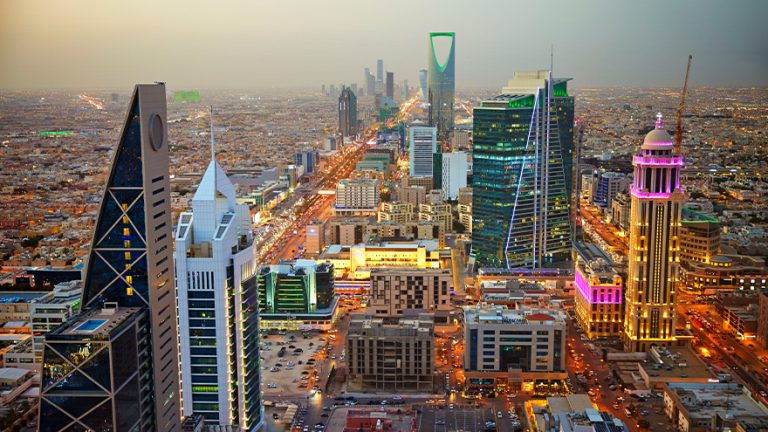
The complete, honest case for Saudi Arabia — the full scholarships, KAUST, the work rules stated plainly, and the exact route from Pakistan — in one short narrated briefing.
The Saudi Arabia video briefing is in production
The narrated 4-minute briefing for Saudi Arabia lands in this slot very soon. Until then, get the exact same briefing — live, personal, and free — from a counsellor who will map it to your grades and budget.
Through the official Study in Saudi platform, international students apply for places at Saudi public universities — with scholarship awards that can cover tuition, a monthly stipend, housing and airfare for successful candidates. King Saud, King Abdulaziz, Imam Mohammad Ibn Saud and Princess Nourah (for women) are among the large host institutions. This is a full-funding route hiding behind a language and information barrier — we walk you through it.
King Abdullah University of Science and Technology offers admitted master’s and PhD students a fellowship famous worldwide: full tuition, a generous living stipend, housing, medical cover and relocation support — on a Red Sea research campus with laboratory resources few universities anywhere can match. Admission is brutally competitive; for a top engineering/science profile, it belongs on your list.
Study where Umrah is a domestic trip and Madinah is a weekend away. For many Pakistani families this isn’t a footnote — it’s the headline. Religious life is woven into the calendar and campus, halal is universal, and the cultural distance from Karachi is the smallest of any destination on this site.
NEOM, the Red Sea projects, Qiddiya, a booming tech and health sector — Saudi is hiring engineers, data scientists, health professionals and managers at mega-project scale, with Saudization policies balanced by genuine demand for skilled expatriates. A Saudi degree plus Arabic puts you inside that market’s front door.
Princess Nourah bint Abdulrahman University in Riyadh is among the largest women’s universities in the world, and Saudi female participation in higher education is high and rising. For daughters whose families want a conservative, faith-aligned environment with serious academic investment, Saudi offers what nowhere else does.
Scholarship students generally cannot work part-time; campuses are commonly gender-segregated; alcohol and much Western nightlife simply don’t exist; and post-study employment means an employer sponsorship (iqama transfer), not an open graduate visa. Families who thrive here value exactly this structure — we make sure you choose it with eyes open.
Engineering (Energy, Electrical, Civil)Computer Science & AIMedicine & Health SciencesIslamic Finance & BusinessData SciencePetroleum & GeoscienceArabic & Islamic StudiesArchitecture & Urban PlanningBiotechnologyLogistics & Supply Chain
| Item | Guide figure | What to know |
|---|---|---|
| Tuition — scholarship students | ≈ SAR 0 + stipend (awarded places) | Government scholarships typically cover tuition, housing, stipend and flights — competitive and quota-based |
| Tuition — self-funded private universities | ≈ SAR 40,000–95,000 / year | Medicine at the top; public-university self-funded places (where offered) cost less |
| Living costs | ≈ SAR 2,000–3,500 / month | University housing (often included for scholarship students) anchors the low end; Riyadh above Jeddah |
| Visa & funds | Education visa via Study in Saudi | Scholarship awards carry the financial case; self-funded files need clean sponsor evidence — we prepare both |
Comparing countries on cost? See how Argentina compares — full cost guide or scan every option in the Study Abroad for Almost Free budget hub.
Saudi Arabia is a scholarship-first destination: the Study in Saudi government scholarships (full packages at public universities), the KAUST Fellowship for graduate researchers (full tuition, stipend, housing, medical), plus university-specific awards and research assistantships. Self-funded routes exist but are rarely the smart play here — our Saudi files are built entirely around winning funded places, with honest grading of your chances before you spend a rupee.
There is no open post-study work permit: staying means an employer hires you and sponsors your residence (iqama transfer), as happens for millions of Pakistani professionals already working in the Kingdom. Part-time work on a student visa is generally not permitted — your funding must come from scholarship or family. The realistic career frame: a funded Saudi degree, Arabic fluency and Vision-2030 sector skills make you highly employable in the Gulf’s largest economy — through the sponsorship door, like everyone else.
We grade your profile against Study in Saudi quotas and KAUST competitiveness, then build a list where your funding chances are real — gender-appropriate campuses included.
Attested transcripts, recommendation letters, medical and police documentation — sequenced months ahead, because Saudi scholarship calendars open early and close hard.
Visa issued against your award letter; iqama, university registration and housing (typically provided for scholarship students) completed in your first-week checklist.
Yes: Saudi government scholarships for international students are an official, long-running programme, now applied for through the Study in Saudi platform. Full awards typically cover tuition, university housing, a monthly stipend, medical care and annual airfare. They are competitive and country-quota based — which is why application quality and timing decide outcomes, and why we grade your chances in writing before you commit.
Generally, no — student residence in Saudi Arabia does not include work rights, and scholarship terms reinforce that. Budget on scholarship stipend or family support alone. The counterweight: for awarded students, the package is designed to cover your real costs, so part-time work isn’t the financial necessity it is in London or Sydney.
Women study at scale in Saudi Arabia — Princess Nourah University alone is one of the world’s largest women’s universities — and scholarship programmes actively award places to female students, including from Pakistan. Campuses are commonly gender-segregated and dress codes apply. Families choose Saudi precisely for this faith-aligned structure; your session covers the specifics for your target university.
Very. KAUST admits a small global cohort of outstanding STEM graduates, expecting elite grades, strong English scores and research promise. If your profile is genuinely top-tier, the fellowship is life-changing and we’ll build the application with you. If it isn’t yet, the Study in Saudi route plus a strong master’s record can make you a future KAUST PhD candidate — we plan in stages, honestly.
Only through employer sponsorship — there is no graduate job-search visa. In practice, Saudi employers hire large numbers of Pakistani graduates, and a Saudi degree + Arabic + Vision-2030 sector skills (energy, construction, health, tech) is a strong hand. We’ll map the employers in your field during your session so you graduate with a target list, not a hope.
Still weighing it up? Browse the Middle East & Gulf region hub or the Study Abroad for Almost Free budget hub to compare Saudi Arabia against its closest alternatives.
Four honest alternatives drawn from the Middle East & Gulf region hub, the Near-Free budget tier and the premium step-up shelf — each with the reason it belongs on your shortlist.
Also in Middle East & Gulf: Türkiye Scholarships; Europe-Asia bridge · ≈ $9k/yr all-in
Also in Middle East & Gulf: Branch campuses; Dubai/Abu Dhabi hubs · ≈ $26k/yr all-in
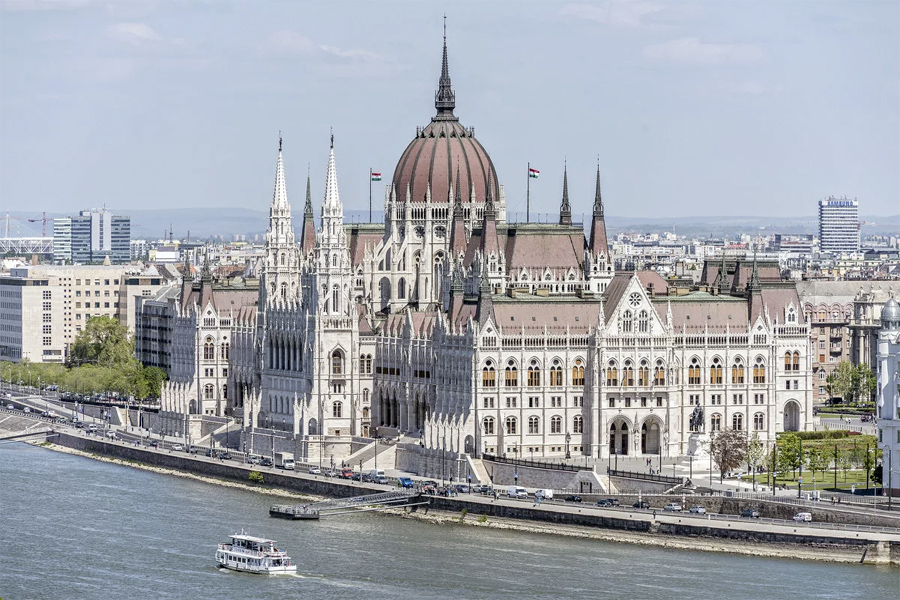
Same budget (Near-Free), different map: Medicine, dentistry, vet; Stipendium Hungaricum · Stipendium Hungaricum = full ride · self-funded ≈ $14k/yr
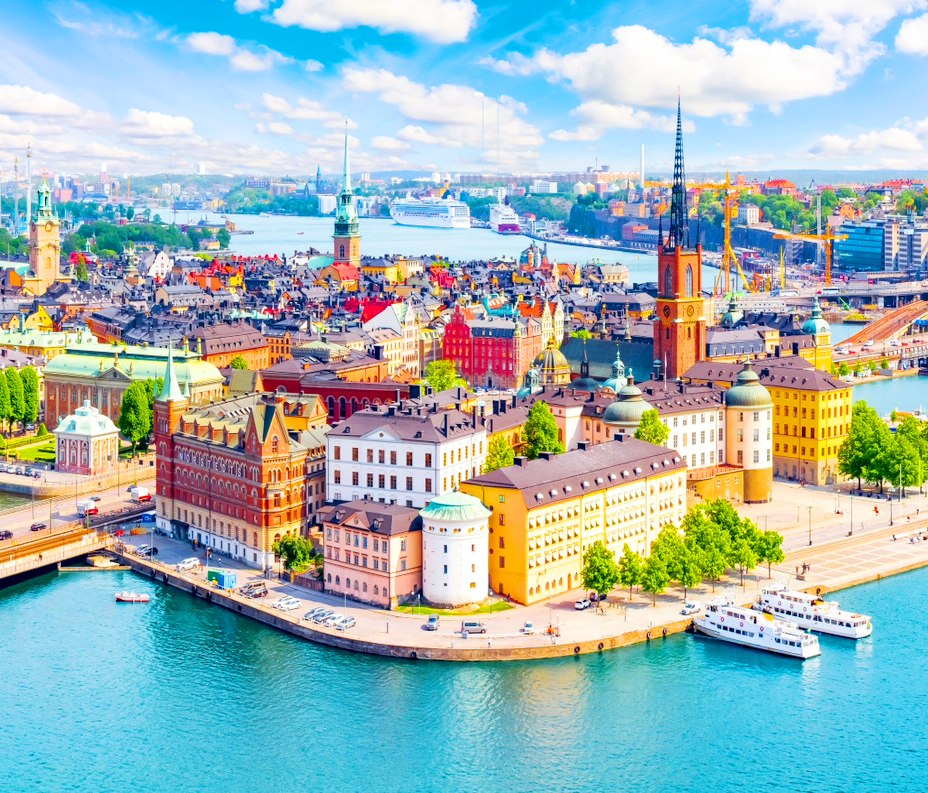
The aspirational step-up: Innovation, sustainability, engineering · ≈ $25k/yr all-in
The University of Cape Town, Wits, Stellenbosch and Pretoria are research universities of genuine world standing — English-taught, set in one of the most beautiful countries on earth, and typically charging a fraction of UK or Australian fees. South Africa is also honest work: there’s no automatic post-study work visa (the Critical Skills list is the serious route), and city safety demands street-smart choices we’ll brief you on properly. For medicine, engineering, development, data and the sciences — at this price — few destinations argue back.
The complete, honest case for South Africa — the university quality, the critical-skills route, the safety briefing, and the exact route from Pakistan — in one short narrated briefing.
The South Africa video briefing is in production
The narrated 4-minute briefing for South Africa lands in this slot very soon. Until then, get the exact same briefing — live, personal, and free — from a counsellor who will map it to your grades and budget.
The University of Cape Town sits in the global top 200 in major rankings and leads Africa, with Wits (Johannesburg), Stellenbosch and the University of Pretoria close behind — research-intensive, English-medium universities whose degrees carry weight with employers and universities worldwide. Groote Schuur, where the first heart transplant was performed, is UCT’s teaching hospital: the heritage is real.
International tuition at the top universities commonly runs around US$4,500–10,000/year for many programmes — with living costs in Cape Town or Pretoria a fraction of London or Sydney. A family can fund a full South African degree for what one year costs in the premium West. That arithmetic deserves a serious look.
South Africa publishes a Critical Skills list — engineers, health professionals, ICT specialists, scientists and more — whose holders can qualify for a Critical Skills Work Visa. Choose a listed field and your degree becomes a work-visa strategy; choose outside it and staying means an employer-sponsored general work visa (harder). We align your course choice with the list from day one.
Marine science, conservation, mining engineering, public health, development studies, astronomy (the SKA project) — South Africa offers research environments that simply don’t exist elsewhere, at universities that welcome international postgraduates. For research careers, this is a heavyweight destination disguised as a budget one.
A large, historic Muslim community (especially Cape Town’s Cape Malay heritage), halal food everywhere, English as the language of instruction and business, and a warm, socially open culture. Pakistani students consistently report settling fast — community, climate and cost all help.
We won’t varnish it: South African cities have real crime, and students must choose neighbourhoods, transport and habits carefully — as local students do. University areas, accredited student residences and sensible routines manage the risk well, and our pre-departure briefing covers it street by street for your campus. Load-shedding has eased markedly but backup power remains a normal part of residence life.
Medicine & Health SciencesEngineering (Mining, Civil, Electrical)Computer Science & DataPublic Health & DevelopmentMarine & Environmental ScienceBusiness & FinanceLawFilm, Media & DesignActuarial ScienceAgriculture
| Item | Guide figure | What to know |
|---|---|---|
| Tuition — top public universities | ≈ R80,000–180,000 / year (guide) | Roughly US$4,500–10,000; international levies apply; medicine & some programmes above the band |
| Tuition — postgraduate | ≈ R60,000–160,000 / year | Research master’s/PhD often cheaper, with supervisor-linked funding possible |
| Living costs | ≈ R10,000–18,000 / month | Cape Town tops the range; Pretoria & Bloemfontein far lower; accredited residences simplify budgeting |
| Visa funds evidence | Fees + living, documented | South Africa assesses means carefully; we build a clean, consistent sponsor file |
Comparing countries on cost? See how Austria compares — full cost guide or scan every option in the Mid-Range: Maximum Value budget hub.
International merit awards exist at the major universities (faculty and international-office scholarships, typically partial), and the big lever is postgraduate: supervisor- and project-linked funding for research master’s and PhD students, plus the Mastercard Foundation Scholars Program at partner institutions (highly competitive, full funding for exceptional students). At undergraduate level, the low base fees are themselves the scholarship — we quote total degree cost so your family sees the real bargain.
There is no automatic post-study work visa. The structured routes: the Critical Skills Work Visa (if your occupation is on the current list — up to 5 years, with a path toward permanent residence for qualifying experience), or an employer-sponsored General Work Visa (which requires the employer to show recruitment effort). During study you may work up to 20 hours/week. Choose a critical-skills field and plan employer targets early, and South Africa can become long-term; we’ll never pretend the door is automatic.
We cross-check your target course against the current Critical Skills list and set city by safety, cost and employer density — before any application.
Foreign qualifications go through SAQA evaluation; we sequence it early alongside university applications and any merit-award deadlines.
Funds file to embassy standard, accredited accommodation booked near campus, and a proper safety-and-settling briefing before you fly.
It requires the same seriousness you’d apply to any big city — plus local knowledge. Students live well in university neighbourhoods and accredited residences, use recommended transport, and follow the security guidance universities issue. Our briefing is specific (areas, transport, habits) rather than generic reassurance, and we connect you with the campus’s international office support from week one.
The Department of Home Affairs publishes a list of occupations in shortage — spanning engineering, health, ICT, sciences and more. If your qualification and experience match a listed occupation, you can apply for a Critical Skills Work Visa (with professional-body registration where required). The list is revised periodically; we check your exact field against the current list in your session and design your degree choice around it.
You must evidence means for tuition and living for your study period — bank statements and sponsor documentation are examined carefully, and inconsistencies are the classic refusal cause. We build the file slowly and consistently, months ahead, the way South African missions like to see it.
Yes — a study visa allows part-time work up to 20 hours per week. In Cape Town and Johannesburg, campus-adjacent retail, tutoring and hospitality jobs are realistic for living-cost support. Your visa case, however, must stand on family/sponsor funds — part-time income is a supplement, never the plan.
Yes — South Africa runs on the southern-hemisphere calendar: the academic year typically starts in February (with a July second semester). That timing actually suits Pakistani students finishing exams mid-year — but applications close the preceding September/October for many programmes, so your file starts earlier than intuition suggests.
Still weighing it up? Browse the Africa region hub or the Mid-Range: Maximum Value budget hub to compare South Africa against its closest alternatives.
Four honest alternatives drawn from the Africa region hub, the Mid-Range budget tier and the premium step-up shelf — each with the reason it belongs on your shortlist.
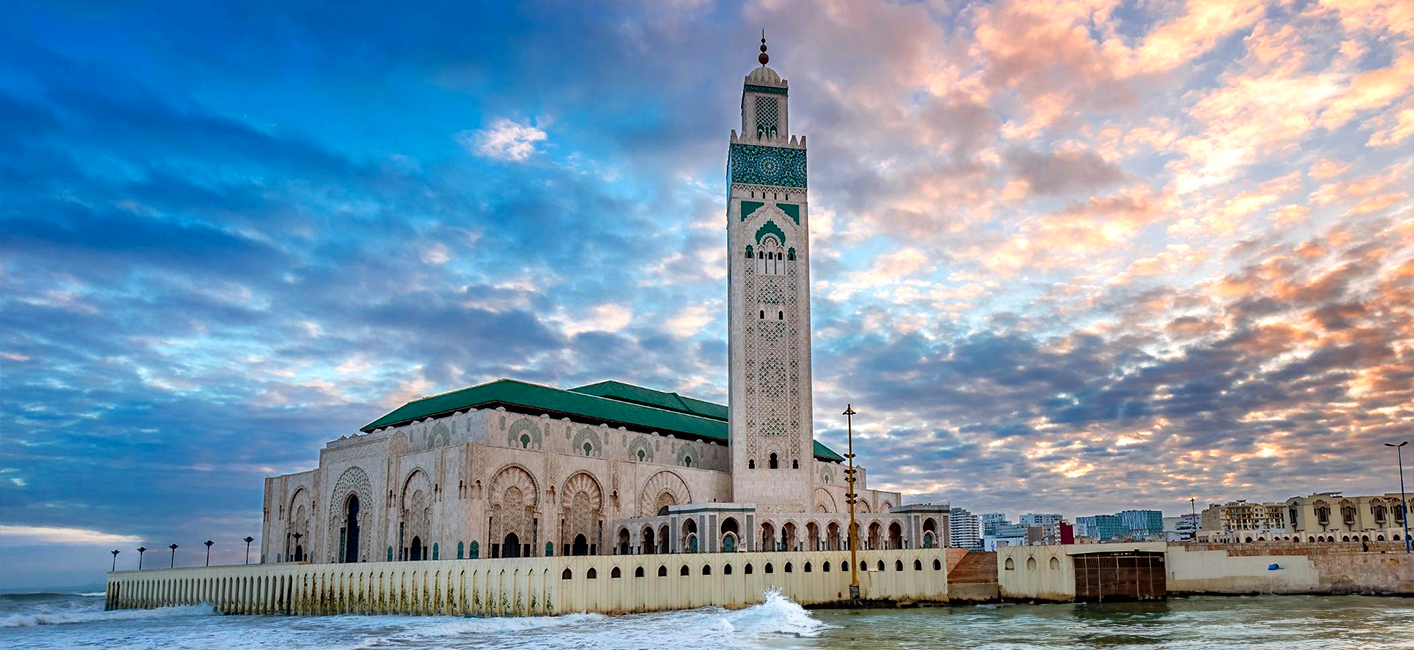
Cheaper alternative: French/Arabic publics near-free + English flagships UM6P & Al Akhawayn · ≈ $7k/yr all-in (public route)
Same budget (Mid-Range), different map: Business, fashion, engineering; growing English-taught range · ≈ $16k/yr all-in
The aspirational step-up: American-model private universities; Gulf family base · ≈ $24k/yr all-in
Same budget (Mid-Range), different map: Medicine, maritime, humanities · ≈ $12k/yr all-in
Here is the fact that stops the room: Brazil’s federal universities — USP, Unicamp, UFRJ and peers, ranked among Latin America’s best — charge no tuition at all, to Brazilians or to foreigners. The door for international students is the PEC-G programme, which reserves places (with a funded Portuguese year built in) — because degrees are taught in Portuguese, and that language year is the honest price of a free elite degree. Add living costs far below Europe and the world’s friendliest campus culture, and Brazil becomes the boldest value play on this entire site.
The complete, honest case for Brazil — the zero-tuition federal system, the PEC-G door, the Portuguese year, and the exact route from Pakistan — in one short narrated briefing.
The Brazil video briefing is in production
The narrated 4-minute briefing for Brazil lands in this slot very soon. Until then, get the exact same briefing — live, personal, and free — from a counsellor who will map it to your grades and budget.
Brazil’s public universities are tuition-free by law — including for the international students admitted through official channels. USP (University of São Paulo) ranks at or near the top of Latin American tables, with Unicamp, UFRJ, UFMG and UFRGS in the same conversation. The barrier isn’t money. It’s Portuguese — and barriers that yield to one year of study are the good kind.
The PEC-G programme (Programa de Estudantes-Convênio de Graduação) reserves undergraduate places at Brazilian public universities for students from partner developing countries, and includes a free Portuguese course with the CELPE-Bras proficiency exam before your degree begins. Postgraduate sibling scheme PEC-PG funds master’s and PhD study. We confirm Pakistan’s current participation window and build your file to the embassy’s checklist.
Portuguese is spoken by 260M+ people across Brazil, Portugal and Africa — and almost nobody in the Pakistani graduate market has it. A free Brazilian degree plus professional Portuguese makes you a category of one for trade, energy, agriculture and development employers working between Asia and Latin America.
Brazil runs world-scale science: tropical medicine, agriculture (Embrapa is a global legend), aerospace (Embraer), energy and biodiversity research in the Amazon’s backyard. Public universities are research universities — undergraduate students join laboratories early, and postgraduate funding (CAPES/CNPq scholarships) is a real system, not a rumour.
Outside São Paulo’s premium districts, students live well on roughly US$500–900/month — university restaurants serve subsidised meals for a few reais, and many federal universities provide student housing assistance. Your family’s total exposure can undercut a single year in the UK — for the whole degree.
Portuguese is non-negotiable for public-university degrees (English-taught programmes exist mainly at private universities, which charge fees). Post-study work runs through employer-sponsored work residence — there’s no open graduate visa — and bureaucracy moves at its own pace. Brazil rewards the patient and the prepared; that’s why the file is built with us, a full cycle ahead.
MedicineEngineering (Aerospace, Civil, Petroleum)Computer ScienceAgriculture & Food ScienceEnvironmental & Amazon StudiesArchitectureLaw & International RelationsPublic Health & Tropical MedicineBusiness (private universities)Portuguese Language + Degree
| Item | Guide figure | What to know |
|---|---|---|
| Tuition — federal/state public universities | R$0 | Free by law, including PEC-G entrants; you budget living costs only |
| Tuition — private universities | ≈ R$1,500–5,000 / month | PUC and peers; medicine far higher — the public route is the strategy |
| Living costs | ≈ R$2,500–4,500 / month | University restaurants & housing aid compress this further; São Paulo/Rio at the top |
| Visa funds evidence | Means for your stay, documented | PEC-G files are lodged via the Brazilian embassy — clean sponsor evidence, prepared early |
Comparing countries on cost? See how Argentina compares — full cost guide or scan every option in the Study Abroad for Almost Free budget hub.
For PEC-G undergraduates, the scholarship is the free tuition plus the funded Portuguese year (the programme itself does not pay a living stipend — budget accordingly). At postgraduate level, CAPES and CNPq scholarships fund master’s and PhD researchers, and PEC-PG channels international postgraduates into funded places. University housing and subsidised-meal schemes stretch every real further. Our Brazil files are built around the official programmes — never around paying private fees for what the public system gives free.
Brazil offers no automatic post-study work visa: staying to work means a residence permit tied to an employment contract (employer-sponsored), a route Brazilian graduates’ employers know well — and graduates of Brazilian institutions can also regularise through other residence categories that change over time (we verify the current rules for your graduation year). Realistically, most Pakistani graduates build their launch from the degree + Portuguese combination across Brazil-linked employers in the Gulf, Pakistan and beyond. Part-time work during study is restricted on a student visa — budget on family funds.
We confirm the current PEC-G window for Pakistan, match your grades to federal-university courses, and set realistic city choices beyond Rio/São Paulo.
PEC-G applications run through the Brazilian embassy on a fixed annual calendar — attested documents, health and funds evidence, all sequenced with months to spare.
You complete the funded Portuguese course and CELPE-Bras certification in Brazil, then walk into your tuition-free degree — with our settling-in checklist for housing, CPF registration and university enrolment.
The catch is Portuguese and process, not money. Public universities teach in Portuguese, so PEC-G builds in a language year ending with the CELPE-Bras proficiency exam — pass it and your degree place activates. Places are allocated by country agreement and academic record, and numbers are limited. It’s competitive and bureaucratic, which is precisely why a professionally built, early file matters.
At private universities, some English-taught and bilingual programmes exist — but they charge monthly fees, surrendering Brazil’s core advantage. Our honest advice: if you won’t invest the Portuguese year, choose a different destination from our list. If you will, almost nothing anywhere matches a free degree from USP-tier institutions.
Living costs only — roughly US$500–900/month depending on city, plus flights and setup. Over a full degree that can total less than one year of UK tuition. PEC-G doesn’t pay a stipend, so your family funds living costs in full — the visa file evidences exactly that, cleanly and early.
Brazilian campus culture is famously warm to foreigners, and major cities have Muslim communities and mosques (São Paulo hosts one of Latin America’s largest). City safety requires the usual big-city intelligence — neighbourhood choice and habits, covered street-by-street in our briefing for your university city.
The degree + Portuguese combination is rare and tradeable: Brazilian multinationals, Gulf employers working with Brazil, development agencies, agribusiness and energy all value it. Post-study work inside Brazil requires employer-sponsored residence (no automatic visa) — we set expectations and employer targets honestly from your first session.
Still weighing it up? Browse the South America region hub or the Study Abroad for Almost Free budget hub to compare Brazil against its closest alternatives.
Four honest alternatives drawn from the South America region hub, the Near-Free budget tier and the premium step-up shelf — each with the reason it belongs on your shortlist.

Also in South America: Tuition-free public universities; Spanish pathway · Tuition $0 at publics · living ≈ $8k/yr
Same budget (Near-Free), different map: Medicine, dentistry, vet; Stipendium Hungaricum · Stipendium Hungaricum = full ride · self-funded ≈ $14k/yr
The aspirational step-up: Education City branch campuses; HBKU & QU scholarships · Education City · aid can cut costs deeply
Same budget (Near-Free), different map: Medicine, design, engineering; regional scholarships exist · Fees from ≈ €0 (income-based) · living ≈ $10k/yr
Austria charges non-EU students a statutory public tuition of roughly €727 per semester — then hands you a degree from universities like Vienna (founded 1365), Graz and Innsbruck, in the heart of Schengen Europe. Add a 12-month job-search permit after graduation and the entire German-speaking DACH job market in front of you. The honest key that unlocks all of it: German. Enter through English-taught master's programmes or a language-first bachelor route — we build the plan either way.
The complete, honest case for Austria — the statutory low fee, the 12-month stay-back, the German reality, and the exact route from Pakistan — in one short narrated briefing.
The Austria video briefing is in production
The narrated 4-minute briefing for Austria lands in this slot very soon. Until then, get the exact same briefing — live, personal, and free — from a counsellor who will map it to your grades and budget.
Most Austrian public universities charge third-country students €726.72 per semester, plus a small student-union fee. That is not a discount or a scholarship trick — it is the standard statutory rate, a fraction of what comparable quality costs in the UK, Australia or even private European schools.
Vienna repeatedly tops global liveability rankings — safe, orderly, with superb public transport, huge student dormitory stock and universities woven through the city. Graz adds a tech-and-student buzz, Innsbruck puts the Alps at your door, Salzburg and Linz keep costs even gentler.
English-taught master's programmes get you in; German gets you hired. Austria, Germany and Switzerland form one giant German-speaking labour market short of engineers, IT specialists and healthcare staff. Graduate bilingual and three countries compete for you.
After your degree you can typically extend your residence for 12 months to look for work. Land a graduate-level job and the Red-White-Red Card system is designed to keep skilled graduates in Austria — a transparent, points-based route instead of a lottery.
Vienna, Graz, Innsbruck and the technical universities feed Austria's engineering, pharma, manufacturing and green-tech employers — with TU Wien and TU Graz carrying serious research weight in exactly the fields Pakistani students target.
Budapest, Prague, Munich, Bratislava and northern Italy are all a train ride away on your Schengen residence. Weekends build the European network and confidence that employers back home and abroad both notice.
Engineering (TU Wien · TU Graz)Computer Science & AIBusiness & EconomicsMedicine & HealthMusic & Performing ArtsNatural SciencesTourism & HospitalityArchitectureLaw & Social SciencesData Science
| Item | Guide figure | What to know |
|---|---|---|
| Public university tuition (non-EU) | ≈ €1,453 / year | €726.72/semester at most public universities, set by regulation; some programmes & universities of applied sciences differ |
| Private & applied-sciences routes | ≈ €4,000–15,000 / year | Fachhochschulen and private universities set their own fees — sometimes worth it for English-taught, industry-linked degrees |
| Living costs | ≈ €950–1,300 / month in Vienna · €800–1,100 elsewhere | Student dormitories keep rent survivable; budget honestly for Vienna |
| Residence-permit funds proof | ≈ €613 / month (under 24) to ≈ €1,150 / month (24+) | Figures are set by regulation and updated periodically — we confirm the current amount for your file |
Comparing countries on cost? See how Bahrain compares — full cost guide or scan every option in the Mid-Range: Maximum Value budget hub.
Austria's funding runs through the OeAD — including the Ernst Mach Grant for postgraduate and research stays — plus university performance scholarships and fee reductions for strong students, and fully funded Erasmus Mundus joint masters. Honest framing: full free rides for bachelor students are rare — in Austria the scholarship is the €1,453 base fee itself.
Graduate and you can typically take a 12-month residence extension to seek employment; a qualifying job opens the Red-White-Red Card route. During studies, part-time work is possible through an employer-obtained employment permit — commonly up to 20 hours/week at bachelor level, with more flexibility at master's level (confirm current rules for your permit type).
Most bachelor degrees teach in German (B2–C1 evidence); master's choice in English is far wider. We pick your route — direct English entry, or German-first with a foundation year — and shortlist Vienna/Graz/Innsbruck by total cost.
Austrian admission for Pakistani qualifications can include supplementary checks; the residence file needs funds, housing and insurance evidence in exact formats. We assemble both so nothing bounces on a technicality.
Residence card collection, Meldezettel address registration, bank account, ÖH student union and semester ticket — sequenced in your first-week checklist.
Yes — €726.72 per semester is the standard statutory tuition for third-country nationals at most Austrian public universities, plus a small student-union fee each semester. Exceptions exist (some programmes and private institutions charge more), and we flag them in your shortlist before you apply — never after.
For most bachelor programmes, yes — teaching is in German and B2–C1 evidence is normal. At master's level, English-taught options are plentiful in engineering, CS, business and sciences. Either way, daily life and graduate jobs run on German — our plans include free or cheap university German courses from your first semester.
The residence-permit means test is set by regulation and age: as a guide, around €613/month for students under 24 and around €1,150/month for those 24+, shown via bank statements, sponsor evidence or a scholarship letter. The amounts update periodically — we verify the exact current figure before your family moves money.
Yes, within the rules of the employment-permit system: your employer applies, and bachelor students commonly work up to about 20 hours a week. Treat earnings as a contribution to living costs, not your funding plan — your residence renewal depends on your studies progressing.
Austrian files usually fail on incomplete funds evidence, missing housing proof or admission conditions left unmet — paperwork problems, not student problems. We audit your dossier against the authority's checklist before filing, so your case reads clean and complete.
Still weighing it up? Browse the Europe – Schengen region hub or the Mid-Range: Maximum Value budget hub to compare Austria against its closest alternatives.
Four honest alternatives drawn from the Europe – Schengen region hub, the Mid-Range budget tier and the premium step-up shelf — each with the reason it belongs on your shortlist.
Also in Europe – Schengen: Digital society; startups & IT · ≈ $12k/yr all-in
Also in Europe – Schengen: Education, tech, gaming; scholarships common · ≈ $20k/yr all-in
Same budget (Mid-Range), different map: Business, hospitality, health; Spanish adds job power · ≈ $14k/yr all-in
The aspirational step-up: Education City branch campuses; HBKU & QU scholarships · Education City · aid can cut costs deeply
Belgium puts the European Union's headquarters, NATO and hundreds of international organisations in your student city — and charges public tuition that commonly sits between €1,000 and €6,000 a year. KU Leuven, Ghent, UCLouvain and ULB anchor a research-heavy system, English-taught master's degrees are everywhere, and graduates get a 12-month orientation year to convert study into a Belgian career. Paris is 80 minutes away. London, two hours. This is Europe's centre of gravity.
The complete, honest case for Belgium — the two-community fee system, the orientation year, EU internships, and the exact route from Pakistan — in one short narrated briefing.
The Belgium video briefing is in production
The narrated 4-minute briefing for Belgium lands in this slot very soon. Until then, get the exact same briefing — live, personal, and free — from a counsellor who will map it to your grades and budget.
KU Leuven sits comfortably among the world's top universities and is famous for research output; Ghent, UCLouvain, ULB, VUB and Antwerp complete a dense, high-quality system in a country of 11 million. Your degree carries weight across the whole EU.
The EU institutions, NATO, embassies, NGOs, think-tanks and the law and lobbying firms that serve them all hire interns and juniors in Brussels — in English. For IR, law, policy, business and communications students, no other city offers this density of career doors.
Belgium prices tuition by community: Flemish universities (Leuven, Ghent, Antwerp, VUB) and French-community universities (UCLouvain, ULB, Liège, Mons) set different non-EU fees. We compare both sides of the language border and target your best-value match.
Master's teaching in English is extensive, especially in Flanders. Add French or Dutch while you study — Belgium's employers pay a premium for multilingual graduates — and your CV separates from every monolingual rival.
Graduates can apply for an orientation year — 12 months of residence to look for work or prepare a business. Find qualifying employment and you move onto a work-based permit, with your student years counting toward your long-term residence story.
Amsterdam, Paris, London and Cologne are all within about two hours. Conferences, internships, research visits and weekends multiply the value of one Belgian base — on a student rail budget.
EU Studies & International RelationsEngineeringComputer Science & DataBusiness & EconomicsLawMedicine & Life SciencesDevelopment StudiesPublic HealthPolitical ScienceArchitecture
| Item | Guide figure | What to know |
|---|---|---|
| Public university tuition (non-EU) | ≈ €1,000–6,000 / year | Set by community & programme; some specialised master's and advanced degrees charge more — medicine and a few elite tracks sit above the band |
| Living costs | ≈ €900–1,300 / month | Brussels & Leuven at the top; Ghent, Antwerp & Liège gentler; the student "kot" (room) market starts early |
| Visa funds proof | ≈ €1,000 / month of study (planning figure) | Shown via blocked account, sponsor undertaking (Annex 32) or scholarship letter — we confirm the current official amount for your intake |
| Application & legalisation | Modest, but document-heavy | Pakistani documents need attestation & legalisation steps — cheap if sequenced early, painful if left late |
Comparing countries on cost? See how Austria compares — full cost guide or scan every option in the Mid-Range: Maximum Value budget hub.
Flanders' Master Mind Scholarship offers top international master's students a grant of around €10,000 per year. VLIR-UOS funds students from eligible developing countries — Pakistan has featured on its list — for English-taught programmes in Flanders, and the French community runs ARES awards. Add university tuition waivers and Erasmus Mundus: Belgium rewards early, excellent files.
The orientation year gives graduates up to 12 months in Belgium to find a job or build a company, then a single permit via your employer. During studies, the student-jobs system lets you work up to 475 hours a year at reduced social contributions — typically capped around 20 hours/week in term time.
Flanders or French community? Leuven prestige or Liège value? We map fees, language of teaching and scholarship windows (Master Mind / VLIR-UOS deadlines land early in the year) into one plan.
Attested Pakistani documents, blocked-account or sponsor paperwork, and housing leads — assembled in the order Belgian authorities actually process them.
Student visa filed, then commune registration, residence card, health insurance (mutualité) and bank account in your arrival checklist.
Not for the extensive range of English-taught master's programmes, and bachelor options in English exist too (notably in Flanders and Brussels). But part-time work and graduate hiring reward French or Dutch — our plan includes language courses so you graduate with the advantage, not just the degree.
Belgium's Flemish and French communities each regulate their universities' non-EU fees, and programmes price individually within those frameworks. Same country, same quality tier — sometimes thousands of euros apart. Shortlisting across both communities is free money; we do it by default.
Both routes exist: a blocked account with a Belgian institution (your money, released monthly) or a formal sponsor undertaking (Annex 32) from someone who meets the income test. We model both against your family's situation and confirm the current official monthly amount before anything is signed.
Yes — Brussels' ecosystem (institutions, NGOs, associations, firms) recruits interns continuously, and many traineeships are open to non-EU students legally resident in Belgium. They are competitive and often need French as a plus; we help you target the right tier from your first semester, not your last.
Belgian refusals usually cite funds evidence or study-purpose doubts. Both are preparation failures: we build your statement of purpose around a coherent programme story and your funds file to the letter of the current requirements — and rehearse you for questions before you file.
Still weighing it up? Browse the Europe – Schengen region hub or the Mid-Range: Maximum Value budget hub to compare Belgium against its closest alternatives.
Four honest alternatives drawn from the Europe – Schengen region hub, the Mid-Range budget tier and the premium step-up shelf — each with the reason it belongs on your shortlist.
Also in Europe – Schengen: Medicine, maritime, humanities · ≈ $12k/yr all-in
Cheaper alternative: Medicine, dentistry, vet; Stipendium Hungaricum · Stipendium Hungaricum = full ride · self-funded ≈ $14k/yr
Same budget (Mid-Range), different map: GKS scholarships; tech, media, business · ≈ $13k/yr all-in
The aspirational step-up: 1-year master's; Graduate Route; every field · ≈ $38k/yr all-in
Poland is the EU's quiet overachiever: a big, fast-growing economy, hundreds of English-taught programmes, tuition commonly between €2,000 and €6,000 a year, and student cities where €700 a month still lives well. Its English-taught MBBS programmes are a long-established route for Pakistani students — and here's the benefit almost nobody advertises: graduates of Polish full-time studies can be hired without a work permit, which makes you unusually easy to employ. Value, safety and a real graduate route, in one Schengen country.
The complete, honest case for Poland — the real fees, the MBBS recognition check, the graduate work-permit exemption, and the exact route from Pakistan — in one short narrated briefing.
The Poland video briefing is in production
The narrated 4-minute briefing for Poland lands in this slot very soon. Until then, get the exact same briefing — live, personal, and free — from a counsellor who will map it to your grades and budget.
English-division medicine at established Polish medical universities (Warsaw, Kraków, Gdańsk, Poznań, Łódź and more) has trained international doctors for decades. Our non-negotiable first step: verify the university's standing for practice in Pakistan (PMC/PMDC recognition and licensing path) before any application — recognition first, marketing second.
Engineering, CS and business degrees commonly run €2,000–6,000 a year, dormitory beds are genuinely cheap, and cities like Łódź, Lublin and Katowice stretch a student budget further than almost anywhere in the EU. Your family's total outlay can undercut one year in London.
Graduates of Polish full-time studies are exempt from the work-permit requirement — a Polish employer can hire you like a local graduate. Combine that with up to 9 months of job-search residence after your degree, and your stay-back story is concrete, not hopeful.
Warsaw's skyline tells the story: global tech, finance shared-services and engineering firms employ thousands of English-speaking graduates in Poland. IT, data, logistics and engineering students step into a labour market that is still expanding.
Warsaw for salaries and ambition, Kraków for beauty and student scale, Gdańsk for the Baltic coast, Wrocław and Poznań for value with big-university depth. We match city to your budget first, brochure second.
Hundreds of programmes teach fully in English. Polish itself is nobody's idea of easy — but even B1 Polish transforms part-time work and graduate hiring. Universities run cheap Polish courses; our students take them from semester one.
MBBS / MedicineDentistryComputer Science & ITEngineeringBusiness & ManagementAviationPharmacyArchitectureData ScienceNursing & Health
| Item | Guide figure | What to know |
|---|---|---|
| Tuition — most programmes | ≈ €2,000–6,000 / year | Engineering, CS, business and humanities at public & private universities; elite privates charge more |
| Tuition — English-taught MBBS | ≈ €11,000–16,000 / year | Set by each medical university; entrance exams in biology/chemistry are standard |
| Living costs | ≈ €600–1,000 / month | Warsaw at the top; dormitories and smaller cities far below; cooking at home is the norm |
| Visa funds proof | Tuition + roughly €600–800 / month of stay | Shown via sponsor/family bank evidence — we confirm the current consular standard for your file |
Comparing countries on cost? See how Austria compares — full cost guide or scan every option in the Mid-Range: Maximum Value budget hub.
Poland's agency NAWA runs the Banach Scholarship Programme — master's scholarships for citizens of developing countries (Pakistan has been among the eligible countries) covering tuition and a monthly stipend, often with a Polish-language preparatory year. Add rector's scholarships for top performers after year one, university merit discounts and Erasmus Mundus. We check your Banach eligibility in your first session.
After graduating you can apply for a temporary residence permit to seek work (up to 9 months) — and because Polish full-time graduates don't need a work permit, employers face zero extra paperwork to hire you. During full-time studies, students may work without a separate work permit; we explain how the rules apply to your exact status.
We shortlist by budget, city and — for medicine — licensing recognition back in Pakistan, then prepare you for any entrance exam (medical universities test biology & chemistry).
Apostilled documents, tuition prepayment where required, and sponsor evidence assembled to the consulate's current standard — the step where sloppy files die.
Dormitory or private housing, temporary residence card (TRC) application, PESEL number and bank account — your first-month sequence, handled.
Only if the university and programme meet the Pakistan Medical Commission's recognition requirements and you pass the licensing route on return. The English divisions of Poland's established medical universities are the recognised core — but lists and rules change, so we verify your exact university against the current position before you apply, in writing.
Requirements vary by university: many accept an English-proficiency/MOI letter or run their own interview, while competitive programmes ask for IELTS/TOEFL evidence. We match your profile to universities whose language evidence you can genuinely meet — and tell you when a real test strengthens your visa file anyway.
As a planning guide: first-year tuition plus living funds of roughly €600–800 per month in a sponsor's account, evidenced the way the consulate currently requires. Poland's bar is among Europe's more reachable — but "reachable" still means documented properly, which is where we come in.
Yes — graduates of full-time studies at Polish universities are exempt from the work-permit requirement, one of Poland's most practical advantages. You still need the right residence status (the 9-month job-search permit, then work-based residence), and we map that sequence in your plan.
Poland hosts a large and growing Pakistani student community, halal food is easy in the big cities, and student districts are accustomed to internationals. As anywhere, city and neighbourhood choice matter — we steer you to the established student areas our students already live in.
Still weighing it up? Browse the Europe – Schengen region hub or the Mid-Range: Maximum Value budget hub to compare Poland against its closest alternatives.
Four honest alternatives drawn from the Europe – Schengen region hub, the Mid-Range budget tier and the premium step-up shelf — each with the reason it belongs on your shortlist.
Also in Europe – Schengen: Business, hospitality, health; Spanish adds job power · ≈ $14k/yr all-in
Also in Europe – Schengen: Innovation, sustainability, engineering · ≈ $25k/yr all-in
Same budget (Mid-Range), different map: Hospitality, business; affordable living · ≈ $13k/yr all-in
The aspirational step-up: Asia's top-ranked universities; finance & tech · ≈ $28k/yr all-in
Portugal delivers the western-European life at the continent's gentlest prices: public-university tuition for international students commonly between €3,000 and €8,000 a year, Lisbon's startup energy (Web Summit calls it home), English-taught business master's at schools like Nova SBE, and some of the safest, sunniest student living anywhere. English gets you through the door in Lisbon and Porto; Portuguese — spoken by 260 million people — becomes your career multiplier. The honest catches: Lisbon rents have climbed, and residence paperwork runs slow. Plan early, and Portugal is a joy.
The complete, honest case for Portugal — the real fees, Lisbon's rent reality, the job-search route, and the exact path from Pakistan — in one short narrated briefing.
The Portugal video briefing is in production
The narrated 4-minute briefing for Portugal lands in this slot very soon. Until then, get the exact same briefing — live, personal, and free — from a counsellor who will map it to your grades and budget.
Public universities set an international-student fee statute, and most bachelor and master programmes land between €3,000 and €8,000 a year — against €15,000+ equivalents further north. Coimbra and Braga then cut living costs again. Your euro simply works harder here.
Web Summit, a deep remote-work and startup community, and multinational tech hiring have made Lisbon a genuine career city — especially for CS, data, product and business graduates from English-taught programmes like Nova SBE and Católica.
One of the world's oldest universities runs a city built entirely around students — with traditions, rents and a cost of living that Lisbon can't match. Porto adds industry and the Douro; Braga is Portugal's youth-and-tech value pick.
English-taught master's and a growing English bachelor shelf get you started; Portuguese learned alongside opens Brazil, Angola and a global Lusophone market of 260M+ speakers — a differentiator almost no rival destination offers.
Graduates can typically apply for a job-search residence (up to a year under current rules — we confirm at application) and convert to work residence with a qualifying job, inside a Schengen state with a chronic need for skilled workers.
Atlantic light, surf towns an hour away, café culture, and safety rankings that reassure every parent. Students come for the fees; they remember the life — and quality of life is a legitimate selection criterion.
Business & Management (Nova SBE)Computer Science & DataTourism & HospitalityEngineeringMedicineRenewable Energy & MarineLawDesign & CommunicationFinancePublic Health
| Item | Guide figure | What to know |
|---|---|---|
| Public university tuition | ≈ €3,000–8,000 / year | International-statute fees set per university & programme; medicine and top private business masters sit higher |
| Private universities & elite masters | ≈ €8,000–20,000 / year | Nova SBE / Católica-tier English masters are world-ranked and priced accordingly — a deliberate choice, not a default |
| Living costs | Lisbon ≈ €950–1,400 · Porto ≈ €800–1,150 · Braga/Coimbra ≈ €650–950 / month | Lisbon rents are the pressure point — apply for residences early or choose the student cities |
| Visa funds proof | ≈ 12 × minimum wage ≈ €10,440 / year (guide) | Benchmarked to the Portuguese minimum wage (€870/month in 2025) — we confirm the current figure and evidence format |
Comparing countries on cost? See how Austria compares — full cost guide or scan every option in the Mid-Range: Maximum Value budget hub.
University merit scholarships at Lisbon, Porto, Nova and others reward strong admitted students; Camões Institute awards support Portuguese-language and culture studies; FCT funds PhD research; and Erasmus Mundus joint masters regularly include Portuguese partners. Honest note: Portugal's value is its low base price — full scholarships exist but are the exception, and we plan on that basis.
Finish your degree and you can typically apply for a job-search residence permit (up to 12 months under current rules), converting to work residence when hired. Study-residence holders may work within the conditions of their permit — we confirm your exact rights at filing, because Portuguese immigration (AIMA) procedures and timelines have been changing.
In Portugal the city decision IS the budget decision. We compare Lisbon prestige vs. Porto balance vs. Coimbra/Braga value — with real rent data, not brochure numbers.
Portuguese administrative timelines (visa + AIMA residence steps) reward early filers. We sequence admission, funds evidence and housing so delays never cascade into a missed intake.
NIF tax number, NISS, bank account, residence appointment and university enrolment — the bureaucratic first month, turned into a checklist.
For study, yes at the growing shelf of English-taught programmes (broadest at master's level and in Lisbon/Porto). For life, Lisbon and Porto function well in English; for work, Portuguese is the multiplier. Universities offer Portuguese courses — take them from semester one and graduate employable across two language worlds.
Lisbon rents have risen sharply and a room can rival other western capitals — we won't pretend otherwise. The fixes are real though: university residences booked early, shared flats outside the centre on metro lines, or simply choosing Porto, Braga or Coimbra, where total living costs drop by a third or more.
The benchmark is tied to the Portuguese minimum wage — around €10,440 for a year at the 2025 rate (€870/month) — shown through sponsor bank evidence and/or proof of accommodation and tuition arrangements. We confirm the current figure and the exact evidence your consulate accepts before your family commits funds.
English-taught programmes set their own evidence — many accept IELTS/TOEFL, some accept MOI letters or internal tests, and Portuguese-taught routes need Portuguese instead. Your shortlist states the exact requirement per programme so there are no surprises after admission.
Portugal's immigration agency transition (SEF → AIMA) created real backlogs in residence appointments. It affects timing, not outcomes, for genuine students — which is why we file everything at the earliest possible date and keep your enrolment, housing and funds documents valid across the wait.
Still weighing it up? Browse the Europe – Schengen region hub or the Mid-Range: Maximum Value budget hub to compare Portugal against its closest alternatives.
Four honest alternatives drawn from the Europe – Schengen region hub, the Mid-Range budget tier and the premium step-up shelf — each with the reason it belongs on your shortlist.
Also in Europe – Schengen: Innovation, sustainability, engineering · ≈ $25k/yr all-in
Also in Europe – Schengen: Hospitality, finance, pharma; premium living costs · ≈ $29k/yr all-in
Same budget (Mid-Range), different map: UK & US branch campuses in Manama · ≈ $18k/yr all-in
The aspirational step-up: Largest choice; scholarships & STEM-OPT strategy · ≈ $45k/yr all-in
Greece is rewriting its offer to the world: flagship public universities (Athens, Aristotle Thessaloniki and others) now run English-taught undergraduate programmes — including medicine at around €12,000 a year — while Athens and Thessaloniki remain among the most affordable capitals in the EU. Add the world's largest merchant shipping industry, a tourism economy that hires every summer, 300 days of Mediterranean light and a Greek-taught route whose public fees have historically been minimal for students who learn the language. This is Europe's value frontier — with 3,000 years of university tradition behind it.
The complete, honest case for Greece — the new English-taught programmes, real Athens living costs, the recognition check for medicine, and the exact route from Pakistan — in one short narrated briefing.
The Greece video briefing is in production
The narrated 4-minute briefing for Greece lands in this slot very soon. Until then, get the exact same briefing — live, personal, and free — from a counsellor who will map it to your grades and budget.
Greece's top public medical schools now admit international students to English-taught MD programmes at fees around €12,000/year — against €20,000+ in much of Europe. Seats are few and competitive; our first job is verifying the programme's recognition path for practice in Pakistan before you fall in love with it.
Athens and Thessaloniki deliver full European capitals — metros, universities, nightlife, history — at living costs closer to €700–1,100 a month. Shared flats, student canteens and cheap transport stretch a Pakistani family budget further here than anywhere else in western-facing Europe.
Greek owners control the world's largest merchant fleet, and Piraeus is one of Europe's great ports. Maritime studies, naval architecture, logistics and shipping law in Greece plug directly into a global industry headquartered down the road from your campus.
Philosophy, medicine, mathematics, drama, democracy — Greece doesn't teach these subjects, it authored them. For humanities, classics, archaeology and history students, there is no richer classroom on earth, and field sites are your backyard.
The new English-taught programmes (undergraduate and a wide master's shelf) admit you directly. Alternatively, a Greek-language year opens the traditional public system, where fees for Greek-taught study have historically been very low. We compare both doors honestly for your timeline and budget.
Safe cities, a food culture built on fresh and halal-adaptable Mediterranean cooking, direct regional flights, and a climate that makes February feel like spring in Karachi. Students settle fast here — homesickness has very little to work with.
Medicine (English-taught)Maritime & Shipping StudiesTourism & HospitalityNaval ArchitectureArchaeology & ClassicsEngineeringBusiness & EconomicsComputer SciencePublic HealthPhilosophy & Humanities
| Item | Guide figure | What to know |
|---|---|---|
| English-taught public programmes | ≈ €5,000–12,000 / year | Medicine at the top of the band; other English-taught undergraduate & master's programmes lower — each university sets its own fee |
| Greek-taught public programmes | Historically low / minimal tuition | Requires Greek proficiency (usually via a language year + certification) — the patient route to the cheapest degree |
| Living costs | ≈ €700–1,100 / month | Athens & Thessaloniki; islands and tourist zones cost more in season — students base in the university cities |
| Visa funds proof | ≈ €500 / month + tuition evidence (planning guide) | Sponsor bank evidence to the consulate's current standard — we confirm the exact figure before you file |
Comparing countries on cost? See how Austria compares — full cost guide or scan every option in the Mid-Range: Maximum Value budget hub.
The IKY — State Scholarships Foundation runs scholarship programmes for foreign students (including Greek-language and postgraduate awards; calls are periodic and competitive), universities offer merit reductions on the new English-taught programmes, and Erasmus Mundus joint masters frequently include Greek partners. Plan on the low base costs as your main "scholarship" — anything further is a bonus we hunt for you.
Greece aligns with EU rules letting graduates extend residence to seek work (commonly up to around a year — confirm the current provision when you apply), and tourism/shipping give students seasonal and part-time openings within their permit conditions. Straight talk: the Greek graduate job market is competitive and Greek language matters — students who pair the degree with Greek and an industry (shipping, tourism, tech) do best.
We compare the English-taught entry (faster, fee-bearing) against the Greek-language year (slower, minimal fees) against your budget, age and career plan — with medicine recognition verified first where relevant.
English-taught medicine and competitive programmes test or rank applicants; we prepare your file and any entrance requirements on the university's real calendar, not a generic one.
Student visa, then residence permit, tax number (AFM), bank and housing in Athens or Thessaloniki — the arrival sequence, checklist-managed.
Yes — these are official programmes of Greece's public universities (the same institutions as the Greek-taught degrees), created under Greece's internationalisation law for foreign students. As with any medical degree, we verify the specific programme's recognition status for licensing in Pakistan before you commit — that check is step one, not an afterthought.
The alphabet takes a few weeks; conversational Greek takes a committed year — exactly what the language-year route provides, with certification at the end. Most of our Greece students choose English-taught entry and learn Greek alongside for work and daily life. Either way, English is widely spoken in the university cities.
As a planning guide, consulates look for sponsor evidence covering tuition plus roughly €500 per month of living costs, in the format they currently specify. Greece's overall bar is among Europe's gentler ones — but the file must still be complete and consistent, which is what we build with you.
Student residence permits allow part-time work within legal limits, and Greece's tourism economy creates heavy seasonal demand (hotels, agencies, services) — especially for English speakers. Don't budget your degree on it: treat earnings as support, and note that Greek-speaking students get hired first for most roles.
We'll be straight: Greece's youth job market is competitive, and a degree alone doesn't queue employers up. The students who convert are those in shipping/maritime, tourism management, tech and health — with Greek language and internships built during the degree. Your residence extension gives you the window; the plan we build gives you something to do with it. Many also use the Greek degree across the wider EU and Gulf markets.
Still weighing it up? Browse the Europe – Schengen region hub or the Mid-Range: Maximum Value budget hub to compare Greece against its closest alternatives.
Four honest alternatives drawn from the Europe – Schengen region hub, the Mid-Range budget tier and the premium step-up shelf — each with the reason it belongs on your shortlist.
Also in Europe – Schengen: Business, hospitality, health; Spanish adds job power · ≈ $14k/yr all-in
Also in Europe – Schengen: Innovation, sustainability, engineering · ≈ $25k/yr all-in
Same budget (Mid-Range), different map: UK/Aus branch campuses & twinning degrees · ≈ $11k/yr all-in
The aspirational step-up: Tech & pharma HQ hub; stay-back for graduates · ≈ $32k/yr all-in
Czechia holds one of Europe's most remarkable offers: public-university programmes taught in Czech carry no tuition fees — for any nationality. One intensive language year is the key, and the Czech government's own scholarship (Pakistan is on the eligible list) can pay for that year and your degree. Prefer English from day one? Charles University and its peers run famous English-taught medicine, dentistry and engineering at fair prices, in Prague and Brno — a tech hub locals call the Czech Silicon Valley. Graduates even get free access to the Czech labour market. Choose your door; both are real.
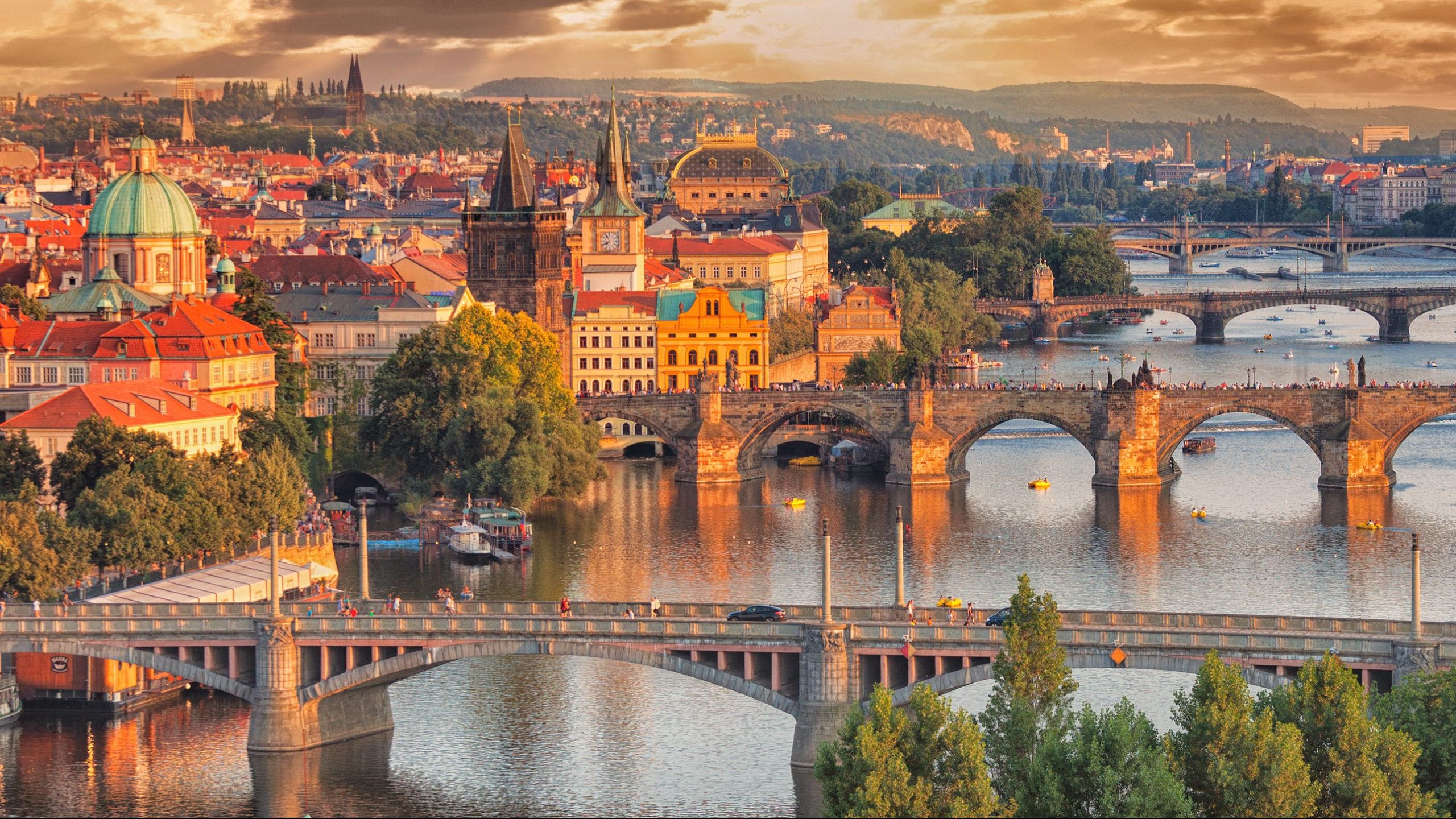
The complete, honest case for Czechia — the free-in-Czech deal, the government scholarship, English-taught medicine, and the exact route from Pakistan — in one short narrated briefing.
The Czechia video briefing is in production
The narrated 4-minute briefing for Czechia lands in this slot very soon. Until then, get the exact same briefing — live, personal, and free — from a counsellor who will map it to your grades and budget.
Study in the Czech language at a public university and tuition is zero — a rule that applies to international students too. The catch is honest: you need certified Czech (typically B2–C1), which is exactly what the one-year preparatory courses — and the government scholarship — exist to give you.
Founded in 1348, Charles is one of Europe's oldest universities, and its English-taught medicine and dentistry faculties (Prague, Hradec Králové, Plzeň) are a long-established route for international doctors. Masaryk (Brno), Palacký (Olomouc) and the technical universities complete a deep system.
Škoda Auto and the automotive supply chain, Brno's IT and engineering cluster, Prague's tech and shared-services scene — Czechia's unemployment is routinely among the EU's lowest, and engineers, IT specialists and health workers are in structural shortage.
Graduate from a Czech university and you get free access to the labour market — employers hire you without labour-market tests — plus the option of a long-term residence for job-seeking (up to 9 months) while you search. Your student years have built a real settlement foundation.
Prague is Europe's postcard capital and priced like a capital; Brno and Olomouc deliver the same degree quality at living costs a third lower, with huge student populations of their own. We shortlist by total cost, not by postcard.
Vienna is 4 hours by train, Berlin 4.5, Budapest and Munich similar — your Schengen residence turns weekends into a European education of their own, and internships across the region become realistic.
Medicine (English-taught)DentistryEngineering & AutomotiveComputer Science & ITPharmacyBusiness & EconomicsNatural SciencesFilm & Media (FAMU)ArchitectureData Science
| Item | Guide figure | What to know |
|---|---|---|
| Czech-taught public tuition | €0 | Free by law at public universities (small administrative/entrance fees only) — requires certified Czech proficiency |
| English-taught tuition | ≈ €3,000–18,000 / year | Medicine & dentistry at the top (≈ €11,000–19,000); engineering/CS/business far lower |
| Living costs | Prague ≈ €750–1,150 · Brno/Olomouc ≈ €600–900 / month | University dormitories are cheap and plentiful by European standards |
| Visa funds proof | ≈ CZK 120,000+ for a year (planning guide) | Czech rules calculate from the subsistence minimum with monthly increments — we confirm the exact current total for your visa type |
Comparing countries on cost? See how Austria compares — full cost guide or scan every option in the Mid-Range: Maximum Value budget hub.
The Czech Government Scholarship for developing countries — Pakistan is among the eligible countries — funds degree study in Czech (including a one-year language preparatory course) or selected English-taught master's/PhD programmes, with a monthly stipend. Applications typically close around 30 September for the following academic year. Add university merit awards, the South Moravian Centre's support in Brno, and Erasmus Mundus.
Czech graduates enjoy free access to the labour market — no employer permit hurdles — and can take a job-search long-term residence of up to 9 months after finishing. During studies, part-time work on standard student agreements (DPP/DPČ) is common and straightforward for resident students.
English now, or Czech-free via the language year/government scholarship? The scholarship deadline (~30 Sep, a full year ahead) decides the calendar — we grade your chances honestly and lock the route.
Pakistani qualifications need formal recognition (nostrification) for Czech universities, and medicine has entrance exams. We run recognition, applications and exam prep in parallel so nothing serialises into a lost year.
Long-term student visa with the funds evidence in Czech format, then residence registration, dormitory move-in and university enrolment — sequenced in your checklist.
The preparatory year is purpose-built for exactly this: full-time intensive Czech taking motivated students to the B2–C1 certification universities require, and thousands of internationals have done it. It demands a serious year of effort — treat it as your first degree module, and the reward is a €0-tuition degree plus a language employers pay for.
It's the formal recognition of your Pakistani secondary or bachelor qualification by Czech authorities/universities — sometimes with supplementary exams where curricula differ. Skipping or mishandling it is the classic cause of lost intakes; we start it alongside your application, not after.
Most English-taught programmes ask for IELTS/TOEFL or equivalent evidence (medicine has its own entrance exams in biology/chemistry). Exact scores vary by faculty — your shortlist lists the requirement per programme so you prepare the right test once.
Czech law calculates proof from the subsistence minimum plus per-month increments — as a planning guide, evidence in the region of CZK 120,000 or more for a year of stay, in the prescribed bank format. We compute the exact figure for your visa category and length of stay before you file.
Pakistan is on the eligible-country list and Pakistani students do win places — but it is competitive and the application (with certified translations) closes around 30 September for the next academic year. Our honest process: apply for the scholarship AND build a self-funded English-taught or language-year fallback, so September never finds you empty-handed.
Still weighing it up? Browse the Europe – Schengen region hub or the Mid-Range: Maximum Value budget hub to compare Czechia against its closest alternatives.
Four honest alternatives drawn from the Europe – Schengen region hub, the Mid-Range budget tier and the premium step-up shelf — each with the reason it belongs on your shortlist.
English-taught option: Huge English-taught choice; business, data, logistics · ≈ $26k/yr all-in
Also in Europe – Schengen: Research strength; non-EU tuition now applies · ≈ $28k/yr all-in
Same budget (Mid-Range), different map: Affiliated UK-pathway colleges · ≈ $15k/yr all-in
The aspirational step-up: Asia's top-ranked universities; finance & tech · ≈ $28k/yr all-in
Most "full scholarship" claims collapse under questioning. The Stipendium Hungaricum doesn't: Hungary's government pays your tuition in full, contributes to your housing, pays a monthly living stipend and covers health insurance — for bachelor, master and PhD students from partner countries, and Pakistan is one of them (applications route through HEC). Miss the scholarship and Hungary still delivers: centuries-old medical universities (Semmelweis, Debrecen, Pécs, Szeged) teaching in English, self-funded fees from around €4,000 a year, and living costs in Debrecen that feel like a gift. One short window a year decides the scholarship. Timing is everything.
The complete, honest case for Hungary — exactly what Stipendium Hungaricum covers, the HEC application route, medical entrance exams, and the exact path from Pakistan — in one short narrated briefing.
The Hungary video briefing is in production
The narrated 4-minute briefing for Hungary lands in this slot very soon. Until then, get the exact same briefing — live, personal, and free — from a counsellor who will map it to your grades and budget.
Stipendium Hungaricum covers: full tuition, a monthly living stipend (around HUF 43,700/month at bachelor/master level, higher for PhD), a housing contribution or dormitory place, and medical insurance — for the whole degree. Pakistan is a sending partner and HEC manages nominations. This is the single most valuable scholarship most Pakistani families have never heard of.
Semmelweis (Budapest), Debrecen, Pécs and Szeged run English-taught medicine, dentistry and pharmacy programmes that have trained international doctors for decades — plus English-taught veterinary medicine, rare in Europe. Entrance exams in science subjects are the gate; we prepare you for them.
Outside the scholarship, typical tuition runs €4,000–8,000 a year (medicine €15,000–18,000), and living in Debrecen, Pécs or Szeged can sit near €550–850 a month. Compare one year of Hungarian medicine with one year almost anywhere else — the spreadsheet argues by itself.
Budapest gives you a grand European capital and the biggest university scene; Debrecen hosts one of the largest Pakistani student communities in the region (built around its medical university), with halal food, community and rents to match. Both are legitimate strategies — we cost them side by side.
After your degree, Hungary offers a job-search residence permit of up to 9 months; find skilled work and you convert to employment residence (EU Blue Card routes included for qualifying salaries). During studies, recent rules allow students generous part-time hours (up to 30 hours/week in term — confirm at filing).
Decades of Pakistani and Muslim students in Hungarian university cities mean mosques, halal butchers and senior students who know every shortcut. For parents sending a child abroad for the first time, that established community is worth real money in peace of mind.
MedicineDentistryPharmacyVeterinary MedicineEngineeringComputer ScienceBusiness & EconomicsAgriculture & Food ScienceNursing & HealthInternational Relations
| Item | Guide figure | What to know |
|---|---|---|
| Stipendium Hungaricum route | Tuition €0 + stipend & housing contribution | Stipend is a contribution, not full living costs in Budapest — budget a family top-up, larger in the capital, smaller in Debrecen |
| Self-funded tuition | ≈ €4,000–8,000 / year typical · medicine ≈ €15,000–18,000 | Set per university & programme; entrance-exam programmes are the premium tier |
| Living costs | Budapest ≈ €700–1,100 · Debrecen/Pécs ≈ €550–850 / month | Dormitory places are the budget superpower — apply for them immediately on admission |
| Visa funds proof (self-funded) | ≈ €700 / month of stay (planning guide) | Sponsor evidence plus tuition arrangements — we confirm the current consular standard |
Comparing countries on cost? See how Argentina compares — full cost guide or scan every option in the Study Abroad for Almost Free budget hub.
The application is dual-track: the Hungarian portal (Tempus Public Foundation) and nomination through HEC Pakistan, with documents, medical certificate and motivation letters due typically by mid-January. Universities may add entrance exams. We manage both tracks, grade your competitiveness honestly, and line up a self-funded application in parallel so January never leaves you plan-less.
Graduates can apply for a job-search/study-to-work residence permit of up to 9 months; employment residence or an EU Blue Card follows a qualifying job. During studies, student employment is broadly permitted within weekly caps (recently up to 30 hours/week in term time — we confirm the current rule for your permit).
We open your Stipendium Hungaricum strategy months before the window: programme choices (you rank Hungarian universities), HEC requirements, document attestation — so the short January window is paperwork, not panic.
Medicine and dentistry applicants prepare for biology/chemistry entrance exams; simultaneously we file a self-funded application as your insurance policy.
Residence-permit visa, dormitory application the day admission lands, and your first-month checklist for Budapest or Debrecen.
It's competitive — HEC shortlists on merit and Hungary allocates limited seats per country and programme. Strong grades (especially for medicine/science), a complete file and well-chosen programme preferences are the controllable factors. We assess your profile against the competition honestly in your free session — and always build the self-funded parallel plan, because hope is not a strategy.
Partially. The stipend plus housing contribution covers a solid share in Debrecen, Pécs or Szeged, and a smaller share in Budapest, where rents bite. Scholarship students should still budget a family top-up — we'll show you realistic monthly budgets per city so there are no surprises after arrival.
The established English-taught medical universities are the long-standing route — but recognition lists and licensing rules (PMC/PMDC) change, so we verify your exact university against the current position before you apply, and explain the licensing exams you'll face on return. Never pay a fee before that check is done in writing.
Universities set their own English evidence — many accept IELTS/TOEFL or an interview/MOI route for the scholarship track, while self-funded programmes vary. Medicine applicants should focus equal energy on the science entrance exams, which are the real gate for those faculties.
Not for English-taught study — but scholarship students get free Hungarian courses, clinical students need Hungarian for patient contact in later years, and any Hungarian dramatically widens part-time work. Take the free courses: it's the highest-ROI hour in your week.
Still weighing it up? Browse the Europe – Schengen region hub or the Study Abroad for Almost Free budget hub to compare Hungary against its closest alternatives.
Four honest alternatives drawn from the Europe – Schengen region hub, the Near-Free budget tier and the premium step-up shelf — each with the reason it belongs on your shortlist.
Also in Europe – Schengen: Hospitality, finance, pharma; premium living costs · ≈ $29k/yr all-in
Also in Europe – Schengen: Music, engineering, business; low public fees · ≈ $13k/yr all-in
Same budget (Near-Free), different map: Tuition-free public universities; Spanish pathway · Tuition $0 at publics · living ≈ $8k/yr
The aspirational step-up: Quality + lifestyle; Green List aligned courses · ≈ $32k/yr all-in
Taiwan makes computer chips the whole planet runs on — and it funds international students to join the ecosystem. The MOE Taiwan Scholarship waives tuition (up to NT$40,000 per semester) and pays a monthly stipend; public-university tuition otherwise sits around US$3,000–4,500 a year. National Taiwan University, Tsing Hua and Yang Ming Chiao Tung anchor a research system wired into TSMC and the semiconductor supply chain, streets are famously safe, healthcare is world-class and cheap, and graduates can extend their residence up to two years to find work. Learn Mandarin alongside and you become rare and valuable everywhere.
The complete, honest case for Taiwan — the MOE scholarship maths, the visa channel for Pakistani applicants, the Mandarin plan, and the exact route from Pakistan — in one short narrated briefing.
The Taiwan video briefing is in production
The narrated 4-minute briefing for Taiwan lands in this slot very soon. Until then, get the exact same briefing — live, personal, and free — from a counsellor who will map it to your grades and budget.
The MOE Taiwan Scholarship combines a tuition waiver (up to NT$40,000/semester) with NT$15,000/month (undergraduate) or NT$20,000/month (postgraduate) living stipend. On top, individual universities — NTU, NTHU, NYCU, NCKU — run their own full packages for strong graduate applicants, and the Huayu Enrichment Scholarship funds a Mandarin-first route. Few countries stack this much funding this openly.
Taiwan produces the majority of the world's advanced semiconductors. Electrical engineering, computer science, materials and AI students study beside the Hsinchu Science Park — internships and research roles sit inside the supply chain the entire planet depends on. There is no more strategic classroom for a tech career.
Public tuition around NT$100,000–130,000 a year, dormitories that are genuinely cheap, night-market food at student prices, and living outside Taipei (Hsinchu, Tainan, Kaohsiung) that a scholarship or modest family budget genuinely covers. Compare Tokyo or Seoul totals and Taiwan wins on maths alone.
Taiwan is routinely ranked among the safest societies in Asia — students walk home at midnight without thinking about it. After six months you join the National Health Insurance, one of the world's most admired systems, for a small premium. Parents sleep well; students thrive.
Graduate programmes teach widely in English; daily life rewards Mandarin. Take the free or cheap university Mandarin courses seriously and you exit with the language of 900M+ speakers plus an engineering/business degree — a combination employers in trade, tech and manufacturing compete for.
Graduates can extend their residence to hunt for work — up to two years in total under current rules — and Taiwan's points-based work-permit system for foreign graduates is designed to retain exactly the engineers and specialists its industries need.
Semiconductors & Electrical EngineeringComputer Science & AIMaterials ScienceMechanical EngineeringBusiness & ManagementMedicine & BiotechnologyMandarin Language (Huayu)Public HealthData ScienceIndustrial Engineering
| Item | Guide figure | What to know |
|---|---|---|
| Public university tuition | ≈ NT$100,000–130,000 / year (≈ US$3,000–4,200) | Private universities and medicine cost more; MOE waiver covers up to NT$40,000/semester of tuition |
| Living costs | Taipei ≈ NT$25,000–38,000 · other cities ≈ NT$18,000–28,000 / month | University dormitories are the budget key; the MOE stipend covers a large share outside Taipei |
| Funds evidence for visa | ≈ US$5,000–10,000 (planning guide) | Universities and the visa channel set expectations; scholarship letters transform the file |
| Part-time work | Up to 20 hours / week with a work permit | Applied for via your university after arrival; Mandarin speakers access far more roles |
Comparing countries on cost? See how Albania compares — full cost guide or scan every option in the Best Budget Destinations budget hub.
The MOE Taiwan Scholarship is the flagship (tuition waiver + stipend, applied for early in the year through Taiwan's representative channels — Pakistan has no Taiwan embassy, so we confirm and manage the correct application channel for Pakistan-resident applicants). The Huayu Enrichment Scholarship pays a monthly stipend for a Mandarin year first. University scholarships at NTU/NTHU/NYCU/NCKU can cover full tuition plus stipends for top graduate profiles — your shortlist doubles as your funding strategy.
After graduating you can extend your Alien Resident Certificate to seek work — currently up to two years in total under the extension rules — then convert to a work permit via Taiwan's points-based system for foreign graduates (scoring salary, skills, language and more, rather than a single rigid salary floor). High-end professionals can later target the Employment Gold Card.
MOE applications typically run in the first quarter of the year and university funding decisions move with admissions. We build your Taiwan calendar backwards from those windows — missing them by a month costs a full year of funding.
English-taught graduate entry where your profile fits, Mandarin courses timetabled from semester one, and university scholarship applications filed alongside admission — never as an afterthought.
Pakistan-resident applicants process visas through Taiwan's overseas representative offices (TECO) — we confirm the current channel, prepare the file to its checklist, and sequence your ARC and NHI enrolment on arrival.
Through Taiwan's representative offices (TECO) in the region designated for Pakistan-resident applicants — the same channel Pakistani students already in Taiwan used. The paperwork is standard (admission, funds, health checks); what matters is using the correct office and its current checklist. We confirm the channel for your intake and manage the sequence with you.
Yes — English-taught programmes (especially master's and PhD in engineering, CS, business and sciences) are extensive, and universities actively recruit internationals into them. Bachelor-level English choice is narrower, which is why some students take the Huayu scholarship year first. For graduate jobs in Taiwan, Mandarin remains the multiplier — plan to learn it there.
In Hsinchu, Tainan, Chiayi or Kaohsiung with a dormitory place, the stipend (NT$15,000–20,000/month) plus the tuition waiver covers the large majority of a careful student's budget. In Taipei, expect to add family support or part-time work. We'll budget your exact city honestly in your session.
Daily student life in Taiwan is orderly, safe and famously calm — universities operate normally, public transport is superb, and street safety is among Asia's best. It's reasonable for parents to ask the question; the lived reality for the thousands of international students there is one of the most comfortable in the region. We're happy to walk your parents through it in the session.
Degrees from Taiwan's recognised universities are handled through HEC's equivalence process like other foreign degrees — choose established national universities (our shortlists stick to them) and keep your transcripts and thesis records in order. For regulated professions (e.g. medicine), check the specific licensing route before committing, as with any country.
Still weighing it up? Browse the East Asia region hub or the Best Budget Destinations budget hub to compare Taiwan against its closest alternatives.
Four honest alternatives drawn from the East Asia region hub, the Budget budget tier and the premium step-up shelf — each with the reason it belongs on your shortlist.
Cheaper alternative: CSC & university scholarships; MBBS, engineering, business · CSC can cover everything · self-funded ≈ $7k/yr
English-taught option: Top-50 universities in English; IANG 2-year stay · ≈ $30k/yr all-in
Same budget (Budget), different map: French/Arabic publics near-free + English flagships UM6P & Al Akhawayn · ≈ $7k/yr all-in (public route)
The aspirational step-up: Branch campuses; Dubai/Abu Dhabi hubs · ≈ $26k/yr all-in
Hong Kong packs an outsized punch: multiple universities in the global top 50 (HKU, CUHK, HKUST), teaching in English, at Asia's financial crossroads. Its universities compete for top non-local students with entrance scholarships that can cover full tuition plus living — and the government adds the Belt & Road Scholarship for students from partner countries including Pakistan. Graduate and the IANG scheme hands you 24 months to stay and work with no job offer needed first. The honest price: tuition and housing are premium. Hong Kong is a scholarship-or-strategy destination — and for the right profile, unbeatable.
The complete, honest case for Hong Kong — the scholarship tiers that make it affordable, IANG explained, the housing reality, and the exact route from Pakistan — in one short narrated briefing.
The Hong Kong video briefing is in production
The narrated 4-minute briefing for Hong Kong lands in this slot very soon. Until then, get the exact same briefing — live, personal, and free — from a counsellor who will map it to your grades and budget.
HKU, CUHK and HKUST run aggressive entrance-scholarship systems for non-local students — awards from partial tuition up to full tuition plus a living allowance for outstanding profiles, renewed on performance. In Hong Kong your grades are quite literally currency; we help you spend them where they buy the most.
Regional HQs, banks, trading houses, logistics giants and a roaring fintech scene sit within MTR distance of your campus. Finance, business, CS and law students intern where Asia does its deals — experience that prices your CV differently everywhere afterwards.
Under the Immigration Arrangements for Non-local Graduates, you receive 24 months to stay and work (or start a business) after graduating — no employer sponsorship needed to begin. Extend with employment and your years count toward the 7-year ordinary-residence threshold for permanent residency.
The HKSAR Government's Belt & Road Scholarship supports outstanding students from B&R countries — Pakistan among them — covering tuition at participating universities (universities nominate their admitted students). Combined with entrance awards, it can transform Hong Kong's price tag for a strong applicant.
Universities teach in English, government and business run bilingually, and daily life is navigable in English from day one — while free Cantonese and Putonghua exposure quietly builds your China-market value in the background.
Research-bound? The Hong Kong PhD Fellowship Scheme pays a generous monthly stipend (around HK$28,000/month, plus conference allowances) to top PhD candidates at UGC universities — one of the best-funded doctoral routes in Asia, and Pakistani master's graduates compete for it every year.
Finance & BusinessComputer Science & AIData ScienceEngineeringLawMedicine & Health SciencesLogistics & Supply ChainFintechMedia & CommunicationArchitecture
| Item | Guide figure | What to know |
|---|---|---|
| Tuition (non-local, big universities) | ≈ HK$145,000–190,000 / year (≈ US$18,500–24,000) | Set per university & programme; scholarships can cut this to zero for top profiles — the whole game is your award tier |
| Living costs | ≈ HK$10,000–16,000 / month | Housing is the fight: university halls are limited and competitive; private rooms are small and pricey — apply for halls the day you're admitted |
| Visa funds evidence | Tuition + living, minus confirmed scholarships | Shown via sponsor bank statements through the university-sponsored student visa process |
| Part-time work | Restricted by design | Student-visa holders are limited (curriculum internships and specific relaxations for certain levels) — Hong Kong is not a work-your-way-through destination; funding must be real |
Comparing countries on cost? See how Australia compares — full cost guide or scan every option in the Premium: World Elite budget hub.
Layer them: university entrance scholarships (up to full tuition + living at HKU/HKUST/CUHK for outstanding entrants), the Belt & Road Scholarship (tuition, for nominated students from eligible countries incl. Pakistan), the HKSAR Government Scholarship Fund, faculty awards, and the HKPFS for PhD. Key mechanic: most are considered from your admission application — the main-round (autumn) application IS your scholarship application. Late applicants get late money: usually none.
IANG gives non-local graduates 24 months to live and work in Hong Kong without a prior job offer; employment extensions then build toward 7-year permanent-residency eligibility. Graduate salaries in finance, tech and professional services are among Asia's highest — the return side of Hong Kong's premium pricing.
Hong Kong strategy starts with your grades: we grade your realistic award tier at each university and build a list where your profile is scholarship-competitive — not just admissible.
Entrance scholarships are decided from main-round applications, typically filed in autumn for the next September. We run your applications, essays and interviews on that calendar.
Student visa processed via your university's sponsorship, hall application the moment offers land, and your arrival plan for the world's most vertical city.
At full price, it's a premium commitment most families shouldn't stretch for — we'd rather tell you that than sell you stress. With a strong entrance scholarship (realistic for high achievers) or the Belt & Road award, the maths changes completely. Our first session grades your scholarship competitiveness in writing; if the numbers don't work, we'll point you to where they do.
Very — full awards go to students with top grades and strong overall files, and they're decided in the main application round. Partial awards (a third to half of tuition) reach further down the merit list. The strategy that works: apply main-round to several Hong Kong universities plus keep one funded alternative (Taiwan, for example) in play.
No for study — teaching is in English — and daily life runs fine in English. Cantonese helps socially and in local-facing jobs; Putonghua helps with mainland-linked employers. Most students pick up basics naturally; universities run free language courses if you want more.
The stories are about price and size, not safety: expect compact rooms at real money outside halls. University halls are the best-value beds in the city and are rationed — admitted students apply immediately, and we build the private-market fallback (shared flats in student areas like Kennedy Town, Tai Po or Clear Water Bay side) into your budget from day one.
IANG gives you 24 months post-degree; work on employment-based extensions after that, and after seven years of continuous ordinary residence you become eligible to apply for permanent residency (right of abode). It's one of the clearest long-term settlement clocks in Asia — provided you stay employed and resident, which your plan should target from your first internship.
Still weighing it up? Browse the East Asia region hub or the Premium: World Elite budget hub to compare Hong Kong against its closest alternatives.
Four honest alternatives drawn from the East Asia region hub, the Premium budget tier and the premium step-up shelf — each with the reason it belongs on your shortlist.
Cheaper alternative: CSC & university scholarships; MBBS, engineering, business · CSC can cover everything · self-funded ≈ $7k/yr
Cheaper alternative: Tech, robotics; MEXT scholarships; language pathway · ≈ $12k/yr all-in
Same budget (Premium), different map: Huge English-taught choice; business, data, logistics · ≈ $26k/yr all-in
The aspirational step-up: Asia's top-ranked universities; finance & tech · ≈ $28k/yr all-in
Thailand is Asia's friendliest study deal: international programmes at Mahidol, Chulalongkorn and the Asian Institute of Technology (AIT) from roughly US$2,000–8,000 a year, Bangkok living at US$600–1,000 a month, a large Muslim community with halal food on every corner, and direct flights home. It's the global capital of hospitality and tourism education by lived experience — millions of visitors a year are your case study. One honest boundary, stated upfront because we state everything upfront: Thailand has no automatic post-study work visa. Your career route runs through employer sponsorship — which is exactly why we build internships into your degree plan from semester one.
The complete, honest case for Thailand — the real fees, AIT and TIPP funding, the no-PSW reality and how to beat it, plus the exact route from Pakistan — in one short narrated briefing.
The Thailand video briefing is in production
The narrated 4-minute briefing for Thailand lands in this slot very soon. Until then, get the exact same briefing — live, personal, and free — from a counsellor who will map it to your grades and budget.
Thailand hosts tens of millions of visitors a year; its hotels, airlines, hospitals (medical tourism is huge) and MICE industry run at world standard. Study hospitality, tourism, business or health management where the industry actually happens — internships are embedded in the ecosystem around you.
The Asian Institute of Technology, just north of Bangkok, is an international postgraduate institute famous across Asia for engineering, environment, management and development studies — with a deep fellowship culture (including Royal Thai Government scholarships) and alumni networks in every ministry and multinational in the region.
International-college tuition from around US$2,000 a year, condo living with a pool for the price of a dorm room in the West, street food at a dollar a meal. A complete Thai degree can cost less than a single year in the UK — with the parchment from universities like Mahidol and Chulalongkorn, Thailand's own top tier.
Thailand has a large, established Muslim community: halal food is everywhere (including certified street food), mosques anchor Bangkok neighbourhoods, and universities are accustomed to Muslim students' needs. Parents who worry about food and faith abroad relax quickly here.
The UN's Asian hub, regional NGO headquarters, ASEAN supply chains and a startup scene all sit in Bangkok. For development studies, public health, logistics and business students, the city itself is a networking asset — and Chiang Mai offers a calmer, cheaper second campus city.
Thailand grants no automatic post-study work visa — graduates need an employer to sponsor a work permit, and student-visa holders can't legally moonlight without one. So the winning Thai strategy is internship-heavy study in hospitality, health, trade and NGOs where sponsorship happens. We build that plan with you upfront — eyes open, outcomes engineered.
Hospitality & Tourism ManagementBusiness AdministrationEngineering (AIT)Public Health & Tropical MedicineMedia & Communication ArtsCulinary ArtsLogistics & Supply ChainDevelopment StudiesComputer ScienceEnvironmental Studies
| Item | Guide figure | What to know |
|---|---|---|
| International-programme tuition | ≈ US$2,000–8,000 / year | Mahidol MUIC, Chulalongkorn international programmes, AIT and private international colleges — private internationals at the top of the band |
| Living costs | Bangkok ≈ US$600–1,000 · Chiang Mai ≈ US$450–750 / month | Condos with facilities are the student norm; food is famously cheap and excellent |
| ED visa funds evidence | Modest bank evidence (far below Western visas) | Requirements are set by the Thai embassy/consulate and your university's process — we confirm the current figure before you apply |
| Working during study | Not permitted on a student (ED) visa without a work permit | Plan finances without part-time income; curriculum internships are the legal experience route |
Comparing countries on cost? See how Austria compares — full cost guide or scan every option in the Mid-Range: Maximum Value budget hub.
The Thailand International Postgraduate Programme (TIPP) offers fully funded master's scholarships to partner developing countries — Pakistan has been among them — covering tuition, living and travel for priority fields. AIT layers its own fellowships (including Royal Thai Government and donor awards) that can cover most or all of a master's cost. Mahidol and Chulalongkorn international colleges add merit awards. Postgraduate applicants: Thailand's funding is far richer than its price tag suggests.
There is no post-study work visa: to stay and work you switch to a Non-Immigrant B visa with an employer-sponsored work permit, or qualify under the SMART Visa for targeted industries and experts. Realistic graduate employers: international hotels, hospitals, airlines, trade/logistics firms, NGOs and regional HQs. Our job is making you the candidate they sponsor — internships and Thai language basics are how.
Bachelor students target the international colleges (MUIC, Chula internationals, Stamford, Assumption); postgraduates target AIT and TIPP funding. We match route to budget and — critically — to your post-degree plan.
University admission triggers the Non-Immigrant ED visa; we assemble the embassy file and prepare you for the extension rhythm (reporting and renewals are part of Thai student life).
From semester one: curriculum internships, industry certifications and Thai language basics — the three assets that turn a Thai degree into a sponsored job or a powerful springboard elsewhere.
Not automatically — there's no post-study work visa. You stay by being sponsored: an employer hires you, converts your status to a Non-B visa and obtains your work permit. Hospitality groups, international hospitals, airlines, logistics firms and NGOs do sponsor foreign graduates, especially with internship history at their own organisation. Choose Thailand for the degree quality-per-rupee and the industry exposure; if guaranteed stay-back is your top priority, we'll show you countries built for that instead.
Many international colleges accept IELTS/TOEFL, their own English tests, or MOI evidence — requirements vary by institution and level. AIT and competitive programmes expect stronger English proof. Your shortlist states the exact evidence each target accepts, so you prepare once and correctly.
Degrees from recognised Thai universities go through HEC equivalence like other foreign degrees — stick to established institutions (our shortlists do) and keep documentation complete. For licensed professions, verify the specific route before enrolling, as with any destination.
Very. Bangkok has hundreds of mosques and halal restaurants in every district, universities host Muslim student societies, and Thailand's own Muslim community (especially in the south) is part of national life. Ramadan is accommodated, prayer spaces exist on major campuses, and parents consistently rate Thailand among the most comfortable destinations we place students in.
Legally, no — an ED student visa doesn't include work rights, and working without a permit risks your status. Budget Thailand on its (genuinely low) costs without part-time income, and use curriculum internships for experience. Any agent who promises casual part-time work in Thailand is risking your visa, not theirs.
Still weighing it up? Browse the Southeast Asia region hub or the Mid-Range: Maximum Value budget hub to compare Thailand against its closest alternatives.
Four honest alternatives drawn from the Southeast Asia region hub, the Mid-Range budget tier and the premium step-up shelf — each with the reason it belongs on your shortlist.
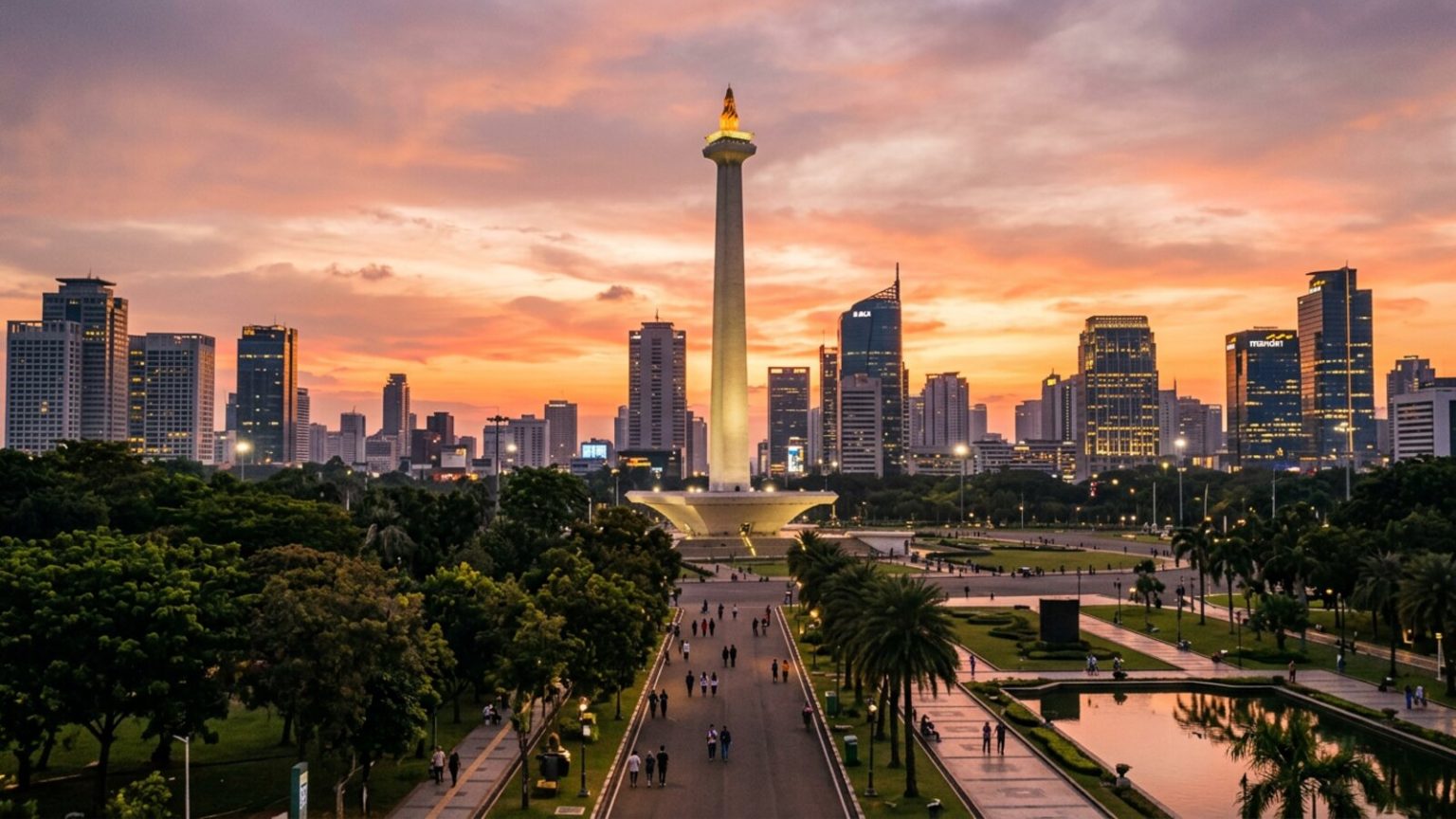
Cheaper alternative: Affordable; KNB government scholarships · ≈ $6k/yr all-in
Also in Southeast Asia: UK/Aus branch campuses & twinning degrees · ≈ $11k/yr all-in
Same budget (Mid-Range), different map: MBBS & engineering in English; strong value · ≈ $11k/yr all-in
The aspirational step-up: 1-year master's; Graduate Route; every field · ≈ $38k/yr all-in
Croatia joined both the EU and Schengen — and switched to the euro — so a Croatian degree now sits in Europe's inner circle. English-taught medicine in Zagreb and Split, a fast-growing tech scene, tuition commonly between €3,000 and €12,000 a year, and student cities where the commute is a seafront walk. Add a post-study job-search route and a labour market short of health, IT and engineering staff, and Croatia becomes Europe's Mediterranean value play.
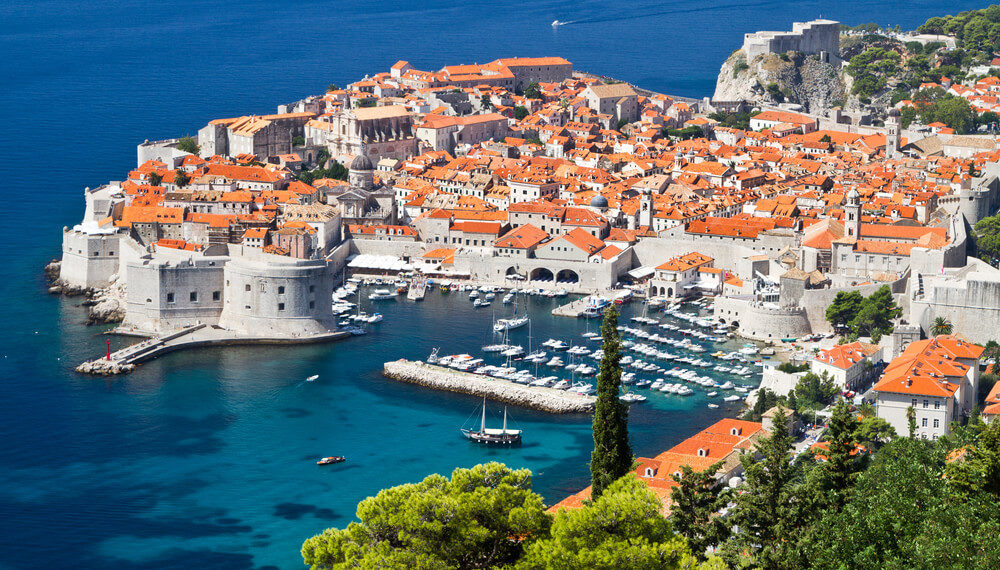
The complete, honest case for Croatia — the real fees, English-taught medicine, the stay-back route, and the exact path from Pakistan — in one short narrated briefing.
The Croatia video briefing is in production
The narrated 4-minute briefing for Croatia lands in this slot very soon. Until then, get the exact same briefing — live, personal, and free — from a counsellor who will map it to your grades and budget.
Croatia is a full EU and Schengen member using the euro — your degree follows Bologna/ECTS rules, is recognised across Europe, and your residence opens Schengen travel. No second-tier caveats, no asterisks.
The University of Zagreb's School of Medicine runs a long-established English programme (MSE), with Split and Rijeka also teaching medicine in English — modern university hospitals, EU-standard training. Our first step, always: verify the licensing path for practice in Pakistan before you apply.
Most English-taught and international programmes sit between roughly €3,000 and €12,000 a year — medicine at the top — against €20,000+ equivalents further west. Zagreb living costs, while rising, still undercut Vienna, Munich or Amsterdam by a wide margin.
Zagreb's startup scene (home to unicorns like Infobip and Rimac's orbit), a giant tourism industry, shipbuilding and pharma — Croatia faces genuine shortages in IT, engineering and healthcare, which is exactly where international graduates fit.
Split, Rijeka, Zadar and Osijek deliver student cities where rent buys you sea air, 2,500 years of history in Dubrovnik and Split's palace, and winters far gentler than northern Europe. Quality of life is a retention strategy — graduates stay because they love it here.
Younger Croatians speak excellent English and English-taught programmes cover medicine, business, IT and engineering. Croatian unlocks clinical placements, part-time work and the local job market — free university language courses make it a realistic graduation asset.
Medicine (English-taught)DentistryComputer Science & ITBusiness & TourismElectrical EngineeringPharmacyBiotechnologyArchitectureNursing & HealthVeterinary Medicine
| Item | Guide figure | What to know |
|---|---|---|
| Tuition — most programmes | ≈ €3,000–10,000 / year | Set per university & programme; Croatian-taught study for those with language proficiency can cost less |
| Tuition — English-taught medicine | ≈ €10,000–13,000 / year | Guide range for Zagreb MSE and peers — confirm per faculty |
| Living costs | ≈ €700–1,100 / month in Zagreb · less in Split/Rijeka/Osijek | Dormitories and shared flats anchor the low end; the coast costs more in summer |
| Visa / residence funds proof | Tuition + living evidence (planning guide) | Shown via sponsor bank evidence to the current consular standard — we confirm yours before filing |
Comparing countries on cost? See how Austria compares — full cost guide or scan every option in the Mid-Range: Maximum Value budget hub.
Croatia's funding is university-led: merit scholarships and tuition reductions at the major universities, faculty awards for top performers, plus CEEPUS mobility grants and Erasmus Mundus joint masters with full funding where Croatian partners participate. Bilateral and state schemes open periodically. Honest framing: Croatia's headline value is its low base price and eurozone degree — we hunt every reduction your grades earn, but we budget on real fees, not hoped-for waivers.
Graduates can typically extend their stay to look for work (plan around up to 12 months job-search residence under current rules — confirmed for your intake) and then move onto employer-based residence; health, IT and engineering shortage roles convert fastest. During studies, student work through the student service (Student servis) system is a well-established route to legal part-time earnings once you hold residence. Croatian language is the multiplier on all of it — start it in semester one.
Zagreb for scale and medicine, Split/Rijeka for coast and value, Osijek for the gentlest costs — shortlisted by programme, total cost and (for medicine) licensing recognition, in writing.
Croatian admissions run on recognised, translated documents. We sequence HEC/IBCC attestation, translations and faculty requirements (medicine has entrance/science checks at some faculties) so nothing expires mid-process.
Long-stay visa where required, then temporary residence on arrival, OIB tax number, health insurance enrolment and dormitory move-in — your first-month checklist, handled.
It depends on the university and the current Pakistan Medical Commission position, plus the licensing exams on return. Zagreb, Split and Rijeka's established programmes are the core route — and we verify your exact faculty against the latest position in your free session, before any fee is paid.
English-taught programmes set their own evidence — many accept IELTS/TOEFL or a university interview/MOI route, varying by faculty. Your shortlist states the exact proof each target requires so you prepare once, correctly.
As a planning guide: first-year tuition plus living funds in the region of €700–1,100 per month, shown through sponsor bank evidence in the format the consulate currently requires. Croatia's bar is reachable for mid-budget families — provided the paperwork is complete and consistent, which is our job.
Yes — Croatia's student-work system (via university Student servis centres) is one of Europe's most organised: enrolled students with residence can take regular part-time jobs legally. Treat earnings as living-cost support; your residence case must stand on family/scholarship funds.
Incomplete funds evidence, an incoherent study story, or documents that don't match the admission — paperwork problems, not student problems. We audit your file against the consulate's checklist and rehearse your answers before anything is filed.
Still weighing it up? Browse the Europe – Schengen region hub or the Mid-Range: Maximum Value budget hub to compare Croatia against its closest alternatives.
Four honest alternatives drawn from the Europe – Schengen region hub, the Mid-Range budget tier and the premium step-up shelf — each with the reason it belongs on your shortlist.
Also in Europe – Schengen: Fintech, life sciences, MBBS routes · ≈ $12k/yr all-in
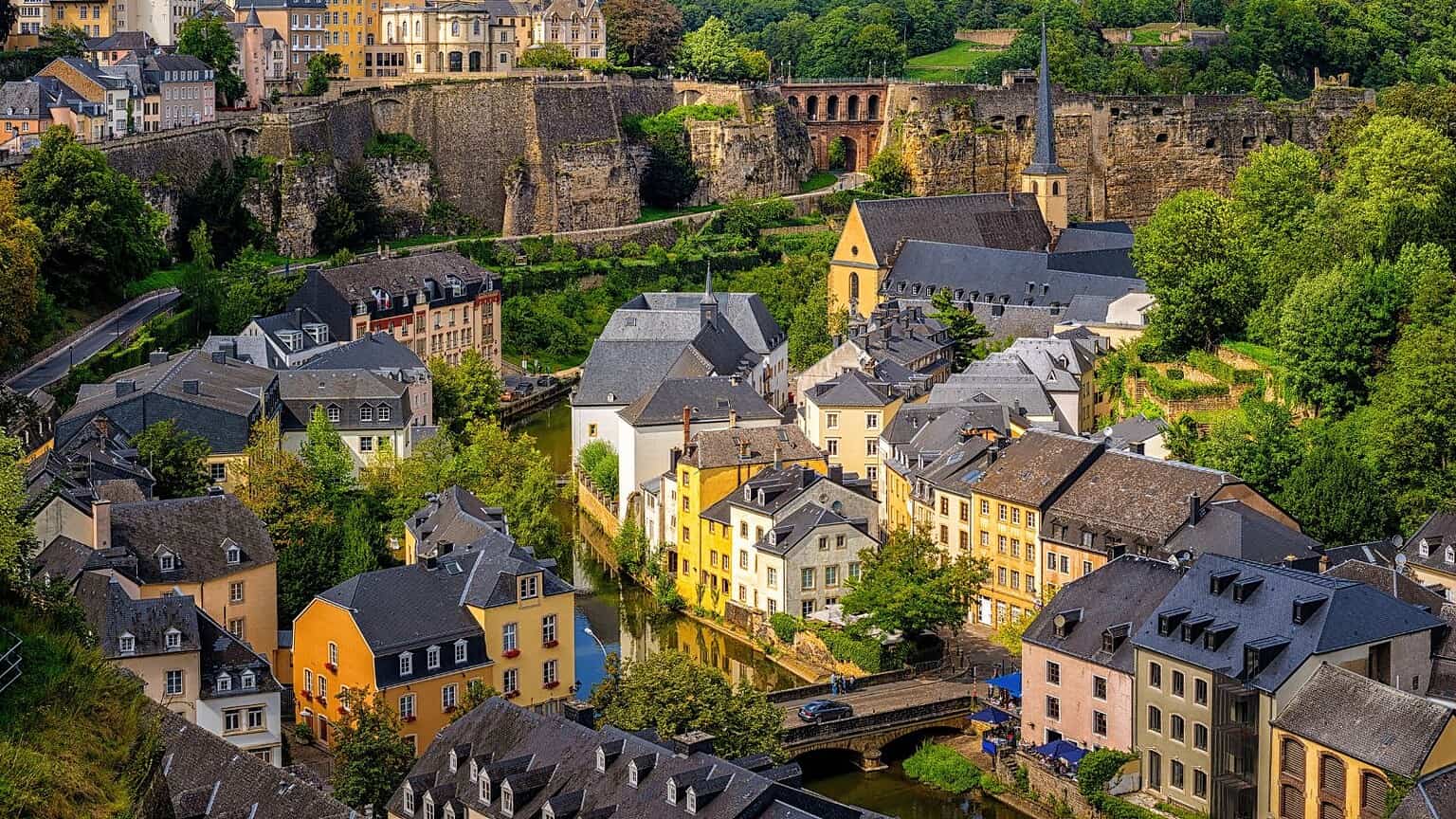
Also in Europe – Schengen: Finance hub; multilingual degrees · ≈ $20k/yr all-in
Same budget (Mid-Range), different map: UK/Aus branch campuses & twinning degrees · ≈ $11k/yr all-in
The aspirational step-up: American-model private universities; Gulf family base · ≈ $24k/yr all-in
Denmark teaches almost everything in English at master's level, charges non-EU students roughly €6,000–16,000 a year, and runs a welfare state so functional that students describe campus life as 'adult life, but kind'. Copenhagen, Aarhus, Odense and Aalborg host research-heavy universities; Danish Government Scholarships waive tuition for top non-EU master's applicants; graduates get an establishment card to hunt for work. The trade-off is famous: Copenhagen rent. Planned honestly, Denmark is Scandinavia's smartest door.
The complete, honest case for Denmark — the scholarship waivers, the real Copenhagen budget, the establishment card, and the exact route from Pakistan — in one short narrated briefing.
The Denmark video briefing is in production
The narrated 4-minute briefing for Denmark lands in this slot very soon. Until then, get the exact same briefing — live, personal, and free — from a counsellor who will map it to your grades and budget.
Danish Government Scholarships — administered by the universities — grant full or partial tuition waivers, sometimes with a living-cost grant, to outstanding non-EU master's applicants. You don't apply separately: your admission application is your scholarship application, and the strongest files win. We build files to that standard.
Denmark has one of the world's highest English proficiencies; master's programmes (and a growing bachelor's shelf) teach entirely in English. Daily life, part-time jobs and internships all function in English — while free Danish classes quietly build your local edge.
Denmark punches absurdly above its size: Novo Nordisk and the Medicon Valley pharma cluster, LEGO, Maersk, Vestas wind power, and world-famous design and architecture schools. Studying beside the industries that invented your field is a career accelerant money can't fake.
Flat hierarchy (you'll call professors by first name), problem-based learning at Aalborg and Roskilde, safe cycling cities, and the famous hygge. Parents consistently rate Denmark among the least worrying destinations on our list — it feels ordered because it is.
Students can typically work up to 20 hours/week in term (full-time in summer months) under their residence permit conditions — at Danish wages that genuinely dent living costs. Internships and student-assistant roles at Danish firms are a standard part of master's life.
Aarhus (Denmark's student capital), Odense, Aalborg and Kolding deliver the same degree system at rents a third lower than the capital. Our shortlists are built city-first: identical diploma value, radically different monthly burn.
Life Sciences & PharmaComputer Science & DataEngineering (Wind, Robotics)Design & ArchitectureBusiness & EconomicsEnvironmental SciencePublic HealthFood ScienceMedia & CommunicationRobotics (Odense)
| Item | Guide figure | What to know |
|---|---|---|
| Tuition (non-EU) | ≈ €6,000–16,000 / year | Set per programme; some specialised master's sit above — waivers can cut this to zero for top files |
| Living costs | Copenhagen ≈ €1,200–1,700 · Aarhus/Odense/Aalborg ≈ €950–1,350 / month | Rent is the driver; kollegium student housing applied for early is the budget superpower |
| Residence funds proof | ≈ DKK 7,000–7,500 / month of study (guide) | SIRI sets the figure — we confirm the current monthly amount and evidence format for your intake |
| SU grant note | Not for most non-EU students | Danish SU is generally for Danes/EU — your budget must stand without it; we plan accordingly |
Comparing countries on cost? See how Australia compares — full cost guide or scan every option in the Premium: World Elite budget hub.
The flagship is the Danish Government Scholarship: tuition waivers (full or partial, occasionally with a monthly grant) awarded by each university to its strongest non-EU master's admits — no separate application, which means your admission file must be scholarship-grade from day one. Add university-specific awards, State Educational Grant edge cases for some long-term residents, and Erasmus Mundus full rides. Our Denmark files are written backwards from what waiver committees reward: grades, fit and a study plan that makes academic sense.
After graduating, the establishment card route lets graduates of Danish master's and PhD programmes stay to seek work (the scheme provides a defined job-search period — currently up to 3 years for eligible graduates under the establishment-card rules; we confirm the current terms for your case), converting to a work permit (Pay Limit / Positive List routes) when hired. Denmark's Positive List literally publishes its shortage occupations — we align your degree choice with it from your first session.
We grade your profile against each university's waiver history and Positive-List alignment, then shortlist Copenhagen vs. Aarhus/Odense/Aalborg on total cost — waiver-adjusted, rent included.
Your admission application doubles as your scholarship application. Transcripts, references and a motivation that argues academic fit — filed before the January/February non-EU deadlines that catch families out every year.
Residence permit via SIRI with funds evidence in the prescribed format, then CPR number, housing and the Danish essentials in your first-week checklist.
At full price in Copenhagen, it's a premium commitment. With a tuition waiver in Aarhus or Aalborg, the total can undercut a full-fee degree in a 'cheaper' country. Your free session runs both scenarios in numbers — waiver and no-waiver — so your family decides on facts, not fear.
Almost always yes for English-taught programmes — Danish universities set firm IELTS/TOEFL bands per programme and verify them. Your shortlist lists the exact score each target needs, plus which foundation/conditional routes genuinely exist.
A monthly amount set by SIRI (plan around DKK 7,000–7,500/month for your study period) evidenced in an account in your name. The format is strict and refusals are usually format failures — we prepare the evidence exactly as SIRI specifies.
At Danish wages, 20 hrs/week covers a serious share of living costs outside central Copenhagen — but never plan tuition on it, and your residence depends on study progress. We budget conservatively; earnings are the bonus.
English-only roles are common in tech, pharma, engineering and academia; Danish opens the public sector, healthcare and SMEs. Universities offer free Danish tuition to residents — students who take it graduate with a visibly different job market.
Still weighing it up? Browse the Europe – Schengen region hub or the Premium: World Elite budget hub to compare Denmark against its closest alternatives.
Four honest alternatives drawn from the Europe – Schengen region hub, the Premium budget tier and the premium step-up shelf — each with the reason it belongs on your shortlist.
Also in Europe – Schengen: Research strength; non-EU tuition now applies · ≈ $28k/yr all-in
Cheaper alternative: MBBS & engineering in English; strong value · ≈ $11k/yr all-in
Same budget (Premium), different map: Education City branch campuses; HBKU & QU scholarships · Education City · aid can cut costs deeply
The aspirational step-up: 1-year master's; Graduate Route; every field · ≈ $38k/yr all-in
Finland's universities charge non-EU students roughly €8,000–18,000 a year — then compete to give much of it back through Finland Scholarships and university waivers of 50–100%. English-taught programmes span everything from AI to nursing, students can work 30 hours a week, and graduates receive a 2-year post-study residence permit to find work. Add the world's most trusted education brand, lakes-and-sauna calm, and a residence system that welcomes spouses — Finland is the family-minded choice in northern Europe.
The complete, honest case for Finland — the scholarship maths, the 2-year stay-back, the 30-hour work rule, and the exact route from Pakistan — in one short narrated briefing.
The Finland video briefing is in production
The narrated 4-minute briefing for Finland lands in this slot very soon. Until then, get the exact same briefing — live, personal, and free — from a counsellor who will map it to your grades and budget.
The national Finland Scholarship covers first-year tuition plus a relocation grant for top master's admits, and universities add their own waivers — 50% is common, 100% tuition waivers exist for the strongest profiles, often renewable on credits earned. In Finland your grades literally set your fee.
Finland grants graduates a residence permit of up to 2 years to look for work or start a business — among Europe's most generous windows — and time spent studying counts toward permanent residence. Specialists fast-track permits in as little as two weeks once hired.
Students may work an average of 30 hours per week across the year — the most generous cap in the Nordics — and Finnish employers (tech, care, logistics, hospitality) actively hire international students, especially outside Helsinki where labour is shortest.
Finland's school system is a global byword for quality, and its research universities (Helsinki, Aalto) plus applied-sciences universities (UAS) are wired into Nokia's legacy tech ecosystem, gaming (Supercell, Rovio), health tech and the green transition. Aalto alone is a startup factory.
Spouses of students can apply for residence and work without restriction, and Finland's family infrastructure — childcare, safety, English-friendly services — is why so many of our postgraduate students choose it over flashier names. Bring your parents to the session; the family case is Finland's strongest argument.
The world's happiest country, year after year in the UN ranking, with clean air, honest systems and student cities (Tampere, Jyväskylä, Oulu) where rent is survivable and nature starts at the bus stop. Focus is easier where life is quiet.
Computer Science & AINursing & Health SciencesEngineering & AutomationBusiness & EntrepreneurshipGame Design & DevelopmentEducation SciencesData ScienceForestry & BioeconomyTourism & HospitalityEnvironmental Engineering
| Item | Guide figure | What to know |
|---|---|---|
| Tuition (non-EU) | ≈ €8,000–18,000 / year | Research universities at the top; UAS degrees often €8,000–12,000 — before 50–100% waivers |
| Living costs | Helsinki ≈ €1,000–1,400 · other cities ≈ €800–1,100 / month | Student housing foundations (e.g. HOAS) are the budget key — apply the day you're admitted |
| Residence funds proof | ≈ €800 / month (€9,600 / year) (guide) | Migri's required figure — we confirm the current amount and evidence format for your filing |
| Part-time earnings | 30 hrs/week average allowed | Meaningful support in Finnish wages — but your permit case stands on documented funds alone |
Comparing countries on cost? See how Austria compares — full cost guide or scan every option in the Mid-Range: Maximum Value budget hub.
Two layers: the Finland Scholarship (national — first-year tuition + a €5,000 relocation grant for outstanding master's students from outside the EU, awarded through your university admission) and university scholarships that typically waive 50% of tuition, with full waivers for top applicants and early-bird/continuation awards tied to completed credits. Bachelor applicants access university waivers on the same logic. Strategy matters: the same profile can pay €0 or €16,000 depending on where and how early it applies — that optimisation is our job.
Graduate and apply for the 2-year post-study residence permit — seek work or found a company, with full work rights once employed. A qualifying job moves you to a specialist/worker permit, and your study years count toward the permanent-residence clock. In term time you may work an average of 30 hrs/week — plan it around exams, because permit renewal checks your study progress, not your payslips.
Finland admits through strict Studyinfo joint-application windows. We pick up to six programme choices in the order that maximises both admission and scholarship odds — one window, engineered properly.
Transcripts, motivation and references written for the waiver committees; IELTS bands verified per programme; your application lands in the first window, not the leftovers round.
Residence application with funds evidence in Migri format, student-housing application fired the day admission lands, and your arrival checklist (DVV registration, bank, Kela basics).
Full waivers go to the top slice of each programme's admits — strong grades plus an early, well-matched application. 50% waivers reach much further. We grade your realistic waiver band per university in your free session, in writing, and shortlist where your money stretches furthest.
Migri requires evidence of about €800/month — €9,600 for a year — plus your tuition arrangement, in prescribed formats (bank statements with clear history). Amounts are updated periodically; we verify the current figure before your family moves money.
Most English-taught programmes require IELTS/PTE/TOEFL at set bands (commonly IELTS 6.0–6.5), though some UAS routes accept alternatives or prior English-medium study. Your shortlist states each programme's accepted proofs exactly — no wasted test fees.
Spouses can apply for a residence permit on family grounds and, once granted, work without a separate permit. Processing times and funds requirements for families are higher — tell us in session one, because it changes the budget and timeline we build.
Winters are cold and dark; cities are built for it, student life adapts fast, and summer repays everything. English functions everywhere day-to-day; free Finnish courses exist and even A2–B1 Finnish visibly widens part-time and graduate hiring, especially in health and care.
Still weighing it up? Browse the Europe – Schengen region hub or the Mid-Range: Maximum Value budget hub to compare Finland against its closest alternatives.
Four honest alternatives drawn from the Europe – Schengen region hub, the Mid-Range budget tier and the premium step-up shelf — each with the reason it belongs on your shortlist.
Also in Europe – Schengen: Sunny, affordable EU living; business & tech · ≈ $15k/yr all-in
Cheaper alternative: MBBS & dentistry in English/French · ≈ $10k/yr all-in
Same budget (Mid-Range), different map: Hospitality, business; affordable living · ≈ $13k/yr all-in
The aspirational step-up: 1-year master's; Graduate Route; every field · ≈ $38k/yr all-in
Sweden built Spotify, Skype, Klarna and Minecraft — and its universities teach the way its companies work: flat, creative, English-first. Non-EU tuition runs roughly €8,000–19,000 a year; the Swedish Institute Scholarship can cover tuition plus living for master's students from eligible countries; students work without an hourly cap; and graduates can stay up to a year to hunt for work. Stockholm, Gothenburg, Lund and Uppsala pair medieval streets with Europe's densest unicorn-per-capita economy.
The complete, honest case for Sweden — the SI Scholarship, tuition reality, the job-search year, and the exact route from Pakistan — in one short narrated briefing.
The Sweden video briefing is in production
The narrated 4-minute briefing for Sweden lands in this slot very soon. Until then, get the exact same briefing — live, personal, and free — from a counsellor who will map it to your grades and budget.
The Swedish Institute Scholarship for master's study covers tuition and pays a monthly living allowance plus a travel grant — for citizens of eligible countries (the list is revised; we verify Pakistan's current eligibility the week you apply) with work experience and leadership evidence. It is competitive in the extreme, and the application rewards exactly the profile-building we do with you months ahead.
Sweden produces more billion-dollar startups per capita than almost anywhere outside Silicon Valley. KTH, Stockholm School of Economics, Chalmers and Lund feed Spotify, Klarna, Northvolt and a deep gaming cluster (Mojang, King, DICE). Internships are not an add-on; they're the curriculum's neighbour.
Master's programmes — over 1,000 of them — teach in English, and Swedes top global English-proficiency tables. You can study, work and live in English from day one; free SFI Swedish courses then add the local premium employers quietly reward.
Sweden sets no fixed hourly limit on student work: the rule is that studies stay full-time and progressing (at least 50% alongside work). For strong students that flexibility is worth real money across a Swedish-wage year.
Green steel (HYBRIT), battery gigafactories, circular design, life-science in Uppsala and Lund (Medicon Village) — if your field is the planet's future, Sweden is hiring its architects. Programmes in sustainability, energy and materials are world-leading and employer-wired.
Two of Europe's oldest university towns run on student 'nations', choirs, and ceremonies older than most countries — at rents well below Stockholm. Gothenburg adds port industry and Chalmers engineering. City choice is budget strategy; we run the numbers with you.
Computer Science & SoftwareData Science & AISustainability & EnergyBusiness & EntrepreneurshipGame DevelopmentElectrical EngineeringLife Sciences & BiotechDesign (Industrial, Interaction)Public HealthMaterials Science
| Item | Guide figure | What to know |
|---|---|---|
| Tuition (non-EU) | ≈ €8,000–19,000 / year | Programme-set; architecture/design and some business masters at the top — university scholarships commonly waive 25–100% for strong files |
| Living costs | Stockholm ≈ €1,150–1,550 · Lund/Uppsala/Gothenburg ≈ €950–1,300 / month | Student housing queues are long — register with housing queues the day you apply, not after admission |
| Residence funds proof | ≈ SEK 10,500–11,000 / month of study (guide) | Migrationsverket's figure, revised yearly — we confirm the current monthly amount for your permit length |
| SI Scholarship value | Tuition + ≈ SEK 12,000 / month + travel grant | For awarded master's students — the reason the SI file is built months early |
Comparing countries on cost? See how Australia compares — full cost guide or scan every option in the Premium: World Elite budget hub.
The flagship is the Swedish Institute Scholarship (master's level: tuition covered, monthly living grant, travel grant — eligibility by country list, work experience and leadership record; we confirm Pakistan's status for your cycle). Beneath it, universities award their own global scholarships (KTH, Lund Global, Uppsala IPK, Chalmers IPOET and more) typically waiving 25–100% of tuition for top admits. Both tracks are decided from early files — SI applications open in February for autumn starts, university rounds earlier still.
Graduates can apply for a residence permit to seek work — up to 12 months — after completing Swedish studies, then convert to a work permit with a qualifying job (salary and terms per current thresholds). During study there's no hourly cap, provided full-time study progress is maintained — renewals check credits, so the plan protects your grades first and earnings second.
SI Scholarship (if eligible) plus university awards run in parallel from autumn: leadership/work evidence documented for SI, academic file polished for university rounds — both before the January master's deadline.
Swedish student housing is a queue system. We register you with the city housing queues at application stage — months of queue time is the difference between a student room and a panic rental.
Residence permit with funds evidence in the prescribed format, personnummer and bank/ID setup on arrival, and your job-search clock explained before you even graduate.
The SI country list is revised between cycles and conditions (work experience, leadership, field priorities) apply. We check the live list and criteria for your exact intake in your free session — and if SI isn't open to you, university scholarships (25–100%) become the primary track, never an afterthought.
Plan around SEK 10,500–11,000 per month of study in your own account, per Migrationsverket's current figure — we confirm the exact amount for your permit period before funds are arranged. Format errors are the classic refusal cause; we audit to the letter.
There's no statutory hourly cap, but your permit requires full-time study and renewals examine completed credits — students who work like full-timers and fail courses lose permits. Our honest planning: part-time in term (typically up to ~20 hrs/week sustainably), full-time in breaks.
Yes for most programmes — Sweden is strict on documented English (typically IELTS 6.5 overall, no band under 5.5, for master's; equivalents accepted). Some prior English-medium degrees qualify for exemption under University Admissions rules; we verify yours precisely.
Stockholm maximises internships and startup access at maximum rent. Lund/Uppsala maximise student life and affordability with elite universities; Gothenburg balances both with port and automotive industry. Your session compares total 2-year costs side by side — the gap routinely exceeds a full year of tuition elsewhere.
Still weighing it up? Browse the Europe – Schengen region hub or the Premium: World Elite budget hub to compare Sweden against its closest alternatives.
Four honest alternatives drawn from the Europe – Schengen region hub, the Premium budget tier and the premium step-up shelf — each with the reason it belongs on your shortlist.
Cheaper alternative: Medicine, dentistry, vet; Stipendium Hungaricum · Stipendium Hungaricum = full ride · self-funded ≈ $14k/yr
Also in Europe – Schengen: Geothermal, environment, small cohorts · Tuition €0 · living ≈ $25k/yr
Same budget (Premium), different map: Asia's top-ranked universities; finance & tech · ≈ $28k/yr all-in
The aspirational step-up: American-model private universities; Gulf family base · ≈ $24k/yr all-in
Norway changed the rules: since 2023, students from outside the EU/EEA pay tuition at public universities — typically NOK 130,000–350,000 a year depending on programme. What didn't change: Norway's graduate salaries are among the highest on earth, its universities (Oslo, NTNU, Bergen, Tromsø) are research-strong and English-taught at master's level, students can work 20 hours a week at Norwegian wages, and graduates get up to a year to find skilled work. Norway is now a premium-priced, premium-return bet — we'll run the numbers with you honestly.
The complete, honest case for Norway — the new tuition reality, the wage maths that can still win, the job-seeker permit, and the exact route from Pakistan — in one short narrated briefing.
The Norway video briefing is in production
The narrated 4-minute briefing for Norway lands in this slot very soon. Until then, get the exact same briefing — live, personal, and free — from a counsellor who will map it to your grades and budget.
A Norwegian engineering, IT, maritime or health salary can be two to three times a comparable role further south — and part-time student work pays Norwegian rates too, among the world's highest hourly wages for campus jobs. Norway is the destination where the 'return' column can outrun a scary 'cost' column — for the right fields.
NTNU in Trondheim is Scandinavia's technology powerhouse (energy, marine, materials, AI), Oslo leads in life sciences and law, Bergen in climate and marine research, and UiT Tromsø owns the Arctic agenda. English-taught master's cover the fields Norway actually hires in.
Offshore energy in transition, green shipping, aquaculture, hydropower, carbon capture, Arctic logistics — Norway is spending oil-wealth on exactly the engineering and sustainability skills international graduates carry. Employers in these clusters sponsor work permits as routine.
Graduates of Norwegian institutions can apply for a job-seeker residence permit of up to one year to find skilled work, then convert to a skilled-worker permit with a qualifying offer. The route is transparent, points-free, and employment-led — we plan your target employers from semester one.
Fjords for weekends, northern lights from Tromsø dorms, the world's most egalitarian society, and safety statistics that end parental arguments. Norway is expensive, yes — and students consistently describe the quality of life as unmatched anywhere they've lived.
Norway is no longer the free destination older relatives remember — non-EU tuition applies and living costs are Europe's highest. Anyone still selling 'free Norway' in 2026 is selling you a refusal and a lost year. Our files budget the real figures, target universities' own fee reductions and scholarships, and compare Norway honestly against Sweden, Finland and Germany before you commit.
Energy & Petroleum TransitionMarine & Maritime TechnologyComputer Science & AIAquaculture & FisheriesEnvironmental & Climate ScienceElectrical EngineeringHealth InformaticsMaterials ScienceSustainability & CCSBusiness (Bergen NHH)
| Item | Guide figure | What to know |
|---|---|---|
| Tuition — public universities (non-EU) | ≈ NOK 130,000–350,000 / year | Set per programme since 2023; some universities/phases differ — your shortlist quotes the exact faculty figure |
| Private institutions (e.g. BI) | ≈ NOK 120,000–260,000 / year | BI Norwegian Business School and peers — strong business outcomes, priced accordingly |
| Living costs | Oslo ≈ NOK 15,000–19,000 · Trondheim/Bergen ≈ NOK 13,000–17,000 / month | Student welfare housing (SiO/SIT) applied for early is essential — private Oslo rent is the budget-killer |
| UDI funds proof | ≈ NOK 166,000 / year (guide) | UDI's subsistence figure (linked to the student-loan rate) — we confirm the current amount for your application |
Comparing countries on cost? See how Australia compares — full cost guide or scan every option in the Premium: World Elite budget hub.
Norway has no large national scholarship scheme for non-EU master's students — and we won't invent one. What exists: university-specific tuition waivers and reductions (varies by institution and year), Quota-scheme successor arrangements in specific partnerships, research assistantships at PhD level (salaried positions — Norway treats PhDs as employees), and Erasmus Mundus full rides. The honest strategy for most families: choose the programme whose graduate wage justifies the fee, or let us show you Finland/Sweden/Germany maths in the same session and decide with all four spreadsheets open.
The job-seeker permit (up to 1 year) lets Norwegian graduates hunt skilled work in-country; a qualifying offer converts to a skilled-worker residence permit, and years of residence build toward permanent residence. Student work is capped at 20 hrs/week in term (full-time in holidays) — at Norwegian wages this is unusually valuable, but UDI renewals require documented study progress, so earnings never outrank credits in our plan.
Norway only makes sense for employable fields. We map your target programme to Norwegian shortage data and realistic graduate salaries, then compare the 4-year maths against Sweden, Finland and Germany — in writing.
Every shortlist line quotes the university's actual non-EU fee for your programme and intake (they vary by faculty), plus waiver/reduction status — no 'Norway is free' folklore anywhere in your plan.
Residence application with UDI-format funds evidence, student-welfare housing application fired the day admission lands, and your arrival checklist (ID number, tax card for part-time work).
No — that information is outdated. Since autumn 2023, students from outside the EU/EEA (including Pakistan) pay tuition at Norwegian public universities. Budget NOK 130,000–350,000/year by programme. What remains true: no tuition for EU/EEA students, and PhD positions are salaried jobs. We verify every figure against the university's current fee page for your intake.
Plan around NOK 166,000 per year (UDI's subsistence benchmark, revised periodically) held in a Norwegian-accessible form — often transferred to the university's deposit account. We confirm the current figure and the exact mechanism your university uses before your family moves money.
Yes, unusually so: 20 hrs/week at typical student wages can cover a large share of monthly living costs outside Oslo. It cannot cover tuition, and UDI requires your funds upfront regardless — earnings are earned relief, not your visa case.
Master's programmes teach in English and require documented English (IELTS/TOEFL bands per programme). Norwegian is not required to study — but B1+ Norwegian transforms graduate hiring outside international firms, and free courses are everywhere. Bachelor-level English choice is narrower; we check your level honestly.
Energy and marine engineering, CS/AI, aquaculture, maritime operations, health informatics and sustainability/climate fields — where Norwegian graduate salaries and permit conversions are strongest. For general business or humanities at full fee, we'll usually show you a better-value country in the same free session. That's what honest means.
Still weighing it up? Browse the Europe – Schengen region hub or the Premium: World Elite budget hub to compare Norway against its closest alternatives.
Four honest alternatives drawn from the Europe – Schengen region hub, the Premium budget tier and the premium step-up shelf — each with the reason it belongs on your shortlist.
Cheaper alternative: Medicine & engineering value route · ≈ $11k/yr all-in
Cheaper alternative: Small, green, affordable EU study · ≈ $12k/yr all-in
Same budget (Premium), different map: Tech & pharma HQ hub; stay-back for graduates · ≈ $32k/yr all-in
The aspirational step-up: 1-year master's; Graduate Route; every field · ≈ $38k/yr all-in
Here is the fact that rewires the Switzerland conversation: its great public universities — ETH Zürich, EPFL, Zurich, Basel, Bern — charge international students only a few thousand francs a year, in the country with Europe's highest salaries and highest living costs. Excellence Scholarships (ESOP) can cover fees plus living for top master's students. The honest price is life itself: Zurich and Geneva rents are world-class expensive, and staying to work after graduation runs through employer permits with a graduate facilitation window. Switzerland is a precision instrument: perfect for the right profile, ruinous as a casual choice. We'll tell you which you are.
The complete, honest case for Switzerland — the low public fees, the living-cost truth, ESOP scholarships, and the exact route from Pakistan — in one short narrated briefing.
The Switzerland video briefing is in production
The narrated 4-minute briefing for Switzerland lands in this slot very soon. Until then, get the exact same briefing — live, personal, and free — from a counsellor who will map it to your grades and budget.
ETH Zürich sits in the global top 10 alongside MIT and Oxford — and its semester fees are famously modest (hundreds of francs per semester at base rate, with non-resident surcharges still keeping totals in the low thousands per year). EPFL in Lausanne mirrors it in French-speaking Switzerland. No other top-10 university on earth is priced like this.
ETH's Excellence Scholarship & Opportunity Programme (ESOP) covers full study and living costs for outstanding master's students; EPFL runs parallel Excellence Fellowships, and cantonal universities add their own awards. These go to genuinely top profiles — we grade yours honestly before building the file, and always pair ambition with a funded safety plan.
Swiss graduate salaries in engineering, pharma, finance and tech are Europe's highest — CHF 70,000–90,000+ starting ranges are normal in Zurich/Basel corridors. The correct comparison is never fee-vs-fee; it's total cost vs. first-three-years earnings. For the right graduate, Switzerland wins that maths against 'cheaper' countries.
Novartis and Roche anchor Basel; Zurich runs finance, insurance and Google's largest engineering office outside the US; Geneva hosts the UN system and global NGOs. Each city is a career ecosystem — your university choice is an industry choice, and we make it deliberately.
Safety, punctuality, four national languages, Alps at the weekend, Milan/Paris/Munich by train. Student life is orderly and expensive — and for focused students, the lack of chaos is itself an academic advantage.
Zurich and Geneva are among the world's most expensive student cities: plan roughly CHF 1,800–2,600/month all-in, more without student housing. Switzerland punishes underfunded students brutally — our files require the full budget to be real before an application is filed. If it isn't, we'll route you to equal-quality, survivable alternatives and say so plainly.
Engineering (ETH/EPFL)Computer Science & RoboticsData Science & AILife Sciences & PharmaFinance & EconomicsHospitality (EHL-tier, private)ArchitecturePhysics & MaterialsInternational Relations (Geneva)Biotechnology
| Item | Guide figure | What to know |
|---|---|---|
| Public university tuition | ≈ CHF 1,500–4,000 / year | ETH/EPFL and cantonal universities; non-resident surcharges apply at some — per-programme figure quoted in your shortlist |
| Private hospitality & business schools | ≈ CHF 25,000–45,000 / year | EHL/SHMS-tier schools are world-famous and priced like it — a deliberate luxury choice, never our default |
| Living costs | Zurich/Geneva ≈ CHF 1,900–2,700 · Basel/Bern/Fribourg ≈ CHF 1,600–2,200 / month | Student housing (WOKO etc.) is the difference-maker — applied for at admission, not arrival |
| Permit funds proof | ≈ CHF 21,000 / year (guide) | Cantonal benchmark (Zurich ≈ CHF 21,000) — confirmed per canton for your filing |
Comparing countries on cost? See how Australia compares — full cost guide or scan every option in the Premium: World Elite budget hub.
ESOP at ETH Zürich (full cost coverage for top master's entrants), EPFL Excellence Fellowships (substantial per-semester awards), departmental assistantships at doctoral level (Swiss PhDs are salaried employees — among the world's best-paid), plus Swiss Government Excellence Scholarships for researchers and artists from partner countries. Undergraduate funding is thin — Switzerland's bachelor bargain is the low public fee itself. Our Switzerland files are scholarship-first for master's, fee-honest for bachelor's, and always paired with a Germany/Austria comparison so your family sees the trade-off in francs.
Non-EU graduates of Swiss universities benefit from a facilitation: up to 6 months' residence after graduation to seek skilled employment, with facilitated labour-market admission for roles of high academic/economic interest (the 'third state' graduate rule). A qualifying job converts to a work permit — employer-led and quota-aware, which is why target employers are chosen during, not after, your degree. Part-time work during study is capped (typically 15 hrs/week in term for non-EU students, after an initial waiting period in some cantons) — never a funding plan at Swiss prices.
Switzerland rewards the top of the class. We grade your ESOP/fellowship competitiveness and map ETH/EPFL vs. cantonal universities vs. Germany/Austria on one page — cost, ranking, stay-back — before any fee is spent.
ETH/EPFL and cantonal deadlines differ and ESOP is decided with admission. References, transcripts and your academic case are built to Swiss precision — incomplete files are simply not considered.
Residence permit via your canton with funds evidence at the cantonal benchmark, student-housing applications fired at admission, and arrival essentials (registration, insurance — mandatory and unsubsidised — bank) sequenced.
Because Swiss public universities are funded as public goods — tuition has never been their business model, for Swiss or (with surcharges at some institutions) international students. The catch is not the fee; it's admission competitiveness and the cost of living around the campus. Both are manageable — with a top profile and a real budget.
Plan tuition plus roughly CHF 21,000/year living evidence for the permit (cantonal benchmark), and a realistic spend of CHF 1,600–2,700/month depending on city and housing. Families who cannot evidence this should not file — we'll show you Austria/Germany routes with the same DACH career at a survivable budget.
ESOP goes to students with truly outstanding records from strong universities — Pakistani scholars do win Swiss excellence awards, but it is a reach award for almost everyone. Our process: apply for excellence funding AND secure an admission whose base fee your family can carry. Hope is not a funding strategy; a low public fee is.
Master's programmes in STEM, economics and much else teach in English. Bachelor's programmes are largely German (Zurich/Basel/Bern) or French (Lausanne/Geneva) — a language-first route exists but adds a year. For graduate jobs, German/French at B2+ multiplies offers outside the big internationals.
You get up to 6 months to seek skilled work with facilitated admission for graduate-level roles — then an employer permit must follow. Switzerland is not a casual stay-back country; it is a high-value, high-bar one. Choose it when your field (pharma, engineering, finance, research) matches its employer map, and we build that map with you from semester one.
Still weighing it up? Browse the Europe – Schengen region hub or the Premium: World Elite budget hub to compare Switzerland against its closest alternatives.
Four honest alternatives drawn from the Europe – Schengen region hub, the Premium budget tier and the premium step-up shelf — each with the reason it belongs on your shortlist.
Also in Europe – Schengen: Geothermal, environment, small cohorts · Tuition €0 · living ≈ $25k/yr
Cheaper alternative: Medicine, design, engineering; regional scholarships exist · Fees from ≈ €0 (income-based) · living ≈ $10k/yr
Same budget (Premium), different map: Largest choice; scholarships & STEM-OPT strategy · ≈ $45k/yr all-in
The aspirational step-up: Quality + lifestyle; Green List aligned courses · ≈ $32k/yr all-in
Malta is the only EU country where English is an official language of daily life — lectures, landlords, employers, government, all in English. The University of Malta (founded 1592) anchors a system joined by respected private and branch providers, tuition for non-EU students commonly sits around €8,000–14,000 a year, graduates can extend their stay up to 9 months to find work, and the island runs Europe's iGaming industry plus growing finance, aviation and health sectors. Add 300 days of sun and living costs below the big capitals, and Malta is Europe's easiest landing.
The complete, honest case for Malta — the English advantage, real fees, the 9-month graduate extension, and the exact route from Pakistan — in one short narrated briefing.
The Malta video briefing is in production
The narrated 4-minute briefing for Malta lands in this slot very soon. Until then, get the exact same briefing — live, personal, and free — from a counsellor who will map it to your grades and budget.
Every other EU destination asks you to budget a year for language. Malta asks nothing: English is co-official, the University of Malta teaches in English, and part-time and graduate employers hire in English by default. For students whose IELTS journey has been the bottleneck, Malta is the unlock.
The University of Malta delivers respected degrees across medicine, law, engineering, ICT and humanities at public-institution fees; MCAST covers applied/vocational routes; and licensed private providers (including UK/US-linked campuses) add business, computing and health options. We verify licensing and recognition per provider — only accredited choices enter your shortlist.
Malta hosts one of the world's largest iGaming clusters — hundreds of licensed operators hiring in English across tech, data, compliance, marketing and customer operations — alongside financial services, blockchain-era firms, aviation maintenance (Lufthansa Technik Malta) and pharma manufacturing. Graduate employers are not a hope here; they're an industry directory.
Living costs (roughly €900–1,300/month) sit below Amsterdam, Dublin or Copenhagen; the island is compact (your commute is a bus ride, not a lifestyle), safe, and Catholic-Mediterranean in culture with halal food increasingly available in student areas and a small, established Muslim community.
Malta's graduate policy lets non-EU graduates of Maltese institutions extend residence for up to 9 months to seek employment or start a business, converting to a Single Permit when hired. During studies, students can work part-time (currently up to 20 hrs/week under the student employment licence rules) after the first months — realistic support in an English-speaking labour market.
One island, full Schengen membership: weekend trips to Sicily, Rome or Barcelona are ferry-and-budget-flight easy, and your Maltese residence is a European residence. For families wanting an EU degree without a megacity's cost or culture shock, Malta is the gentlest complete package in the Union.
Medicine & Health SciencesICT & Computer ScienceBusiness & iGaming OperationsFinance & AccountingLawEngineeringTourism & HospitalityAviation MaintenancePharmacyEducation
| Item | Guide figure | What to know |
|---|---|---|
| Tuition — University of Malta (non-EU) | ≈ €8,000–13,600 / year (guide) | Programme-set; medicine and some science degrees at the top of the band |
| Tuition — private / branch providers | ≈ €6,000–15,000 / year | Varies widely — licensing and recognition verified in your shortlist before any deposit |
| Living costs | ≈ €900–1,300 / month | Shared flats in Msida/Gżira/San Ġwann student zones anchor the low end |
| Residence funds proof | Tuition + ≈ €800–1,000 / month (guide) | Shown via sponsor bank evidence — we confirm the current Identità checklist for your intake |
Comparing countries on cost? See how Australia compares — full cost guide or scan every option in the Premium: World Elite budget hub.
Malta's scholarship shelf is modest and we say so: the Malta Government Scholarship Scheme and University of Malta awards open periodic calls (mainly postgraduate), individual providers offer merit bursaries, and Erasmus Mundus full rides occasionally include Maltese partners. The real Malta discount is structural — English-medium EU education at fees and living costs well under the northern capitals, with legal part-time earnings in your own language. We quote net costs per provider and hunt every bursary your grades qualify for.
Graduates can extend residence for up to 9 months to seek work or launch a business, then move onto a Single Permit with an employer — iGaming, finance, aviation, health and ICT hire English-speaking graduates year-round. In-study part-time work is available under the student employment licence (up to 20 hrs/week, after the initial study period — current rules confirmed at filing). Malta rewards students who network during the degree: the island is small, and everyone hires through people they know.
Public vs. private is a recognition question before it's a price question: we verify MFHEA licensing and HEC recognition position for your exact programme, then shortlist by total cost.
Application filed with attested documents; residence funds evidence prepared to Identità's current checklist — the step where DIY files stall.
E-residence card, employment-licence timing for part-time work, housing in the student zones and your 9-month graduate clock explained from day one.
Degrees from the University of Malta and properly licensed institutions go through HEC equivalence like other EU degrees — but private providers vary, which is why licensing and recognition checks happen in your shortlist, in writing, before any deposit. For medicine, we additionally verify the licensing path for practice in Pakistan.
Universities still set English evidence (commonly IELTS 6.0–6.5 or equivalents) even though the country runs on English — and a good score strengthens both admission and residence files. Some providers accept MOI or internal tests; your shortlist states exactly which proof each accepts.
Plan on first-year tuition plus living evidence in the region of €800–1,000/month through sponsor statements with clear source history. Malta's overall bar is mid-range for the EU — reachable, provided the file is complete and consistent.
Yes — hospitality, retail, gaming-support and campus roles hire in English, and the student employment licence allows part-time work within its current limits after your initial study period. Budget it as support, not survival: your residence case stands on sponsor funds.
The University of Malta is a 400-year-old EU public university whose graduates work across Europe; Malta-based multinationals (gaming, finance, aviation) recruit its students directly. Recognition lives at the institution level — choose the accredited core and the degree travels. Choose an unlicensed storefront and it doesn't — which is precisely the audit we run for you.
Still weighing it up? Browse the Europe – Schengen region hub or the Premium: World Elite budget hub to compare Malta against its closest alternatives.
Four honest alternatives drawn from the Europe – Schengen region hub, the Premium budget tier and the premium step-up shelf — each with the reason it belongs on your shortlist.
Cheaper alternative: Finance hub; multilingual degrees · ≈ $20k/yr all-in
English-taught option: Huge English-taught choice; business, data, logistics · ≈ $26k/yr all-in
Same budget (Premium), different map: Largest choice; scholarships & STEM-OPT strategy · ≈ $45k/yr all-in
The aspirational step-up: Tech & pharma HQ hub; stay-back for graduates · ≈ $32k/yr all-in
Indonesia is Southeast Asia's giant — the world's fourth-largest population, a G20 economy, and the largest Muslim-majority nation on earth — with public-university tuition that can run from a few hundred to around US$3,000 a year. The KNB Scholarship funds students from developing countries (tuition, living allowance, airfare), Universitas Indonesia and peers climb Asian rankings, halal is the national default, and Bahasa Indonesia is one of the world's easiest languages for an Urdu speaker to pick up. The honest boundary: English-taught choice is narrower than Malaysia's, and post-study work runs through employer sponsorship. Enter for value, culture and comfort — with eyes open.
The complete, honest case for Indonesia — the KNB scholarship, the true costs, the language plan, and the exact route from Pakistan — in one short narrated briefing.
The Indonesia video briefing is in production
The narrated 4-minute briefing for Indonesia lands in this slot very soon. Until then, get the exact same briefing — live, personal, and free — from a counsellor who will map it to your grades and budget.
The KNB (Kemitraan Negara Berkembang) Scholarship — Indonesia's flagship for developing-country students — covers tuition, a living allowance, research and book allowances, health insurance and an airfare contribution, including a Bahasa Indonesia preparation course. It funds bachelor's, master's and PhD study at top Indonesian universities. Pakistan is exactly the audience KNB was built for — and almost nobody in Karachi applies. We fix that.
Halal food isn't a search here — it's the water supply. Mosques anchor every neighbourhood, Ramadan shapes the national calendar, and Pakistani students consistently describe Indonesia as the most comfortable landing in Asia. Parents who worry about faith and food abroad can retire both worries.
Public universities' international fees commonly sit between a few hundred and roughly US$3,000 a year; student living (kos boarding houses, warteg canteens) runs at US$350–650/month even in Jakarta, and far less in Yogyakarta — Indonesia's beloved student city. A full Indonesian degree can cost less than one semester in the West.
Indonesia's economy — digital platforms (GoTo, Tokopedia), mining and EV-battery supply chains, a giant consumer market — hires engineers, data talent, health professionals and managers at scale. UI, ITB, UGM and Airlangga anchor a university system whose research output climbs every year.
Bahasa Indonesia uses the Latin alphabet, has no tones and no verb conjugations to memorise — Urdu speakers find its Arabic-and-Sanskrit loanwords oddly familiar. KNB builds in a language course; self-funded students reach conversational level within a year of daily life, unlocking Indonesian-taught programmes and the local job market.
English-taught programmes concentrate at the top universities' international tracks (and cost more than Indonesian-taught equivalents); there is no automatic post-study work visa — staying means an employer-sponsored KITAS; and bureaucracy rewards patience. Choose Indonesia for the degree, the savings and the springboard into ASEAN's biggest economy — we'll plan the exit route with you upfront.
Medicine & DentistryEngineering (ITB)Computer ScienceBusiness & EconomicsPublic HealthPharmacyIslamic Economics & FinanceEnvironmental ScienceIndonesian Language + DegreeInternational Relations
| Item | Guide figure | What to know |
|---|---|---|
| Tuition — public universities | ≈ US$500–3,000 / year | International-class and English-taught tracks sit at the top; Indonesian-taught programmes cost least |
| Tuition — private universities | ≈ US$2,000–6,000 / year | Established privates (e.g. in Jakarta/Bandung) — verified per institution in your shortlist |
| Living costs | Jakarta ≈ US$450–650 · Yogyakarta/Bandung ≈ US$350–500 / month | Kos boarding + local food keeps budgets remarkably low |
| KITAS / visa funds | Modest sponsor evidence | Scholarship letters transform the file; self-funded evidence confirmed against the current immigration checklist |
Comparing countries on cost? See how Albania compares — full cost guide or scan every option in the Best Budget Destinations budget hub.
Beyond KNB, Indonesian universities run their own international scholarships — UI, UGM, ITB and Airlangga all publish partial-to-full tuition waivers for strong international applicants, and the Darmasiswa programme funds a year of Indonesian language and culture study (a perfect pre-degree runway). Our Indonesia files always run KNB and university waivers in parallel, with a self-funded plan priced honestly underneath — at these base costs, even the 'no scholarship' scenario stays affordable for most families.
There is no post-study work visa: graduates stay through an employer who sponsors a work KITAS — realistic in Jakarta's multinationals, tech platforms, NGOs/UN agencies and universities, and far easier with Bahasa fluency. Part-time work on a student stay permit is restricted — budget on family/scholarship funds only. The strategic frame we build with you: an ultra-affordable recognised degree plus ASEAN's biggest-economy exposure, with careers launched into Indonesia's employer-sponsored market, the Gulf, or back home — decided before you enrol, not after you graduate.
KNB calls typically open in the first months of the year for August starts. We grade your profile, choose host universities by field strength, and build the embassy-routed application a full cycle ahead.
International-track admission now, or a language-first year (Darmasiswa/KNB prep) into Indonesian-taught degrees at the lowest fees — matched to your budget and timeline, in writing.
Student visa and limited-stay permit (KITAS) sequenced with your university's sponsorship, housing near campus arranged, and registration steps completed in your first week.
Not for international/English-taught tracks or for KNB (which includes Bahasa preparation). For Indonesian-taught programmes, yes — proficiency is required, typically after a preparatory year. Most of our students enter via the English/KNB door and reach working Bahasa during the degree.
Degrees from established Indonesian universities (UI, UGM, ITB, Airlangga and peers) are processed through HEC equivalence like other foreign degrees — we stick your shortlist to recognised institutions and verify regulated-profession routes (especially medicine) in writing before you commit.
Modest by any standard: tuition evidence plus living funds consistent with US$350–650/month budgets, through sponsor statements. KNB awardees file with their scholarship letter instead. We confirm the current immigration checklist for your university before funds are arranged.
Student areas around Depok (UI), Bandung and Yogyakarta are accustomed to international students; daily life is warm, food is universally halal, and costs remove the money stress that breaks many students elsewhere. Our pre-departure briefing covers housing types (kos vs. apartment), transport apps and campus registration honestly.
Malaysia wins on English-taught depth and branch-campus parchments; Indonesia wins on cost, scholarship generosity (KNB), cultural comfort and the scale of its economy. Neither is 'better' — your free session prices both for your exact programme and puts the two spreadsheets side by side.
Still weighing it up? Browse the Southeast Asia region hub or the Best Budget Destinations budget hub to compare Indonesia against its closest alternatives.
Four honest alternatives drawn from the Southeast Asia region hub, the Budget budget tier and the premium step-up shelf — each with the reason it belongs on your shortlist.
Cheaper alternative: Government scholarship; UBD in English; calm Muslim-majority state · Government scholarship can cover everything
Also in Southeast Asia: UK/Aus branch campuses & twinning degrees · ≈ $11k/yr all-in
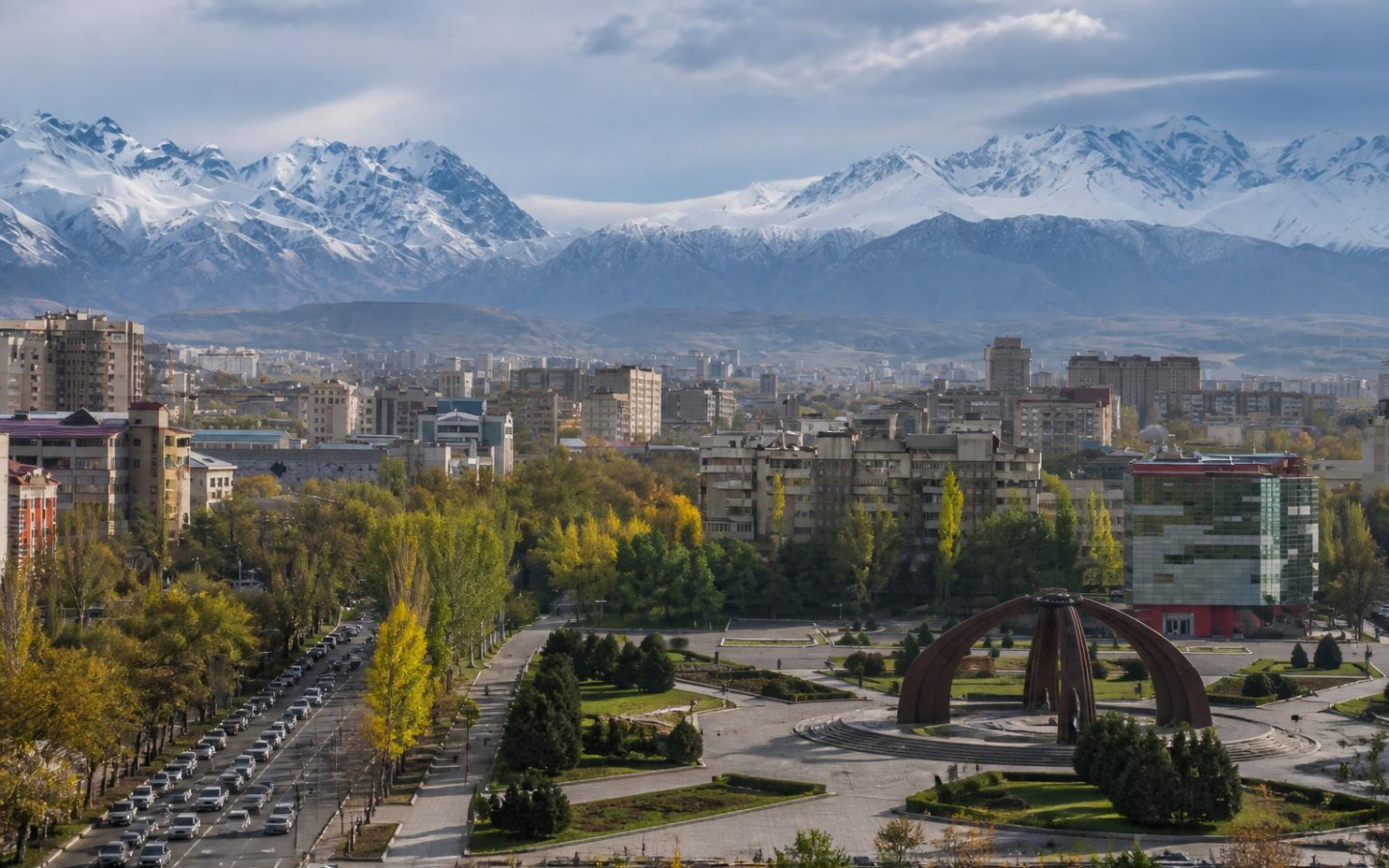
Same budget (Budget), different map: Very affordable MBBS routes · ≈ $6k/yr all-in
The aspirational step-up: Hospitality, finance, pharma; premium living costs · ≈ $29k/yr all-in
Almost nobody in Pakistan knows this exists: the Government of Brunei Darussalam Scholarship offers international students tuition, airfare, a monthly personal allowance, meals and book allowances, and accommodation — at Universiti Brunei Darussalam (UBD), a research university ranked among Asia's rising best. Beyond the scholarship, Brunei offers a serene, wealthy, deeply Muslim society where English is widely used, living is safe and orderly, and classes are small. The honest frame: Brunei is a scholarship destination, not a stay-back one — part-time work isn't the model and post-study employment for foreigners is limited. Win the award, and few degrees on earth cost your family less.
The complete, honest case for Brunei — exactly what the government scholarship covers, who wins it, the stay-back reality, and the exact route from Pakistan — in one short narrated briefing.
The Brunei video briefing is in production
The narrated 4-minute briefing for Brunei lands in this slot very soon. Until then, get the exact same briefing — live, personal, and free — from a counsellor who will map it to your grades and budget.
The Government of Brunei Darussalam Scholarship to Foreign Students typically includes: full tuition, return airfare, a monthly personal allowance (≈ BND 500), monthly meals allowance, annual book allowance, and accommodation at the university residential college — plus baggage and insurance provisions under the award terms. Read that list again: this is one of the most complete packages in Asian higher education.
Universiti Brunei Darussalam is the flagship — English-medium, research-active (energy, biodiversity, Islamic governance, data science), with generous staff-student ratios and modern facilities funded by hydrocarbon wealth. Its GenNEXT curriculum builds breadth and entrepreneurship into every degree. UTB (technology) and UNISSA (Islamic university) complete the main scholarship host options.
Brunei is a Melayu Islam Beraja state: halal is universal, mosques are magnificent and everywhere, alcohol is absent, and the social rhythm is calm and conservative — for many Pakistani parents, the most reassuring environment on this entire website. Daughters' families in particular rate Brunei's safety and supervision at the very top.
English is an official working language of education and government; UBD teaches in English, with Malay as the other campus language (easy for Urdu speakers to begin). No language year, no lost time — you start your degree at full speed.
If the scholarship doesn't land, UBD's international tuition remains modest by regional standards (commonly in the low thousands of BND per year for many programmes — confirmed per faculty), and Brunei's subsidised cost base keeps living predictable. The scholarship is the strategy; self-funded is a survivable plan B, not a catastrophe.
Brunei is small and quiet — nightlife is absent by law and design; student part-time work is not a feature of the system; and post-study employment for foreign graduates is limited (energy-sector and specialist roles occasionally sponsor). Choose Brunei to graduate debt-free from a respected university with a powerful scholarship story — then launch into the wider ASEAN/Gulf market. We plan that launch with you before you go.
Energy & Petroleum StudiesIslamic Finance & EconomicsBusiness & EntrepreneurshipComputer Science & DataEnvironmental & Biodiversity ScienceMedicine & Health SciencesEducationPublic PolicyEngineering (UTB)Islamic Studies (UNISSA)
| Item | Guide figure | What to know |
|---|---|---|
| Scholarship route | Tuition ≈ BND 0 + allowances & airfare | Personal ≈ BND 500/mo + meals & book allowances + accommodation (award terms confirmed per cycle) |
| Self-funded tuition (UBD guide) | ≈ BND 3,000–8,000 / year | Varies by faculty & level; medicine/health at the top — exact fee quoted in your shortlist |
| Living costs (self-funded) | ≈ BND 600–900 / month | Residential-college living anchors costs; Brunei has no income tax and subsidised essentials |
| Visa / entry | University-sponsored | Scholarship awardees are processed through official channels; self-funded files prepared with UBD sponsorship |
Comparing countries on cost? See how Argentina compares — full cost guide or scan every option in the Study Abroad for Almost Free budget hub.
The award is applied for through Brunei's Ministry of Foreign Affairs channel (online application, typically opening around the start of the year for August entry) with strict document requirements — attested certificates, medical report, passport-standard photographs and security clearance forms. Quotas are small and standards high: clean grades, a complete file and early submission decide outcomes. Our Brunei process grades your competitiveness in session one, builds the file to the ministry checklist, and always pairs it with a parallel funded alternative (KNB Indonesia, CSC China or MOE Taiwan) so one committee never controls your year.
Stated plainly: Brunei offers no post-study work route for typical graduates, and student employment is not part of the model. Your Brunei degree is a debt-free launchpad: scholars return with a prestigious award on the CV, English-medium credentials, and research experience — aimed at Pakistan, ASEAN and Gulf employers we identify during your final year. If guaranteed stay-back is your family's top priority, say so in session one and we will steer you to Canada, Australia or Europe instead. Honesty first, always.
We assess your record against past award standards, shortlist UBD/UTB/UNISSA programmes, and open a parallel funded application (KNB/CSC/MOE) as insurance — one strategy, two doors.
Attestations, medicals, translations and forms assembled exactly to the Brunei MFA checklist and submitted inside the early-year window — the step where most DIY applications quietly die.
Entry processed through official/university channels; residential-college place, allowances activation and campus registration sequenced in your arrival checklist.
Yes — the Government of Brunei Darussalam Scholarship is offered to citizens of OIC member states and other eligible countries, which includes Pakistan, for study at Brunei's institutions. It is small-quota and competitive; eligibility details are confirmed against the live call for your cycle in your free session.
Under recent award terms, scholars receive a monthly personal allowance of about BND 500 plus a monthly meals allowance and an annual book allowance, alongside paid tuition, accommodation and airfare. Terms are set per cycle — we verify the current figures from the official call before you rely on them, and budget a modest family top-up regardless.
UBD sets English requirements per programme (IELTS/TOEFL bands or approved equivalents); scholarship applicants must meet the host institution's entry standards. Your shortlist lists the exact requirement per programme so you sit the right test once.
No to both, realistically — and we'd rather you hear it here than discover it there. Brunei's value is a fully funded, debt-free degree in a safe Muslim-majority state. Your career plan (built with us from year one) targets employers beyond Brunei.
Quotas are small, so even strong students need the parallel plan we build by default. Grades, subject fit (energy, Islamic finance, biodiversity and education are institutional strengths) and a flawless file are the controllables. We grade you honestly in writing — and if Brunei is a long shot for your profile, your parallel funded route still lands you a scholarship year.
Still weighing it up? Browse the Southeast Asia region hub or the Study Abroad for Almost Free budget hub to compare Brunei against its closest alternatives.
Four honest alternatives drawn from the Southeast Asia region hub, the Near-Free budget tier and the premium step-up shelf — each with the reason it belongs on your shortlist.
Also in Southeast Asia: Asia's top-ranked universities; finance & tech · ≈ $28k/yr all-in
Also in Southeast Asia: Hospitality, business; affordable living · ≈ $13k/yr all-in
Same budget (Near-Free), different map: Engineering, CS, automotive; many low/no-tuition public routes · Tuition €0 · living ≈ $13k/yr
The aspirational step-up: Innovation, sustainability, engineering · ≈ $25k/yr all-in
Bangladesh quietly educates thousands of foreign medical students every year — including large numbers from across South Asia — at government and established private medical colleges whose MBBS programmes run in English at total costs far below private medicine almost anywhere else. Beyond medicine: BUET for engineering, Dhaka University, and strong private universities (BRAC, North South) teach in English across business, CS and health. For Pakistani families the logic is proximity, price and cultural familiarity — with one honest process note we manage for you: visa and admission timelines between Pakistan and Bangladesh require early, careful filing.
The complete, honest case for Bangladesh — the MBBS maths, recognition checks, real total costs, and the exact route from Pakistan — in one short narrated briefing.
The Bangladesh video briefing is in production
The narrated 4-minute briefing for Bangladesh lands in this slot very soon. Until then, get the exact same briefing — live, personal, and free — from a counsellor who will map it to your grades and budget.
Bangladesh's medical colleges — government institutions like Dhaka Medical College and established privates — admit foreign students into English-medium MBBS programmes with clinical training in high-volume teaching hospitals. Total programme costs at many private colleges land in a band (often roughly US$30,000–50,000 all-in over the degree, varying by college) that undercuts private medicine in most of the world. Our non-negotiable first step: verify the college's current recognition position for practice in Pakistan, in writing, before any payment.
BUET is one of South Asia's elite engineering schools; Dhaka University anchors research; BRAC University and North South University run respected English-medium business, CS, architecture and health programmes with international partnerships. Bangladesh is a full study destination, not a one-course trick.
Tuition outside medicine is modest — many private-university degrees cost roughly US$3,000–7,000 a year — and Dhaka living (US$300–550/month) runs on shared housing, local food and rickshaw economics a Pakistani student already understands. No currency shock, no 28-day funds theatre: documented sponsor evidence, prepared properly, is the standard.
A Muslim-majority country where halal is universal, mosques are everywhere, Bangla and Urdu speakers understand more of each other than either expects, and the flight home is short enough for family to visit. For a first move abroad — especially for medical students facing six demanding years — cultural ease is an academic advantage, not a soft extra.
Bangladeshi teaching hospitals see patient volumes and case diversity that textbook-heavy systems can't replicate. For a future doctor who will practise in South Asia, training amid South-Asian disease patterns and resource realities is directly transferable preparation — examiners and employers back home know it.
Pakistan–Bangladesh admission and visa processing can be slow and documentation-sensitive, and medical seats for foreigners are allocated through official channels with fixed windows. We start Bangladesh files earliest of all, verify equivalence/mark-conversion (GPA calculations for foreign applicants) precisely, and keep a parallel option (Indonesia, Turkey or Malaysia) warm so a delayed file never costs you the year.
MBBS / MedicineBDS / DentistryEngineering (BUET)Computer ScienceBusiness AdministrationPharmacyPublic Health (BRAC JPGSPH)ArchitectureNursing & Allied HealthTextile Engineering
| Item | Guide figure | What to know |
|---|---|---|
| MBBS — private medical colleges (foreign students) | Total ≈ US$30,000–50,000 over the programme (guide) | College-set, usually in instalments; government-college foreign seats priced differently — quoted per college in your shortlist |
| Tuition — private universities (non-medical) | ≈ US$3,000–7,000 / year | BRAC/North South at the top of the band; many solid privates below it |
| Living costs (Dhaka) | ≈ US$300–550 / month | Shared housing near campus + local food; Chittagong/Sylhet gentler still |
| Funds & equivalence | Sponsor evidence + mark-equivalence certificate | Foreign MBBS applicants need equivalence of pre-medical marks via the official channel — sequenced first in our process |
Comparing countries on cost? See how Albania compares — full cost guide or scan every option in the Best Budget Destinations budget hub.
Bangladesh's funding for foreign students is targeted rather than mass-market: SAARC-quota and government foreign-seat arrangements at public institutions (terms vary by cycle — we verify the current position for Pakistani applicants), university merit waivers at the big privates (BRAC and peers publish tiered tuition waivers for strong transcripts), and instalment structures that spread medical fees across the programme. The structural discount is the price itself: our job is pairing the lowest legitimate total cost with a college whose recognition protects your licence to practise.
Bangladesh is a study destination, not a settlement route: there is no post-study work visa for foreign graduates, and medical graduates return home for licensing and internship recognition steps under the current Pakistan rules (verified for your college before you enrol). Choose Bangladesh to qualify affordably and well — then build your career in Pakistan or the Gulf with a debt-light start. Any agent who sells you a Bangladeshi stay-back is selling fiction; we sell the maths and the recognition check instead.
Before shortlists: your target colleges verified against the current Pakistan recognition position, and your pre-medical marks converted through the official equivalence process — the two gates every foreign MBBS file must pass.
Government foreign seats vs. established privates compared on all-in programme cost, hospital volume, foreign-student track record and instalment terms — priced to the final year, not the first semester.
Bangladesh's foreign admission windows are fixed and paperwork-heavy. We file inside the window with attested documents complete, and keep your parallel-country option alive until your seat is confirmed.
Only through the current licensing pathway — which depends on your college's recognition standing and your clearing the required exams/steps on return. Recognition lists change, so we verify your exact college against the latest Pakistan Medical Commission position in your free session and put it in writing before you pay anything.
Foreign applicants' pre-medical marks go through an official equivalence/GPA conversion, and medical colleges set minimum converted thresholds for foreign seats. Small conversion losses surprise families every year — we calculate yours precisely before choosing colleges to target.
At established private colleges, foreign-student totals commonly fall in the US$30,000–50,000 band across the whole programme (fees plus typical living), varying by college and instalment structure. Your shortlist prices each college to completion — tuition schedule, hostel, and the costs agents leave out.
Medical and top private-university teaching is in English; formal IELTS is often not required for Bangladesh admission, though English evidence can strengthen files. Bengali arrives naturally for clinical interaction — colleges expect foreign students to learn patient-facing Bangla during the degree, and that skill is part of your clinical competence.
Bangladesh hosts large cohorts of South-Asian foreign students, particularly in medicine; student areas of Dhaka, Chittagong and Sylhet are accustomed to them, halal food is universal and the culture is warmly familiar. Our briefing covers housing (hostel vs. shared flat), campus reporting requirements and staying documentation-clean — the things that actually matter.
Still weighing it up? Browse the South Asia region hub or the Best Budget Destinations budget hub to compare Bangladesh against its closest alternatives.
Four honest alternatives drawn from the South Asia region hub, the Budget budget tier and the premium step-up shelf — each with the reason it belongs on your shortlist.
Also in South Asia: Transnational UK/Aus pathways; close to home · ≈ $9k/yr all-in
Cheaper alternative: Affordable; KNB government scholarships · ≈ $6k/yr all-in
Same budget (Budget), different map: Very affordable MBBS routes · ≈ $6k/yr all-in
The aspirational step-up: Quality + lifestyle; Green List aligned courses · ≈ $32k/yr all-in
Estonia invented Skype, runs its government on e-Estonia, and produces more startups per person than almost anywhere in Europe. Its universities — Tartu (founded 1632), TalTech and Tallinn University — teach sought-after programmes in English, tuition for international students commonly sits around €3,000–7,500 a year, government scholarships and tuition waivers reward strong files, and graduates can extend their stay to hunt for work in a capital where every second company is a tech company. This is Europe's startup classroom — and Pakistan's most under-discovered IT door.
The complete, honest case for Estonia — the real fees, the tech-job map, the stay-back extension, and the exact path from Pakistan — in one short narrated briefing.
The Estonia video briefing is in production
The narrated 4-minute briefing for Estonia lands in this slot very soon. Until then, get the exact same briefing — live, personal, and free — from a counsellor who will map it to your grades and budget.
Estonia has produced Skype, Wise, Bolt and Pipedrive — and its tech sector actively recruits international graduates. TalTech and the University of Tartu run English-taught programmes in cybersecurity, software, robotics and e-governance designed with those employers. In Tallinn, your internship market starts a tram ride from your dorm.
The University of Tartu is the Baltics' research flagship with global rankings momentum; TalTech owns engineering and IT; Tallinn University covers media, business and social sciences. English-taught tuition commonly runs €3,000–7,500 a year — and top bachelor's and master's applicants compete for tuition waivers that can remove it entirely.
EU, Schengen, NATO and the euro — an Estonian degree follows Bologna rules, is recognised across Europe, and your residence opens Schengen travel from a capital 80 km across the water from Helsinki. No second-tier asterisks anywhere.
Estonians rank high in English proficiency and the startup/tech sector works in English daily — part-time jobs, internships and graduate roles are realistic without Estonian, while free language courses build your local edge for public-sector and traditional employers.
Tallinn's Old Town is a UNESCO medieval jewel; Tartu is a true student city where students are a quarter of the population. Rents and daily costs sit well below Helsinki, Stockholm or Amsterdam — and parents consistently rate Estonia among Europe's calmest destinations.
In the country where tax filing takes three minutes online, your student life runs digitally too — residence card, banking, transport, university systems. For students tired of paper queues, Estonia feels like studying in the future.
CybersecurityComputer Science & SoftwareE-Governance & Public InnovationRobotics & EngineeringBusiness & EntrepreneurshipInternational RelationsLaw (EU & Tech)Medicine (Tartu)Design & New MediaEnvironmental Science
| Item | Guide figure | What to know |
|---|---|---|
| Tuition — English-taught programmes | ≈ €3,000–7,500 / year | Set per programme; medicine and some specialised masters sit higher — exact fee quoted in your shortlist |
| Living costs | Tallinn ≈ €650–950 · Tartu ≈ €550–800 / month | University dormitories and shared flats anchor the low end; student discounts are everywhere |
| Residence funds proof | Living funds + tuition evidence (planning guide) | Shown via sponsor bank evidence to the current Estonian standard — we confirm your exact requirement before filing |
| Part-time work | Allowed alongside studies | Student residence permits study-first employment under current rules — earnings support living, never your visa case |
Comparing countries on cost? See how Austria compares — full cost guide or scan every option in the Mid-Range: Maximum Value budget hub.
Estonia funds internationals through three real doors: Estonian government scholarships (administered via the Study in Estonia / Education & Youth Board channel — degree scholarships for citizens of partner countries and summer/research grants, with country eligibility confirmed per call), university tuition waivers — Tartu, TalTech and Tallinn University waive fees for a share of their strongest admitted students, often the top-ranked applicants per programme — and Erasmus Mundus full rides where Estonian partners participate. Strategy is everything: the same grades can pay €0 or full fee depending on programme choice and application timing. That optimisation is our job.
Graduates of Estonian universities can typically apply to extend their temporary residence by up to 9 months to look for work after completing studies (current terms confirmed for your intake), then move onto employment-based residence — Estonia's tech and startup sector is structurally short of developers, engineers and data talent, and English-language hiring is the norm there. During studies, part-time work is a realistic living-cost support in Tallinn's service and tech-support economy. Estonian language at even A2–B1 visibly widens your options beyond the tech bubble.
Tartu vs. TalTech vs. Tallinn University graded against each programme's waiver track record and tech-employer fit — with total costs, rent included, in writing.
Waivers and government scholarship consideration reward early, complete files. We sequence HEC/IBCC attestation, English proof and programme requirements (some IT programmes test maths/logic) so nothing misses its round.
Long-stay (D) visa and temporary residence permit prepared with funds evidence in the format Estonia expects, then dormitory move-in and your ID-card, bank and transport setup in week one.
Estonia's tech sector is deliberately outsized — international startups hire globally from Tallinn, remote EU roles are common, and your EU-recognised degree travels anywhere in Europe. Small country, networked economy: graduates who network during the degree do disproportionately well.
English-taught programmes require documented English — typically IELTS 5.5–6.5 depending on level and university, with TOEFL/PTE equivalents accepted. Some universities assess via their own tests in specific cases. Your shortlist states each programme's exact accepted proof so you test once, correctly.
As a planning guide: first-year tuition plus living funds consistent with roughly €650–950 a month, evidenced through sponsor statements with clear history. Estonia's bar is mid-range for the Schengen area — reachable for many families when the paperwork is complete and consistent, which is precisely what we audit.
Waivers are competitive and programme-specific — they go to the top-ranked admits, not to everyone who applies. We grade your realistic waiver chance per university in your free session and always build a self-funded budget underneath, so a waiver is upside, never the whole plan.
Winters are cold and dark — cities are built for it and student life adapts fast (sauna culture helps). Day-to-day and tech-sector life runs in English; Estonian is a graduation asset, not an entry barrier. Students who add even basic Estonian report a visibly warmer local welcome and wider job options.
Still weighing it up? Browse the Europe – Schengen region hub or the Mid-Range: Maximum Value budget hub to compare Estonia against its closest alternatives.
Four honest alternatives drawn from the Europe – Schengen region hub, the Mid-Range budget tier and the premium step-up shelf — each with the reason it belongs on your shortlist.
English-taught option: MBBS & engineering in English; strong value · ≈ $11k/yr all-in
Also in Europe – Schengen: Sunny, affordable EU living; business & tech · ≈ $15k/yr all-in
Same budget (Mid-Range), different map: GKS scholarships; tech, media, business · ≈ $13k/yr all-in
The aspirational step-up: Branch campuses; Dubai/Abu Dhabi hubs · ≈ $26k/yr all-in
Read that again: Iceland's public universities — the University of Iceland and the University of Akureyri — charge no tuition fees, only a modest annual registration fee (around ISK 75,000, roughly €500–600). You pay in living costs instead: Reykjavík is expensive, and we will show you exactly how expensive. In return you get English-taught master's programmes in geothermal energy, sustainability, marine science and more, tiny classes, the world's top safety rankings year after year, northern lights from your dorm window — and a graduate route to stay and seek work. Iceland is the connoisseur's Schengen: few seats, zero tuition, total honesty required.
The complete, honest case for Iceland — the zero-tuition truth, the living-cost reality, the grant for Icelandic studies, and the exact route from Pakistan — in one short narrated briefing.
The Iceland video briefing is in production
The narrated 4-minute briefing for Iceland lands in this slot very soon. Until then, get the exact same briefing — live, personal, and free — from a counsellor who will map it to your grades and budget.
While Norway introduced fees and Germany debates them, Iceland's public universities still charge international students no tuition — just the annual registration fee. Private institutions (e.g. Reykjavík University, Bifröst) charge fees, and we price them separately — but the public route remains one of the planet's great education bargains.
Iceland runs on nearly 100% renewable electricity and leads the world in geothermal expertise. The University of Iceland, the UNU Geothermal Training Programme tradition and Iceland School of Energy make it the natural classroom for energy, sustainability, climate and environmental careers — fields Pakistani engineers increasingly target.
Iceland tops the Global Peace Index almost every year, violent crime is vanishingly rare, and society runs on first names and trust. For parents — especially of daughters — researching destinations, Iceland's safety record is frequently the deciding exhibit.
A nation of under 400,000 people runs universities where professors know your name, research groups take master's students seriously from semester one, and your supervisor's reference carries real knowledge of your work. Small is a quality strategy here.
Master's programmes teach widely in English and Icelanders' English proficiency is elite — daily life, part-time work and internships function in English. Icelandic unlocks the public sector and deeper integration; the famous Árni Magnússon scholarship exists precisely to fund people learning it.
Reykjavík rent and food prices are among Europe's highest — plan roughly €1,400–1,900 a month, and student housing (applied for the day you're admitted) is the difference between comfort and crisis. Iceland rewards funded, prepared students and punishes magical thinking. Our files budget the real numbers before any application is sent.
Geothermal & Renewable EnergyEnvironmental & Sustainability ScienceMarine & Fisheries ScienceComputer ScienceGeology & Earth SciencesPublic HealthIcelandic StudiesBusiness & InnovationPsychologyArctic Studies (Akureyri)
| Item | Guide figure | What to know |
|---|---|---|
| Tuition — public universities | €0 + registration ≈ ISK 75,000 / year | University of Iceland & University of Akureyri — the fee covers administration, not tuition |
| Tuition — private universities | ≈ €8,000–15,000 / year | Reykjavík University and peers — priced per programme in your shortlist |
| Living costs (Reykjavík) | ≈ €1,400–1,900 / month | Student housing via the student housing foundation is the budget key — private rent doubles the burn |
| Residence funds proof | ≈ ISK 260,000–290,000 / month (guide) | The Directorate of Immigration sets the monthly support figure — we confirm the current amount and evidence format for your filing |
Comparing countries on cost? See how Australia compares — full cost guide or scan every option in the Premium: World Elite budget hub.
Iceland's signature award is the Icelandic Government Scholarship for Icelandic Studies, administered with the Árni Magnússon Institute — funding students from a list of countries to study Icelandic language and culture at the University of Iceland (eligibility by nationality list, confirmed per call). Around it: the universities' own research assistantships and project grants at master's/PhD level, Nordic and Erasmus Mundus funding, and — most powerful of all — the structural saving of zero tuition itself. Our Iceland files are built backwards from one question: can your family evidence Reykjavík living costs for the full degree? If yes, Iceland's total can rival 'cheap' countries that charge fees. If no, we say so and redirect you early.
Recent Icelandic reforms give graduates of Icelandic universities a route to a residence permit to seek employment — currently up to three years for eligible graduates (terms confirmed for your case at filing) — among Europe's most generous windows, converting to a standard work permit when hired. Students may work part-time alongside studies under their permit conditions; Icelandic wages are high, and tourism, services and tech hire English speakers year-round — but your residence case must stand on documented funds, never on hoped-for wages.
Before shortlists: your family's living-cost evidence tested against the Immigration Directorate's current monthly figure, programme by programme. Iceland files begin with arithmetic, not dreams.
University of Iceland and Akureyri programmes matched to your field and grades; private options priced only where they add something the publics don't. Application deadlines for non-EEA students land early (often February–April) — your file is built a season ahead.
Residence application with funds evidence in the prescribed format, student-housing application fired the day admission lands, and your arrival checklist (kennitala ID number, bank, health registration) sequenced.
At public universities, yes: no tuition, only the annual registration fee (about ISK 75,000). The catches are admission competitiveness (places are limited and master's programmes select), the early non-EEA deadlines, and Reykjavík living costs — which is why our process starts with a funding reality check rather than an application.
The Directorate of Immigration requires evidence of secure support at a set monthly amount — plan around ISK 260,000–290,000 per month, confirmed at filing — in your own or your sponsor's documented funds. Because there is no tuition, the entire case is living-cost evidence; format and history matter enormously, and we audit both.
English-taught programmes require documented proficiency (commonly IELTS 6.5 at master's level, programme-set). Bachelor-level English-taught choice is narrower — many undergraduate programmes teach in Icelandic, so we check your level honestly and shortlist only programmes you can actually enter and complete.
Part-time work at Icelandic wages helps substantially — students commonly work in tourism, hospitality and services — but permits and study progress come first, and your residence is granted on documented funds alone. Budget work as relief, never as the plan.
Iceland introduced a generous post-study job-search residence for graduates of its universities — currently up to three years for eligible degree-holders under the rules in force. We verify the exact terms for your graduation year before you rely on them, and build your employer map (energy, tech, tourism, research) from semester one, not after the party.
Still weighing it up? Browse the Europe – Schengen region hub or the Premium: World Elite budget hub to compare Iceland against its closest alternatives.
Four honest alternatives drawn from the Europe – Schengen region hub, the Premium budget tier and the premium step-up shelf — each with the reason it belongs on your shortlist.
Cheaper alternative: Music, engineering, business; low public fees · ≈ $13k/yr all-in
Cheaper alternative: EU capital; business, engineering, health · ≈ $15k/yr all-in
Same budget (Premium), different map: American-model private universities; Gulf family base · ≈ $24k/yr all-in
The aspirational step-up: Branch campuses; Dubai/Abu Dhabi hubs · ≈ $26k/yr all-in
Latvia is the Baltic route insiders know: Riga Stradiņš University trains doctors from across Europe in English, Riga Technical University anchors engineering and aviation, and the University of Latvia covers everything else — at tuition commonly between €2,500 and €6,000 a year (medicine higher, as everywhere), with Latvian State Scholarships for strong international applicants. Add a UNESCO-listed Art Nouveau capital, living costs below most of the EU, full Schengen membership and a growing startup and shared-services job market, and Latvia becomes the value play that still feels like a capital-city degree.
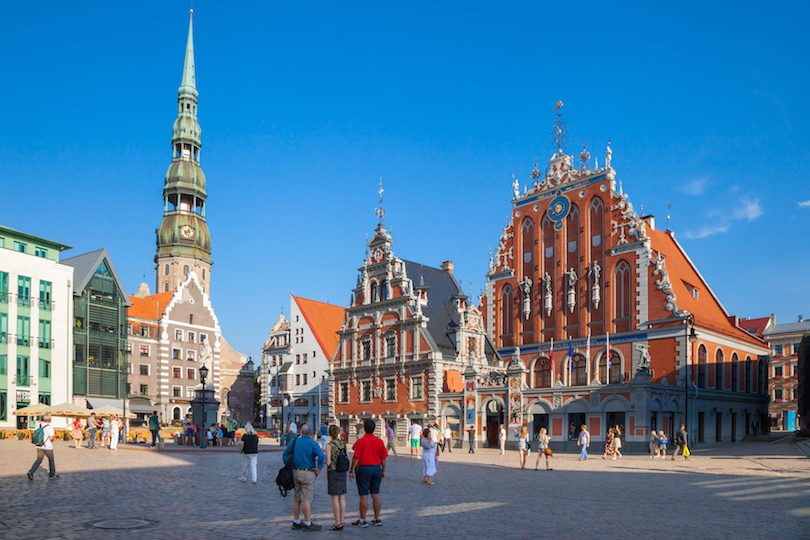
The complete, honest case for Latvia — the medical route, real fees, state scholarships, the work reality, and the exact path from Pakistan — in one short narrated briefing.
The Latvia video briefing is in production
The narrated 4-minute briefing for Latvia lands in this slot very soon. Until then, get the exact same briefing — live, personal, and free — from a counsellor who will map it to your grades and budget.
Riga Stradiņš University educates a famously international student body — a large share of its students come from abroad, with medicine and dentistry taught fully in English in modern clinical facilities. For Pakistani medical aspirants it is a first-rank EU option — and our first step, always, is verifying the current recognition and licensing path for practice in Pakistan before a single fee is discussed.
Riga Technical University (founded 1862) runs English-taught engineering, computer science and aviation programmes beside an airport city that maintains fleets for half of Europe; transport and logistics (TSI) and a growing fintech/startup scene (Printful was born in Latvia) complete a graduate market bigger than the country's size suggests.
Most English-taught programmes sit around €2,500–6,000 a year; Riga living runs roughly €600–900 a month with dormitories and shared flats at the low end. Against comparable EU capitals, Latvia routinely saves families a full year of fees across a degree.
EU, Schengen, eurozone, NATO — a Latvian degree is a Bologna degree recognised across Europe, your residence permit opens Schengen travel, and Helsinki, Stockholm and Vilnius are short hops. There is no 'but is it recognised?' chapter with Latvia.
The world's densest collection of Art Nouveau architecture, a medieval Old Town, the Daugava river and beaches at Jūrmala 25 minutes away. Students describe Riga as a big-city education at a small-city pace — safe, walkable, and quietly beautiful in every season.
English-taught study and Riga's international employers function in English; younger Latvians are widely fluent. Latvian opens public-sector and clinical doors (essential for medical placements), and the universities run language courses precisely because they know it converts into jobs.
Medicine (RSU)DentistryAviation & Aeronautical EngineeringComputer Science & ITBusiness & LogisticsPharmacyNursing & HealthArchitectureElectronics & RoboticsInternational Relations
| Item | Guide figure | What to know |
|---|---|---|
| Tuition — most programmes | ≈ €2,500–6,000 / year | University- and programme-set; business/IT/engineering cluster in this band |
| Tuition — medicine & dentistry (RSU guide) | ≈ €12,000–16,000 / year | Confirm per faculty and intake — clinical programmes price at EU medical norms |
| Living costs (Riga) | ≈ €600–900 / month | Dormitories (~€150–250) are the budget superpower — apply immediately on admission |
| Residence funds proof | Tuition + living evidence (planning guide) | Sponsor bank evidence to the current OCMA standard — verified for your file before submission |
Comparing countries on cost? See how Austria compares — full cost guide or scan every option in the Mid-Range: Maximum Value budget hub.
The headline is the Latvian State Scholarship programme (administered by VIAA, the State Education Development Agency): scholarships for studies, research and summer schools open to citizens of partner countries under bilateral agreements — eligibility and quotas confirmed per call, and we check Pakistan's current status the week you apply. Beneath it: university merit reductions and faculty awards (RSU and RTU both run international-student support), plus Erasmus Mundus full rides. Honest framing: Latvia's structural discount is its low base price — scholarships sharpen it, they don't create it.
Latvia is an employment-led stay-back system: graduates move onto a work-based temporary residence permit when hired (with facilitated terms for graduates of Latvian institutions under current rules — confirmed for your case), and shortage fields — IT, engineering, health, aviation — convert most reliably. During studies, students can typically work part-time (commonly up to 20 hrs/week in term for full-time students) — realistic support in Riga's services and shared-services economy, budgeted as help, never as your residence case. Latvian language is the multiplier for clinical and public-facing roles.
RSU/RTU/University of Latvia matched to your field and budget — and for medicine, your target faculty verified against the latest Pakistan recognition position, in writing, before any deposit.
Latvia runs foreign qualifications through the Academic Information Centre — we sequence HEC/IBCC attestation and AIC assessment early so recognition never delays your residence file.
Temporary residence permit prepared with funds evidence in the prescribed format; dormitory application fired the day admission lands; arrival checklist (personal code, bank, GP registration) in hand.
It depends on the university's current recognition standing and your clearing the licensing steps on return — RSU is the established route, and we verify your exact faculty against the latest Pakistan Medical Commission position in your free session, in writing, before you pay anything. Recognition is checked first here, not discovered later.
English-taught programmes require English evidence — commonly IELTS 5.5–6.5 or equivalents, programme-set; some universities interview or accept alternative proofs. Your shortlist lists the exact requirement per programme so you prepare once, correctly.
Plan on first-year tuition plus living funds consistent with €600–900 a month, through sponsor statements with clear history, in the format OCMA currently requires. Latvia's overall bar is among the EU's most reachable — provided the file is complete and consistent.
Yes, within the student limits (commonly up to 20 hrs/week in term) — Riga's hospitality, retail, logistics and English-language support roles hire students steadily. At Latvian wages it supports living costs meaningfully; your permit case still stands on sponsor funds alone.
Not for admission to English-taught programmes. For medicine, Latvian becomes necessary for patient interaction in clinical years — RSU builds language teaching into the path. For graduate jobs beyond international firms, Latvian at B1+ is a genuine career asset we encourage from semester one.
Still weighing it up? Browse the Europe – Schengen region hub or the Mid-Range: Maximum Value budget hub to compare Latvia against its closest alternatives.
Four honest alternatives drawn from the Europe – Schengen region hub, the Mid-Range budget tier and the premium step-up shelf — each with the reason it belongs on your shortlist.
Cheaper alternative: Medicine, dentistry, vet; Stipendium Hungaricum · Stipendium Hungaricum = full ride · self-funded ≈ $14k/yr
Also in Europe – Schengen: Geothermal, environment, small cohorts · Tuition €0 · living ≈ $25k/yr
Same budget (Mid-Range), different map: Affiliated UK-pathway colleges · ≈ $15k/yr all-in
The aspirational step-up: Quality + lifestyle; Green List aligned courses · ≈ $32k/yr all-in
Lithuania is the largest Baltic state, a top-3 European fintech hub, and home to Vilnius University (founded 1579), Kaunas' health-sciences powerhouse and a shelf of English-taught programmes at tuition commonly between €3,000 and €6,500 a year. Lithuanian State Scholarships fund strong full-degree master's applicants from partner countries, students can work part-time, and — the detail that closes deals — graduates can apply for a temporary residence permit of up to 12 months to look for work after finishing. Vilnius and Kaunas deliver baroque old towns, real tech salaries and Baltic living costs in one package.
The complete, honest case for Lithuania — the fees, the state scholarship, the 12-month job-search window, and the exact route from Pakistan — in one short narrated briefing.
The Lithuania video briefing is in production
The narrated 4-minute briefing for Lithuania lands in this slot very soon. Until then, get the exact same briefing — live, personal, and free — from a counsellor who will map it to your grades and budget.
Lithuania's graduate route is refreshingly explicit: after completing your studies you can apply for a temporary residence permit to seek employment — currently up to 12 months — then convert to a work permit when hired, with EU Blue Card routes for higher-salary roles. No lottery, no employer sponsorship needed just to stay and search.
Revolut's EU banking home, a deep cluster of fintech, cybersecurity, laser and biotech firms, plus global service centres (Western Union, Nasdaq) hiring English-speaking graduates. Kaunas adds health sciences and a second tech scene at lower rent. Lithuania's graduate labour market is the Baltics' deepest.
The Lithuanian University of Health Sciences (LSMU) in Kaunas teaches medicine, dentistry, pharmacy and veterinary in English to a large international cohort; Vilnius University and Vilnius Tech cover the full academic map. Medicine families: our non-negotiable first step is verifying the current Pakistan recognition and licensing path — in writing, before fees.
Tuition clusters around €3,000–6,500 (medicine roughly €12,000–14,000 as a guide), living around €600–900 a month in Vilnius and less in Kaunas — with dormitories anchoring budgets. Few Schengen destinations match this fee-to-degree-value ratio.
The Lithuanian State Scholarship programme funds full-degree master's studies (and short-term exchanges) for citizens of designated partner countries — a monthly scholarship toward living costs awarded competitively. We verify Pakistan's current eligibility and deadlines for your cycle and build the file to that standard.
Vilnius has one of Europe's largest surviving baroque old towns; Trakai's island castle is a Sunday trip; the Curonian Spit's dunes are a national treasure. Students get a capital that is beautiful, safe and still genuinely affordable to enjoy — not just to endure.
Medicine & Dentistry (LSMU)Fintech & FinanceComputer Science & CybersecurityBiotechnology & Life SciencesBusiness & MarketingEngineeringPharmacyLawPublic HealthAviation Management
| Item | Guide figure | What to know |
|---|---|---|
| Tuition — most programmes | ≈ €3,000–6,500 / year | Set per university & programme; some business/IT masters sit at the top of the band |
| Tuition — medicine (LSMU guide) | ≈ €12,000–14,000 / year | Confirm per programme and intake before budgeting |
| Living costs | Vilnius ≈ €650–900 · Kaunas ≈ €550–800 / month | Dormitories (~€120–250/month) are the budget anchor — apply on admission |
| Residence funds proof | Linked to the Lithuanian minimum-income benchmark + tuition (guide) | Migration Department sets the formula — we confirm the current figures and evidence format for your filing |
Comparing countries on cost? See how Austria compares — full cost guide or scan every option in the Mid-Range: Maximum Value budget hub.
The flagship is the State Scholarship for full-degree master's studies — a monthly grant (recent cycles have paid a stipend in the region of €500+/month toward living costs; the live call sets the figure) for citizens of listed partner countries, awarded on academic merit. Add university tuition discounts for strong applicants, faculty awards, and Erasmus Mundus full rides where Lithuanian partners participate. Our Lithuania files run the state scholarship, university discounts and a self-funded budget in parallel — so one committee never decides your year.
The graduate deal, plainly: finish your degree, apply for the up-to-12-month job-search temporary residence permit, and use Lithuania's fintech, tech, life-science and health hiring to convert into a work residence permit (or EU Blue Card at qualifying salaries). During studies, full-time students may typically work up to 20 hrs/week in term — real support at Vilnius service/tech-support wages, planned around your timetable and never as your residence case. Lithuanian at B1+ widens public-sector and clinical options.
Programmes graded against state-scholarship competitiveness and the Vilnius/Kaunas job map — total costs, rent included, in writing.
Lithuanian admissions run through the national LAMA BPO system with qualification recognition via SKVC. We sequence attestation and recognition early — incomplete recognitions are the classic Lithuanian delay.
National (D) visa / temporary residence prepared with funds evidence to Migration Department standards, dormitory secured, and your arrival essentials (personal code, bank, health registration) sequenced.
The partner-country list and quotas are set per call — in recent cycles the full-degree master's scholarships have targeted specific regions and countries. We check the live call for your intake in your free session; if Pakistan isn't listed that cycle, university discounts and the low base fees become the funding plan, priced honestly underneath.
English-taught programmes require documented English — typically IELTS 5.5–6.5 or equivalents, programme-set, with some universities offering their own assessment routes. Your shortlist states exactly what each target accepts.
The Migration Department ties the requirement to the national minimum monthly income benchmark plus your tuition obligations — as a planning guide, evidence consistent with roughly €650–900 a month plus fees, via sponsor statements with clear history. We confirm the formula for your filing date so the file matches to the euro.
Kaunas' LSMU is the established English-taught medical route in Lithuania — but recognition and licensing rules for practice in Pakistan are set by the current Pakistan authorities and change over time. We verify LSMU's present position for your intake in writing before any payment. This check is step one, always.
Vilnius maximises jobs, internships and city life at top-of-Baltic rents; Kaunas maximises affordability and owns health sciences. Your session compares the two on total degree cost and graduate employment for your exact field — the gap across a degree can exceed a year of fees elsewhere.
Still weighing it up? Browse the Europe – Schengen region hub or the Mid-Range: Maximum Value budget hub to compare Lithuania against its closest alternatives.
Four honest alternatives drawn from the Europe – Schengen region hub, the Mid-Range budget tier and the premium step-up shelf — each with the reason it belongs on your shortlist.
Also in Europe – Schengen: Geothermal, environment, small cohorts · Tuition €0 · living ≈ $25k/yr
Cheaper alternative: Medicine, design, engineering; regional scholarships exist · Fees from ≈ €0 (income-based) · living ≈ $10k/yr
Same budget (Mid-Range), different map: Strong universities; research depth · ≈ $12k/yr all-in
The aspirational step-up: Education City branch campuses; HBKU & QU scholarships · Education City · aid can cut costs deeply
Here is Luxembourg's astonishing equation: the world's richest country per capita — home to the EU's banking core, Amazon's European HQ and the European Court of Justice — runs a public university whose fees for most programmes are only a few hundred euros per semester. The University of Luxembourg teaches in English, French and German (many master's fully in English), the Guillaume Dupaix Scholarship funds outstanding international master's students, public transport is free nationwide, and graduates can stay to seek work in an economy where entry salaries lead Europe. The price is rent: Luxembourg City housing rivals London. Funded honestly, this is Europe's highest-ceiling degree.
The complete, honest case for Luxembourg — the tiny-fees truth, the rent reality, the finance-job map, and the exact route from Pakistan — in one short narrated briefing.
The Luxembourg video briefing is in production
The narrated 4-minute briefing for Luxembourg lands in this slot very soon. Until then, get the exact same briefing — live, personal, and free — from a counsellor who will map it to your grades and budget.
Luxembourg is the world's second-largest investment-fund centre and the EU's private-banking capital: banks, fund administrators, Big Four firms, Amazon EU, PayPal and EU institutions hire finance, law, data and compliance graduates continuously — at starting salaries that lead the continent. Your classroom neighbours are your future employers.
The University of Luxembourg (founded 2003) was built international: students from 130+ countries, programmes designed across English/French/German, and research muscle in finance, computer science (SnT), materials and Luxembourg law. Small cohorts, modern Belval campus, and fees that belong to another decade.
The Guillaume Dupaix International Master's Scholarship supports outstanding international master's applicants with a stipend paid across the programme (recent terms value it at €5,146 per academic year, plus student housing support arrangements — terms confirmed per call). It exists specifically to bring top non-EU talent to Luxembourg. Competitive, real, and worth building a file for.
Luxembourg made all public transport free — trains, trams, buses, nationwide. France, Germany and Belgium are day trips; many residents live cross-border. Your student budget simply deletes the transport line that bleeds students everywhere else.
Finance, tech and EU institutions work heavily in English — master's programmes in finance, data, law (English tracks) and engineering recruit internationally. French and German then stack advantage upon advantage in the local market; the university teaches both, and multilingual graduates are Luxembourg's favourite hires.
Luxembourg City is one of Europe's most expensive housing markets: a room in shared housing commonly runs €700–1,100+, studios far more. Student residences (applied for the moment admission lands) and cross-border living are the survival strategies. We file only budgets that survive Luxembourg arithmetic — if yours doesn't yet, we'll show you Belgium or Germany routes to the same finance careers.
Finance & BankingWealth ManagementComputer Science & Cybersecurity (SnT)Data ScienceEuropean & Financial LawBusiness & EntrepreneurshipEngineering & MaterialsSpace ResourcesPsychologyLogistics & Supply Chain
| Item | Guide figure | What to know |
|---|---|---|
| University of Luxembourg tuition | ≈ €200–800 / semester | Most bachelor/master programmes cluster at the low end; a few specialised programmes charge more — quoted exactly in your shortlist |
| Private institutions | ≈ €8,000–20,000 / year | Business schools and branch providers — a deliberate premium choice, never our default |
| Living costs | ≈ €1,500–2,100 / month | Rent dominates; student residences and shared flats anchor the low end; transport is €0 |
| Residence funds proof | Tied to the Luxembourg social minimum benchmark (guide) | Shown via sponsor resources to the current ministerial standard — we confirm the exact figure for your filing |
Comparing countries on cost? See how Austria compares — full cost guide or scan every option in the Mid-Range: Maximum Value budget hub.
Beyond the Guillaume Dupaix Scholarship, Luxembourg's stack includes university and faculty awards, Luxembourg's state financial aid system (Aide financière — eligibility for non-residents is limited and checked case-by-case; most international students budget without it), research assistant contracts at master's/PhD level (Luxembourg PhDs are salaried), and Erasmus Mundus full rides. The honest headline remains the base equation: near-zero public fees against Europe's highest graduate salaries — with rent as the one serious enemy, managed by early housing strategy.
Graduates of Luxembourg institutions can typically obtain a residence permit to seek employment or start a business — currently up to 9 months (terms confirmed for your case) — then convert to salaried-worker residence with a qualifying job. In a labour market with structural shortages in finance, IT, health and engineering, conversion rates for multilingual graduates are strong. During studies, students may work part-time within the legal limits (commonly up to 15 hrs/week in term under current rules for third-country students, more in holidays) — at Luxembourg wages, unusually meaningful support.
We model your total Luxembourg cost (rent scenarios included) against realistic graduate salaries in your field — and against Belgium/Germany alternatives — on one honest page.
The Dupaix is decided with admission for top files: transcripts, references and a motivation that argues fit with Luxembourg's industries. Non-EU application windows close early (often by February–April for autumn) — your file is built in winter.
Temporary authorisation to stay and residence permit prepared with resources evidence in the prescribed format; university residence application fired at admission; arrival essentials (registration, bank, CNS health) sequenced.
At the University of Luxembourg, yes — most programmes charge a few hundred euros per semester in enrolment/tuition fees, because the state funds the university as a public good in a wealthy country. The real budget battle is living costs and admission competitiveness, not tuition. Anyone quoting you €20,000 tuition for Uni.lu is quoting a private school.
Luxembourg ties the resources requirement to its social minimum wage benchmark — as a planning guide, evidence consistent with roughly €1,500–2,100 a month of living funds, via sponsor resources with clear history, in the format the authorities currently require. We confirm the exact figure for your filing date.
Many master's programmes teach fully in English; bachelor's programmes are typically bilingual (French/English or German/English) and require evidence in the teaching languages. Your shortlist is filtered to programmes your language profile can genuinely complete — and we plan language-building into the degree either way.
Dupaix awards go to outstanding master's applicants — top grades from a recognised university plus a sharp fit story. We grade your competitiveness in writing in your free session; win or lose, your Uni.lu base fees remain a few hundred euros, which is why Luxembourg stays rational even without the award.
Luxembourg's economy is small in population and enormous in capital: fund assets measured in trillions, EU institutions, and satellite/space and logistics sectors beside finance. Graduates also carry an EU degree into Frankfurt, Paris, Brussels and Amsterdam — all under three hours away, all hiring Luxembourg graduates.
Still weighing it up? Browse the Europe – Schengen region hub or the Mid-Range: Maximum Value budget hub to compare Luxembourg against its closest alternatives.
Four honest alternatives drawn from the Europe – Schengen region hub, the Mid-Range budget tier and the premium step-up shelf — each with the reason it belongs on your shortlist.
Cheaper alternative: Medicine, design, engineering; regional scholarships exist · Fees from ≈ €0 (income-based) · living ≈ $10k/yr
Also in Europe – Schengen: Medicine & aviation; affordable EU · ≈ $11k/yr all-in
Same budget (Mid-Range), different map: GKS scholarships; tech, media, business · ≈ $13k/yr all-in
The aspirational step-up: Asia's top-ranked universities; finance & tech · ≈ $28k/yr all-in
Romania has quietly become one of Europe's largest educators of international medical students — Bucharest, Cluj-Napoca, Iași and Timișoara teach medicine and dentistry in English (and French) at fees a fraction of Western Europe's. Now add history: Romania became a full Schengen member (air borders in 2024, land borders from January 2025), and the Romanian Government Scholarship for non-EU students covers tuition, accommodation support and a monthly stipend — starting with a free preparatory year of Romanian. General tuition commonly runs €2,000–5,000; living in student cities like Cluj can run €500–800 a month. This is the value route with a full EU parchment at the end.
The complete, honest case for Romania — the scholarship mechanics, medical recognition checks, real costs, and the exact route from Pakistan — in one short narrated briefing.
The Romania video briefing is in production
The narrated 4-minute briefing for Romania lands in this slot very soon. Until then, get the exact same briefing — live, personal, and free — from a counsellor who will map it to your grades and budget.
Carol Davila (Bucharest), Iuliu Hațieganu (Cluj), Grigore T. Popa (Iași) and Victor Babeș (Timișoara) run large, established English- and French-taught medicine and dentistry programmes with university hospitals attached. Fees commonly sit around €5,000–9,000 a year — against multiples of that further west. Our non-negotiable first step: verify your faculty against the current Pakistan recognition and licensing position, in writing, before any fee moves.
The Romanian Government Scholarship (Ministry of Foreign Affairs, for non-EU citizens) covers tuition, offers dormitory accommodation and a monthly stipend, and — brilliantly — funds a preparatory year of Romanian language first, unlocking the full Romanian-taught catalogue. Bachelor's, master's and PhD levels all included. Pakistan is squarely in its target audience, and the application is embassy/online-routed on an annual cycle we manage for you.
Romania's full Schengen accession removes the old 'EU but not quite' caveat: your residence now sits in the same mobility system as Germany or France, and the degree was always a full Bologna/EU parchment. The value gap between Romania and western EU destinations just became pure price — in your favour.
Cluj-Napoca — Romania's unofficial youth capital — Iași and Timișoara deliver living costs around €500–800 a month with dormitories far below that; even Bucharest stays gentler than any western capital. Romania is where a mid-budget family's money stops being the obstacle to an EU degree.
Romania's tech sector (UiPath was born here) and automotive/engineering base hire English-speaking graduates; Politehnica Bucharest and Cluj's technical university feed them directly. Business, computer science and engineering in English round out a destination far broader than its medical fame.
Romanian is a Romance language — closer to Italian and French than to its Slavic neighbours — and the scholarship's funded language year makes Romanian-taught (cheapest, broadest) study realistic. For medical students, Romanian is also a clinical necessity for patient years: the system plans for it, and so do we.
Medicine (English/French)DentistryPharmacyComputer Science & ITEngineeringBusiness & EconomicsVeterinary MedicineArchitectureNursing & MidwiferyPolitical Science & IR
| Item | Guide figure | What to know |
|---|---|---|
| Tuition — general programmes | ≈ €2,000–5,000 / year | Romanian-taught at the low end; English-taught and technical programmes above — per-faculty figure in your shortlist |
| Tuition — medicine & dentistry (English) | ≈ €5,000–9,000 / year | Guide band across the big four medical universities — confirm per faculty and intake |
| Living costs | Cluj/Iași/Timișoara ≈ €500–800 · Bucharest ≈ €650–950 / month | University dormitories (where allocated) cut this dramatically |
| Visa funds proof | Tuition + living evidence (planning guide) | Sponsor bank evidence to the current consular standard — scholarship letters transform the file |
Comparing countries on cost? See how Albania compares — full cost guide or scan every option in the Best Budget Destinations budget hub.
The flagship MFA scholarship for non-EU students covers tuition fees, dormitory accommodation (subject to availability), a monthly stipend by level, and the preparatory Romanian year — applications run on one annual cycle (typically with a January–March window) through the official platform/embassy channel, with strict document legalisation. Around it: university merit waivers for top performers, faculty bursaries, and Erasmus Mundus full rides. Our Romania process always pairs the scholarship track with a self-funded priced plan underneath — at Romanian base prices, even the fallback stays within many families' reach.
Romania's stay-back is employment-led: graduates convert to work-permit residence when hired, and Romanian law provides a residence extension for graduates seeking employment (plan around up to 9 months under current provisions — confirmed for your case at filing). Health, IT and engineering shortages drive the conversions; Romanian fluency (free via the scholarship year) is the single biggest employability multiplier. During studies, part-time work is permitted within student limits — budgeted as support, never as your visa case.
The MFA call opens once a year. We grade your profile, choose language-year vs. direct-English entry deliberately, and build the legalised document file a full season ahead.
For medicine: faculty-by-faculty verification against the latest Pakistan position, entrance requirements mapped (some faculties test biology/chemistry), total six-year cost priced to completion — not to semester one.
Study visa (D/S) and residence permit sequenced with your acceptance/scholarship letter, dormitory application, and arrival essentials (residence registration, bank, health insurance) handled.
Only if your university stands correctly on the current recognition lists and you clear the licensing steps on return. The big four medical universities are the established route — and we verify your exact faculty against the latest Pakistan Medical Commission position in your free session, in writing, before you commit a rupee.
Competitive and quota-based by country — strong grades, a complete legalised file and correct routing decide outcomes. It funds bachelor's, master's and PhD study, so your level is not the barrier; file quality is. We build to the published criteria and always price a self-funded parallel plan.
English-taught programmes require English evidence (university-set — IELTS/TOEFL or the faculty's own assessment in some cases); scholarship applicants entering Romanian-taught study take the funded language year instead. Your shortlist states the exact proof each route requires.
As a planning guide: first-year tuition plus living funds consistent with €500–950 a month, through sponsor statements with clear history. Scholarship awardees file with their award letter. Incomplete or inconsistent funds evidence is the classic Romanian refusal cause — our audit exists to prevent exactly that.
Romania hosts large international student communities in all four medical cities, with established Muslim student societies, halal availability in the big cities and mosque communities in Bucharest and Constanța. Student areas are accustomed to South-Asian students; our pre-departure briefing covers housing, registration and staying documentation-clean.
Still weighing it up? Browse the Europe – Schengen region hub or the Best Budget Destinations budget hub to compare Romania against its closest alternatives.
Four honest alternatives drawn from the Europe – Schengen region hub, the Budget budget tier and the premium step-up shelf — each with the reason it belongs on your shortlist.
Also in Europe – Schengen: Music, engineering, business; low public fees · ≈ $13k/yr all-in
Also in Europe – Schengen: EU capital; business, engineering, health · ≈ $15k/yr all-in
Same budget (Budget), different map: Historically MBBS-strong; check current safety advice · ≈ $8k/yr all-in
The aspirational step-up: 1-year master's; Graduate Route; every field · ≈ $38k/yr all-in
Slovakia holds a rule most students never hear: study a public-university programme in the Slovak language and tuition is free — and Slovak is close enough to its Slavic neighbours that a funded language year makes it a real strategy, not a fantasy. Prefer English? Comenius University in Bratislava and the Jessenius Faculty in Martin run established English-taught medicine, alongside English engineering and business at Slovak Technical University — at fees commonly €2,000–7,000 a year (medicine higher). The National Scholarship Programme funds incoming students, Bratislava sits 60 km from Vienna, and the country builds more cars per person than anywhere on Earth. Central Europe's best-kept spreadsheet.
The complete, honest case for Slovakia — the free-in-Slovak rule, the NSP scholarship, medical recognition checks, and the exact route from Pakistan — in one short narrated briefing.
The Slovakia video briefing is in production
The narrated 4-minute briefing for Slovakia lands in this slot very soon. Until then, get the exact same briefing — live, personal, and free — from a counsellor who will map it to your grades and budget.
Slovak public universities charge no tuition for full-time programmes taught in Slovak within the standard length of study — for Slovak and foreign students alike. A one-year Slovak preparatory course (offered by universities and language schools, and sometimes scholarship-supported) converts that rule into a plan: invest a year in language, study the degree free. We model both doors — English-now vs. Slovak-free — for your budget, honestly.
Comenius University's Faculty of Medicine (Bratislava) and the Jessenius Faculty of Medicine in Martin teach medicine and dentistry in English to long-standing international cohorts, with entrance examinations in biology/chemistry. Our mandatory first step, as with every medical route: verify the faculty against the current Pakistan recognition and licensing position, in writing, before fees.
Volkswagen, Kia, Jaguar Land Rover and Volvo's new plant make Slovakia the world's #1 car producer per capita — wrapped in engineering, automation, materials and IT supply chains that hire graduates. Slovak Technical University and Žilina's transport university feed that industry directly.
English-taught fees cluster around €2,000–7,000 (medicine roughly €9,000–13,000 as a guide); living in Bratislava runs €600–900 a month and markedly less in Martin, Košice or Nitra. Add the free-in-Slovak door and Slovakia becomes one of the EU's lowest total-cost degrees.
Bratislava and Vienna are the world's closest capitals — trains run hourly, the cities share an airport catchment, and students intern, network and weekend across both. Your Slovak residence sits inside Schengen: Prague, Budapest and Munich are all an easy train ride.
A coronation-city old town, the High Tatras for skiing and hiking, castles on every ridge and a cost of enjoying it all that students can actually afford. Families rate Slovakia's scale and calm highly — a capital you can learn in a week, in a country that feels manageable from day one.
Medicine & Dentistry (English)Automotive & Mechanical EngineeringComputer Science & InformaticsPharmacyBusiness & ManagementElectrical EngineeringArchitecture & Civil EngineeringNursing & HealthSlovak Language + Free DegreeMaterials Science
| Item | Guide figure | What to know |
|---|---|---|
| Public tuition — Slovak-taught | €0 (standard study length) | Full-time public programmes in Slovak; a preparatory language year is the entry investment |
| Tuition — English-taught (general) | ≈ €2,000–7,000 / year | Set per faculty; business/engineering cluster mid-band |
| Tuition — medicine (English guide) | ≈ €9,000–13,000 / year | Comenius/Jessenius band — confirm per faculty and intake |
| Living costs | Bratislava ≈ €600–900 · Martin/Košice ≈ €500–750 / month | University dormitories anchor the low end everywhere |
| Residence funds proof | Tied to the Slovak subsistence/living-minimum benchmark + tuition (guide) | Shown via sponsor resources — we confirm the current monthly figure for your filing |
Comparing countries on cost? See how Austria compares — full cost guide or scan every option in the Mid-Range: Maximum Value budget hub.
The National Scholarship Programme of the Slovak Republic (administered by SAIA) funds incoming international students, PhD candidates and researchers with monthly scholarships for study/research stays at Slovak institutions — calls typically run twice a year with country eligibility per call (verified for Pakistan at your intake). Around it: bilateral government scholarships, university faculty awards, Visegrad Fund scholarships for master's/post-master's study in the region, and Erasmus Mundus full rides. And never forget the structural giant: a free Slovak-taught degree outperforms most scholarships ever written — if the language year fits your timeline.
Graduates of Slovak universities can apply for temporary residence for the purpose of seeking employment — currently up to 9 months (terms confirmed at filing) — then convert to employment residence; automotive, engineering, IT and healthcare hiring drives conversions, and Slovak fluency multiplies every route. During studies, students may work part-time within the legal limits for third-country students (commonly up to 20 hrs/week in term under current rules) — meaningful support in Bratislava's services economy, budgeted as help, not as your residence case.
English-now vs. Slovak-free modelled side by side: total degree cost, timeline, and career value — with NSP and scholarship overlays — in writing, before you choose.
Medicine runs entrance examinations; technical programmes test maths/physics foundations. We sequence HEC/IBCC attestation, nostrification (recognition of your certificates) and exam preparation on one calendar.
Temporary residence for study prepared with funds evidence in the prescribed format; dormitory secured; arrival essentials (foreigners' police registration, bank, health insurance) sequenced.
Three honest conditions: you must reach genuine Slovak proficiency (typically a dedicated preparatory year — Slovak is learnable for motivated students, and related to Czech), study full-time within the standard length, and choose a public programme. Exceed the standard length or switch to English-taught study and fees apply. For the right student, it's the cheapest legitimate degree in the EU.
Only if your faculty stands correctly on the current recognition lists and you clear the licensing steps on return. Comenius and Jessenius are the established English-taught routes — and we verify the exact faculty against the latest Pakistan position in your free session, in writing, before you pay anything.
English-taught programmes set English evidence (commonly IELTS 5.5–6.5 or equivalents; medicine faculties test science subjects by entrance exam and set their own English expectations). Slovak-taught study requires Slovak proficiency instead. Your shortlist states exactly what each door demands.
Slovakia ties the requirement to its subsistence benchmark — plan on living funds consistent with roughly €600–900 a month plus any tuition, via sponsor resources with clear history. We confirm the current figures for your filing date; inconsistent evidence is the classic refusal cause our audit prevents.
NSP eligibility is set per call and has covered a broad list of countries for study stays; full-degree coverage varies. We check the live call for your intake — and regardless of NSP, your Slovakia plan prices the English door and the free Slovak door honestly, so funding never depends on a single committee.
Still weighing it up? Browse the Europe – Schengen region hub or the Mid-Range: Maximum Value budget hub to compare Slovakia against its closest alternatives.
Four honest alternatives drawn from the Europe – Schengen region hub, the Mid-Range budget tier and the premium step-up shelf — each with the reason it belongs on your shortlist.
Also in Europe – Schengen: Design, life sciences, green tech · ≈ $26k/yr all-in
Also in Europe – Schengen: Digital society; startups & IT · ≈ $12k/yr all-in
Same budget (Mid-Range), different map: Affiliated UK-pathway colleges · ≈ $15k/yr all-in
The aspirational step-up: Tech & pharma HQ hub; stay-back for graduates · ≈ $32k/yr all-in
Slovenia is Europe's green heart: over 60% forest, an Alpine lake district, 47 km of Adriatic coast — and a compact, high-quality university system anchored by the University of Ljubljana, one of the region's largest and oldest universities. Non-EU tuition at public universities commonly runs €2,500–6,000 a year, many master's programmes teach in English, bilateral and CMEPIUS scholarships support incoming students, and Ljubljana — a pedestrianised, castle-topped capital of under 300,000 — may be the most liveable student city in the Union. Small cohorts, serious nature, Schengen parchment: Slovenia is the quiet achiever's choice.
The complete, honest case for Slovenia — the real fees, scholarship channels, the job-search extension, and the exact route from Pakistan — in one short narrated briefing.
The Slovenia video briefing is in production
The narrated 4-minute briefing for Slovenia lands in this slot very soon. Until then, get the exact same briefing — live, personal, and free — from a counsellor who will map it to your grades and budget.
The University of Ljubljana (1919) spans medicine to fine arts with strong engineering, economics and computer science; Maribor, Primorska (Koper) and Nova Gorica add regional strengths. English-taught master's coverage is broad and growing; bachelor's English choice is narrower — we shortlist only programmes you can genuinely enter in English.
Non-EU public tuition typically sits between €2,500 and €6,000 a year; Ljubljana living runs roughly €650–950 a month, less in Maribor and Koper — and Slovenia's famous subsidised student meals (the boni system, usable at hundreds of restaurants) plus student-work infrastructure stretch budgets further than the headline numbers suggest.
Full EU/Schengen/euro membership with a Bologna degree recognised everywhere — from a capital two hours from Venice, Vienna and Zagreb. Slovenia is the EU's crossroads country: Alpine, Mediterranean and Pannonian Europe in a single small state.
Slovenia hosts major pharmaceutical production (Krka, Lek/Sandoz), a strong automotive-components sector, and a Ljubljana tech scene anchored by Outfit7 and a growing startup layer. Engineering, pharmacy, biotech and IT graduates plug into employers who already recruit internationally.
Slovenia's organised student work (študentsko delo) system routes legal part-time jobs through student services with proper contracts — one of Europe's most structured student labour markets. Earnings genuinely support living costs; your residence case, as always, stands on documented sponsor funds first.
Lake Bled at dawn, skiing after lectures, the Soča river's impossible green, vineyards in every direction — and a capital whose centre is car-free. Parents hear 'safe, small, green' — students experience the most balanced daily life on our Europe list.
Computer Science & InformaticsPharmacy & BiotechnologyElectrical & Mechanical EngineeringBusiness & EconomicsMedicine & Health (check language)Environmental ScienceTourism (Primorska)ArchitectureMathematics & PhysicsSocial Sciences
| Item | Guide figure | What to know |
|---|---|---|
| Tuition — public universities (non-EU) | ≈ €2,500–6,000 / year | Set per programme; some specialised and private programmes sit above — exact figure in your shortlist |
| Living costs | Ljubljana ≈ €650–950 · Maribor/Koper ≈ €550–800 / month | Subsidised student meals and dormitories anchor the low end |
| Residence funds proof | Tied to the Slovenian basic minimum income benchmark + tuition (guide) | Shown via sponsor resources with clear history — we confirm the current figures for your filing |
| Language note | Many masters in English; many bachelors in Slovene | Your shortlist is filtered to your real language profile — no surprises in semester one |
Comparing countries on cost? See how Austria compares — full cost guide or scan every option in the Mid-Range: Maximum Value budget hub.
Slovenia funds incoming mobility through CMEPIUS (the national agency) and bilateral scholarship schemes agreed between Slovenia and partner countries — typically monthly scholarships for study/research stays, with eligibility set per agreement and call (we verify Pakistan's current position for your cycle). Add university-level tuition reductions for strong applicants, Ad futura agency support in defined categories, and Erasmus Mundus full rides where Slovenian partners participate. Honest framing: Slovenia's scholarship shelf is real but narrower than Hungary's or Romania's — the base price is the main discount, and we price it exactly.
Slovenia allows graduates to extend residence to seek employment — plan around up to 12 months of job-search residence under current provisions (confirmed for your case at filing) — then convert to a single work-and-residence permit when hired; pharma, engineering and IT conversions are the most travelled path, and Slovene at B1+ widens everything. Student work through the official student-service system runs alongside your studies from early on, under its hour/earnings framework.
Every programme checked for genuine English delivery at your level — Ljubljana vs. Maribor vs. Koper compared on total cost and field strength, in writing.
Slovenian admissions run qualification recognition (ENIC-NARIC Slovenia) alongside faculty deadlines. We sequence HEC/IBCC attestation and recognition early — the step where unassisted files stall.
Temporary residence for study prepared with funds evidence in the prescribed format; student-housing application at admission; arrival essentials (registration, ZZZS health basics, boni activation) sequenced.
In selected programmes, yes — but Slovenia's English shelf is deeper at master's level, and many bachelor's programmes teach in Slovene. We verify the delivery language of every programme on your shortlist from the faculty's own listing — never from agent folklore — and if your heart is set on a Slovene-taught field, we price the language-year route honestly.
English-taught programmes require English evidence (commonly IELTS 5.5–6.5 or equivalents, programme-set). Your shortlist states each programme's accepted proofs exactly.
Slovenia ties the requirement to its basic minimum income benchmark — plan on living funds consistent with roughly €650–950 a month plus tuition, via sponsor statements with clear history. We confirm the current benchmark for your filing date.
Two separate gifts: subsidised student meals (coupons redeemable at hundreds of restaurants — a meaningful monthly saving), and student work routed through student services with referrals and contracts. International students with residence participate under the current rules; we set up both in your first month. Neither replaces your residence funds case.
Slovenia's employers include global pharma manufacturers and exporters whose markets are the whole EU; your degree is a Schengen degree that travels to Vienna, Munich and beyond. Small is precisely the point for students who want community, safety and affordability without surrendering the European parchment.
Still weighing it up? Browse the Europe – Schengen region hub or the Mid-Range: Maximum Value budget hub to compare Slovenia against its closest alternatives.
Four honest alternatives drawn from the Europe – Schengen region hub, the Mid-Range budget tier and the premium step-up shelf — each with the reason it belongs on your shortlist.
Also in Europe – Schengen: Digital society; startups & IT · ≈ $12k/yr all-in
Also in Europe – Schengen: Education, tech, gaming; scholarships common · ≈ $20k/yr all-in
Same budget (Mid-Range), different map: Strong universities; research depth · ≈ $12k/yr all-in
The aspirational step-up: American-model private universities; Gulf family base · ≈ $24k/yr all-in
Albania is the honest frontier of European study: a Muslim-majority, Mediterranean country racing toward EU membership, where private-university tuition commonly runs €2,000–5,000 a year, Tirana living can run €400–650 a month, and English-taught programmes (including medicine at established private universities) are multiplying. We will not oversell it: Albania is not in the EU or Schengen, its international recognition footprint is smaller than an EU degree's, and there is no post-study work route to promise you. What it offers — for the right student, with eyes open and recognition verified in writing first — is the lowest-cost English-medium degree in geographic Europe, in a warm, welcoming, majority-Muslim society. Frontier pricing, frontier caveats, professional guidance.
The complete, honest case for Albania — the true costs, who it suits, who it doesn't, the recognition checks, and the exact route from Pakistan — in one short narrated briefing.
The Albania video briefing is in production
The narrated 4-minute briefing for Albania lands in this slot very soon. Until then, get the exact same briefing — live, personal, and free — from a counsellor who will map it to your grades and budget.
Established private universities in Tirana commonly charge €2,000–5,000 a year across business, IT, health and humanities; public-university fees are lower still for Albanian-taught study. Combined with €400–650 monthly living, a complete Albanian degree can cost less than a single year in much of the EU — the core of Albania's case, priced openly.
Albania is a majority-Muslim, deeply tolerant society — mosques and churches share Tirana's squares, halal food is everywhere, and the national code of hospitality (besa) treats guests as obligations of honour. Pakistani students consistently report feeling culturally at home faster here than almost anywhere else in Europe.
Tirana's established private universities — including institutions with European partnerships and branch-style collaborations — teach business, computer science, dentistry, pharmacy and medicine in English to growing international cohorts. Quality varies by institution, which is precisely why our shortlist admits only accredited universities whose status we verify — and writes the verification into your plan.
Tourism is booming along the Albanian Riviera, Tirana is rebuilding at speed (it was European Youth Capital 2022), tech and BPO employers are arriving, and EU accession negotiations give the degree a plausible appreciation story. Early movers accept frontier risk for frontier prices — consciously, not accidentally.
The smart Albania play for many students: an affordable English-medium bachelor's, then a master's inside the EU (Germany, Italy, Poland) carrying an accredited degree and strong grades — or professional careers in Albania's growing private sector and the Gulf. We design the second step before you take the first, so the frontier degree is a launchpad, not a cul-de-sac.
No EU/Schengen residence mobility. No post-study work visa scheme to rely on. Recognition in Pakistan (and especially medical licensing) must be verified institution-by-institution — some providers do not clear the bar, and we will tell you which and steer you away. If guaranteed EU residence or automatic recognition is your family's non-negotiable requirement, choose Romania, Poland or Hungary instead — we'll show you those numbers in the same session.
Business AdministrationComputer Science & SoftwareMedicine & Dentistry (verified providers only)PharmacyNursing & HealthLawArchitecture & Civil EngineeringEconomics & FinanceTourism & HospitalityPolitical Science
| Item | Guide figure | What to know |
|---|---|---|
| Tuition — private universities | ≈ €2,000–5,000 / year | Established accredited privates; medicine/dentistry at the top of the band — verified per institution |
| Tuition — public universities | Lower — mostly Albanian-taught | Programmes in Albanian; a language-first route exists but is rarely the right play for our students |
| Living costs (Tirana) | ≈ €400–650 / month | Shared apartments and local food anchor the low end; Durrës gentler still |
| Residence funds proof | Tuition + living evidence (planning guide) | Sponsor evidence to the current Albanian standard for study residence — confirmed before filing |
Comparing countries on cost? See how Azerbaijan compares — full cost guide or scan every option in the Best Budget Destinations budget hub.
Albania has no large government scholarship scheme for Pakistani students, and we won't invent one. What exists: university merit bursaries and early-payment discounts at the private universities (commonly 10–30% bands for strong transcripts — negotiated and confirmed in your offer letter, never assumed), occasional bilateral and Erasmus+ mobility grants for short exchanges into the EU (valuable CV gold during your degree), and the structural discount of Europe's lowest base prices. Our Albania files are priced on confirmed offers only.
Albania offers no dedicated post-study work route: staying after graduation means an employer-sponsored work residence permit, realistic mainly in Tirana's tech, BPO, tourism and private-health sectors, or moving onward. Part-time work during studies is limited and low-waged — never part of the funding plan. Choose Albania for the affordable degree and the springboard strategy we build with you — EU master's, Gulf careers or Albanian private-sector growth — decided in session one, not discovered in final year.
Your target institution verified against Albanian accreditation (ASCAL) and the current Pakistan/HEC position for your exact programme — with regulated-profession routes checked separately — in writing, before any application fee.
Programmes chosen for credit portability into EU master's and employer recognition — with confirmed bursaries in the offer letter and the full-degree cost priced to completion.
Residence permit for study prepared with sponsor evidence in the current format; housing in Tirana's student districts; arrival registration and university enrolment sequenced.
Degrees from properly accredited Albanian universities go through HEC equivalence like other foreign degrees — but accreditation quality varies and regulated professions (above all medicine) carry additional licensing conditions that not every provider satisfies. That is why verification of your exact institution and programme happens in writing in your free session, before money moves. If a provider fails the check, we say so and reroute you.
No — Albania is an EU candidate country with accession negotiations under way, but it is not a member, and an Albanian residence permit carries no Schengen mobility. Anyone who sells you Albania as 'EU access' is misleading you. Its case is price, comfort and a European-format degree — judged on those honest terms.
English-taught private programmes set their own English evidence — many accept IELTS/TOEFL bands or conduct institutional assessments; requirements vary by university. Your shortlist states each target's exact accepted proof.
Modest by European standards: first-year tuition plus living evidence consistent with roughly €400–650 a month, via sponsor statements with clear history, in the format currently required for study residence. We confirm the checklist for your intake before funds are arranged.
Students whose plan requires EU residence rights, automatic medical licensing back home, or a post-study work visa — choose an EU member (Romania, Poland, Hungary, the Baltics) instead. Albania suits students optimising for the lowest legitimate degree cost with a planned onward step. Your free session stress-tests which student you are, honestly.
Still weighing it up? Browse the Europe – Beyond Schengen region hub or the Best Budget Destinations budget hub to compare Albania against its closest alternatives.
Four honest alternatives drawn from the Europe – Beyond Schengen region hub, the Budget budget tier and the premium step-up shelf — each with the reason it belongs on your shortlist.
English-taught option: EU-side universities; English-taught · ≈ $19k/yr all-in
English-taught option: MBBS in English; popular with Pakistani students · ≈ $10k/yr all-in
Same budget (Budget), different map: MBBS route for foreign students; English-medium privates · ≈ $10k/yr all-in
The aspirational step-up: Top-50 universities in English; IANG 2-year stay · ≈ $30k/yr all-in
Georgia educates one of the largest cohorts of international medical students in its region: Tbilisi, Batumi and Kutaisi universities teach MD programmes fully in English at tuition commonly around US$4,500–8,000 a year, living in Tbilisi can run US$400–650 a month, and the country itself — safe, hospitable, visa-friendly, stunningly beautiful — welcomes students warmly. Here is our non-negotiable, printed in the headline on purpose: a Georgian medical degree only works if your university clears the current Pakistan recognition and licensing requirements. We verify that in writing before any fee is paid — then, for the right university, Georgia's maths is hard to beat.
The complete, honest case for Georgia — the MBBS maths, the recognition checks that protect your licence, real costs, and the exact route from Pakistan — in one short narrated briefing.
The Georgia video briefing is in production
The narrated 4-minute briefing for Georgia lands in this slot very soon. Until then, get the exact same briefing — live, personal, and free — from a counsellor who will map it to your grades and budget.
Tbilisi State Medical University (the historic flagship), David Tvildiani Medical University, the University of Georgia, European University, Caucasus International University and peers run English-medium MD programmes with dedicated international faculties, simulation centres and teaching hospitals. Thousands of South-Asian students already study here — support systems, halal food and community are established facts, not promises.
MD tuition commonly sits around US$4,500–8,000 a year depending on university, with Tbilisi living at US$400–650 a month in shared housing. Priced to completion, a Georgian MD can cost a fraction of private medicine in Pakistan or the Gulf — the reason Georgia leads so many shortlists, provided recognition clears.
Pakistan's licensing pathway for foreign medical graduates depends on your university's standing under the current Pakistan Medical Commission framework and on clearing the required licensing examination on return. Lists and rules change; agents who quote last year's position risk your career. We verify your exact university against the latest position in your free session and give it to you in writing — if it doesn't clear, we reroute you to a destination that does, before a single dollar moves.
Tbilisi State University (Ivane Javakhishvili), Ilia State, the Free University and Georgian Technical University teach business, computer science, engineering and humanities — several programmes in English — at fees in the US$2,500–5,500 band. Georgia is a full study destination, not a one-faculty trick.
Georgia's visa and student-residence process is among the most straightforward on our list: university invitation, documented enrolment and a residence application on arrival, with far less funds-evidence theatre than Schengen systems. Straightforward is not careless — we still prepare a complete, consistent file, because residence renewals check it every year.
Tbilisi's old town and sulphur baths, Batumi's Black Sea boulevards, Kazbegi's mountains an easy trip away, legendary hospitality (supra feasts are a national art), and safety statistics that reassure parents. Georgian is a unique language you'll pick up socially; clinical years reward students who learn patient-facing Georgian, and universities support exactly that.
MD / Medicine (English)DentistryPharmacyNursing & HealthBusiness AdministrationComputer ScienceEngineeringLaw & International RelationsTourism & HospitalityMedia & Design
| Item | Guide figure | What to know |
|---|---|---|
| Tuition — MD (English) | ≈ US$4,500–8,000 / year | University-set; the flagship and most-demanded faculties sit higher — quoted per university in your shortlist |
| Tuition — other programmes | ≈ US$2,500–5,500 / year | Business, CS, engineering and humanities bands at the main universities |
| Living costs | Tbilisi ≈ US$400–650 · Batumi/Kutaisi ≈ US$350–550 / month | Shared apartments near the medical universities anchor the low end |
| Funds & residence | Tuition + living evidence (planning guide) | Sponsor evidence consistent with the budgets above — format confirmed for your university's invitation process |
Comparing countries on cost? See how Albania compares — full cost guide or scan every option in the Best Budget Destinations budget hub.
Georgia has no mass government scholarship for Pakistani undergraduates. What exists: university merit discounts for top entrance/semester performance (several medical universities publish GPA-linked tuition reductions — earned after arrival, so never budgeted in advance), international-programme grants for specific master's/PhD tracks, and exchange mobility (Erasmus+ windows into EU partners during your degree). The structural discount is the base price itself: our Georgia files are built on confirmed fee schedules, with any discount treated as upside.
Georgia is a qualification destination, not a settlement route: there is no post-study work scheme for foreign medical graduates, and Georgian clinical employment requires Georgian fluency and local licensing. The career design we build with you targets the licensing pathways that matter — Pakistan's licensing examination route on return (subject to your university's verified recognition), or USMLE/PLAB preparation pathways for graduates aiming at the US/UK, planned alongside the MD rather than after it. Any agent selling you a Georgian stay-back is selling fiction.
Your target universities checked against the latest Pakistan recognition/licensing position, with your FSc/A-level marks conversion assessed — the written verdict decides whether Georgia proceeds at all.
Flagship vs. value universities compared on six-year all-in cost, clinical exposure, international-student track record and licensing-exam support — priced to graduation, not admission day.
University invitation and enrolment completed, travel and student residence on arrival sequenced, housing near your faculty arranged, and your first-month registration checklist in hand.
Only through the current licensing pathway — which requires your university to stand correctly under the Pakistan Medical Commission's present framework for foreign graduates, plus clearing the required licensing examination after you return. Recognition positions change and vary by university: some Georgian institutions are established routes, others are not worth your six years at any price. We verify your exact university against the latest position in your free session and put the answer in writing before you pay anything. This is the single most important page section on this website for medical families — please act on it.
Most Georgian medical universities admit on school marks (biology/chemistry weighted) with an interview or internal assessment rather than a national entrance exam; formal IELTS is commonly not required, though English readiness is assessed and matters — clinical teaching is in English and weak English makes medicine harder everywhere. Your shortlist states each university's exact admission mechanics.
At typical fee and living bands, six years in Georgia commonly totals in the region of US$45,000–75,000 all-in (tuition plus living), varying by university and lifestyle — your shortlist prices your exact universities to completion, including the costs agents leave out (insurance, residence renewals, travel).
Georgia consistently ranks among the safer countries in its region for petty crime, and Tbilisi/Batumi host large, established South-Asian student communities with halal restaurants, mosques (including Tbilisi's historic Jumah Mosque) and student societies. Our briefing covers housing areas near the medical faculties, residence-renewal discipline and staying documentation-clean — the practical safety that matters.
The honest comparison: Romania offers an EU/Schengen degree with different recognition mechanics at higher cost; Bangladesh offers proximity and South-Asian clinical volume on a fixed annual cycle; Georgia offers the lowest all-in cost and the simplest entry — with recognition verification as the decisive gate. Your free session prices all three for your marks and puts the recognition position of each in writing, side by side.
Still weighing it up? Browse the Europe – Beyond Schengen region hub or the Best Budget Destinations budget hub to compare Georgia against its closest alternatives.
Four honest alternatives drawn from the Europe – Beyond Schengen region hub, the Budget budget tier and the premium step-up shelf — each with the reason it belongs on your shortlist.
English-taught option: Emerging, low-cost English-taught study · ≈ $9k/yr all-in
English-taught option: Notably affordable English-taught degrees · ≈ $9k/yr all-in
Same budget (Budget), different map: French/Arabic publics near-free + English flagships UM6P & Al Akhawayn · ≈ $7k/yr all-in (public route)
The aspirational step-up: Huge English-taught choice; business, data, logistics · ≈ $26k/yr all-in
For two decades Ukraine educated one of the world's largest cohorts of Pakistani medical students: Bogomolets in Kyiv, and the medical universities of Kharkiv, Lviv, Ternopil and Ivano-Frankivsk taught full English-medium MD programmes at tuition commonly around US$4,000–6,500 a year, with living costs among the lowest in Europe. Then the war changed everything — and any consultancy that quotes you 2021 Ukraine in 2026 is failing you. Here is our position, printed up front: Ukraine remains on our list because its universities still teach and its degrees still matter — but only for the right city, the right delivery mode, and with the security situation and current official guidance checked in writing before you commit a single rupee.
The complete, honest case for Ukraine — the MBBS maths, the wartime realities city by city, recognition checks, and the exact route from Pakistan — in one short narrated briefing.
The Ukraine video briefing is in production
The narrated 4-minute briefing for Ukraine lands in this slot very soon. Until then, get the exact same briefing — live, personal, and free — from a counsellor who will map it to your grades and budget.
Bogomolets National Medical University (Kyiv), Ternopil National Medical University, Ivano-Frankivsk National Medical University, Danylo Halytsky Lviv National Medical University and peers ran dedicated English-medium faculties for years, with Pakistani alumni now practising across Pakistan, the Gulf and the UK. The support systems — international dean's offices, halal food, established housing — were built by real cohorts, not marketing.
Ukraine is a country at war; pretending otherwise would be malpractice. Risk differs sharply by region: western cities such as Lviv, Ternopil and Ivano-Frankivsk sit far from the front line, while frontline-adjacent cities are a different proposition entirely — and the picture can change. Before any application, we review the current security position and official travel guidance with you, confirm exactly how your university is delivering teaching (in-person, hybrid or online), and put that in writing. If the honest answer for your target city is "not now", we will tell you — and reroute you.
A Ukrainian MD works in Pakistan only through the current Pakistan Medical Commission licensing pathway for foreign graduates, and university standings under that framework change — wartime disruption has made verification more important, not less. Delivery mode matters too: how your programme's clinical components are delivered affects its standing. We verify your exact university and programme against the latest position in your free session and give you the answer in writing before any money moves.
MD tuition commonly sits around US$4,000–6,500 a year in English-medium programmes, and living in western Ukrainian cities can run US$200–400 a month in shared housing — an all-in six-year cost that undercuts private medicine in Pakistan by a wide margin. We price your shortlist to graduation, including insurance, residence renewals and the travel realities of reaching a country whose airspace situation requires overland or third-country routing.
Taras Shevchenko University (Kyiv), Karazin University (Kharkiv), Kyiv Polytechnic and Lviv Polytechnic teach engineering, IT, aviation and humanities — some programmes in English — at fees commonly in the US$2,000–4,500 band. For non-medical students the same safety-and-delivery verification applies, city by city.
Ukraine's best medical universities carry decades of international alumni outcomes — graduates practising in Pakistan, the Gulf, the EU and beyond. That track record is precisely why Ukraine stays on our list despite everything: the asset is real, provided your university, city and delivery mode pass verification today — not as they stood in 2021.
MD / Medicine (English)DentistryPharmacyNursingComputer Science & ITAeronautical EngineeringCivil EngineeringBusiness AdministrationInternational RelationsArchitecture
| Item | Guide figure | What to know |
|---|---|---|
| Tuition — MD (English) | ≈ US$4,000–6,500 / year | University-set; historic flagships sit higher — quoted per university in your shortlist, with delivery mode confirmed |
| Tuition — other programmes | ≈ US$2,000–4,500 / year | Engineering, IT, aviation and humanities bands at the main universities |
| Living costs | Western cities ≈ US$200–400 · Kyiv ≈ US$300–500 / month | Shared apartments near the medical universities anchor the low end; wartime conditions vary by city |
| Funds & entry | Tuition + living evidence (planning guide) | Invitation and visa/residence route confirmed per university — entry routing (airspace) planned explicitly |
Comparing countries on cost? See how Albania compares — full cost guide or scan every option in the Best Budget Destinations budget hub.
Ukraine has no mass government scholarship for Pakistani undergraduates, and wartime budgets have shrunk what little existed. What remains real: occasional university-level discounts for top academic performance, and state quotas that appear in specific bilateral windows. Our Ukraine files are therefore built on base prices — confirmed fee schedules, priced to completion — with any discount treated as upside, never as the plan.
Ukraine is a qualification destination, not a settlement route — and under wartime conditions, planning a post-study future inside Ukraine is not something we will sell you. The career design we build targets what the degree is actually for: Pakistan's licensing pathway on return (subject to your university's verified recognition and current delivery mode), or USMLE/PLAB preparation for graduates aiming at the US/UK, planned alongside the MD. Residence during study is a student temporary residence, renewed per academic year.
Your target cities' current security position and official guidance reviewed, your university's actual teaching delivery confirmed with the international office, and its Pakistan recognition standing checked — all in writing. This verdict decides whether Ukraine proceeds at all.
Western-city flagships vs. value universities compared on six-year all-in cost, clinical exposure under current conditions, international track record and licensing-exam support — priced to graduation, not admission day.
University invitation and enrolment completed, the current lawful entry route to your city sequenced (including overland legs where required), housing near your faculty arranged, and your registration checklist in hand.
The honest answer is: it depends on the city, and the situation evolves. Ukraine is at war. Western cities — Lviv, Ternopil, Ivano-Frankivsk, Uzhhorod — are far from the front line and universities there have continued teaching, while cities near active fighting are a fundamentally different risk. Missile and drone strikes can reach any region, which is why we do not give a blanket "safe" verdict to anyone: in your free session we review the current security position and official travel guidance for your exact target city together, confirm how teaching is actually being delivered, and put it in writing. If the position doesn't clear your family's risk threshold, we reroute you to Georgia, Romania, Kazakhstan or another verified alternative — before any fee is paid.
Only through the current licensing pathway — which requires your university to stand correctly under the Pakistan Medical Commission's present framework for foreign graduates, plus clearing the required licensing examination after you return. Recognition positions change and vary by university, and wartime delivery modes (online or hybrid components) make verification more important, not less. We verify your exact university and programme against the latest position in your free session and put the answer in writing before you pay anything.
Most Ukrainian medical universities admit international students on school marks (biology/chemistry weighted) with an interview or internal assessment rather than a national entrance exam; formal IELTS is commonly not required, though English readiness matters — clinical teaching is in English and weak English makes medicine harder everywhere. Your shortlist states each university's exact admission mechanics under its current intake.
At typical fee and living bands, six years in a western Ukrainian city commonly totals in the region of US$38,000–60,000 all-in (tuition plus living), varying by university and lifestyle — your shortlist prices your exact universities to completion, including insurance, residence renewals and realistic travel routing.
This is the right question, and it has real answers: Ukrainian universities built transfer and academic-mobility mechanisms after 2022, many students continued via hybrid delivery, and programme transfers (including to partner universities abroad) exist — but none of it is automatic, and each route has recognition implications we check before you use it. Your file includes a documented Plan B from day one: which credits transfer where, and what your Pakistan licensing position looks like on each path.
Still weighing it up? Browse the Europe – Beyond Schengen region hub or the Best Budget Destinations budget hub to compare Ukraine against its closest alternatives.
Four honest alternatives drawn from the Europe – Beyond Schengen region hub, the Budget budget tier and the premium step-up shelf — each with the reason it belongs on your shortlist.
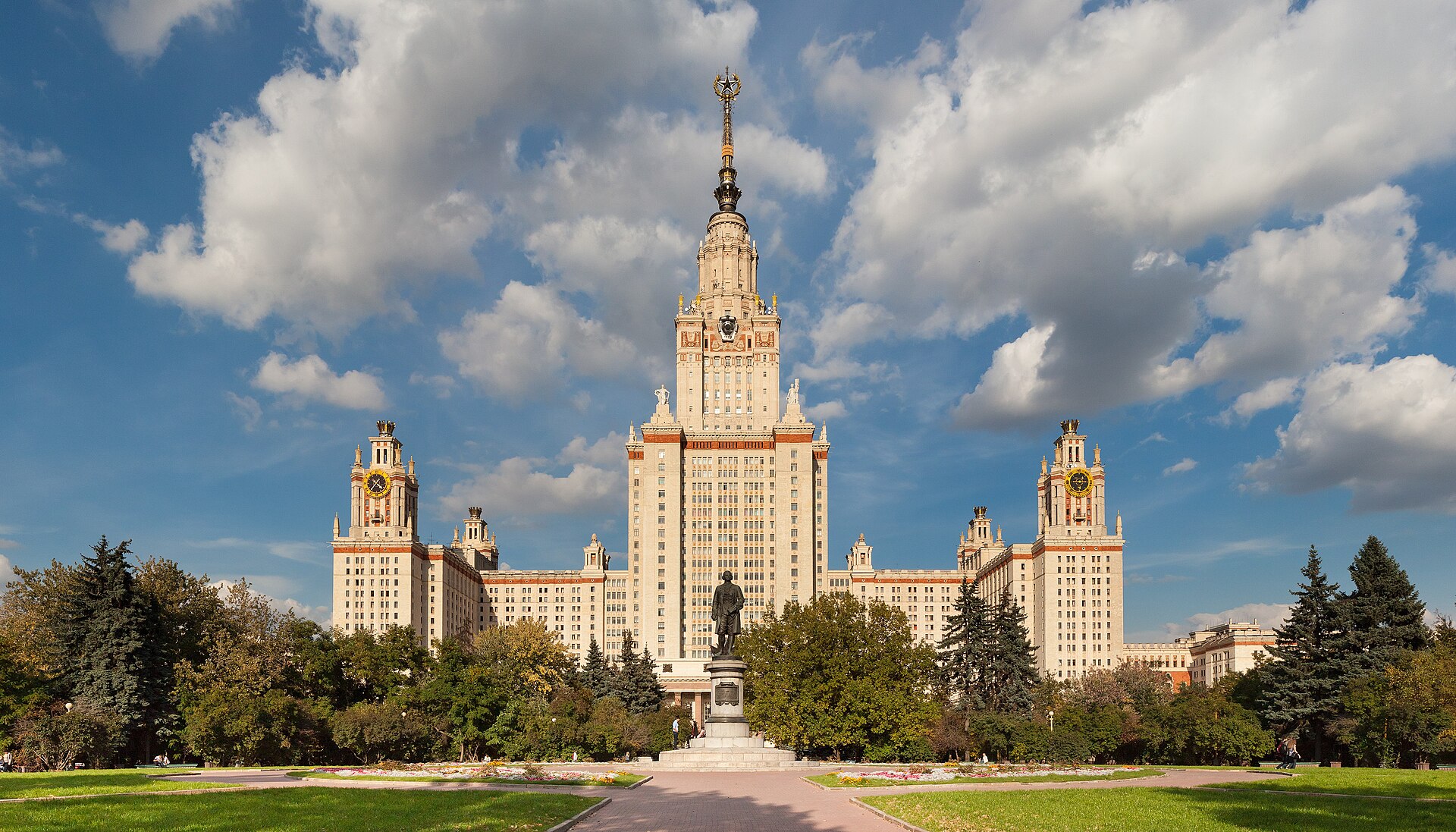
Also in Europe – Beyond Schengen: Medicine & engineering; government quota scholarships · ≈ $8k/yr all-in
Also in Europe – Beyond Schengen: 1-year master's; Graduate Route; every field · ≈ $38k/yr all-in
Same budget (Budget), different map: Türkiye Scholarships; Europe-Asia bridge · ≈ $9k/yr all-in
The aspirational step-up: English-speaking EU island; gaming & business · ≈ $23k/yr all-in
Moscow State, St Petersburg State, Kazan Federal, RUDN, Sechenov and Pirogov: Russia's university system is enormous, research-heavy and — for Pakistani students — startlingly affordable, with English-medium MD and engineering tuition commonly around US$3,500–8,000 a year and a genuine government scholarship system (the state quota and the Open Doors Olympiad) behind it. The honest 2026 framing, printed up front: sanctions-era banking makes fee payment a planning exercise, not an afterthought, and the geopolitical situation deserves a clear-eyed family discussion — both of which we handle in writing before you commit.
The complete, honest case for Russia — the scholarship systems, the real costs city by city, payment routing under sanctions, recognition checks, and the exact route from Pakistan — in one short narrated briefing.
The Russia video briefing is in production
The narrated 4-minute briefing for Russia lands in this slot very soon. Until then, get the exact same briefing — live, personal, and free — from a counsellor who will map it to your grades and budget.
Lomonosov Moscow State, St Petersburg State, Kazan Federal, RUDN (Peoples' Friendship), Novosibirsk State, Tomsk's universities, Sechenov and Pirogov for medicine — institutions with centuries of research output, Nobel laureates and space-programme heritage. Russia educates hundreds of thousands of international students; the international infrastructure is mature, not experimental.
The Russian Government Scholarship (state quota) allocates funded places to foreign citizens each year — tuition covered, with a preparatory Russian-language year included where needed — applied for through the official education-in-russia portal with embassy selection. The Open Doors Olympiad offers top master's and PhD performers tuition-free places at leading universities. Both are competitive and deadline-driven; we run them as campaigns, not afterthoughts.
International sanctions mean many standard card and transfer routes into Russia are restricted, and Pakistani bank cards generally will not work there. Students manage — through lawful transfer channels, university payment instructions and carrying planned funds — but "manage" must be designed before departure, not improvised at a Moscow cash desk. Your file includes a written fee-payment and living-funds plan for your specific university and city.
English-medium MD programmes at Sechenov, Pirogov, Kazan Federal, RUDN and regional medical universities commonly run US$4,500–8,000 a year; engineering and IT in English at the polytechnics and federal universities can start lower. Russia's clinical volume — enormous teaching hospitals in every university city — is a genuine academic asset.
For medical families the rule never changes: your university must stand correctly under the current Pakistan Medical Commission framework for foreign graduates, and you must clear the licensing examination on return. Russian medical universities vary in standing and in how their English-medium cohorts are treated — we verify your exact university in writing in your free session before any fee is discussed.
Russia's war with Ukraine and the sanctions regime are facts your family should weigh with current official travel guidance in hand — including what daily life, travel routes (no direct flights; connections via the Gulf/Central Asia) and communication look like in practice. Thousands of Pakistani students are studying in Russia today; our job is to make sure you decide with the full current picture, in writing, not a brochure from 2021.
MD / Medicine (English)DentistryPharmacyComputer Science & ITAerospace & Mechanical EngineeringOil, Gas & Petroleum EngineeringNuclear & Energy EngineeringMathematics & PhysicsInternational RelationsBusiness & Economics
| Item | Guide figure | What to know |
|---|---|---|
| Tuition — MD (English) | ≈ US$4,500–8,000 / year | University-set; Moscow flagships highest, strong regional medical universities lower — quoted per university |
| Tuition — engineering / IT / other | ≈ US$3,000–6,500 / year | English-medium bands at federal and polytechnic universities; Russian-medium can be lower after a preparatory year |
| Living costs | Regional cities ≈ US$250–450 · Moscow ≈ US$450–700 / month | University dormitories are a fraction of private rent — the single biggest budget lever |
| Funds & payment routing | Written payment plan (essential) | Sanctions-era channels confirmed per university before enrolment — never improvised after arrival |
Comparing countries on cost? See how Albania compares — full cost guide or scan every option in the Best Budget Destinations budget hub.
The Russian Government Scholarship (state quota) funds a set number of foreign students annually across bachelor's, master's, PhD and medical tracks: tuition covered by the state, monthly stipend modest, dormitory at student rates; applications run through the official portal with selection via the Russian diplomatic mission — deadlines typically fall in the winter–spring window. The Open Doors International Olympiad (master's/PhD) awards tuition-free study to top performers. University merit discounts exist at some institutions. We assess your quota candidacy honestly — grades and Russian-language willingness move the needle.
Russia offers no automatic post-study work visa. Graduates can move onto employer-sponsored work permits, and simplified temporary-residence routes have existed for graduates of Russian universities with strong records — rules change and are status-specific, so we verify the current position for your profile rather than promise outcomes. Most Pakistani students treat Russia as a qualification platform: license at home, or compete for research and industry roles from a position of a seriously heavyweight degree.
Your government-quota and Open Doors candidacy assessed against your grades, and — for medical aspirants — your target universities checked against the latest Pakistan recognition position, in writing.
Moscow flagships vs. high-value regional universities compared on total cost, dormitory access, English-medium maturity and a confirmed lawful fee-payment channel for each.
University invitation and study visa completed, travel routing via current connection points sequenced, dormitory or housing arranged, migration registration and first-month checklist in hand.
Yes — the Russian Government Scholarship (state quota) is a real, long-running system that funds foreign students' tuition at state universities, and Pakistanis win places every cycle. It is competitive and country-quota-based: strong academics, a coherent study plan and — for many tracks — willingness to take the preparatory Russian-language year materially improve your odds. The Open Doors Olympiad is the second door for master's and PhD candidates. In your free session we assess your candidacy honestly and, if the quota is a stretch, price the self-funded route (which remains among the world's cheapest for this university calibre) side by side.
With a plan made before you enrol — this is the question that separates serious Russia files from stranded ones. Universities issue specific payment instructions; lawful channels through third-country banking and university-authorised routes exist and are used by current students, but they vary by university and change with the sanctions environment. Pakistani-issued cards generally do not work inside Russia, so living-funds carriage and transfer cadence are planned in writing in your file. Never enrol first and improvise payments later.
Only through the current licensing pathway — your university must stand correctly under the Pakistan Medical Commission's present framework for foreign graduates, and you must clear the required licensing examination on return. Standings vary by university and have changed over time: some Russian medical universities are long-established routes, others need a hard second look. We verify your exact university against the latest position in your free session and put it in writing before you pay anything.
Major university cities host large, long-established South-Asian communities, and day-to-day student life in Moscow, Kazan, St Petersburg or Novosibirsk is orderly and metro-served. The context your family must weigh is the wider one: an ongoing war (felt mainly through security checks, airspace routing and the sanctions environment rather than daily life in most university cities) and official travel guidance that you should read current, not remembered. We review the current guidance with you in your session and document the discussion — the decision is yours, made with full information.
English-medium programmes teach fully in English, and scholarship tracks include a preparatory language year where required. But daily life, clinical rotations and part-time realities all reward Russian — medical students especially meet Russian-speaking patients from the clinical years onward. Universities teach Russian alongside English-medium degrees; students who take it seriously graduate with a second professional language, which is a career asset in the Gulf and Central Asia too.
Still weighing it up? Browse the Europe – Beyond Schengen region hub or the Best Budget Destinations budget hub to compare Russia against its closest alternatives.
Four honest alternatives drawn from the Europe – Beyond Schengen region hub, the Budget budget tier and the premium step-up shelf — each with the reason it belongs on your shortlist.
Also in Europe – Beyond Schengen: Tech & pharma HQ hub; stay-back for graduates · ≈ $32k/yr all-in
Also in Europe – Beyond Schengen: Historically MBBS-strong; check current safety advice · ≈ $8k/yr all-in
Same budget (Budget), different map: Semiconductors & engineering; MOE scholarships; safe & affordable · ≈ $10k/yr all-in
The aspirational step-up: Huge English-taught choice; business, data, logistics · ≈ $26k/yr all-in
Kazakhstan is the region's richest, most organised state — and its universities match: Asfendiyarov Kazakh National Medical University, Al-Farabi Kazakh National University and Astana Medical University teach English-medium MBBS to large international cohorts at tuition commonly around US$4,500–7,000 a year, while Nazarbayev University in Astana runs a fully English, research-first campus modelled on Western partners. Living in Almaty can run US$300–550 a month. And one clarification we insist on printing: Bolashak is Kazakhstan's scholarship for its own citizens — it does not fund Pakistanis; your funding plan here is honest base pricing plus the university grants that genuinely exist. Recognition checks, as always, come first and in writing.
The complete, honest case for Kazakhstan — the MBBS maths, the Bolashak myth corrected, recognition checks, Almaty vs. Astana costs, and the exact route from Pakistan — in one short narrated briefing.
The Kazakhstan video briefing is in production
The narrated 4-minute briefing for Kazakhstan lands in this slot very soon. Until then, get the exact same briefing — live, personal, and free — from a counsellor who will map it to your grades and budget.
Asfendiyarov Kazakh National Medical University (Almaty) is one of the oldest medical schools in the region; Astana Medical University and Karaganda Medical University run large English-medium international faculties with teaching hospitals and simulation centres. These are state national universities — the institutional category that matters when licensing bodies review your file years later.
A Kazakh MBBS works in Pakistan only through the current Pakistan Medical Commission licensing pathway for foreign graduates — and standing varies by university and has changed over time, including increased scrutiny of Central-Asian routes in recent years. We verify your exact university against the latest position in your free session and give it to you in writing — if it doesn't clear, we reroute you before a single dollar moves.
NU in Astana teaches entirely in English with international faculty and Western partner universities, across engineering, sciences, medicine, business and humanities — with competitive merit funding for strong international applicants. Admission is genuinely selective (this is not a pay-and-enter campus), and for high-achieving Pakistani students it is one of the best value-for-calibre propositions in Asia.
MBBS tuition commonly sits around US$4,500–7,000 a year; other degrees at national universities in the US$2,500–6,000 band; Almaty living at US$300–550 a month in shared housing. Priced to completion, a Kazakh degree undercuts comparable private routes at home while studying in modern, metro-served, mountain-backed cities that feel a decade ahead of the price tag.
Kazakhstan is majority-Muslim: halal food is the default, mosques anchor every city, and South-Asian student communities are established in Almaty, Astana and Karaganda. Direct and one-stop flights connect Pakistan to Almaty — parents visit on a normal budget, and students come home without an expedition.
First, the correction: Bolashak funds Kazakh citizens to study abroad — it is not available to Pakistani students, and any agent who dangles it is selling fiction. What genuinely exists for internationals: the Kazakh state's bilateral/intergovernmental grant windows (limited, competitive, announced per cycle), university merit grants and tuition discounts at national universities, and Nazarbayev University's own competitive funding. Your file is built on confirmed base fees, with real grant windows pursued as upside.
MBBS / General Medicine (English)DentistryPharmacyComputer Science & ITPetroleum & Mining EngineeringCivil EngineeringBusiness & FinanceData Science & AIInternational RelationsPublic Health
| Item | Guide figure | What to know |
|---|---|---|
| Tuition — MBBS (English) | ≈ US$4,500–7,000 / year | University-set; Almaty/Astana national flagships at the upper end — quoted per university in your shortlist |
| Tuition — other programmes | ≈ US$2,500–6,000 / year | National-university bands for engineering, IT, business; Nazarbayev University priced separately with its funding assessed |
| Living costs | Almaty ≈ US$300–550 · Astana ≈ US$350–600 · Karaganda ≈ US$250–450 / month | Dormitories and shared flats near the medical universities anchor the low end |
| Funds & visa | Tuition + living evidence (planning guide) | Student visa via university invitation — sponsor evidence consistent with the budgets above |
Comparing countries on cost? See how Albania compares — full cost guide or scan every option in the Best Budget Destinations budget hub.
Beyond the Bolashak correction (citizens only), the genuine shelf for Pakistani students: state intergovernmental grant windows announced for foreign citizens in specific cycles — limited seats, competitive, worth entering with strong marks; university merit discounts at national universities for top semester performance (earned after arrival, never budgeted in advance); and Nazarbayev University funding for admitted high performers. The structural discount is the base price itself — our files are built on confirmed fee schedules.
Kazakhstan is primarily a qualification destination: there is no automatic post-study work visa, and graduate employment runs on employer work permits (foreign-specialist quotas apply). Energy, mining and tech employers do hire international graduates in niche roles, but the career design we build targets the reliable pathways — Pakistan's licensing route for medical graduates (subject to verified recognition) and home/Gulf careers for other fields, with the Kazakh degree's institutional weight doing the talking.
Your target universities checked against the latest Pakistan recognition/licensing position, with your FSc/A-level marks conversion assessed — the written verdict decides whether Kazakhstan proceeds at all.
Almaty vs. Astana vs. Karaganda compared on full-programme cost, clinical exposure, English-medium cohort size and licensing-exam support — priced to graduation, not admission day.
University invitation and student visa completed, flights sequenced, dormitory or shared housing near your faculty arranged, migration registration and first-month checklist in hand.
Only through the current licensing pathway — your university must stand correctly under the Pakistan Medical Commission's present framework for foreign graduates, and you must clear the required licensing examination after you return. Standings vary by university and Central-Asian routes have seen changing scrutiny in recent years, which is exactly why we verify your exact university against the latest position in your free session and put the answer in writing before you pay anything. If your target doesn't clear, we reroute you to one that does.
No — Bolashak is the Kazakh government's scholarship for citizens of Kazakhstan to study abroad; it has never funded incoming foreign students, and any agent who offers it to you is misinformed or worse. The genuine routes for Pakistanis are the state's limited intergovernmental grant windows for foreign citizens, university merit discounts, and Nazarbayev University's competitive funding for admitted students. We pursue the real ones and price your plan on confirmed base fees.
Most national universities admit international MBBS students on school marks (biology/chemistry weighted) with an interview or internal assessment; formal IELTS is commonly not required, though English readiness is assessed and matters — clinical teaching is in English. Nazarbayev University is the exception: fully competitive admission with its own testing/requirements. Your shortlist states each university's exact mechanics.
At typical fee and living bands, a Kazakh MBBS commonly totals in the region of US$45,000–70,000 all-in across the programme, varying by university, city and lifestyle — your shortlist prices your exact universities to completion, including insurance, visa renewals, winter costs (real ones — Almaty winters are serious) and travel.
The honest comparison: Kyrgyzstan usually shows the lower headline fee; Kazakhstan offers the stronger state-university system, better infrastructure and larger national flagships — at a modest premium. In both countries the decisive gate is identical: your exact university's current Pakistan recognition position, verified in writing. Your free session prices both for your marks and puts the recognition position of each shortlisted university side by side.
Still weighing it up? Browse the Central Asia region hub or the Best Budget Destinations budget hub to compare Kazakhstan against its closest alternatives.
Four honest alternatives drawn from the Central Asia region hub, the Budget budget tier and the premium step-up shelf — each with the reason it belongs on your shortlist.
Also in Central Asia: Oil, business & medicine; Baku hub · ≈ $8k/yr all-in
Also in Central Asia: Very affordable MBBS routes · ≈ $6k/yr all-in
Same budget (Budget), different map: MBBS in English; popular with Pakistani students · ≈ $10k/yr all-in
The aspirational step-up: 1-year master's; Graduate Route; every field · ≈ $38k/yr all-in
Uzbekistan has quietly become one of the fastest-growing MBBS routes for Pakistani students: Tashkent Medical Academy, Samarkand State Medical University and their peers teach medicine to expanding international cohorts at tuition commonly around US$3,500–5,500 a year, in a Muslim-majority country whose food, hospitality and rhythms will feel instantly familiar — with direct regional flights home. The growth is real, and so is our discipline: several Uzbek universities are newer to large-scale international intakes, so the Pakistan recognition check on your exact university is not a formality — it is the decision, and we make it in writing before any fee moves.
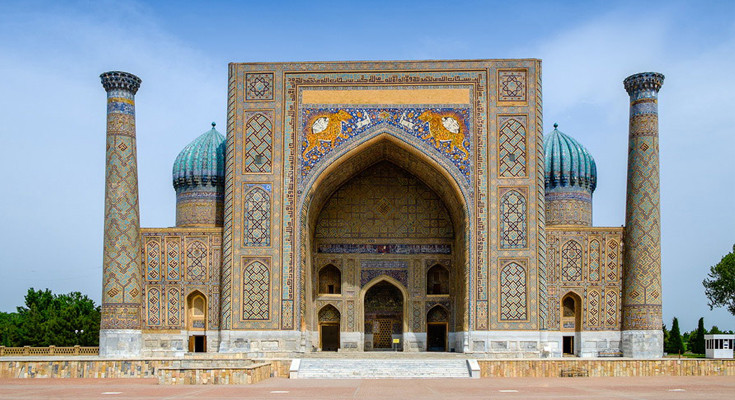
The complete, honest case for Uzbekistan — the MBBS maths, why recognition verification matters even more here, real costs, and the exact route from Pakistan — in one short narrated briefing.
The Uzbekistan video briefing is in production
The narrated 4-minute briefing for Uzbekistan lands in this slot very soon. Until then, get the exact same briefing — live, personal, and free — from a counsellor who will map it to your grades and budget.
Tashkent Medical Academy (the historic flagship), Samarkand State Medical University, Bukhara and Andijan state medical institutes teach medicine with growing English-medium international faculties, teaching hospitals and simulation facilities upgraded through Uzbekistan's recent higher-education expansion. Pakistani cohorts are now a visible, established presence in Tashkent and Samarkand.
Uzbekistan's international intakes grew fast, and recognition positions for newer routes are exactly where families get hurt by last year's screenshots. Your MBBS works in Pakistan only if your university stands correctly under the current Pakistan Medical Commission framework for foreign graduates and you clear the licensing examination on return. We verify your exact university in writing in your free session — if it doesn't clear, we reroute you to a Kazakh, Georgian or other verified alternative before a single dollar moves.
MBBS tuition commonly sits around US$3,500–5,500 a year, and Tashkent or Samarkand living can run US$250–450 a month in shared housing near the medical universities. Priced to completion, an Uzbek MBBS undercuts private medicine in Pakistan by a wide margin — the core reason this route keeps growing, provided the recognition gate clears.
Uzbekistan is a Muslim-majority Silk Road heartland: halal food is the default, mosques and madrasas anchor Samarkand and Bukhara, hospitality is a point of national pride, and the cuisine — plov, samsa, tandoor breads — will taste like a cousin of home. Add direct flights between Pakistan and Tashkent, and parents can visit without an expedition.
Tashkent's universities — including international branch campuses such as Westminster International University and Inha University in Tashkent — teach business, IT, law and engineering, several in English, at fees commonly in the US$2,500–6,000 band. Uzbekistan's reform-era investment in higher education is visible in new campuses and partnerships across the capital.
Uzbekistan's student entry process — university invitation, documented enrolment, registration on arrival — is among the region's more straightforward, and the country actively welcomes Pakistani students. Straightforward is not careless: we prepare a complete, consistent file, because residence registration and licensing checks revisit it every year of your degree.
MBBS / General MedicineDentistryPharmacyNursingComputer Science & ITBusiness AdministrationCivil EngineeringLawInternational RelationsTourism & Hospitality
| Item | Guide figure | What to know |
|---|---|---|
| Tuition — MBBS | ≈ US$3,500–5,500 / year | University-set; Tashkent flagship programmes at the upper end — quoted per university in your shortlist |
| Tuition — other programmes | ≈ US$2,500–6,000 / year | State-university and branch-campus bands for business, IT, law and engineering |
| Living costs | Tashkent ≈ US$300–450 · Samarkand/Bukhara ≈ US$250–400 / month | Shared apartments and dormitories near the medical universities anchor the low end |
| Funds & entry | Tuition + living evidence (planning guide) | Invitation and registration route confirmed per university — format verified at shortlist stage |
Comparing countries on cost? See how Albania compares — full cost guide or scan every option in the Best Budget Destinations budget hub.
Uzbekistan has no mass government scholarship for Pakistani undergraduates. What exists: university-level discounts and grants at some institutions for top entrance or semester performance (earned, never budgeted in advance), occasional state bilateral windows, and branch-campus merit awards in Tashkent. The structural discount is the base price itself: our Uzbekistan files are built on confirmed fee schedules, priced to completion, with any discount treated as upside.
Uzbekistan is a qualification destination, not a settlement route: there is no post-study work scheme for foreign medical graduates, and local clinical employment requires Uzbek/Russian fluency and local licensing. The career design we build targets Pakistan's licensing pathway on return (subject to your university's verified recognition) or USMLE/PLAB preparation pathways planned alongside the degree — not a stay-back story nobody can deliver.
Your target universities checked against the latest Pakistan recognition/licensing position, with programme structure (length, clinical years) documented — the written verdict decides whether Uzbekistan proceeds at all.
Tashkent flagships vs. Samarkand and regional value routes compared on full-programme cost, clinical exposure, international cohort maturity and licensing-exam support — priced to graduation.
University invitation and enrolment completed, direct flight sequenced, housing near your faculty arranged, and arrival registration plus first-month checklist in hand.
Only through the current licensing pathway — your university must stand correctly under the Pakistan Medical Commission's present framework for foreign graduates, and you must clear the required licensing examination after you return. This check matters more in Uzbekistan than almost anywhere: several universities scaled international intakes recently, and standings vary by institution and change over time. We verify your exact university against the latest position in your free session and put the answer in writing before you pay anything.
Most Uzbek medical universities admit international students on school marks (biology/chemistry weighted) with an interview or internal assessment; formal IELTS is commonly not required, though English readiness is assessed and matters — teaching is in English and clinical years reward students who also build Uzbek/Russian patient language. Your shortlist states each university's exact admission mechanics.
At typical fee and living bands, an Uzbek MBBS commonly totals in the region of US$32,000–52,000 all-in across the programme, varying by university, city and lifestyle — among the lowest credible totals in the region. Your shortlist prices your exact universities to completion, including insurance, registration renewals and travel.
Uzbekistan is a stable, orderly, majority-Muslim country with very low petty-crime rates in student cities, halal food everywhere, and a large, growing Pakistani student community in Tashkent and Samarkand. Our briefing covers housing near the medical faculties, registration discipline and documentation hygiene — the practical safety that protects a degree file.
The honest comparison: Kyrgyzstan usually shows the lowest headline fee with the most college-sensitive recognition picture; Uzbekistan sits mid-band with rapidly growing cohorts and newer international infrastructure; Kazakhstan offers the strongest state-university system at a modest premium. In all three, the decisive gate is identical — your exact university's current Pakistan recognition position, verified in writing. Your free session prices all three for your marks, side by side.
Still weighing it up? Browse the Central Asia region hub or the Best Budget Destinations budget hub to compare Uzbekistan against its closest alternatives.
Four honest alternatives drawn from the Central Asia region hub, the Budget budget tier and the premium step-up shelf — each with the reason it belongs on your shortlist.
Also in Central Asia: Very affordable MBBS routes · ≈ $6k/yr all-in
Also in Central Asia: Oil, business & medicine; Baku hub · ≈ $8k/yr all-in
Same budget (Budget), different map: Transnational UK/Aus pathways; close to home · ≈ $9k/yr all-in
The aspirational step-up: PGWP & PR-pathway planning; public colleges + universities · ≈ $35k/yr all-in
Bishkek, Osh and Jalal-Abad host one of the largest Pakistani student communities anywhere: medical universities and academies teaching English-medium MBBS at tuition commonly around US$3,000–5,000 a year, with living costs that can run US$200–350 a month. For families priced out of every other route, Kyrgyzstan keeps the doctor dream alive. And here is the part we print in the headline on purpose: quality and recognition standing vary more between Kyrgyz universities than almost anywhere we work — the difference between the right university and the wrong one is the difference between a licence and a very expensive souvenir. We verify yours in writing before any fee is paid.
The complete, honest case for Kyrgyzstan — the unbeatable maths, the recognition checks that protect your licence, real costs, and the exact route from Pakistan — in one short narrated briefing.
The Kyrgyzstan video briefing is in production
The narrated 4-minute briefing for Kyrgyzstan lands in this slot very soon. Until then, get the exact same briefing — live, personal, and free — from a counsellor who will map it to your grades and budget.
MBBS tuition commonly sits around US$3,000–5,000 a year, and Bishkek or Osh living can run US$200–350 a month in shared housing near the medical universities. Priced to completion, a Kyrgyz MBBS can total less than a single year of private medicine in some countries. For a family that has done the sums on every other destination and closed the notebook — this page is why the dream reopens.
Kyrgyzstan is where our verification discipline earns its keep. Pakistan's licensing pathway for foreign medical graduates depends on your university's standing under the current Pakistan Medical Commission framework — and Kyrgyz institutions have seen standings questioned, changed and differentiated by programme and cohort in recent years. Some routes are established; others are not worth your years at any price. We verify your exact university against the latest position in your free session and give it to you in writing — if it doesn't clear, we reroute you before a single dollar moves.
Kyrgyzstan hosts one of the largest concentrations of Pakistani medical students in the world: Pakistani-run messes and restaurants, mosques, senior students mentoring juniors through the licensing-exam grind, and direct community knowledge of which universities deliver. Homesickness — the silent degree-killer — is at its lowest here outside South Asia itself.
The Kyrgyz State Medical Academy (Bishkek) is the historic flagship; established international medical universities in Bishkek, Osh and Jalal-Abad run dedicated English-medium faculties with teaching-hospital affiliations and cohorts drawn from across South Asia. The ecosystem exists at scale — your shortlist separates the established institutions from the rest, on evidence.
Kyrgyzstan's student entry — university invitation, documented enrolment, registration on arrival — is among the most straightforward on our list, with visa facilitation for Pakistani students long established. Straightforward is not careless: we prepare a complete, consistent file, because residence registration and licensing authorities revisit it every year.
Bishkek's tree-lined boulevards under the Ala-Too range, Osh's ancient bazaar, Issyk-Kul's alpine lake a weekend away — plus a Muslim-majority culture where halal food is the default and hospitality to guests is a point of honour. Winters are cold and real; our briefing prepares you for them honestly, boots and all.
MBBS / General Medicine (English)DentistryPharmacyNursingPublic HealthComputer ScienceBusiness AdministrationInternational RelationsAviationTourism
| Item | Guide figure | What to know |
|---|---|---|
| Tuition — MBBS (English) | ≈ US$3,000–5,000 / year | University-set; established flagship institutions at the upper end — quoted per university in your shortlist |
| Tuition — other programmes | ≈ US$1,800–3,500 / year | Business, IT and humanities bands at Bishkek universities |
| Living costs | Bishkek ≈ US$250–350 · Osh/Jalal-Abad ≈ US$200–300 / month | Shared apartments and hostel-with-mess packages near the medical universities anchor the low end |
| Funds & entry | Tuition + living evidence (planning guide) | Invitation and registration route confirmed per university — format verified at shortlist stage |
Comparing countries on cost? See how Albania compares — full cost guide or scan every option in the Best Budget Destinations budget hub.
Kyrgyzstan has no mass government scholarship for Pakistani undergraduates. What exists: university merit discounts at some institutions for top semester performance (earned after arrival, never budgeted in advance) and occasional bilateral windows. The structural discount is the base price itself — the lowest credible MBBS pricing in the world — and our files are built on confirmed fee schedules with any discount treated as upside.
Kyrgyzstan is a qualification destination, not a settlement route: there is no post-study work scheme for foreign medical graduates, and Kyrgyz clinical employment requires Kyrgyz/Russian fluency and local licensing. The career design we build targets Pakistan's licensing pathway on return (subject to your university's verified recognition) or USMLE/PLAB preparation pathways planned alongside the MBBS — the degree's value is realised at the licensing exam, which is why choosing the verifiable university matters more here than anywhere.
Your target universities checked against the latest Pakistan recognition/licensing position, with programme structure and cohort history documented — the written verdict decides whether Kyrgyzstan proceeds at all.
Established flagships vs. value universities compared on full-programme cost, clinical exposure, Pakistani alumni outcomes and licensing-exam support — priced to graduation, not admission day.
University invitation and enrolment completed, flights sequenced, housing or hostel-with-mess near your faculty arranged, and arrival registration plus first-month checklist in hand.
Only through the current licensing pathway — your university must stand correctly under the Pakistan Medical Commission's present framework for foreign graduates, and you must clear the required licensing examination after you return. This is the single most important question on this page: Kyrgyz institutions differ sharply in standing, and positions have changed over time, including scrutiny of specific universities and cohorts. We verify your exact university against the latest position in your free session and put the answer in writing before you pay anything. Please do not enrol anywhere in Kyrgyzstan on the strength of an agent's screenshot.
Most Kyrgyz medical universities admit international students on school marks (biology/chemistry weighted) with an interview or internal assessment; formal IELTS is commonly not required, though English readiness matters — clinical teaching is in English and weak English makes medicine harder everywhere. Your shortlist states each university's exact admission mechanics.
At typical fee and living bands, a Kyrgyz MBBS commonly totals in the region of US$28,000–45,000 all-in across the programme, varying by university, city and lifestyle — the lowest credible total we can put in front of a medical family anywhere. Your shortlist prices your exact universities to completion, including insurance, registration renewals, winter costs and travel.
Bishkek and Osh host enormous, established Pakistani student communities with Pakistani food, mosques and student societies; day-to-day student life is well-trodden. Our briefing covers housing areas near the medical faculties, registration discipline, winter preparation and staying documentation-clean — the practical safety that matters, delivered straight.
The honest comparison: Kyrgyzstan usually shows the lowest headline fee and the largest Pakistani community — with the most university-sensitive recognition picture of the three. Uzbekistan sits mid-band with growing cohorts; Kazakhstan offers the strongest state-university system at a modest premium. In all three the decisive gate is identical: your exact university's current Pakistan recognition position, verified in writing. Your free session prices all three for your marks and puts each university's position side by side.
Still weighing it up? Browse the Central Asia region hub or the Best Budget Destinations budget hub to compare Kyrgyzstan against its closest alternatives.
Four honest alternatives drawn from the Central Asia region hub, the Budget budget tier and the premium step-up shelf — each with the reason it belongs on your shortlist.
Also in Central Asia: Growing MBBS & engineering options · ≈ $7k/yr all-in
Also in Central Asia: Oil, business & medicine; Baku hub · ≈ $8k/yr all-in
Same budget (Budget), different map: Affordable; KNB government scholarships · ≈ $6k/yr all-in
The aspirational step-up: PGWP & PR-pathway planning; public colleges + universities · ≈ $35k/yr all-in
Baku is one of the most striking capitals in the region — Flame Towers over a Paris-meets-Dubai boulevard — and behind the skyline sits a serious study option: ADA University teaching entirely in English, Baku State University, Azerbaijan Medical University and a growing private sector, at tuition commonly around US$2,500–6,000 a year in a Muslim-majority, famously hospitable country. The detail that changes the maths: Azerbaijan runs a government scholarship programme for citizens of OIC and NAM member countries — and Pakistan is an OIC member. We verify your eligibility against the current cycle in writing, and price the self-funded route honestly beside it.
The complete, honest case for Azerbaijan — the OIC scholarship door, the Baku cost picture, recognition checks, and the exact route from Pakistan — in one short narrated briefing.
The Azerbaijan video briefing is in production
The narrated 4-minute briefing for Azerbaijan lands in this slot very soon. Until then, get the exact same briefing — live, personal, and free — from a counsellor who will map it to your grades and budget.
ADA University in Baku teaches entirely in English across business, IT, engineering, public affairs and law, with international faculty and exchange partnerships reaching into Europe and the US. It is the natural first choice for Pakistani students who want a Western-style classroom in a Muslim-majority capital — admission is merit-based and taken seriously, which is exactly why the degree carries weight.
Azerbaijan's government scholarship programme for citizens of OIC and NAM member states funds selected international students at leading Azerbaijani universities across preparatory, bachelor's, master's and doctoral levels — Pakistan, as an OIC member, is squarely eligible. Places are limited and cycles are announced per year with embassy nomination windows; in your free session we check the current cycle's status and your candidacy honestly, and run the application as a campaign if you're in range.
Azerbaijan Medical University in Baku is the country's flagship medical school, teaching international cohorts (with English-medium tracks) at fees in the regional mid-band. And the rule that never changes applies: your university must stand correctly under the current Pakistan Medical Commission framework for foreign graduates — we verify it in writing in your free session before any fee is discussed.
Tuition commonly sits around US$2,500–6,000 a year across state and private universities (ADA at the upper band), with Baku living at US$350–600 a month in shared housing. You get a capital that feels a price-class above — Caspian boulevards, a restored old city, world-event infrastructure — at costs closer to Central Asia than the Gulf.
Azerbaijan is a Muslim-majority country with a famously hospitable culture whose language (Azerbaijani, a Turkic tongue) students find learnable, halal food as the default, and a growing South-Asian student presence in Baku. Connectivity from Pakistan runs via Gulf and Istanbul hubs — parents visit on a normal budget.
Oil and gas built modern Baku, and the diversification push — IT, logistics on the Middle Corridor, tourism, finance — shapes what universities teach and where internships live. For business, energy-engineering and IT students, Azerbaijan offers a front-row seat to a Caspian economy repositioning itself between Europe and Asia.
Medicine (MBBS-equivalent)DentistryBusiness AdministrationComputer Science & ITPetroleum & Energy EngineeringInternational Relations & DiplomacyLawArchitectureTourism & HospitalityFinance
| Item | Guide figure | What to know |
|---|---|---|
| Tuition — state universities | ≈ US$2,500–5,000 / year | University-set; medicine and flagship faculties at the upper end — quoted per university in your shortlist |
| Tuition — ADA University | ≈ US$5,000–8,000 / year | Full English-medium flagship band; merit considerations assessed at application |
| Living costs | Baku ≈ US$350–600 / month | Shared apartments beyond the boulevard core anchor the low end; dormitories where available cost less |
| Funds & visa | Tuition + living evidence (planning guide) | Student entry via university admission with migration registration on arrival — file assembled completely |
Comparing countries on cost? See how Albania compares — full cost guide or scan every option in the Best Budget Destinations budget hub.
The headline is real: Azerbaijan's government scholarship for citizens of OIC and NAM member countries has funded international students at leading Baku universities across degree levels, with tuition coverage at its core; Pakistan's OIC membership makes you eligible to be nominated when a cycle is open. Alongside it: ADA University merit awards for strong admits and university-level discounts at private institutions. Cycles open and close per year — your session checks the current position and runs any live window as a deadline-driven campaign, never a rumour.
Azerbaijan offers no automatic post-study work scheme: graduate employment runs on employer-obtained work permits, realistic mainly in energy, IT, logistics and international-organisation niches. Most Pakistani students treat Baku as a qualification platform — licence at home for medical graduates (subject to verified recognition), or regional careers built on an English-medium degree from a Caspian capital. We plan that trajectory with you from day one rather than sell a stay-back story.
Your OIC scholarship candidacy and the current cycle checked, and — for medical aspirants — your target university verified against the latest Pakistan recognition position, in writing.
ADA vs. state flagships vs. private universities compared on your exact programme, full cost to completion, language of instruction and alumni outcomes — priced to graduation.
University admission completed, student entry and migration registration sequenced, Baku housing arranged, and your first-month checklist in hand.
Yes — the programme is designed for citizens of OIC and NAM member countries, and Pakistan is an OIC member. It has covered tuition (with terms set per cycle) at leading Azerbaijani universities across preparatory, undergraduate, master's and doctoral study. The honest caveats: seats are limited, nomination runs through official channels on an announced cycle, and coverage details are set per year. In your free session we verify whether a cycle is currently open, what it covers, and whether your profile is competitive — and if the window is closed, we price the self-funded route (already mid-band) beside it.
Only through the current licensing pathway — your university must stand correctly under the Pakistan Medical Commission's present framework for foreign graduates, and you must clear the required licensing examination after you return. Standings vary and change; we verify Azerbaijan Medical University (or your target) against the latest position in your free session and put the answer in writing before you pay anything.
ADA University's admission is English-medium and merit-based, typically assessing English through its own process or recognised tests — your shortlist states the current requirement exactly. State universities commonly admit international students on school marks with an interview or internal assessment for English-medium tracks; formal IELTS is often not required, though English readiness is genuinely assessed at the flagships.
At typical bands, a four-year bachelor's in Baku commonly totals in the region of US$30,000–55,000 all-in (tuition plus living), varying by university and lifestyle — ADA toward the upper end, state universities lower. A full medical programme prices higher across its six years. Your shortlist prices your exact universities to completion, including registration, insurance and travel.
Baku is a modern, orderly, Muslim-majority capital with halal food as the default, low petty crime, a metro and ride-hailing infrastructure students find easy, and a hospitable culture that treats guests seriously. Azerbaijani is a Turkic language students pick up socially; English-medium students manage daily life in English across the capital. Our briefing covers housing districts, registration discipline and documentation hygiene.
Still weighing it up? Browse the Central Asia region hub or the Best Budget Destinations budget hub to compare Azerbaijan against its closest alternatives.
Four honest alternatives drawn from the Central Asia region hub, the Budget budget tier and the premium step-up shelf — each with the reason it belongs on your shortlist.
Also in Central Asia: Growing MBBS & engineering options · ≈ $7k/yr all-in
English-taught option: Medicine in English; Central Asia hub · ≈ $9k/yr all-in
Same budget (Budget), different map: Affordable; KNB government scholarships · ≈ $6k/yr all-in
The aspirational step-up: English-speaking EU island; gaming & business · ≈ $23k/yr all-in
In one Doha district stand branch campuses of Georgetown, Northwestern, Carnegie Mellon, Weill Cornell Medicine and Virginia Commonwealth — full degrees of the home universities, taught in English, minutes from Qatar University and Hamad Bin Khalifa University. Admission is genuinely selective and the sticker prices are premium — but so is the scholarship culture: Qatar Foundation and HBKU funding has fully carried outstanding international students, and Qatar University runs competitive international scholarships of its own. Our honest framing: this is a small-door destination for excellent profiles, not a volume route — and for the right student, it is one of the finest study propositions on earth.
The complete, honest case for Qatar — how Education City admissions really work, the scholarship routes that make it affordable, real Doha costs, and the exact route from Pakistan — in one short narrated briefing.
The Qatar video briefing is in production
The narrated 4-minute briefing for Qatar lands in this slot very soon. Until then, get the exact same briefing — live, personal, and free — from a counsellor who will map it to your grades and budget.
Georgetown (international affairs), Northwestern (journalism & communication), Carnegie Mellon (computer science, business, biological sciences), Weill Cornell (medicine), VCUarts and HEC Paris — each granting its own home degree, with home-campus faculty standards, tiny cohorts and facilities money can't usually buy. Students cross-register and share one spectacular campus ecosystem.
Hamad Bin Khalifa University, Qatar Foundation's own research university, runs graduate programmes across Islamic studies, law, public policy, health/life sciences, engineering and humanities — with scholarships and funding packages that have covered tuition and more for strong international admits. For Pakistani master's and PhD candidates, HBKU is one of the most generous doors in the Gulf. Awards are competitive and assessed per cycle — we verify current terms in your session.
Qatar University teaches a full disciplinary range (engineering, business, health, law, sharia & Islamic studies) and runs competitive international student scholarships that have included full tuition coverage and housing for top applicants from outside Qatar. Intake numbers for internationals are limited — which is precisely why application quality, not agent connections, decides outcomes.
A full Cornell MD taught in Doha, with clinical training at Hamad Medical Corporation — among the most competitive medical admissions in the region, with need-aware funding for admitted students. For an exceptional Pakistani pre-med profile, it belongs on the ambitious list; we will tell you honestly whether your record is in range.
Doha is a Muslim-majority global capital: halal everything, mosques on every skyline, a huge Pakistani community, and a four-hour flight home. For families who want a world-elite degree inside a faith-comfortable, close-to-home setting — Qatar is the shortest distance between "Ivy-tier" and "near my parents" that exists.
Seats for non-Qataris are limited, admission is selective at every Education City campus, sticker prices without aid are premium, part-time work for students is not a budgeting tool here, and there is no post-study work visa — graduate jobs run on employer sponsorship. Qatar rewards excellent, early, well-documented applicants. If that is you, this page is an invitation; if it isn't yet, we'll build the profile route honestly.
Medicine (Weill Cornell MD)Computer Science (CMU)International Affairs (Georgetown)Journalism & Communication (Northwestern)Business AdministrationEngineering (Qatar University)Islamic Studies & Finance (HBKU)Public Policy & LawHealth & Life SciencesBiological Sciences
| Item | Guide figure | What to know |
|---|---|---|
| Tuition — Education City branch campuses | Premium band (home-campus-linked) | Sticker prices mirror elite US levels — but need-based and merit aid for admitted internationals is substantial; your net price is decided at admission, per campus |
| Tuition — Qatar University | Mid-to-premium band (credit-hour based) | International-student scholarships can reduce this dramatically for top admits — assessed per cycle |
| Tuition — HBKU (graduate) | Funding-first model | Many admitted graduate students receive scholarship/funding packages; exact terms confirmed per programme and cycle |
| Living costs | Doha ≈ US$800–1,400 / month | Student housing where offered compresses this; private rentals in West Bay sit at the top of the band |
Comparing countries on cost? See how Australia compares — full cost guide or scan every option in the Premium: World Elite budget hub.
Qatar's funding culture is unusually serious: Qatar Foundation financial aid supports admitted Education City students on assessed need; HBKU scholarships fund strong graduate admits; Qatar University international scholarships have covered full tuition plus housing for exceptional external applicants. None of it is automatic and all of it is cycle-specific — which is why our Qatar files start a full season early and treat the scholarship application as the main event, not a footnote.
Qatar has no post-study work visa: graduates stay only through employer-sponsored work residence, which Doha's energy, finance, media, health and education sectors do grant to graduates they recruit — Education City and HBKU career fairs exist precisely for this. Part-time work during study is restricted and never a budgeting assumption. We frame Qatar honestly: an elite degree and a Gulf network, with employment outcomes earned through recruitment — not residence promises.
Your grades, tests and activities assessed against what each campus actually admitted recently — an honest verdict on which doors are ambitious, realistic, or not yet, in writing.
Education City vs. HBKU vs. Qatar University compared on programme fit, net cost after realistic aid, and scholarship deadlines — sequenced a full season ahead of the fall intake.
Applications and financial-aid files completed to each campus's standard, student residence arranged through your institution, housing and first-month checklist in hand.
Yes — it happens every cycle, through three real mechanisms: Qatar Foundation need-based aid at Education City campuses, HBKU's scholarship packages for admitted graduate students, and Qatar University's competitive international scholarships. The honest framing: these are awards for admitted, high-quality applicants — the funding follows the admission, so the strategy is to build an application that clears an elite bar, then let the funding systems do their work. In your free session we audit your profile against each route and tell you plainly which are in range.
Yes — Georgetown University in Qatar awards a Georgetown degree; Carnegie Mellon University in Qatar awards a Carnegie Mellon degree; the parchment, accreditation and alumni network are the home university's. That equivalence is the entire Education City model, and it is why admission standards are the home campuses' standards too.
Education City campuses admit competitively on school record, standardised testing where required, essays and activities — think strong A-level/IB or top-board performance, with English proficiency demonstrated. Qatar University and HBKU assess per programme; HBKU graduate admission weighs research fit heavily. There is no single cutoff we can honestly print — your session audits your actual record against each campus's recent admitted profile.
During study: part-time work is restricted and campus roles are limited — never budget on it. After graduation: employment requires an employer-sponsored work residence; Doha employers do recruit Education City, HBKU and QU graduates, particularly in energy, health, media, finance and tech, but there is no automatic stay-back period. Your career plan in your file is built on recruitment reality, not residence promises.
The honest comparison: the UAE offers many more seats, branch campuses at wider selectivity bands, and graduate employment schemes (including Golden Visa pathways for top graduates). Qatar offers fewer, more elite doors with a deeper scholarship culture for those who clear them. Ambitious and funded points to Qatar; broader and more forgiving points to the UAE. Your free session maps your profile to both, with net costs after realistic aid.
Still weighing it up? Browse the Middle East & Gulf region hub or the Premium: World Elite budget hub to compare Qatar against its closest alternatives.
Four honest alternatives drawn from the Middle East & Gulf region hub, the Premium budget tier and the premium step-up shelf — each with the reason it belongs on your shortlist.
Also in Middle East & Gulf: American-model private universities; Gulf family base · ≈ $24k/yr all-in
Cheaper alternative: Affiliated UK-pathway colleges · ≈ $15k/yr all-in
Same budget (Premium), different map: English-speaking EU island; gaming & business · ≈ $23k/yr all-in
The aspirational step-up: Hospitality, finance, pharma; premium living costs · ≈ $29k/yr all-in
Kuwait hosts one of the largest Pakistani expatriate communities in the Gulf — and for the families in it, and for students who want an American-model degree in a conservative, faith-comfortable Gulf state, its private universities are a serious option: the American University of Kuwait, Gulf University for Science & Technology, the Australian College of Kuwait and peers teach in English on US-style curricula. The honest framing, printed up front: Kuwait University, the public flagship, serves citizens first and international seats are extremely limited — the realistic route for Pakistanis is the accredited private sector, priced at a premium, with no post-study work scheme. Within those facts, this page makes the strongest honest case.
The complete, honest case for Kuwait — which universities are realistic for Pakistanis, the real costs, scholarship and cultural-grant routes, and the exact route from Pakistan — in one short narrated briefing.
The Kuwait video briefing is in production
The narrated 4-minute briefing for Kuwait lands in this slot very soon. Until then, get the exact same briefing — live, personal, and free — from a counsellor who will map it to your grades and budget.
The American University of Kuwait (liberal-arts model, US-partnered), Gulf University for Science & Technology (business, engineering, computing — among the region's stronger private institutions), the Australian College of Kuwait (engineering & business with Australian pathways) and Kuwait's private colleges teach full English-medium, credit-hour degrees on American/Australian frameworks — curricula and parchments that read clearly to employers and to HEC on return.
Hundreds of thousands of Pakistanis live and work in Kuwait. For their children — and for students whose relatives are established there — Kuwait offers something no Western destination can: a degree earned inside your family's support system, with housing, supervision and community already in place. Many of our Kuwait files start exactly there, and the cost picture changes completely when rent is a family home.
Kuwait is a Muslim-majority Gulf state where halal life is total, mosques anchor every district, and social rhythms will feel familiar and safe to Pakistani families — including for daughters, a consideration parents raise with us about every destination and one Kuwait answers strongly.
Kuwait's oil wealth and dinar strength make it one of the world's highest-income economies; its private sector — banking, telecom, logistics, health, education — hires English-medium business, engineering and IT graduates through employer-sponsored work residence. There is no automatic stay-back (see the honesty card), but graduates recruited by Kuwaiti employers enter one of the Gulf's best-paid job markets.
Kuwait University is the country's respected public institution — and admission is built for Kuwaiti citizens, with non-citizen seats extremely limited and category-based. We do not sell Kuwait University dreams to Pakistani applicants. Where a specific category might apply to your family's status (for example, long-term resident families), we check the current rules with you precisely; otherwise, the accredited private sector is the plan — and it is a good one.
Kuwait City is a short direct flight from Pakistan's major cities, visas for study are sponsored through your admitting institution, and the Pakistani community infrastructure — schools, restaurants, mosques, community organisations — is among the deepest in the Gulf. Homesickness, logistics and parental peace of mind are all at their easiest here outside South Asia itself.
Business AdministrationComputer Science & ITEngineering (ACK / GUST)Accounting & FinanceMarketing & MediaEnglish & Liberal Arts (AUK)Graphic DesignAviation StudiesHealth Sciences (private colleges)Law
| Item | Guide figure | What to know |
|---|---|---|
| Tuition — private universities | ≈ US$8,000–15,000 / year | Institution-set, credit-hour based; AUK/GUST at the upper band — quoted per university in your shortlist |
| Living costs | Kuwait City ≈ US$700–1,200 / month | Premium Gulf pricing — unless family housing applies, in which case living costs fall dramatically; both versions priced in your plan |
| Funds & entry | Institution-sponsored student residence | Entry arranged through your admitting university — file assembled completely, family-status categories checked where relevant |
Comparing countries on cost? See how Australia compares — full cost guide or scan every option in the Premium: World Elite budget hub.
Kuwait's state scholarship generosity flows overwhelmingly to its own citizens, and there is no mass scheme for Pakistani undergraduates. What genuinely exists: merit scholarships and GPA-based tuition discounts at the private universities (AUK and GUST publish academic awards for strong performers — terms per cycle), occasional cultural/embassy-window grants for specific nationalities, and employer/family sponsorship realities for resident families. Our Kuwait files are built on confirmed fee schedules, with merit awards pursued as real but never pre-spent.
Kuwait has no post-study work visa and no graduate residence scheme: staying means an employer-sponsored work residence, which Kuwaiti private-sector employers do issue for graduates they recruit — but it is earned through hiring, never automatic. Students on family residence have their own status logic, which we review case by case. We frame Kuwait honestly: a quality English-medium degree in a family-supported Gulf base, with career outcomes built on recruitment, not residence promises.
Your family/residence position in Kuwait (if any) and your target programmes assessed: which institutions are realistic, what admission requires, and what your all-in cost looks like with and without family housing — in writing.
AUK vs. GUST vs. ACK and peers compared on your exact programme, credit-hour totals to graduation, merit-award realism and accreditation standing — priced to completion.
University admission and institution-sponsored student residence completed, equivalency paperwork for your Pakistani qualifications handled, housing and first-month checklist in hand.
Realistically, almost never — Kuwait University's admission is designed for Kuwaiti citizens, and non-citizen seats are extremely limited and restricted to specific categories set by the university. Any agent who promises you a Kuwait University seat as a standard Pakistani applicant is misleading you. The genuine route is the accredited private sector — AUK, GUST, ACK and peers — whose English-medium degrees are the ones our Kuwait students actually earn. In your free session we check whether any specific category could apply to your family's status, and build the plan on what is real.
The private universities teach in English and typically assess English through their own placement testing or recognised scores at admission — requirements vary by institution and programme, and foundation/English-support terms exist for students close to the line. Your shortlist states each university's exact current requirement; formal IELTS is often one accepted route rather than the only one.
It depends more on housing than anywhere else on our list. With private-university tuition plus market-rate Kuwait City living, a four-year bachelor's commonly totals in the region of US$70,000–110,000 all-in. With family housing in Kuwait — the situation of many of our Kuwait families — the living component collapses and the same degree can total nearer US$35,000–60,000. Your plan prices your actual situation, both ways, in writing.
During study: student part-time work is not a budgeting tool in Kuwait — plan on family or savings funding. After graduation: there is no post-study scheme; staying requires an employer-sponsored work residence. Kuwaiti employers in banking, telecom, logistics, health and education do recruit English-medium graduates, and family-residence students have separate status considerations we review individually. We will never sell you a Kuwait stay-back promise — the degree and the recruitment are the plan.
The honest comparison: the UAE offers a far larger sector, more branch campuses, graduate job-search and Golden Visa pathways, and mid-band living costs. Kuwait offers a smaller, quieter, more conservative Gulf base whose decisive advantage is family — if your family is in Kuwait, studying there can beat every alternative on support and total cost. If it isn't, the UAE usually wins the comparison. Your free session maps both to your family's actual position.
Still weighing it up? Browse the Middle East & Gulf region hub or the Premium: World Elite budget hub to compare Kuwait against its closest alternatives.
Four honest alternatives drawn from the Middle East & Gulf region hub, the Premium budget tier and the premium step-up shelf — each with the reason it belongs on your shortlist.
Also in Middle East & Gulf: Branch campuses; Dubai/Abu Dhabi hubs · ≈ $26k/yr all-in
Cheaper alternative: UK & US branch campuses in Manama · ≈ $18k/yr all-in
Same budget (Premium), different map: Geothermal, environment, small cohorts · Tuition €0 · living ≈ $25k/yr
The aspirational step-up: Research strength; non-EU tuition now applies · ≈ $28k/yr all-in
Bahrain is the Gulf state Pakistani families most often overlook — and the one many end up loving. Manama hosts British and American branch campuses (the University of Salford and Bangor University operate through the British University of Bahrain; the American University of Bahrain teaches a full US-model curriculum), alongside respected regionals like the University of Bahrain, Bahrain Polytechnic and AMA International University — all English-medium, all in a compact, comparatively open and affordable island society. The honest framing, printed up front: Bahrain is a study-and-launch destination, not a settlement one — there is no post-study work scheme, and staying means employer-sponsored residence. Within those facts, this page makes the strongest honest case.
The complete, honest case for Bahrain — the branch campuses, the real costs, the scholarship reality, and the exact route from Pakistan — in one short narrated briefing.
The Bahrain video briefing is in production
The narrated 4-minute briefing for Bahrain lands in this slot very soon. Until then, get the exact same briefing — live, personal, and free — from a counsellor who will map it to your grades and budget.
The British University of Bahrain delivers University of Salford and Bangor University degrees — the same parchments as on-campus in Britain — while the American University of Bahrain runs a full American-model curriculum. For families weighing a UK degree against Gulf proximity, Bahrain is the rare answer to "why not both?" — and transfer/top-up routes into the home campuses exist for students who want a year in Britain too.
Bahrain is the most naturally bilingual society in the Gulf: English is the language of business, banking, signage and daily commerce. A Pakistani student lands, and from day one can study, bank, rent and socialise entirely in English — while living in a Muslim-majority country where halal life is total and mosques anchor every neighbourhood.
Against Dubai and Doha price tags, Bahrain runs noticeably cheaper — rents, food and transport in Manama sit in a band Pakistani families find manageable, and the island is small enough that no commute eats your budget. Branch-campus fees below UK on-campus prices complete a cost picture that undercuts every comparable Western-degree route in the region.
Bahrain is the Gulf's original banking centre and one of its most progressive fintech regulators — home to a deep financial-services sector, a growing startup scene around Bahrain FinTech Bay, and regional HQs that hire English-medium business, finance, computing and logistics graduates through employer sponsorship.
The King Fahd Causeway puts Saudi Arabia's Eastern Province — its oil economy, its mega-projects, its graduate hiring — within commuting imagination of Manama. Bahraini graduates routinely build careers across both markets, and Pakistani families with relatives working in Saudi find Bahrain the closest credible classroom to that world.
Bahrain is compact, orderly and famously welcoming — consistently rated among the Gulf's easiest expatriate societies — with a long-established Pakistani community and a short hop from Karachi and Lahore. For parents sending a first child abroad, few destinations shrink the distance between "abroad" and "almost home" like this one.
Business & FinanceBanking & FinTechComputer Science & ITAccounting (ACCA pathways)EngineeringLogistics & Supply ChainMarketing & MediaLawHospitality & TourismHealth Sciences
| Item | Guide figure | What to know |
|---|---|---|
| Tuition — branch & private universities | ≈ US$6,000–14,000 / year | Institution-set; UK branch degrees at the upper band still undercut on-campus UK fees — quoted per university in your shortlist |
| Living costs | Manama ≈ US$600–1,000 / month | The Gulf's gentler price band; shared housing and the island's small scale keep transport costs low |
| Funds & entry | Institution-supported student residence visa | Student residence arranged with your admitting institution; financial evidence requirements confirmed in writing for your file |
Comparing countries on cost? See how Austria compares — full cost guide or scan every option in the Mid-Range: Maximum Value budget hub.
There is no mass state scholarship for Pakistani students in Bahrain, and we will not pretend otherwise. What genuinely exists: merit awards and early-bird / sibling discounts at the branch and private universities (published per cycle and worth real money on strong files), occasional Bahrain government and Tamkeen-linked support aimed mainly at residents, and the structural saving itself — a UK parchment at Gulf prices. Our Bahrain files are built on confirmed fee schedules, with every published discount pursued and none pre-spent.
Bahrain has no post-study work visa and no graduate stay-back scheme: staying after graduation means an employer-sponsored work permit, which Bahraini employers in banking, fintech, telecom, logistics and hospitality do issue for graduates they recruit. Students generally cannot treat part-time work as a funding plan. We frame Bahrain honestly: a Western degree earned in a comfortable Gulf base at Gulf prices — with career outcomes built on recruitment, including across the causeway, not on residence promises.
Your grades and target degree assessed against the branch campuses and regionals: which parchment (UK, US or Bahraini) fits your goals, what admission requires, and your all-in cost to graduation — in writing.
British University of Bahrain vs. AUBH vs. University of Bahrain and peers compared on your exact programme, total fees to completion, merit-discount realism and HEC recognition standing.
Admission and student residence completed, equivalency paperwork for your Pakistani qualifications handled, housing options and a first-month checklist in hand before you fly.
For the British University of Bahrain, yes in the way that matters most: the degree is awarded by the UK partner university (Salford or Bangor) to the same standard and quality assurance as on campus — the parchment names the awarding university. What differs is the experience and the price: Gulf living instead of British, and fees below the on-campus international rate. We verify the current partnership and HEC recognition position for your exact programme before you commit a rupee.
Branch campuses typically ask for IELTS (commonly around 5.5–6.0 for undergraduate entry) or accept their own English placement routes; Bahraini institutions assess English per their admission rules. Requirements differ by institution and level, so your shortlist states each one's exact current rule — and where a foundation or English-support term exists for students just under the line.
With tuition in the ≈US$6,000–14,000 band and Manama living at roughly US$600–1,000 a month, a three- to four-year bachelor's commonly totals in the region of US$45,000–85,000 all-in — materially below an on-campus UK route to the same parchment. Your written plan prices your actual shortlist to completion, including every published discount we can secure.
During study: do not budget on it — student employment is restricted and is not a funding plan in Bahrain. After graduation: there is no stay-back scheme; staying means a job offer with employer-sponsored work permit. Bahrain's finance, fintech, telecom and hospitality employers do hire international graduates, and the Saudi market across the causeway widens the field — but it is earned through recruitment, and we will never sell it as automatic.
The honest comparison: the UAE offers a bigger sector, more branch campuses, graduate job-search visas and Golden Visa pathways — at higher living costs. Bahrain offers a smaller, calmer, cheaper island with genuine UK/US parchments, the Gulf's easiest English environment, and Saudi Arabia next door. If budget discipline and a quiet study environment matter most, Bahrain often wins; if post-study visa pathways matter most, the UAE does. Your free session maps both to your family's numbers.
Still weighing it up? Browse the Middle East & Gulf region hub or the Mid-Range: Maximum Value budget hub to compare Bahrain against its closest alternatives.
Four honest alternatives drawn from the Middle East & Gulf region hub, the Mid-Range budget tier and the premium step-up shelf — each with the reason it belongs on your shortlist.
Also in Middle East & Gulf: Branch campuses; Dubai/Abu Dhabi hubs · ≈ $26k/yr all-in
Cheaper alternative: English-taught medicine; scholarships; recognition-checked · ≈ $8k/yr all-in
Same budget (Mid-Range), different map: Education, tech, gaming; scholarships common · ≈ $20k/yr all-in
The aspirational step-up: Quality + lifestyle; Green List aligned courses · ≈ $32k/yr all-in
Oman is the Gulf's quiet achiever: a stable, famously courteous, deeply traditional society whose higher-education sector was built on formal affiliations with British and Western universities. Colleges across Muscat, Sohar and Salalah deliver degrees validated or awarded by partners such as the University of Staffordshire, Coventry University and Arizona State — English-taught, quality-assured from abroad, and priced for the region rather than for London. Add Sultan Qaboos University's research weight and a cost of living below every other Gulf capital, and Oman becomes the thinking family's Gulf option. The honest framing, printed up front: there is no post-study work scheme, and "Omanisation" policy reserves many jobs for citizens — staying means employer sponsorship earned through recruitment. Within those facts, this page makes the strongest honest case.
The complete, honest case for Oman — how the UK affiliations work, the real costs, the scholarship reality, and the exact route from Pakistan — in one short narrated briefing.
The Oman video briefing is in production
The narrated 4-minute briefing for Oman lands in this slot very soon. Until then, get the exact same briefing — live, personal, and free — from a counsellor who will map it to your grades and budget.
Oman's private colleges were licensed on a condition most countries never imposed: partner with an established foreign university. Muscat College runs with the University of Staffordshire, Majan University College with the University of Bedfordshire, the Modern College of Business & Science with the University of Missouri–St. Louis, and others with Coventry and Arizona State — curricula, assessment standards and quality audits anchored abroad, degrees that read clearly to employers and to HEC.
Muscat is consistently the cheapest Gulf capital to live in: rents, food and transport run well below Dubai, Doha, Kuwait City or Manama, and college fees sit in a mid-four-to-low-five-figure dollar band. For a family funding a degree from savings, Oman is where a British-validated parchment stops requiring a second mortgage.
Oman is the Gulf society Pakistani parents describe with the most relief: conservative in the ways that matter to them, famously polite, low-crime, and free of the nightlife economy that worries families about other destinations. Ibadhi-rooted tolerance and a culture of courtesy make it an exceptionally comfortable first home abroad — including for daughters.
SQU is Oman's national flagship — research-active, English-medium in science, engineering and medicine, and respected across the region. International admission is limited and competitive rather than open-door, and we say so plainly; where a strong file fits, we pursue it, and where it doesn't, the affiliated colleges carry the plan without apology.
Vision 2040 is pushing Omani investment into logistics (Duqm and Sohar ports), tourism, fisheries, mining and renewables — sectors that hire engineers, logisticians, IT graduates and business talent. Omanisation reserves many roles for citizens, which we flag honestly below; but private-sector demand for strong English-medium graduates is real and growing.
Muscat is a short flight from Karachi, and Pakistanis form one of Oman's largest expatriate communities — schools, businesses, mosques and community networks are generations deep. A student arrives to a society where Urdu is heard in the souqs and family friends are rarely more than a phone call away.
Business & ManagementComputer Science & ITAccounting & FinanceEngineeringLogistics & Supply ChainTourism & HospitalityEnglish & EducationHealth SciencesLawArchitecture & Built Environment
| Item | Guide figure | What to know |
|---|---|---|
| Tuition — affiliated colleges & universities | ≈ US$5,000–11,000 / year | Institution-set; the foreign partner and programme drive the band — quoted per college in your shortlist |
| Living costs | Muscat ≈ US$500–900 / month | The lowest of any Gulf capital; shared housing common among international students |
| Funds & entry | Institution-supported student visa | Student entry arranged through your admitting institution; evidence requirements confirmed in writing for your file |
Comparing countries on cost? See how Austria compares — full cost guide or scan every option in the Mid-Range: Maximum Value budget hub.
Oman's state scholarship generosity flows to its own citizens, and there is no mass scheme for Pakistani undergraduates — anyone who tells you otherwise is selling something. What genuinely exists: merit-based fee reductions and instalment structures at the affiliated colleges (published per cycle), and the structural saving of the model itself — a British-validated degree at regional prices. Our Oman files are built on confirmed fee schedules, with every published reduction pursued and none invented.
Oman has no post-study work visa and no graduate stay-back route, and Omanisation policy formally reserves many job categories for Omani citizens. Staying means an employer-sponsored work visa in a role an employer can justify hiring internationally — it happens in specialised, technical and senior-track roles, but it is earned through recruitment, never automatic, and part-time student work is not a funding plan. We frame Oman honestly: an affordable, comfortable, quality-assured degree base — with career outcomes planned around the wider Gulf and home market, not residence promises.
Your target degree mapped to the colleges whose foreign partner awards or validates it: what the parchment will say, what admission requires, and your all-in cost to graduation — in writing.
Muscat College vs. Majan vs. MCBS and peers compared on your exact programme, awarding partner, total fees to completion and HEC recognition standing — priced honestly.
Admission and student visa completed, equivalency paperwork for your Pakistani qualifications handled, housing options and a first-month checklist in hand before you fly.
It means your programme is delivered in Oman under a formal partnership with an established foreign university: the partner sets or validates the curriculum, moderates assessment, and — depending on the college — awards the degree itself or validates the college's award. It is the model Oman deliberately chose to guarantee quality, and it is why Omani private degrees travel well. Before you commit, we verify the current partnership status and HEC recognition for your exact college and programme, in writing.
The affiliated colleges teach in English and typically assess it through IELTS (commonly around 5.0–6.0 depending on level) or their own placement testing, with foundation English terms for students close to the line. Rules vary by college and programme — your shortlist states each one's exact current requirement rather than a guess.
With tuition in the ≈US$5,000–11,000 band and Muscat living around US$500–900 a month, a three- to four-year bachelor's commonly totals in the region of US$35,000–70,000 all-in — among the lowest totals for a Western-validated degree anywhere on our list. Your written plan prices your actual shortlist to completion.
There is no stay-back scheme, and Omanisation reserves many roles for citizens — we state that before you apply, not after. Graduates who stay do so on employer-sponsored visas in roles employers can justify internationally, typically specialised or experienced-track positions. Most of our Oman graduates plan their careers across the wider Gulf or back home, where the degree's validation carries. If guaranteed post-study residence is your top priority, we will point you to a destination that offers it instead.
Close cousins, different flavours: Bahrain offers full branch campuses awarding UK/US degrees and a livelier, more compact island life at slightly higher living costs; Oman offers validated/affiliated degrees, the Gulf's lowest living costs, and its calmest, most traditional society. If the awarding university's name on the parchment is decisive, Bahrain edges it; if budget and environment are decisive, Oman does. Your free session compares both against your numbers.
Still weighing it up? Browse the Middle East & Gulf region hub or the Mid-Range: Maximum Value budget hub to compare Oman against its closest alternatives.
Four honest alternatives drawn from the Middle East & Gulf region hub, the Mid-Range budget tier and the premium step-up shelf — each with the reason it belongs on your shortlist.
Also in Middle East & Gulf: Branch campuses; Dubai/Abu Dhabi hubs · ≈ $26k/yr all-in
Also in Middle East & Gulf: UK & US branch campuses in Manama · ≈ $18k/yr all-in
Same budget (Mid-Range), different map: Music, engineering, business; low public fees · ≈ $13k/yr all-in
The aspirational step-up: Tech & pharma HQ hub; stay-back for graduates · ≈ $32k/yr all-in
Iran's medical universities are genuinely formidable: Tehran University of Medical Sciences, Shahid Beheshti and Shiraz University of Medical Sciences run large, English-taught MD/MBBS and dentistry programmes that draw students from across Asia, at fees a fraction of anywhere else on this list — and Iran's universities actively welcome Pakistani students, with scholarship schemes and a shared cultural and religious heritage that makes settling in unusually natural. Now the honesty, up front, because Iran demands it: international banking sanctions make moving money in and out genuinely difficult, most non-medical degrees are taught in Persian, there is no post-study work route, and an Iran MBBS must pass Pakistan Medical Commission recognition checks before it is worth anything at home. This page makes the strongest honest case — for the students whose situation fits.
The complete, honest case for Iran — the medical universities, the scholarship routes, the real costs, the sanctions and recognition realities, and the exact route from Pakistan — in one short narrated briefing.
The Iran video briefing is in production
The narrated 4-minute briefing for Iran lands in this slot very soon. Until then, get the exact same briefing — live, personal, and free — from a counsellor who will map it to your grades and budget.
Tehran University of Medical Sciences is Iran's oldest and largest medical institution, with teaching hospitals, research output and international cohorts most low-cost destinations cannot match; Shahid Beheshti (SBMU) and Shiraz University of Medical Sciences run similarly scaled English-taught MD, dentistry and pharmacy programmes built specifically for international students, with dedicated international campuses and admissions offices.
English-taught medicine in Iran commonly runs ≈US$3,000–8,000 a year with living costs of a few hundred dollars a month — a complete medical degree for what a single year costs in many countries. For families priced out of private MBBS at home and unwilling to gamble on weak colleges elsewhere, Iran's combination of institutional depth and price is, frankly, unmatched.
Iran actively courts Pakistani students: shared faith, centuries of cultural exchange, Persian's deep imprint on Urdu, and a large existing Pakistani student community in Tehran, Mashhad and Shiraz. Visas for Pakistani students are comparatively straightforward through university admission, and families consistently report the social settling-in as the easiest of any destination on our list.
The University of Tehran, Sharif University of Technology (engineering) and peers are academically strong and extraordinarily cheap — but teach predominantly in Persian. For students willing to complete a Persian-language foundation year, Iran opens a full-spectrum, near-minimal-cost university system; without Persian, the realistic menu is medicine, dentistry, pharmacy and selected English-taught master's programmes. We map which applies to you before anything else.
For students of Islamic scholarship, Iran is a destination in its own right: the seminaries of Qom and universities such as Al-Mustafa International University run structured programmes for international students of religious studies, often scholarship-supported. It is a specialised route — and for the families who seek it, there is no substitute.
Sanctions mean no normal international banking: fees and living money move through channels we walk you through carefully and legally, card payments from abroad generally do not work, and families must plan cash-flow before departure, not after. Internet restrictions, currency volatility and the absence of any Western-style post-study route are real. None of it is hidden on this page — and for the right student, none of it outweighs the medicine at these prices.
MBBS / MD (English-taught)Dentistry (DDS)Pharmacy (PharmD)Nursing & Allied HealthPublic Health (MPH)Engineering (Persian-medium)Persian Language & LiteratureIslamic & Religious StudiesBasic Medical Sciences
| Item | Guide figure | What to know |
|---|---|---|
| Tuition — English-taught medicine | ≈ US$3,000–8,000 / year | Institution-set at TUMS, SBMU, Shiraz and peers; scholarships can reduce this further — quoted per university in your shortlist |
| Living costs | Tehran ≈ US$250–450 / month | Among the lowest on our entire list; dormitory and private options both inexpensive |
| Funds, banking & entry | Sanctions-shaped — plan before you fly | International cards and transfers are heavily restricted; your file includes a lawful money-movement plan and fee-payment route agreed in advance |
Comparing countries on cost? See how Albania compares — full cost guide or scan every option in the Best Budget Destinations budget hub.
Iran is one of the few countries on this list where scholarship funding for Pakistanis is a genuine headline: the Iranian government's scholarship scheme for foreign students (administered through its student-affairs organisation and embassy channels), plus university-level tuition scholarships at TUMS and peers awarded on academic merit to international medical students, and supported routes into religious studies. Quotas and cycles vary and paperwork matters — our Iran files are built scholarship-first, with self-funded figures confirmed in parallel so a missed award never collapses the plan.
There is no post-study work or settlement route in Iran for international graduates, and student employment is not a funding mechanism. The degree's value is realised at home or in third countries — which makes one check non-negotiable: PMC recognition. Your Iranian university and programme must sit on the Pakistan Medical Commission's recognised list, and you will face the NLE/licensing pathway on return like every foreign medical graduate. We verify the current recognition status of your exact university before you pay anything — if it isn't recognised, we will tell you not to go.
Your target university's current PMC recognition status, the programme's language of instruction, and your eligibility verified first — plus an honest read on whether Iran's constraints fit your family's situation. In writing.
TUMS vs. SBMU vs. Shiraz and peers compared on fees net of realistic scholarship outcomes, hospital depth, international-cohort size and total cost to graduation.
University admission and student visa completed, and — uniquely for Iran — a lawful, workable plan for fees and living money agreed with your family before departure, with housing and arrival support arranged.
Only if the university and programme are on the Pakistan Medical Commission's recognised-institutions list at the relevant time — and you will still complete the licensing pathway (NLE) required of foreign medical graduates. Recognition lists change, which is exactly why we run the check on your exact university before any payment and re-confirm it in your written plan. If a university is not recognised, the degree cannot be practised on at home, and no fee saving justifies it — we will say so directly.
Carefully, lawfully, and planned in advance. International bank cards generally do not work in Iran and ordinary transfers are heavily restricted, so families use the established channels Iranian universities themselves direct international students to for fee payment, and students budget cash-flow for living costs deliberately. In your session we lay out the exact mechanism your chosen university currently uses, what to carry, and what it means in practice — no improvisation after arrival.
For English-taught medicine: no IELTS regime like the UK's — universities assess English as part of international admission, and the programmes are designed for non-Persian speakers, with Persian taught alongside for clinical years (you will need it with patients). For most other degrees, Persian is the medium and a language foundation year is the entry route. Your shortlist states precisely which language world each programme lives in.
At ≈US$3,000–8,000 a year in fees and a few hundred dollars a month in living costs, a complete five- to six-year medical degree commonly totals in the region of US$30,000–60,000 all-in before scholarships — a fraction of the private-MBBS bill at home or in most alternative destinations. Your written plan prices your exact university, with and without the scholarship outcomes we pursue.
Pakistani families with students in Iran consistently report a socially comfortable, faith-familiar environment — shared religious life, conservative public norms and a large Pakistani student community. The practical cautions are the ones on this page: banking restrictions, currency swings, internet filtering, and dress-code laws that apply to everyone. We connect prospective families with the realities — including, where possible, current students' parents — so the decision is made on evidence, not headlines in either direction.
Still weighing it up? Browse the Middle East & Gulf region hub or the Best Budget Destinations budget hub to compare Iran against its closest alternatives.
Four honest alternatives drawn from the Middle East & Gulf region hub, the Budget budget tier and the premium step-up shelf — each with the reason it belongs on your shortlist.
Also in Middle East & Gulf: American-model private universities; Gulf family base · ≈ $24k/yr all-in
Also in Middle East & Gulf: Affiliated UK-pathway colleges · ≈ $15k/yr all-in
Same budget (Budget), different map: Medicine & engineering; government quota scholarships · ≈ $8k/yr all-in
The aspirational step-up: PGWP & PR-pathway planning; public colleges + universities · ≈ $35k/yr all-in
Mexico is the Americas option almost nobody in Pakistan prices — and the numbers demand attention. UNAM, Latin America's most famous university, charges international students nominal fees; the public system behind it (IPN, UAM, the state universities) is similarly priced, while private flagships like Tecnológico de Monterrey and ITAM teach substantial programmes in English at fees well below the US. Mexico City is a top-tier global city, the living costs are a third of North America's usual, and nearshoring is pulling US industry — and graduate hiring — south at historic speed. The honest framing, printed up front: most of Mexico teaches in Spanish, so the language is the real admission ticket, and there is no automatic post-study work visa. Within those facts, this page makes the strongest honest case.
The complete, honest case for Mexico — the public-university price miracle, the English-taught alternatives, the scholarship routes, and the exact route from Pakistan — in one short narrated briefing.
The Mexico video briefing is in production
The narrated 4-minute briefing for Mexico lands in this slot very soon. Until then, get the exact same briefing — live, personal, and free — from a counsellor who will map it to your grades and budget.
The Universidad Nacional Autónoma de México is one of the largest and most decorated universities in the Spanish-speaking world — a UNESCO-listed campus, Nobel laureates, enormous research depth — and its fee philosophy is public-service: tuition for most programmes is nominal even for internationals, with real costs concentrated in admission processing and living. Behind it stands a whole public system (IPN for engineering, UAM, the great state universities of Guadalajara, Nuevo León and Puebla) priced the same way.
Door one: learn Spanish to B2 — a 9–12 month investment — and the near-free public system opens completely, leaving you fluent in the world's second-most-spoken native language. Door two: Tecnológico de Monterrey, ITAM, Universidad de las Américas Puebla and Universidad Anáhuac run English-taught and bilingual programmes at roughly US$8,000–16,000 a year — serious universities at a third of US prices. We map which door fits your timeline and budget.
Mexico has become the United States' top trading partner, and factories, tech hubs and logistics networks are expanding across Monterrey, Guadalajara ("Mexico's Silicon Valley") and the capital. Engineering, computing, supply-chain and business graduates — especially bilingual ones — are being hired into an economy integrating with North America at historic speed, on salaries that make the degree's tiny price tag look absurd.
Mexico City offers museums, food, football and culture at a genuinely global level for roughly US$600–1,000 a month — and Guadalajara, Monterrey and Puebla run cheaper still. Students live well here on budgets that would mean survival-mode in Toronto or Sydney; parents visiting find a country that rewards the trip.
For master's and PhD students, Mexico punches far above its price: the national science council (SECIHTI, formerly CONAHCYT) funds large numbers of graduate scholarships with monthly stipends on recognised programmes, and the Mexican government's AMEXCID scholarship programme has historically opened calls to Pakistani applicants. At postgraduate level, a funded Mexican degree is a realistic plan, not a lottery ticket.
Mexican society is famously warm, family-centred and religiously observant in its own tradition — values Pakistani families recognise instantly. Halal food takes effort outside the big cities (we are honest about that), but Mexico City and Guadalajara have established Muslim communities and mosques, and the Pakistani and wider South Asian presence is growing with the tech economy.
Engineering (IPN · Tec)Computer Science & DataMedicine (Spanish-medium publics)International BusinessArchitectureLaw & International RelationsHospitality & TourismFilm & Creative IndustriesSupply Chain & LogisticsSpanish & Latin American Studies
| Item | Guide figure | What to know |
|---|---|---|
| Tuition — public universities | Nominal to ≈ US$3,000 / year | UNAM and the public system's philosophy is access; entrance examinations and Spanish proficiency are the real gates |
| Tuition — private universities | ≈ US$8,000–16,000 / year | Tec de Monterrey / ITAM band, with merit scholarships published per cycle — quoted per university in your shortlist |
| Living costs | Mexico City ≈ US$600–1,000 / month | Provincial university cities run lower; the Spanish-preparation year, where needed, is priced into your plan |
Comparing countries on cost? See how Austria compares — full cost guide or scan every option in the Mid-Range: Maximum Value budget hub.
The funding story splits by level. For master's and PhD students: SECIHTI (ex-CONAHCYT) graduate scholarships with monthly stipends cover large cohorts on recognised programmes, and AMEXCID government calls have historically included Pakistan — these are real, competitive and worth building a file around. For undergraduates: the scholarship is the price itself — nominal public fees, topped by merit awards at the privates. Our Mexico files state which world you are in and pursue exactly that funding, in writing.
Mexico has no automatic post-study work visa: the route is a job offer, then employer-supported change to work-authorised temporary residence — a well-trodden legal path that Mexico's expanding foreign-invested economy uses constantly, and temporary residents accrue time toward permanent residence. Student status itself does not carry general work rights, so part-time earnings are not a funding plan. We frame Mexico honestly: a superbly priced degree plus employability in a booming, US-integrated economy — with residence earned through hiring, not granted with the diploma.
Spanish-first public route vs. English-taught private route settled against your timeline, budget and current language level — including what a Spanish foundation year costs and buys. In writing.
UNAM/IPN and peers vs. Tec/ITAM and peers compared on your programme, entrance-exam demands, net fees and — for postgraduates — SECIHTI/AMEXCID scholarship realism.
Entrance requirements and student residence completed, document legalisation/apostille handled, housing and first-month checklist in hand before the long flight.
Yes — through one of the two doors. Either you join an English-taught or bilingual programme at a top private (Tec de Monterrey, ITAM and peers run substantial English offerings), or you invest 9–12 months reaching B2 Spanish and unlock the near-free public system — emerging fluent in a language spoken by 500 million people, which is itself a career asset. What is not realistic is an English-only bargain hunt through the public system; we will not pretend otherwise. Your session prices both doors honestly.
The fees genuinely are nominal — UNAM was founded on free public education and charges symbolic amounts for most programmes. The catches are admission, not money: highly competitive entrance examinations (in Spanish), Spanish-medium teaching, and bureaucracy that rewards early, well-prepared files. For medicine and the most demanded degrees, competition is fierce. We assess your realistic admission probability before building the plan around it, and always pair an ambitious public target with an achievable alternative.
On the public route: living costs dominate — a four-year bachelor's commonly totals in the region of US$30,000–50,000 all-in, tuition almost a rounding error. On the private English route: roughly US$60,000–110,000 across a degree, before merit awards. Either figure sits far below comparable US or Canadian totals. Your written plan prices your door, your city and your shortlist to completion.
The honest answer is city- and neighbourhood-specific — the same way locals judge it. The great university cities and districts where students actually live (Mexico City's university zones, Guadalajara, Monterrey, Puebla, Querétaro) function normally for hundreds of thousands of students, with the usual big-city awareness. We brief families on the specific city and district of each shortlisted university, transport habits and housing location — safety by specifics, not by headlines in either direction.
Not automatically — but the mechanism is real: a job offer converts your status to work-authorised temporary residence, and Mexico's nearshoring economy is hiring engineers, developers, logisticians and bilingual business graduates at scale. Time on temporary residence counts toward permanent residence. What we promise is positioning — the right degree, Spanish fluency, internship exposure — not a visa outcome no one can guarantee.
Still weighing it up? Browse the North America region hub or the Mid-Range: Maximum Value budget hub to compare Mexico against its closest alternatives.
Four honest alternatives drawn from the North America region hub, the Mid-Range budget tier and the premium step-up shelf — each with the reason it belongs on your shortlist.
Also in North America: PGWP & PR-pathway planning; public colleges + universities · ≈ $35k/yr all-in
Also in North America: Largest choice; scholarships & STEM-OPT strategy · ≈ $45k/yr all-in
Same budget (Mid-Range), different map: MBBS & engineering in English; strong value · ≈ $11k/yr all-in
The aspirational step-up: Innovation, sustainability, engineering · ≈ $25k/yr all-in
Argentina makes an offer no other country on this list can copy: its public universities charge no tuition — to anyone, including international students. The University of Buenos Aires (UBA) is a giant of Latin American higher education — Nobel laureates, a famous medical school, enormous architecture, law and social-science faculties — and its lecture halls are open to a Pakistani student for the cost of living in one of the world's most liveable, affordable capitals. Private universities add English-taught and bilingual options at moderate fees. The honest framing, printed up front: Argentina teaches overwhelmingly in Spanish, and its economy is famously volatile — fees are zero, but currency swings are part of the contract, and residence is earned through the (genuinely welcoming) immigration system rather than granted with a diploma. Within those facts, this page makes the strongest honest case.
The complete, honest case for Argentina — how the free-tuition system works, the Spanish pathway, the real costs amid inflation, and the exact route from Pakistan — in one short narrated briefing.
The Argentina video briefing is in production
The narrated 4-minute briefing for Argentina lands in this slot very soon. Until then, get the exact same briefing — live, personal, and free — from a counsellor who will map it to your grades and budget.
The University of Buenos Aires educates well over 300,000 students, runs one of the Spanish-speaking world's most respected medical schools, and has produced five Nobel laureates. Most undergraduate degrees admit through the CBC foundation cycle rather than a competitive entrance exam — meaning a prepared, Spanish-ready Pakistani student genuinely can enrol. Behind UBA stand strong national universities in Córdoba, La Plata, Rosario and Mendoza, all tuition-free.
Buenos Aires delivers a European-flavoured capital — grand avenues, café culture, world football, serious theatre — at living costs around US$500–900 a month, among the lowest for any major capital on our list. Pair zero tuition with that cost base and a full degree's all-in price undercuts a single year in most English-speaking destinations.
Yes, Spanish is the price of admission — and Argentina is one of the best places on Earth to pay it: immersive daily life, affordable language schools, and UBA's own Spanish certification (CELU/CEI routes) designed for incoming students. You graduate bilingual into the world's second-largest native-language market — an employability asset that outlives the degree.
For students who want smaller classes, English-taught modules or US-style structures: Universidad de San Andrés, Universidad Torcuato Di Tella, Universidad de Palermo and Universidad Austral run Argentina's most international programmes at roughly US$5,000–12,000 a year — premium by local standards, a bargain by global ones, with merit scholarships published per cycle.
Argentina's migration tradition is unusually open: student temporary residence is straightforward, renewable, and carries work rights; graduates transition to work-based residence through employment, and residence years count toward permanent residence and eventual citizenship eligibility. Nothing is automatic — but few countries make the legal path this navigable. We map your exact route in your plan.
Argentina's economy swings — inflation and currency controls are recurring facts, and families must plan money movement and budgets with that reality in hand (we walk you through how students actually manage it, lawfully). What volatility has never changed: the tuition is zero, the universities keep teaching, and the cost of living in dollar terms has stayed low. We plan for the swings rather than pretending they don't exist.
Medicine (UBA)LawArchitecture & DesignPsychologyEconomics & BusinessComputer ScienceAgronomy & Food ScienceInternational RelationsFilm & CommunicationsSpanish & Literature
| Item | Guide figure | What to know |
|---|---|---|
| Tuition — public universities | US$0 | Free by national tradition for domestic and international students alike; small administrative and materials costs only |
| Tuition — private universities | ≈ US$5,000–12,000 / year | San Andrés / Di Tella / Palermo / Austral band, for English-taught and small-cohort programmes — quoted per university |
| Living costs | Buenos Aires ≈ US$500–900 / month | Córdoba and provincial cities run lower; the Spanish-preparation period, where needed, is priced into your plan |
Comparing countries on cost? See how Brazil compares — full cost guide or scan every option in the Study Abroad for Almost Free budget hub.
Argentina is the one destination where we lead with this sentence: the funding story is the free public university itself — there is no scholarship between you and a zero tuition bill, because there is no tuition bill. What additionally exists: CONICET doctoral fellowships funding PhD researchers with stipends, Argentine government and university cooperation grants that open periodic calls to partner countries, and merit awards at the privates. Our Argentina files spend their energy where yours should go — admission, Spanish readiness and living-cost budgeting — rather than inventing a scholarship hunt you don't need.
There is no separate "post-study visa" because Argentina's system works differently: student temporary residence includes work rights, graduates move to work-based temporary residence through employment, and lawful residence years accumulate toward permanent residence. The genuine constraints are economic, not legal — graduate salaries in pesos are modest, and many graduates aim at remote/foreign employers or regional careers. We frame Argentina honestly: free world-scale education plus one of the world's most navigable residence systems — with income planning done in dollars and eyes open.
Your current Spanish assessed honestly: what reaching B2 costs and takes, whether UBA's certification route or a language year fits, and your total cost to a tuition-free start — in writing.
UBA vs. Córdoba/La Plata vs. the bilingual privates compared on your exact degree, CBC/foundation demands, cohort reality and total cost to graduation.
Document legalisation and equivalency (convalidación) handled, enrolment and student residence completed, housing and a first-month checklist in hand before you fly.
It really is free: Argentine public universities charge no tuition to any enrolled student, foreign or local — it is a founding principle of the system, not a promotion. The real gates are elsewhere: Spanish-medium teaching and certification, document equivalency for your Pakistani qualifications, UBA's CBC foundation cycle for most degrees, and living costs you fund yourself. Any agent charging you "tuition placement" for a public Argentine university is inventing a bill that doesn't exist.
Yes — with a plan, not a shortcut. The standard route is 9–12 months of serious Spanish study (in Pakistan, online, or in Buenos Aires itself, where immersion halves the effort), reaching the B2-level certification universities require. Some private universities offer English-taught modules and bilingual tracks that soften the requirement. What doesn't exist is an English-only free degree — and we won't pretend it does. Your session prices the language year into the total, where it still leaves Argentina among the cheapest degrees on Earth.
On the public route, the degree is a living-costs calculation: at roughly US$500–900 a month in Buenos Aires (less in Córdoba), a five- to six-year degree commonly totals in the region of US$35,000–65,000 all-in — tuition zero — plus your Spanish-preparation period. Private bilingual routes add their fees on top. Your written plan prices your city, your route and your language starting point, in dollars, with inflation assumptions stated.
Planned for, not feared. Argentina's currency rules and parallel exchange realities are long-standing, and international students manage through the lawful channels we brief you on before departure — how families remit, how students budget month to month, and why dollar-denominated planning keeps living costs low even when peso prices move. Your session includes the current practical picture, updated, not a brochure version.
Legally, Argentina is one of the most navigable systems on our list: student residence already carries work rights, graduates shift to work-based residence through employment, and residence years count toward permanent status. Economically, be clear-eyed: local salaries are modest in dollar terms, and the strongest playbooks pair the Argentine degree with regional, remote or return-home careers. We build that career math into your plan from day one — the degree is free; the strategy is the product.
Still weighing it up? Browse the South America region hub or the Study Abroad for Almost Free budget hub to compare Argentina against its closest alternatives.
Four honest alternatives drawn from the South America region hub, the Near-Free budget tier and the premium step-up shelf — each with the reason it belongs on your shortlist.
Also in South America: Research universities; Portuguese pathway · Tuition $0 at federal publics · living ≈ $7k/yr
Same budget (Near-Free), different map: Engineering, CS, automotive; many low/no-tuition public routes · Tuition €0 · living ≈ $13k/yr
The aspirational step-up: Geothermal, environment, small cohorts · Tuition €0 · living ≈ $25k/yr
Same budget (Near-Free), different map: Medicine, dentistry, vet; Stipendium Hungaricum · Stipendium Hungaricum = full ride · self-funded ≈ $14k/yr
Morocco is quietly becoming the education crossroads of North Africa: public universities that charge international students nominal fees, a flagship polytechnic (UM6P) teaching in English with serious scholarship funding, an American-model liberal-arts university (Al Akhawayn) in the cedar hills of Ifrane, and Casablanca–Rabat campuses plugging into French and European networks — all in a stable, Muslim-majority kingdom where a Pakistani student is culturally at home from the first day. The honest framing, printed up front: the public system teaches in French and Arabic, so English-only students belong at the English-medium institutions, and there is no formal post-study work scheme. Within those facts, this page makes the strongest honest case.
The complete, honest case for Morocco — the English-medium flagships, the AMCI scholarship route, the real costs, and the exact route from Pakistan — in one short narrated briefing.
The Morocco video briefing is in production
The narrated 4-minute briefing for Morocco lands in this slot very soon. Until then, get the exact same briefing — live, personal, and free — from a counsellor who will map it to your grades and budget.
Mohammed VI Polytechnic University is Morocco's statement institution: English-medium, research-driven, built around Africa's development challenges — agriculture, green energy, mining, AI, health — with modern campuses at Benguerir and Rabat and scholarship funding that covers strong international students generously. For a Pakistani student who wants English teaching and real funding in a Muslim-majority country, UM6P is the headline act.
In the mountain town of Ifrane sits one of the world's most distinctive universities: Al Akhawayn University, an American-model, English-medium liberal-arts institution with US-style dorms, small classes and exchange networks into the US and Europe. Fees are the highest in Morocco (roughly US$8,000–14,000 a year band) — and still a fraction of the American original it faithfully mirrors.
Mohammed V (Rabat), Hassan II (Casablanca), Cadi Ayyad (Marrakech) and the national network charge nominal registration-scale fees, with medicine, engineering (via the grandes écoles concours) and sciences taught in French, humanities largely in Arabic. For students from French-medium or Arabic-strong backgrounds — and those willing to invest in a French foundation year — Morocco's public degree is among the cheapest credible options on Earth.
Morocco is a Maliki Muslim kingdom where halal life is total, hospitality is a national art, and Pakistani students report the warmest of welcomes. Geographically it sits fourteen kilometres from Spain — students travel, families visit, and the country's European partnerships (Erasmus+ links, French double degrees) make it a genuine bridge between Africa and Europe rather than an endpoint.
Morocco builds cars (Renault, Stellantis), aircraft components, phosphates and solar farms at continental scale, and is investing heavily in green hydrogen and tech — demand that pulls engineers, data graduates, logisticians and business talent into Casablanca, Tangier and the new industrial zones. French fluency multiplies employability here; English-medium graduates aim at the multinationals and the tech sector.
Living costs around US$400–700 a month, political stability rare in the region, direct connections through Gulf and European hubs, and a student-residence process administered through the universities and AMCI channels. For parents weighing safety, faith environment and budget in one decision, Morocco answers all three without strain.
Engineering & Green Energy (UM6P)Computer Science & AIBusiness & Liberal Arts (Al Akhawayn)Medicine (French-medium publics)Agriculture & Food ScienceArchitectureLaw & Political ScienceHospitality & TourismIslamic StudiesData Science
| Item | Guide figure | What to know |
|---|---|---|
| Tuition — public universities | Nominal (registration-scale) | For French/Arabic-medium programmes; selective tracks (medicine, grandes écoles) admit by competitive examination |
| Tuition — English-medium flagships | UM6P ≈ US$5,000–10,000 / yr · Al Akhawayn ≈ US$8,000–14,000 / yr | Before scholarships — UM6P in particular funds strong files generously; quoted per university in your shortlist |
| Living costs | Rabat / Casablanca ≈ US$400–700 / month | Among the lowest on our list; Ifrane and Marrakech vary by season and housing choice |
Comparing countries on cost? See how Albania compares — full cost guide or scan every option in the Best Budget Destinations budget hub.
Morocco runs one of the more structured scholarship offers on this list: the AMCI (Moroccan Agency for International Cooperation) administers government scholarships for students from partner countries — a channel through which Pakistani applicants have historically been nominated via embassy and HEC-side processes — typically covering public-university tuition with allowances per the call's terms. Alongside it, UM6P's own scholarship scheme funds strong international students on merit and need, and Al Akhawayn publishes merit awards. Cycles and quotas change; our Morocco files are built scholarship-first with self-funded figures confirmed in parallel.
Morocco has no formal post-study work scheme: staying after graduation means employment with a work-authorised residence permit, which Moroccan and multinational employers do arrange — most fluently for French-speaking graduates in industry, tech and services. Student-status work is limited and never a funding plan. We frame Morocco honestly: an exceptionally affordable, culturally comfortable degree — strongest when paired with French or with UM6P/Al Akhawayn's international networks — with residence outcomes earned through hiring, not promised with the diploma.
English-medium flagship vs. near-free public system settled against your language position and budget — including what a French foundation year would cost and unlock. In writing.
UM6P vs. Al Akhawayn vs. the public network compared on your exact programme, AMCI and university-scholarship realism, and total cost to graduation — net figures, not brochure figures.
Admission and student residence completed, document equivalency for your Pakistani qualifications handled, housing and a first-month checklist in hand before you fly.
At the English-medium flagships — UM6P (English-taught, scholarship-funded) and Al Akhawayn (fully American-model) — or nowhere, and we mean that helpfully: the public system's French/Arabic teaching makes it a poor plan for an English-only student without a language year. The good news is that the two English doors are genuinely strong, and daily life in Morocco is navigable while your French or Darija grows. Your shortlist will only ever contain programmes whose teaching language you can actually succeed in.
The Moroccan Agency for International Cooperation offers government scholarships to students from partner countries under bilateral arrangements; Pakistani candidates have historically applied through the official nomination channels announced for each cycle, with awards typically covering public-university study and associated allowances per the call's terms. Quotas, eligible fields and deadlines are set per cycle and are not ours to promise — what we do is track the call, prepare your file to its exact specification, and keep a self-funded plan B priced in parallel so your year never depends on a single decision in Rabat.
On the public route: living costs dominate — commonly US$25,000–45,000 across a full degree, tuition near zero. At UM6P or Al Akhawayn before scholarships: roughly US$55,000–100,000 across a degree — with UM6P funding cutting strong files dramatically. Your written plan prices your door and your realistic scholarship position, to completion.
For the English-medium universities, expect an English proficiency requirement — IELTS/TOEFL or the university's own assessment, with thresholds varying by institution and level (Al Akhawayn, as an American-model institution, is the most formal about it). French-medium routes assess French instead. Your shortlist states each institution's exact current requirement; no guessing.
There is no automatic stay-back: remaining means a job with work-authorised residence, which employers in industry, tech, tourism and services do sponsor — overwhelmingly more easily for graduates who add French to their degree. Many of our Morocco-minded students treat the degree as the affordable foundation and the career as regional or European-facing, using Morocco's partnership networks deliberately. If guaranteed post-study residence is your first priority, we will show you the destinations that offer it before you commit here.
Still weighing it up? Browse the Africa region hub or the Best Budget Destinations budget hub to compare Morocco against its closest alternatives.
Four honest alternatives drawn from the Africa region hub, the Budget budget tier and the premium step-up shelf — each with the reason it belongs on your shortlist.
Also in Africa: Strong universities; research depth · ≈ $12k/yr all-in
Same budget (Budget), different map: English-taught medicine; scholarships; recognition-checked · ≈ $8k/yr all-in
The aspirational step-up: Quality + lifestyle; Green List aligned courses · ≈ $32k/yr all-in
Same budget (Budget), different map: Medicine in English; Central Asia hub · ≈ $9k/yr all-in
Malaysia’s branch campuses award the same University of Nottingham, Monash and Southampton parchments for far less — or twinning routes finish your degree in the UK/Australia itself. Singapore holds Asia’s top-ranked universities; Thailand pairs international programmes with Bangkok value; Indonesia’s KNB scholarship and Brunei’s full government scholarship are two of the quietest bargains in Asia. Short flights, halal food everywhere, families at ease.
The value frontier of Asian study — with one honest flag flown high: most of this hub has no automatic post-study work visa, so we plan your exit route (transfer, sponsorship or return) before you enrol.
Branch campuses and 2+1/3+0 twinning mean the same UK/Australian degree at roughly half the total cost — or a mid-degree transfer that puts you in Melbourne or Nottingham for the final years, with those countries’ post-study routes in play.
NUS and NTU sit at Asia’s summit; the MOE Tuition Grant cuts fees substantially in exchange for a 3-year work bond with a Singapore entity after graduation — a structured deal strong students should price carefully.
Brunei’s government scholarship can cover tuition, airfare and allowances at UBD — English-taught, in a calm Muslim-majority state. Indonesia’s KNB scholarship funds students from developing countries across a huge, affordable university system.
Yes — a Monash Malaysia or Nottingham Malaysia graduate receives the same university’s degree parchment, and employers and further-study admissions treat it as such. That’s the arbitrage at the heart of this hub: identical award, regional price. Twinning goes further: start in Kuala Lumpur, graduate in the UK or Australia.
Honestly: there is no general post-study work visa in Malaysia, Thailand or Indonesia — graduates need employer sponsorship (an Employment Pass in Malaysia). Singapore is the exception with structured routes, including the Tuition Grant’s work bond. So we plan backwards: choose Malaysia for the degree and the transfer springboard, Singapore for the career, Brunei/Indonesia for the funded degree — never for an imagined stay-back.
Halal food as the default, mosques everywhere, cultural familiarity, 4–5 hour flights home, and parents who can visit easily and affordably. For a first-generation international student, Southeast Asia is the gentlest landing in world education — with degrees that still open global doors.
Brunei on scholarship can approach zero; Indonesia totals from ~$6k/yr; Malaysia ~$11k/yr all-in at quality institutions; Thailand ~$13k/yr in Bangkok; Singapore is the premium member at ~$28k/yr after grant routes. Your session prices the exact institution, not the brochure range.
The shortest flights and the lowest totals on this site. Sri Lanka’s transnational programmes deliver UK/Australian partner degrees from Colombo, and Bangladesh is an established MBBS route for Pakistani medical aspirants. For families who want a real degree, a familiar culture and a budget that stays sane, this hub is the pragmatic champion.
Close, affordable, English-medium — with recognition checks (PMC/HEC) as the non-negotiable first step on every medical file. Every card opens the full deep-dive.
Colombo’s transnational sector delivers University of London, UK and Australian partner awards — study 1+2 or 2+1 and finish abroad, or complete the whole foreign degree without leaving the region, at ~$3–8k/yr tuition.
English-medium medical colleges with long Pakistani cohorts, totals around $6–10k/yr all-in, and a clinical culture families understand. Recognition and licensing verification for your exact college comes first, in writing — always.
For degrees generally, HEC recognition rules apply; for medicine, the Pakistan Medical & Dental Council’s recognised-institution lists and licensing exams decide your ability to practise. This is exactly why our first step on every South Asia medical file is verifying your exact college against the current lists — before fees, before visas, in writing.
Cost and continuity: totals here run ~$6–11k/yr all-in — often less than the living costs alone in the West — with familiar food, faith life and a 1–4 hour flight home. For MBBS aspirants and partner-degree students, the degree outcome can be identical to the long-haul version at a third of the price.
None of these countries runs a Western-style post-study scheme for foreign graduates; careers run through employment sponsorship or return-home advantage — a recognised degree plus regional experience is a strong Pakistan-career asset. Students aiming at migration-led routes should compare East Asia, Schengen and Oceania in the same session.
Kazakhstan, Uzbekistan, Kyrgyzstan and Azerbaijan host tens of thousands of Pakistani medical students for one reason: English-medium MD programmes at all-in totals between roughly $6k and $9k a year — totals the West can’t approach. Baku adds an English-speaking business and engineering hub on the Caspian. The region’s bargain is real, and so is its one non-negotiable: recognition verification for your exact university, in writing, before a single fee moves.
Every card opens a full deep-dive built around the recognition gate: which universities, which lists, which licensing path back into Pakistani practice.
The region’s deepest English-medium MBBS infrastructure — Almaty and Astana host the largest Pakistani cohorts, the most developed international-student services, and totals around $4.5–7k/yr in tuition. The default first comparison for any Central Asia medical file.
Kyrgyz MBBS tuition runs ~$3–5k/yr and Uzbekistan’s ~$3.5–5.5k/yr — the cheapest credible English-medium medical routes we list. At these prices, university-by-university recognition diligence matters more, not less: the spread between strong and weak institutions is wide.
Baku’s ADA University and the oil-and-business sector make Azerbaijan this hub’s non-medical play — English-taught business, IT and engineering at ~$2.5–6k/yr tuition, in a Turkic, Muslim-majority capital that feels familiar fast.
Gladly: a foreign MD only converts into Pakistani practice through the current recognition and licensing framework — the institution must be on the recognised lists and you must clear the licensing examination on return. Lists change and individual universities move on and off them. That is why step one of every Central Asia file with us is a written verification for your exact university and intake year. Any agent who skips this step is gambling with six years of your life.
At the established international faculties, yes — full English-medium MD programmes with Pakistani cohorts in the thousands. Clinical years always involve local-language patient contact, and universities run Russian/Kazakh/Kyrgyz language support for exactly this. We’ll tell you which faculties run genuinely English-medium programmes versus marketing claims.
Halal food is the default, costs are low, winters are serious (budget for them), and the Pakistani student communities in Almaty, Bishkek and Tashkent are large and organised. Parents consistently rate this hub high on cultural comfort and low on the anxieties that come with Western destinations.
All-in across the degree, most of our Central Asia medical files land between roughly $35k and $55k total — tuition, living, flights — against $150k+ for private medical routes in Pakistan’s neighbourhood or the West. Your written plan prices your university to graduation, including the licensing-exam pathway home.
Saudi Arabia funds international students more completely than almost any state on earth; Qatar’s Education City hosts branch campuses of Georgetown, Carnegie Mellon and their peers; the UAE runs the region’s widest branch-campus market with a Golden Visa for outstanding graduates; Turkey — this hub’s bridge to Europe — pairs Türkiye Scholarships with English-taught MBBS. Add Bahrain’s and Oman’s affiliated-college value, Kuwait’s American-model privates and Iran’s scholarship-checked medicine, and you have the hub closest to home in every sense.
Funding-led and family-friendly — with the honest limits stated per page: part-time work is restricted across most of this hub, and stay-back runs through employment and talent routes, not automatic visas.
Saudi public-university scholarships can cover tuition, stipend, housing and flights; Qatar Foundation and HBKU funding can cut Education City costs to near zero for admitted students; Türkiye Scholarships cover tuition + stipend + flight. The Gulf’s money is real — and so are its deadlines and competition.
Dubai, Doha and Manama host campuses awarding the home university’s own degree — British, American and Australian parchments earned 3–4 hours from Karachi, with the UAE’s 10-year Golden Visa rewarding outstanding graduates.
Oman’s UK-affiliated colleges deliver franchised British degrees at mid-range totals; Kuwait’s American-model privates serve Gulf-based families; Iran’s English-taught medicine comes with government scholarships — and our mandatory recognition check for medical files.
Mostly, no — Saudi Arabia prohibits student employment, and across the Gulf part-time work for international students is restricted or permission-based. Turkey is the exception in this hub with defined student work rights. Budget a Gulf degree without part-time income; treat any earnings route as a bonus, never the plan.
There is no automatic post-study visa in this hub. Staying runs through employment sponsorship — Education City and UAE graduates are hired regionally every year — and through talent routes like the UAE Golden Visa for outstanding graduates. Turkey offers a short post-study window and a work-permit path. We position your degree and internships for hiring from semester one.
Branch-campus degrees carry the awarding home university’s recognition; local Gulf universities are assessed under HEC rules like any foreign institution. For medicine anywhere in this hub, the Pakistan recognition and licensing check for your exact university comes first, in writing — our standing rule.
Proximity and peace of mind: 3–4 hour flights, halal life as the default, familiar culture, and parents who can visit on a weekend. For students whose priority is a funded or branch-campus degree without culture shock, no hub competes. The trade — limited part-time work — is priced into every plan we write here.
Brazil and Argentina run two of the world’s last genuinely free public university systems — open to international students, anchored by giants like UBA and the University of São Paulo, in cities with living costs a third of North America’s. The trade is printed up front: teaching runs in Spanish and Portuguese, so your first investment is a language year. For the student who makes it, the reward is a respected degree with almost no tuition debt — and fluency in a world language as a career asset for life.
Two countries, one strategy: free public tuition + a language year + low living costs. Read both full pages before you decide — the fit is about temperament as much as money.
UBA — routinely Latin America’s top-ranked university — and the national public system charge no tuition, internationals included, by law and tradition. Buenos Aires living runs ~$500–900/month. Medicine, law, engineering, humanities: the full map, in Spanish.
Federal and state public universities (USP, Unicamp, UFRJ and peers) charge no tuition; the PEC-G programme is the official door for international undergraduates. Brazil adds the region’s deepest research ecosystem and a Portuguese-speaking economy of 216 million.
Budget 9–12 months to reach study-ready Spanish or Portuguese — in-country foundation routes exist in both systems. Students who treat the language as an asset (it is: 500M+ Spanish speakers, the Americas’ business language) win twice: a free degree and a bilingual CV.
At the public universities, yes — tuition is free for international students in both Argentina and Brazil’s public systems. The real costs are the language year, living expenses, and competitive admission to the most demanded programmes (medicine above all). Private universities exist in both countries and do charge — your shortlist states clearly which system each option belongs to.
Neither country runs a Western-style post-study visa scheme. Staying runs through employment and residence routes that both countries administer comparatively openly for graduates with local degrees and local language — but we frame South America honestly: choose it for the free, respected degree and the life experience; treat long-term residence as earned through work, not bundled with the diploma.
Public-flagship degrees (UBA, USP and peers) are substantial, research-active universities whose graduates work worldwide. For regulated professions in Pakistan — medicine above all — licensing and recognition checks come first, in writing, before you commit; that’s our standard first step for every medicine file, everywhere.
Both are long-haul journeys from Pakistan, and safety is city- and neighbourhood-specific — the great university districts function normally for hundreds of thousands of students, with ordinary big-city awareness. Families weigh distance honestly in the session: video-call-era distance is manageable, but this hub suits independent students who want the adventure as part of the degree.
Two very different doors into a continent on the rise. South Africa holds Africa’s strongest universities — UCT regularly tops continental rankings — teaching in English with serious research depth and critical-skills pathways. Morocco pairs a near-free public system and English-taught flagships (UM6P, Al Akhawayn) with AMCI government scholarships, in a stable Muslim-majority kingdom fourteen kilometres from Spain. Neither is a consolation prize; both are deliberate, strategist’s choices.
Small hub, sharp choices. Both full pages carry the honest limits up front: neither country runs a formal post-study work scheme, so careers here are built through hiring and skills routes.
UCT, Wits, Stellenbosch and peers deliver Africa’s deepest research ecosystem in English — medicine, engineering, data, law and humanities at mid-range totals (~$12k/yr all-in). Critical-skills and employer routes reward scarce qualifications after graduation.
Public universities charge nominal fees (French/Arabic-medium); UM6P teaches in English with generous scholarships; Al Akhawayn runs a full American-model campus in the Atlas. Living runs ~$400–700/month and the AMCI scholarship channel is structured and real.
No automatic stay-back exists in either country: remaining means a work-authorised permit through employment. Students choose this hub for the degree’s quality-to-price ratio and the life around it — and plan careers regionally, European-facing (Morocco) or skills-led (South Africa).
South Africa’s flagship universities are substantial research institutions recognised worldwide, and HEC assessment follows the standard foreign-degree rules. For any regulated profession — above all medicine, in either country — the Pakistan recognition and licensing check for your exact institution comes first, in writing. That’s our standing rule on every medical file, everywhere.
South Africa teaches in English — no runway needed. Morocco splits: English at UM6P and Al Akhawayn; French (sciences/medicine) and Arabic (humanities) across the near-free public system. An English-only student belongs at the flagships or takes a French foundation year — we’ll price both doors honestly.
Both countries host large international student populations in defined university cities and districts that function normally with ordinary awareness — Cape Town, Johannesburg’s university zones, Rabat, Casablanca, Benguerir, Ifrane. We brief families on the specific city and district of each shortlisted university rather than trading in headlines.
Ratio and distinctiveness: a top-of-continent research degree (South Africa) or a near-free/English-flagship degree (Morocco) at totals the West can’t match, in settings where a Pakistani student is culturally comfortable and genuinely welcomed. For the right student, this hub is the sharpest value play on the site.
Eight of our 68 destinations can take your tuition bill to zero — or within sight of it. Germany, Italy, Brazil and Argentina run public systems that charge little or nothing; China (CSC), Hungary (Stipendium Hungaricum), Brunei and Saudi Arabia run full-scholarship machines that can cover tuition, housing, stipend and even flights. The honest footnote, printed large: living costs and proof-of-funds (like Germany’s blocked account) still exist. ‘Almost free’ means the tuition problem is solved — the planning problem is ours.
Eight countries where tuition can fall to ~zero. Card totals show what remains — usually living costs — after the free route is used properly.
Totals are tuition + living guides for a typical first year, before scholarships — your highlighted row is this hub. Scholarships can pull a country down a tier; living costs can push it up. Your free session prices your exact route.
| Tier | What it means | Example destinations |
|---|---|---|
| Near-Free | Near-zero tuition, or full scholarships cover the degree | Germany · Italy · China (CSC) · Hungary · Argentina · Brazil · Brunei · Saudi Arabia |
| Budget | ~US$4,000–10,000 / yr, tuition + living | Romania · Turkey · Georgia · Central & South Asia MBBS routes · Taiwan · Morocco |
| Mid-Range | ~US$10,000–22,000 / yr, tuition + living | France · Spain · Austria · Poland · Japan · South Korea · Malaysia · South Africa |
| Premium | ~US$22,000+ / yr, tuition + living | USA · UK · Canada · Australia · Singapore · Hong Kong · Switzerland |
The tuition genuinely can be zero — that part is policy, not marketing. The catches are three: living costs remain (budget them honestly), proof of funds is still required for the visa (Germany’s blocked account is the famous example), and the most demanded programmes are competitive. None of those is a reason not to come — they’re reasons to start early and file properly.
Scholarship machines (CSC, SH, Brunei, Saudi) reward strong files, but the open public systems are the equaliser: Germany’s and Italy’s public universities admit on qualification recognition and programme fit, not on winning a national competition, and Argentina/Brazil publics are open by design. Your session matches your actual marks to the right door.
Yes — embassies fund-test your living costs regardless of tuition. Germany requires a blocked account (currently around €11,904/yr), France-style and Italian files have their own funds evidence, and scholarship winners show their award letters instead. We prepare the exact evidence your route requires.
CSC runs roughly December–April; Stipendium Hungaricum and the Saudi and Brunei calls are annual; German and Italian public intakes have hard semester deadlines with APS/Uni-Assist lead times in front of them. In this tier, the calendar is the competition — late starters don’t lose on merit, they lose on dates.
Seventeen countries where tuition plus living totals stay in single-digit thousands: the Central and South Asian MBBS heartlands, Romania and Turkey’s value systems, Taiwan’s scholarship-topped engineering, Cyprus (North)’s 50%-scholarship degrees, Georgia, Iran, Morocco’s public route and more. This is the tier where a family’s savings — not a loan — fund a foreign degree. The discipline of this tier is recognition diligence: at budget prices, choosing the right institution matters most.
Seventeen countries in the budget tier. Totals are typical first-year tuition + living guides before scholarships — several fall lower on scholarship or public routes.
Totals are tuition + living guides for a typical first year, before scholarships — your highlighted row is this hub. Scholarships can pull a country down a tier; living costs can push it up. Your free session prices your exact route.
| Tier | What it means | Example destinations |
|---|---|---|
| Near-Free | Near-zero tuition, or full scholarships cover the degree | Germany · Italy · China (CSC) · Hungary · Argentina · Brazil · Brunei · Saudi Arabia |
| Budget | ~US$4,000–10,000 / yr, tuition + living | Romania · Turkey · Georgia · Central & South Asia MBBS routes · Taiwan · Morocco |
| Mid-Range | ~US$10,000–22,000 / yr, tuition + living | France · Spain · Austria · Poland · Japan · South Korea · Malaysia · South Africa |
| Premium | ~US$22,000+ / yr, tuition + living | USA · UK · Canada · Australia · Singapore · Hong Kong · Switzerland |
On pure totals: Kyrgyzstan routes from ~$6k/yr all-in, Indonesia similar, with Morocco’s public route and Iran close behind. ‘Credible’ is doing work in that sentence — the cheapest seat at an unrecognised institution is the most expensive mistake in education. Every option we shortlist passes recognition and quality checks first, price second.
The institutions we shortlist are — that’s the job. For medicine, recognition lives at the level of the exact university and intake year (Pakistan’s recognised lists + licensing exam), and we verify yours in writing before fees. For general degrees, HEC rules apply as with any foreign award. Budget never means unverified, not on our files.
Often, yes — this tier is full of springboards: Sri Lanka’s partner degrees finish in the UK/Australia, Taiwan and Turkey graduates move into global master’s markets, and a strong budget bachelor’s funds a premium master’s later. We design the ladder at the start, not as a rescue.
Three classics: choosing a university whose recognition later lapses (verify per intake), under-budgeting winter/climate and flight costs in Central Asia, and medicine files that ignore the licensing-exam years after graduation. Your written plan prices the degree to completion — including the route home into practice.
Twenty-five countries sit in the value sweet spot: most of the Schengen public systems beyond the free tier (France, Spain, Austria, the Baltics, Poland), Japan and South Korea’s national universities, Malaysia’s branch campuses, South Africa’s flagships, the Gulf’s affiliated colleges and Cyprus (South). This tier buys what budget can’t — deeper rankings, stronger post-study permits, wider English-taught choice — without the premium tier’s totals. For most families who can stretch past budget, this is where the smart money lands.
Twenty-five countries in the mid-range tier. Every card opens the full deep-dive — costs, scholarships, stay-back rules — so you can compare the tier properly.
Totals are tuition + living guides for a typical first year, before scholarships — your highlighted row is this hub. Scholarships can pull a country down a tier; living costs can push it up. Your free session prices your exact route.
| Tier | What it means | Example destinations |
|---|---|---|
| Near-Free | Near-zero tuition, or full scholarships cover the degree | Germany · Italy · China (CSC) · Hungary · Argentina · Brazil · Brunei · Saudi Arabia |
| Budget | ~US$4,000–10,000 / yr, tuition + living | Romania · Turkey · Georgia · Central & South Asia MBBS routes · Taiwan · Morocco |
| Mid-Range | ~US$10,000–22,000 / yr, tuition + living | France · Spain · Austria · Poland · Japan · South Korea · Malaysia · South Africa |
| Premium | ~US$22,000+ / yr, tuition + living | USA · UK · Canada · Australia · Singapore · Hong Kong · Switzerland |
Three things: ranking depth (national flagships and top-500 universities concentrate here), post-study rights (most of Schengen’s job-search permits, Japan and Korea’s work routes), and choice — English-taught breadth across every field. If your plan ends at graduation day, budget may do; if it runs to a career, mid-range is usually the floor.
Germany-adjacent Schengen states lead (France’s APS runs up to 24 months for master’s graduates; the Netherlands’ orientation year and the Baltics’ 9–12 month permits are close behind), with Japan’s engineer-hungry work-visa system the Asian standout. Your session ranks this tier by your field’s actual hiring, not by brochure.
Regularly. Finland’s waivers, Estonia’s tuition waivers, Malaysia’s merit awards, Korea’s university scholarships and Japan’s tuition exemptions all move real students down a tier. Our shortlists are built scholarship-first precisely so the tier you land in is decided by your file’s strength, not the sticker.
Engineering & CS: Germany’s neighbours (Austria, Poland, Estonia), Japan, Taiwan-adjacent Korea. Medicine: Poland, Czechia, Greece. Business: France, Spain, Malaysia’s branch campuses. Every one of those claims gets tested against your marks and budget in your free session — bring your transcript.
Eighteen destinations where totals pass ~$22k a year — and where the returns can justify every rupee: the USA’s funding-and-OPT machine, the UK’s 1-year master’s and Graduate Route, Canada’s PR pathway, Australia and New Zealand’s post-study visas, Singapore and Hong Kong’s top-50 campuses, high-cost Europe (Switzerland, the Netherlands, Scandinavia) and the Gulf’s Education City and branch campuses. Premium is never bought at sticker price by our students: bursaries, assistantships, grants and city strategy are planned before a single application is filed.
Eighteen countries in the premium tier. Totals are pre-scholarship guides — the full pages show how funded students actually pay less.
Totals are tuition + living guides for a typical first year, before scholarships — your highlighted row is this hub. Scholarships can pull a country down a tier; living costs can push it up. Your free session prices your exact route.
| Tier | What it means | Example destinations |
|---|---|---|
| Near-Free | Near-zero tuition, or full scholarships cover the degree | Germany · Italy · China (CSC) · Hungary · Argentina · Brazil · Brunei · Saudi Arabia |
| Budget | ~US$4,000–10,000 / yr, tuition + living | Romania · Turkey · Georgia · Central & South Asia MBBS routes · Taiwan · Morocco |
| Mid-Range | ~US$10,000–22,000 / yr, tuition + living | France · Spain · Austria · Poland · Japan · South Korea · Malaysia · South Africa |
| Premium | ~US$22,000+ / yr, tuition + living | USA · UK · Canada · Australia · Singapore · Hong Kong · Switzerland |
When the plan is right, yes: a funded US master’s, a 1-year UK degree into the Graduate Route, or a Green-List NZ course can repay its premium in a few working years. When the plan is ‘famous name, no funding, no stay-back strategy’, no — and we will say so in your session and show you the mid-range file that beats it. Premium is a strategy tier, not a status tier.
Assistantships and merit money in the USA; £1–5k bursaries and 1-year duration in the UK; Singapore’s Tuition Grant; Hong Kong entrance scholarships; regional-city choices in Australia and Canada; Dutch and Scandinavian university scholarships. The pattern is constant: money follows early, above-average-for-that-university files. That targeting is our premium practice’s core skill.
New Zealand’s Green List alignment and Canada’s PGWP-to-PR planning are the most legible; Australia’s post-study visa plus regional incentives follows; the UK Graduate Route is simple and universal for eligible graduates; the USA’s OPT is generous for STEM but its long-term route is the least predictable. Your session weighs certainty against ceiling for your field.
The honest answer is university-specific: this tier contains both top-20 institutions that demand distinction-level files and excellent top-300 universities that admit strong-but-human profiles — and fund them. Bring your transcript to the session; we’ll show you exactly which shelf of this tier your marks buy, and what a year of profile-building would add.
Filter by region or budget hub. Budget tiers are indicative total first-year guides (tuition + living, before scholarships): Near-Free = near-zero tuition systems or full-scholarship routes · Budget = ~US$4–10k/yr · Mid-Range = ~US$10–22k/yr · Premium = ~US$22k+/yr. Your exact fee depends on university & course.
Profile audit, country comparison, university shortlist (ambitious / safe / budget mix) with deadlines and scholarship notes — in writing.
Government scholarships (CSC China, Türkiye Scholarships, and more), university merit awards, tuition waivers and education-loan guidance.
Document checklists, application filing, statement-of-purpose coaching and recommendation-letter guidance that keep your voice authentic.
IELTS, PTE, TOEFL & Duolingo planning — which test your target universities accept, what score you actually need, and MOI / no-IELTS routes where they genuinely exist.
Financial-document preparation, form checking, credibility / F-1 / GS statement preparation and mock interviews tailored to your embassy’s style.
Accommodation guidance, insurance, forex & banking basics, packing & first-week checklists, and what to do in your first 14 days abroad.
Rough planning tool — tuition band × study length plus living. Excludes scholarships (which can cut this significantly).
Undergraduate (Bachelor’s)Postgraduate (Master’s / MBA)PhD & ResearchMBBS / MD & DentistryDiploma & Pathway / FoundationTop-up DegreesLanguage & Short Courses
Tell us where you are and where you want to be. We’ll reply with a session time and a personalised checklist. Filling this in takes 2 minutes — and it works: the form creates your application summary, a ready-to-send email draft, and a downloadable checklist. Nothing is stored on a server by this page.
1) You send the summary (email button below) or bring it to our Karachi office.
2) Free session: profile audit + 2–3 country comparison.
3) Written shortlist with fees, scholarships & deadlines.
4) You decide — no pressure, no obligation.